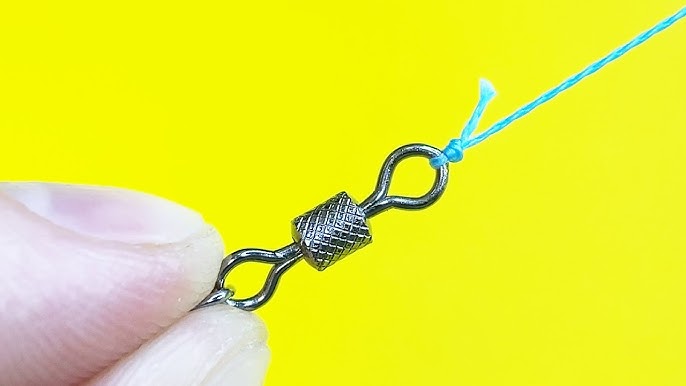
If you want to fish like a pro, knowing how to tie a swivel to your fishing line is a must. This simple skill can save you time, prevent tangled lines, and help you catch more fish.
Whether you’re a beginner or just need a quick refresher, this guide will show you easy steps to get it right every time. Keep reading, and you’ll soon master a knot that makes your fishing trips smoother and more successful.
Choosing The Right Swivel
A swivel helps prevent fishing line from twisting. Picking the right one makes your fishing easier.
Using the wrong swivel can cause line breaks or poor bait movement. Choose carefully for best results.
Types Of Swivels
Swivels come in different shapes and sizes. Each type has a special use in fishing.
- Barrel Swivels: Simple and strong, good for most fishing.
- Ball Bearing Swivels: Spin smoothly, reduce line twist more effectively.
- Snap Swivels: Easy to attach lures or leaders quickly.
- Coastlock Swivels: Have a secure locking snap for heavy bait.
Pick the swivel type that fits your fishing style and gear.
Matching Swivel Size To Line Strength
Swivels come in sizes rated by strength. Match the swivel size to your line’s strength.
Using a swivel too small can break your line. Too big adds extra weight and bulk.
| Line Strength (lbs) | Recommended Swivel Size |
|---|---|
| 2-6 | Size 10-14 |
| 6-12 | Size 6-10 |
| 12-20 | Size 3-6 |
| 20-40 | Size 1-3 |
| 40+ | Size 0 or larger |
Check the swivel package for size and strength ratings before buying.

Credit: www.youtube.com
Preparing Your Fishing Line
Before tying a swivel to your fishing line, you need to prepare the line properly. Preparing the line helps make strong knots and prevents line damage.
Proper preparation includes cutting the line cleanly and moistening it to protect the knot. These simple steps improve your fishing setup.
Cutting And Inspecting The Line
Use sharp scissors or a line clipper to cut your fishing line. A clean cut helps you tie tight knots and avoids fraying.
Check the line for any damage before tying. Look for nicks, cracks, or weak spots that can break under pressure.
- Cut the line straight with sharp scissors
- Remove any damaged sections
- Inspect the line under good light
- Replace the line if it shows wear
Moistening The Line For Better Knots
Before tightening your knot, moisten the line with water or saliva. This reduces friction and helps the knot slide smoothly.
Moistening prevents the line from heating up and weakening. It also helps create a stronger, more secure knot.
- Wet the knot area lightly with water or saliva
- Avoid soaking the line to keep it manageable
- Tighten the knot slowly for best results
Step-by-step Knot Tying
Tying a swivel to a fishing line is important for a strong connection. A good knot prevents slipping and keeps your gear secure.
Follow these simple steps to tie the knot correctly and make sure your swivel stays in place.
Threading The Line Through The Swivel
Start by passing the end of your fishing line through the eye of the swivel. Pull enough line through to work comfortably.
Make sure the line is straight and not twisted as you prepare to tie the knot.
Creating The Loop And Wrapping
Create a small loop by bending the tag end of the line back alongside the main line. Hold both lines together.
Wrap the tag end around both lines several times. Usually, five to seven wraps give a strong hold.
- Hold the loop firmly with one hand
- Wrap the tag end tightly around the lines
- Count your wraps carefully
Securing The Knot Tight
After wrapping, pass the tag end through the small loop near the swivel eye. Pull slowly to tighten the knot.
Wet the knot with water or saliva before pulling it tight. This reduces friction and prevents line damage.
- Pull the main line and tag end evenly
- Check the knot for tightness and neatness
- Trim any excess tag end close to the knot
Testing Knot Strength
After tying a swivel to your fishing line, you need to check if the knot is strong. A strong knot keeps the swivel from slipping or breaking.
Testing knot strength helps avoid losing fish or gear. It ensures your connection is safe before casting.
Pulling To Check Tightness
Pull the line hard near the knot to check if it holds tight. Use steady pressure, not a quick jerk.
If the knot slips or loosens, retie it. A tight knot feels firm and does not move on the line.
- Hold the swivel and line firmly
- Pull slowly to feel any slipping
- Check if the knot stays in place
- Retie if the knot moves or loosens
Common Knot Failures To Avoid
Some knots fail because of bad tying or weak lines. Avoid these common problems to keep your knot strong.
- Not tightening the knot enough
- Using a damaged or old fishing line
- Leaving too little tag end after tying
- Tying knots that are not suited for swivels
- Not wetting the line before tightening the knot
Fix these issues to prevent knot failure and lost catches.
Tips For Maintaining Strong Knots
Tying a swivel to a fishing line creates a strong connection. Keeping knots strong helps avoid losing fish.
Regular care and checks keep knots reliable. Small problems can become big issues if ignored.
Regular Knot Inspection
Check your knots often, especially before and after fishing. Look for signs of wear or slipping.
- Look for frayed or damaged lines near the knot.
- Make sure knots are tight and have not loosened.
- Test knots by pulling gently to feel their strength.
- Replace knots that show any damage or weakness.
Replacing Worn Swivels And Lines
Swivels and lines wear out over time. Replacing them keeps your setup strong and safe.
| Item | Signs to Replace |
| Swivel | Rust, cracks, or loose parts |
| Fishing Line | Frays, discoloration, or stiffness near knots |
| Knot | Slipping or visible damage |

Credit: www.youtube.com

Credit: www.wikihow.com
Frequently Asked Questions
What Is The Best Knot For Tying A Swivel?
The Improved Clinch Knot is ideal for tying a swivel. It offers strength and reliability. Ensure the knot is tightly secured. This knot reduces slippage and provides enhanced security. It’s suitable for both beginners and seasoned anglers.
How Do You Attach A Swivel To A Fishing Line?
To attach a swivel, thread the line through the swivel’s eye. Use the Improved Clinch Knot for securing. Wrap the line around itself five times, then thread it back through the loop. Pull tight to secure. Trim any excess line for a neat finish.
Why Use A Swivel On A Fishing Line?
Swivels prevent line twisting and tangling. They allow lures to move freely and naturally. Using a swivel enhances casting distance and accuracy. It also aids in quick lure changes. This ensures a more productive and enjoyable fishing experience.
Can A Swivel Affect Casting Distance?
Yes, swivels can impact casting distance. However, lightweight swivels minimize this effect. Properly securing the swivel and using appropriate tackle helps maintain optimal casting. Ensure the swivel size matches your line and lure. This balances weight and prevents casting interference.
Conclusion
Tying a swivel to your fishing line is simple and quick. Use the right knot to keep it strong and secure. Practice the steps a few times to feel confident. A well-tied swivel helps avoid line twists and tangles. This small skill can improve your fishing experience a lot.
Keep your line steady and ready for a good catch. Try it out next time you fish. You will notice the difference.