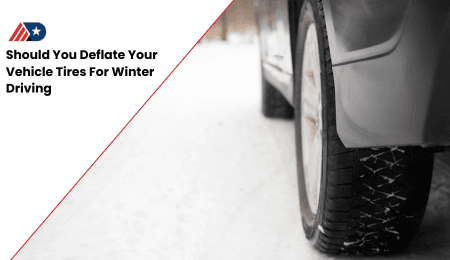
Have you ever needed to deflate your car tires but didn’t know where to start? Whether you’re preparing for off-road driving, fixing a flat, or adjusting tire pressure for better traction, knowing how to safely and effectively let air out is crucial.
In this guide, you’ll discover simple, step-by-step tips that anyone can follow. By the end, you’ll feel confident handling your tires like a pro—and avoid costly mistakes. Keep reading to learn exactly what you need to do to deflate your car tires the right way.

Credit: www.youtube.com
Tools Needed
Deflating car tires safely requires the right tools. Using proper tools makes the job easier and prevents damage.
Below are the basic tools you will need and some optional accessories that can help.
Essential Items
These tools are necessary to deflate your car tires correctly and safely.
- Tire Pressure Gauge:Measures the current air pressure inside the tire.
- Valve Core Tool:Removes or loosens the valve core to release air.
- Gloves:Protect your hands while handling tires and tools.
- Air Compressor (Optional for Re-inflation):Useful if you need to re-inflate after deflating.
Optional Accessories
These accessories make deflating tires easier or more convenient but are not required.
| Accessory | Purpose |
|---|---|
| Air Release Valve Tool | Helps control the amount of air released for precise deflation. |
| Tire Deflator Caps | Attach to valve stems for quick and automatic pressure release. |
| Digital Tire Pressure Gauge | Provides quick and easy-to-read pressure measurements. |
| Flashlight | Useful for working in low light or at night. |
When To Deflate Tires
Deflating car tires means letting air out of them. It lowers the tire pressure. This can help in certain driving situations.
Knowing when to deflate tires can improve your car’s performance and safety. It also protects your tires from damage.
Situations Requiring Deflation
Deflating tires is useful in some specific cases. It helps your car handle better on soft surfaces.
- Driving on sand or mud to increase tire grip
- Off-road driving on rocky or uneven terrain
- Crossing snowy or icy roads for better traction
- Preparing tires for certain types of racing or rally events
- Lowering pressure to prevent tire damage on rough trails
Lower tire pressure creates a larger surface area. This stops the tires from sinking or slipping.
Safety Considerations
Deflating tires too much can be dangerous. It can cause tire damage and reduce car control.
- Do not let out too much air; follow recommended limits
- Check tire pressure often during use
- Use a reliable pressure gauge to measure air levels
- Inflate tires back to normal pressure after use
- Avoid high speeds with low tire pressure
Always deflate tires slowly and carefully. Sudden air loss can harm the tires or the vehicle.
Preparing The Vehicle
Before deflating car tires, prepare your vehicle carefully. This ensures safety and ease during the process.
Follow simple steps to keep the car steady and avoid accidents while handling the tires.
Park On A Flat Surface
Find a flat, level surface to park your car. This stops the vehicle from rolling or shifting.
- Look for a paved driveway or parking lot.
- Avoid slopes or uneven ground.
- Check that the car is stable before you start.
Engage Parking Brake
Set the parking brake firmly to keep the car from moving. This adds extra security.
| Action | Purpose |
| Engage parking brake | Stops car from rolling |
| Park on flat surface | Keeps car steady |
| Check stability | Prevents accidents |

Credit: gosportsoutdoors.com
Locating The Valve Stem
Deflating car tires starts with finding the valve stem. The valve stem lets air in and out of the tire.
Knowing where the valve stem is helps you release air safely and easily.
What Is The Valve Stem?
The valve stem is a small tube that sticks out from the wheel rim. It holds the valve core inside.
You use the valve stem to add or let out air from the tire.
Where To Find The Valve Stem
Check the outer edge of the wheel rim. The valve stem usually sticks out there.
- Look between the spokes of the wheel.
- Find the small rubber or metal tube.
- The valve cap may cover the stem.
- Remove the cap to access the valve.
Common Valve Stem Types
| Type | Description |
| Rubber Valve Stem | Flexible, mostly on passenger cars |
| Metal Valve Stem | Stronger, used on trucks or high-performance cars |
| Snap-in Valve Stem | Easy to install, common on many vehicles |
| Clamp-in Valve Stem | Secure with a nut, used on some trucks |
Releasing Air Safely
Deflating car tires must be done carefully to avoid damage or injury. Releasing air slowly helps keep control and safety.
This guide covers two safe ways to let air out of your tires. Use the right tools and follow simple steps.
Using A Valve Core Tool
A valve core tool helps remove air by loosening the valve core inside the tire valve stem. This tool fits over the valve and unscrews the core.
- Remove the valve cap from the tire valve.
- Place the valve core tool on the valve core.
- Turn the tool counterclockwise to loosen the core.
- Air will start to escape slowly. Hold the tool steady.
- To stop, turn the tool clockwise to tighten the core back.
- Replace the valve cap after finishing.
Always wear gloves and eye protection. Do not remove the core fully to avoid a sudden rush of air.
Manual Deflation Method
You can also release air by pressing the valve stem pin manually. This method needs care and patience.
| Action | Safety Tip |
|---|---|
| Remove the valve cap | Keep the tire off hot surfaces |
| Use a small tool or pen tip | Press gently on the valve pin |
| Listen for air escaping | Release air slowly to avoid damage |
| Stop pressing when desired pressure is reached | Check tire pressure with a gauge |
| Replace the valve cap securely | Prevent dirt from entering the valve |
Checking Tire Pressure
Checking your car tire pressure keeps you safe on the road. Proper pressure helps your tires last longer and saves fuel.
Use a pressure gauge to see if your tires have the right amount of air. This is an easy task you can do yourself.
Using A Pressure Gauge
A pressure gauge shows the air pressure inside your tire. You can use a digital or a manual gauge.
- Remove the valve cap from the tire.
- Press the gauge onto the valve stem firmly.
- Read the pressure on the gauge display or dial.
- Write down the reading to compare with recommended levels.
- Replace the valve cap once done.
Adjusting Pressure Levels
If the pressure is too high, release some air. If it is too low, add air using a pump.
| Action | How to Do It |
| Deflate Tire | Press the small pin inside the valve stem to let air out slowly. |
| Inflate Tire | Use an air compressor to add air until the correct pressure is reached. |
| Check Again | Use the gauge to confirm the pressure is now right. |
Reinflating Tires
Reinflating tires is important to keep your car safe. Proper air pressure helps your tires last longer.
Check your tire pressure often and fill them as needed. This guide explains how to do it right.
Recommended Pressure
Every car has a recommended tire pressure. You can find it on a sticker inside the driver’s door.
Use the recommended pressure to keep your car stable and save fuel.
- Check pressure when tires are cold
- Do not overinflate or underinflate
- Adjust pressure for heavy loads
- Use a reliable pressure gauge
Using An Air Compressor
An air compressor makes it easy to fill your tires with air. Many gas stations have one for public use.
Follow these steps to use an air compressor safely and correctly.
- Remove the valve cap from the tire
- Attach the compressor hose to the valve
- Turn on the compressor and add air slowly
- Check the pressure with a gauge
- Stop when the tire reaches recommended pressure
- Replace the valve cap tightly
Post-deflation Inspection
After deflating your car tires, it is important to check them carefully. This ensures your safety and the health of your tires.
Inspecting your tires after deflation helps you spot any problems early. This can prevent accidents and costly repairs.
Inspect For Damage
Look closely at each tire for cuts, cracks, or bulges. These issues may have happened during deflation or from previous damage.
- Check the sidewalls for cracks or bubbles.
- Examine the tread for uneven wear or sharp objects.
- Feel for soft spots by pressing gently on the tire surface.
- Inspect the valve stem for leaks or damage.
Test Drive Tips
After checking your tires, take a short test drive. Pay attention to how your car handles and sounds.
| What to Watch | Why It Matters |
| Steering response | Ensures tires grip the road well |
| Vibrations or shaking | May indicate uneven tire pressure or damage |
| Unusual noises | Could signal loose parts or tire issues |
| Vehicle pulling to one side | Shows uneven tire pressure or alignment problems |
Safety Tips
Deflating car tires requires care to keep you safe. Follow these tips to avoid accidents and damage.
Use the right tools and methods. Always stay alert and protect yourself before starting.
Avoid Over-deflation
Do not remove too much air from your tires. Over-deflation can cause poor control and tire damage.
- Check the recommended tire pressure in your car manual.
- Use a reliable pressure gauge to measure air pressure.
- Remove air slowly and check pressure often.
- Stop deflating once you reach the safe pressure level.
Wear Protective Gear
Wear the right gear to protect yourself from dirt, sharp objects, and sudden air bursts.
| Protective Gear | Purpose |
| Gloves | Protect hands from cuts and dirt |
| Safety Glasses | Shield eyes from debris and air bursts |
| Long Sleeves | Protect arms from scrapes and dirt |
| Closed-Toe Shoes | Protect feet from heavy tools or tires |

Credit: www.crossroadshelpline.com
Frequently Asked Questions
How Can I Safely Deflate My Car Tires?
To safely deflate your car tires, use a tire pressure gauge. Press the gauge onto the valve stem to release air. Monitor the pressure as you do this. Stop when you reach the desired tire pressure. Always ensure the tires are not over-deflated for safe driving.
What Tools Do I Need To Deflate Tires?
You need a tire pressure gauge and a valve stem tool. The gauge helps monitor pressure levels. The valve stem tool assists in releasing air. These tools ensure you deflate your tires to the correct pressure safely and efficiently.
Why Might I Need To Deflate My Car Tires?
Deflating tires can improve traction on certain surfaces like sand or mud. It might be necessary for off-road driving. Adjusting tire pressure can also enhance comfort and control in specific conditions. Always re-inflate to the recommended pressure for regular driving.
How Do I Check Tire Pressure After Deflating?
Use a tire pressure gauge to check tire pressure accurately. Place the gauge on the valve stem. Read the pressure displayed. Adjust as necessary to maintain the correct pressure. Regular checks ensure optimal tire performance and safety.
Conclusion
Deflating car tires is a simple task anyone can do. Follow the steps carefully for safety and accuracy. Check tire pressure often to keep your ride smooth. Avoid letting out too much air at once. Use the right tools to make the job easier.
Staying aware helps prevent tire damage and extends tire life. Practice this skill to save time and money. Remember, safe tires mean safer driving for everyone. Keep your tires in good shape for best results.