If you want to catch more fish and enjoy your time on the water, knowing how to lure fish is key. You might already have the best gear, but without the right technique, those fish will keep slipping away.
Imagine feeling the thrill of a strong tug on your line and reeling in your biggest catch yet. This guide will show you simple, effective ways to choose and use lures that attract fish every time. Keep reading, and you’ll discover easy tips that can turn your fishing trips into unforgettable successes.

Credit: www.youtube.com
Choosing The Right Lures
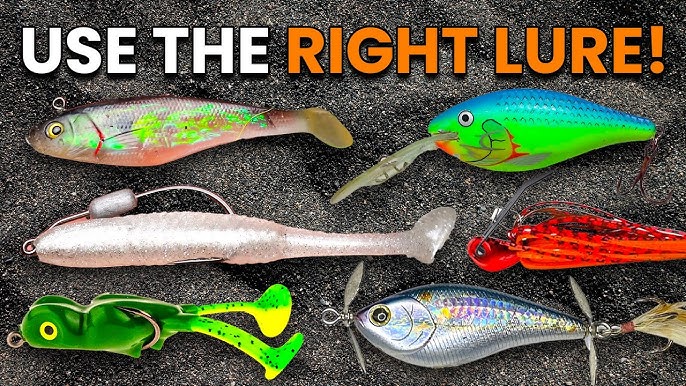
Fishing lures come in many shapes and sizes. Picking the right lure helps catch more fish.
Using the right lure matches fish behavior and water conditions. This improves your chance to catch fish.
Types Of Fishing Lures
There are many types of lures. Each works best in different fishing situations.
- Spinnerbaits: These have spinning blades that flash in the water.
- Crankbaits: Hard plastic lures that dive and wobble.
- Soft Plastics: Flexible lures that look like worms or small fish.
- Jigs: Weighted hooks with soft bodies to mimic prey.
- Spoons: Metal lures that wobble and shine like small fish.
Matching Lures To Fish Species
Each fish species prefers different types of lures. Match lures to fish habits and food.
- Bass like soft plastics and crankbaits that mimic small fish.
- Trout often bite on spoons and small spinners.
- Pike respond well to large spoons and spinnerbaits.
- Walleye prefer jigs and soft plastics near the bottom.
Seasonal Lure Selection
Fish behavior changes with seasons. Choose lures that fit the season for better results.
- Spring: Use bright colors and fast-moving lures for active fish.
- Summer: Try natural colors and slower lures in deep water.
- Fall: Use larger lures and flashy colors to attract feeding fish.
- Winter: Use small, slow lures near the bottom where fish stay.
Techniques For Effective Lure Fishing
Lure Fishing Gear Essentials
Lure fishing needs the right gear for a good catch. Picking the best tools helps you fish with ease and success.
This guide covers the basics of rods, reels, lines, hooks, and other tackle for lure fishing.
Selecting Rods And Reels
Choose rods that match the fish size and water type. Light rods suit small fish and clear water. Medium rods work for most conditions. Heavy rods handle big fish and rough water.
Reels must balance with your rod. Spinning reels are easy to use and good for beginners. Baitcasting reels offer control for skilled anglers.
Line Types And Strength
- Monofilament line is stretchy and cheap, good for beginners.
- Fluorocarbon line is nearly invisible underwater and resists abrasion.
- Braid line is strong and thin, ideal for heavy cover or big fish.
Pick line strength based on fish size. Light fish need 4-8 pound test. Bigger fish require 10-20 pound test or more.
Hooks And Terminal Tackle
| Item | Description | Use |
| Hooks | Various sizes and shapes | Attach to lures or bait |
| Swivels | Prevent line twist | Connect line and lure |
| Split Rings | Small metal rings | Attach hooks to lures |
| Sinkers | Weights | Help lure sink deeper |
Choose hook size to match lure and fish size. Use strong swivels to stop line from twisting during retrieval.

Credit: www.youtube.com
Reading Water And Fish Behavior
Fishing is easier when you understand how fish behave. Reading the water helps find where fish hide. It also shows the best times to catch them.
This guide explains how to spot fish habitats, how water affects fish, and when to plan your trips. Use these tips to improve your fishing success.
Identifying Fish Habitats
Fish live in certain parts of water where they find food and shelter. Look for structures like rocks, plants, and logs. These spots often hold more fish.
- Shallow areas with plants provide food and cover.
- Deep holes offer cool water and safety in hot weather.
- Near rocks and fallen trees, fish find shelter and prey.
- Areas where water flows slower let fish rest.
- Edges of currents are good places for fish to catch food.
Water Conditions Impact
Fish react to water temperature, clarity, and oxygen levels. These factors affect where fish move and feed. Knowing this helps choose the right fishing spot.
| Water Condition | Effect on Fish Behavior |
| Temperature | Fish seek comfortable temperature zones. |
| Clarity | Clear water makes fish cautious. |
| Oxygen | Low oxygen causes fish to move to surface or currents. |
| Current | Fish use currents to find food easily. |
Timing Your Fishing Trips
Fish feed more at certain times. Early morning and late evening often work best. Weather and moon phases can change fish activity too.
- Fish feed after sunrise and before sunset.
- Cloudy days may increase fish activity all day.
- Rain before fishing can stir food in water.
- Full and new moons affect fish feeding cycles.
- Wind can push food to one side, attracting fish.
Tips For Targeting Bigger Fish
Fishing for bigger fish needs a smart approach. You must use the right gear and techniques.
Big fish often live deeper or near structures. Patience and the right lure choice help catch them.
Using Larger And More Realistic Lures
Bigger fish see bigger prey. Use larger lures to attract their attention. Realistic lures look like real fish or creatures.
Choose lures with natural colors and movements. This makes bigger fish more likely to strike.
- Use crankbaits that mimic bigger baitfish
- Try soft plastics with lifelike shapes
- Pick spinnerbaits with natural colors
- Use swimbaits that swim like real fish
Fishing In Deeper Or Structure Areas
Bigger fish often stay near deep water or underwater structures. These spots give them shelter and food.
Look for rocks, fallen trees, or weed beds. Cast your lure close to these areas for better chances.
- Fish near drop-offs and ledges
- Try fishing around submerged logs
- Focus on deep holes in lakes or rivers
- Check areas with strong currents or eddies
Patience And Persistence Strategies
Bigger fish are often cautious and harder to catch. Stay patient and keep trying different spots.
Change your lure speed and pattern. Keep fishing even if you don’t get bites right away.
- Cast slowly and wait for a bite
- Try different lure retrieval speeds
- Fish during early morning or late evening
- Keep notes on what works and what doesn’t
Common Mistakes To Avoid
Lure fishing can be fun and rewarding. Many anglers make simple mistakes that reduce their success.
Knowing what to avoid helps you catch more fish. Here are common errors to watch out for.
Overusing One Lure Type
Using the same lure all the time limits your chances. Fish get used to one lure and avoid it.
Try different lure shapes, colors, and sizes to find what works best for the day.
- Switch lures if no bites happen after 15 minutes
- Use natural colors in clear water and bright colors in murky water
- Match lure size to the type of fish you want to catch
Ignoring Weather Changes
Weather affects fish behavior a lot. Ignoring it can waste your time and effort.
Fish may hide or change feeding times during bad weather. Pay attention to sun, wind, and temperature.
- Fish more during overcast days or early morning
- Strong winds can push fish to certain spots
- Cold fronts may make fish less active
Improper Handling Of Fish
Handling fish incorrectly can harm them and reduce your catch rate.
Use wet hands or a soft cloth to hold fish. Avoid squeezing or dropping them.
- Remove hooks gently to avoid injury
- Release fish quickly if you don’t keep them
- Keep fish in water as much as possible

Credit: fishingbooker.com
Frequently Asked Questions
What Are The Best Lures For Freshwater Fishing?
The best lures for freshwater fishing include spinnerbaits, soft plastics, crankbaits, and jigs. Choose based on target species and water conditions for effective results.
How Do I Choose The Right Lure Color?
Select lure colors based on water clarity and light conditions. Bright colors work well in murky water, while natural colors suit clear water.
When Is The Best Time To Use Fishing Lures?
Early morning and late evening are prime times for lure fishing. Fish are more active during these low-light periods, increasing your catch chances.
How Do I Properly Retrieve A Fishing Lure?
Vary your retrieval speed and technique depending on the lure type. Experiment with steady, jerky, or stop-and-go retrieves to attract fish effectively.
Conclusion
Fishing with lures takes patience and practice. Choose the right lure for the fish you want. Watch how fish react to different movements. Change your lure if fish don’t bite. Enjoy the calm and quiet of the water. Keep trying, and you will catch more fish.
Fishing can be fun and relaxing for everyone. Remember, the best catch comes with time and care.