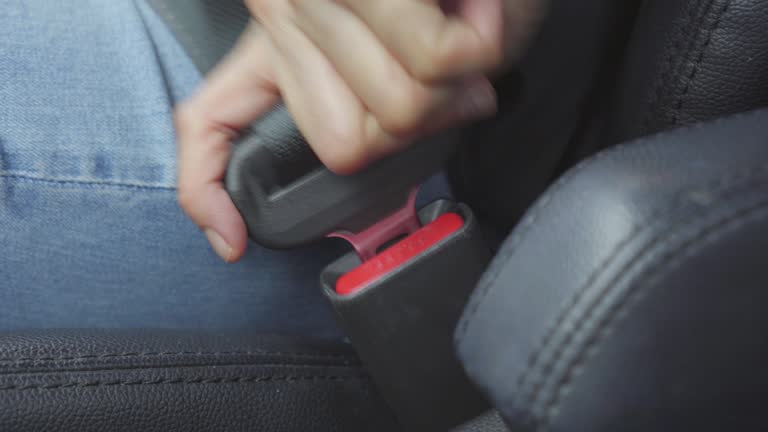
Have you ever wondered if you’re fastening your seat belt the right way? It might seem simple, but the way you buckle up can make a big difference in your safety.
You’ll discover easy steps to fasten your seat belt quickly and correctly every time you get in the car. Knowing this could protect you and your loved ones in unexpected situations. Keep reading, and you’ll feel more confident and secure on every drive.

Credit: www.shutterstock.com
Choosing The Right Seat Belt
Choosing the right seat belt is very important for your safety in a car. A good seat belt fits your body well and keeps you secure.
This guide helps you learn about seat belt types and how to adjust them for your body.
Types Of Seat Belts
There are different types of seat belts used in cars today. Knowing them helps you pick the best one.
- Lap Belt: Goes over your hips only.
- Shoulder Belt: Crosses over your chest and shoulder.
- Three-Point Belt: Combines lap and shoulder belts for full protection.
- Automatic Seat Belt: Moves into place automatically when you close the door.
Adjusting For Your Body
Adjust your seat belt so it fits your body closely but comfortably. This reduces injury risk during a crash.
| Adjustment Area | How to Adjust |
| Shoulder Strap | Place it across the middle of your shoulder, not your neck. |
| Lap Belt | Position it low across your hips, not your stomach. |
| Belt Tightness | Pull the belt to remove slack but don’t make it too tight. |
| Height Adjuster | Use it to raise or lower the shoulder strap to fit your height. |
Proper Seat Belt Positioning
Wearing your seat belt the right way keeps you safe in a car. Proper positioning helps protect your body during a crash.
Knowing how to place the shoulder strap and lap belt is important. This guide shows you the correct way to fasten your seat belt.
Placing The Shoulder Strap
The shoulder strap should cross your chest and rest on your shoulder. It should not touch your neck or fall off your shoulder.
Keep the strap away from your face and arm to avoid injury. Adjust the strap height if possible for a better fit.
- Place the strap over the middle of your shoulder
- Avoid placing it under your arm or behind your back
- Adjust the strap so it lies flat without twists
Securing The Lap Belt
The lap belt should fit low and snug across your hips. It should not rest on your stomach or waist.
Make sure the lap belt is tight enough to hold you in place. This helps reduce injury in case of sudden stops or crashes.
- Place the belt under your belly, across your hip bones
- Tighten the belt so it does not move easily
- Do not let the belt twist or bunch up
Common Seat Belt Mistakes
Seat belts save lives by keeping passengers safe. People often make mistakes when using them. These errors reduce the protection seat belts offer.
Knowing the common mistakes can help you wear your seat belt correctly. This guide covers two frequent problems and how to avoid them.
Twisted Straps
A twisted seat belt strap can cut into your body during a crash. It also weakens the belt’s strength and comfort.
Always check the strap before buckling. The belt should lie flat across your chest and lap without any twists.
- Look down at the belt before pulling it across your body
- Straighten any twists before clicking the buckle
- Adjust the belt height if your car allows it for a flat fit
Loose Fit Issues
A loose seat belt can fail to hold you properly in a crash. The belt should fit snugly but not be too tight.
Make sure to pull the belt tight across your lap and chest. Avoid slack or extra slack that lets you move too much.
- Pull the lap belt low across your hips, not your stomach
- Keep the shoulder belt across your chest, not your neck or arm
- Adjust the belt to remove any slack before driving
Tips For Comfort While Buckled
Wearing a seat belt is important for safety in a car. Comfort makes it easier to keep the belt on during the trip. Adjusting the seat and belt helps you sit well.
Small changes can stop the belt from digging into your skin. Using cushions can also improve how the seat belt feels on your body.
Adjusting Seat And Belt Height
Changing the seat and belt height helps the belt fit your body better. This reduces pressure on your neck and chest.
- Move the seat forward or backward to find a good reach to the pedals.
- Adjust the seat back angle to sit upright but relaxed.
- Change the belt height slider to place the belt across the middle of your shoulder.
- Make sure the belt lies flat and does not twist.
- Check that the lap belt rests low on your hips, not your stomach.
Using Seat Belt Cushions
Seat belt cushions add soft padding to stop the belt from rubbing your skin. They are good for long trips or sensitive skin.
| Type of Cushion | Benefit | Material |
| Foam Pad | Soft and thick padding | Memory foam |
| Fabric Cover | Breathable and washable | Cotton or polyester |
| Gel Pad | Cooling effect on hot days | Silicone gel |
| Adjustable Strap Cushion | Fits different belt widths | Neoprene or foam |
Special Considerations
Using a seat belt correctly is important for safety. Some people need special care when fastening seat belts.
This guide focuses on seat belts for children and pregnant women. Each group has unique needs for safe use.
Seat Belts For Children
Children need special car seats or booster seats with seat belts. These seats keep them safe and fit the seat belt better.
Make sure the seat belt fits across the child’s chest and hips, not the stomach or neck. Always follow the car seat instructions.
- Use a rear-facing seat for babies under 2 years old
- Use a forward-facing car seat for toddlers and young kids
- Use a booster seat until the child is tall enough for the seat belt
- Check that the seat belt is snug but not too tight
Seat Belt Use During Pregnancy
Pregnant women should wear seat belts to protect themselves and the baby. The belt must be positioned correctly to avoid pressure on the belly.
Place the lap belt under the belly, across the hips and pelvic bone. The shoulder belt should go between the breasts and to the side of the belly.
- Do not place the lap belt over the belly
- Adjust the shoulder belt so it fits comfortably
- Keep the seat back upright for better belt fit
- Consult a doctor if you feel discomfort while wearing the belt

Credit: www.sacbee.com
Maintaining Your Seat Belt
Keeping your seat belt in good shape helps keep you safe. Clean and check it often to avoid problems.
A well-maintained seat belt works better in an emergency. Small care steps can make a big difference.
Cleaning Tips
Clean your seat belt using mild soap and water. Avoid strong chemicals that can damage the fabric.
Use a soft cloth or sponge to gently scrub dirt and stains. Let the belt air dry completely before use.
- Do not machine wash or dry your seat belt
- Keep the buckle clean and free of debris
- Check the belt for any sticky or stiff areas
When To Replace
Replace your seat belt if it shows signs of damage. Cuts, frays, or worn spots weaken its strength.
Also, change the seat belt after a serious crash. It may look fine but could fail in another accident.
- Check for broken or jammed buckles
- Look for frayed or torn webbing
- Replace if the belt does not retract smoothly
- Follow car maker’s advice on seat belt replacement

Credit: www.amazon.sa
Frequently Asked Questions
How Do I Properly Fasten A Seat Belt?
To properly fasten a seat belt, pull the belt across your body and insert the metal latch into the buckle until you hear a click. Ensure the belt lies flat across your chest and lap, not twisted. Adjust the strap for a snug fit, ensuring maximum safety.
What Are The Steps To Fasten A Car Seat Belt?
First, sit upright in your seat. Next, pull the seat belt across your body. Insert the latch plate into the buckle until it clicks. Adjust the belt to ensure it fits snugly across your chest and lap. Make sure it’s not twisted for optimal protection.
Why Is It Important To Fasten Seat Belts?
Fastening seat belts is crucial for safety. They help prevent injuries during accidents by restraining the body’s movement. Seat belts reduce the risk of serious injury or death by keeping occupants securely in place. Always buckle up to ensure maximum protection for yourself and passengers.
How Can I Ensure My Seat Belt Is Secure?
To ensure your seat belt is secure, listen for a click when latching it. The belt should lie flat across your body. Adjust the belt to fit snugly across your chest and lap. Regularly check for any signs of wear or damage to maintain its effectiveness.
Conclusion
Fastening your seat belt is quick and easy. Always pull the belt across your body firmly. Click the metal latch into the buckle until it clicks. Check that the belt lies flat without twists. Adjust the strap to fit snugly but comfortably.
Buckling up protects you in case of a crash. Never start driving without your seat belt fastened. It keeps you safe and follows the law. Make it a habit every time you get in the car. Safety first—simple steps save lives.