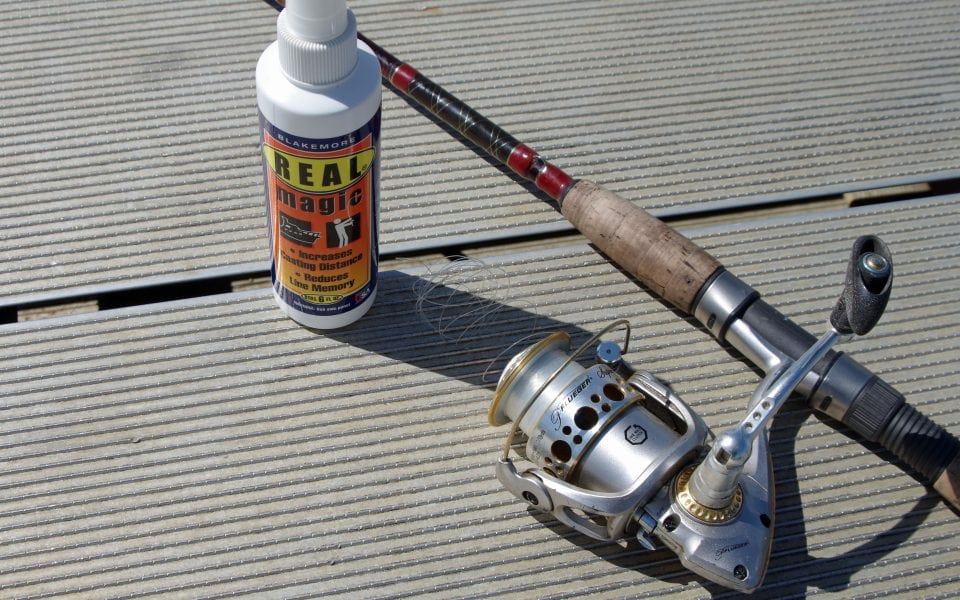
Have you ever noticed your fishing line twisting, curling, or refusing to lay flat? That’s called memory, and it can make casting frustrating and reduce your chances of a great catch.
But don’t worry—you can fix this! You’ll discover simple and effective ways to get memory out of your fishing line, so you can enjoy smoother casts and better control on the water. Keep reading, and you’ll learn easy tips that will make your fishing experience more enjoyable every time.

Credit: theanglinghub.com
What Causes Memory In Fishing Line
Fishing line memory happens when the line keeps the shape it was stored in. This makes the line curl or coil instead of laying straight.
Memory affects how the line casts and how it reacts in the water. It can make fishing harder and less smooth.
Material Types And Memory
Different fishing line materials have different amounts of memory. Nylon monofilament usually has the most memory. Fluorocarbon has less memory than nylon. Braided lines have the least memory.
Material type affects how much the line holds its shape after being coiled or spooled.
- Monofilament: High memory, holds coils well
- Fluorocarbon: Medium memory, less coil than mono
- Braid: Low memory, stays straighter
Effects Of Storage And Use
How you store fishing line changes its memory. Leaving line on a spool for a long time makes it curl. Tight coils increase memory in the line.
Using the line in certain ways can add memory. Pulling line off a reel fast or forcing tight turns adds more coil memory.
- Storing on a spool too long causes tight coils
- Heat from sunlight or water softens line memory
- Fast casting adds tension and can cause coils
- Untangling knots helps reduce memory

Credit: www.ebay.co.uk
Signs Of Memory In Your Line
Fishing line memory means the line keeps its shape after being on the spool. It can cause problems during fishing.
Knowing the signs of memory helps you fix it and fish better. Watch for coiling, curling, and casting troubles.
Coiling And Curling
When fishing line has memory, it often forms tight coils or curls. These shapes stay even after you pull the line out.
Coils and curls can tangle easily. They make it hard to get smooth line flow during casting.
- Line loops in circles instead of straightening out
- Knots form more often because of curls
- Line feels stiff or twisted in your hands
Casting Issues
Memory in fishing line causes poor casting performance. The line may not fly straight or far.
It can lead to backlash or bird’s nest tangles on your reel. This slows your fishing and wastes time.
- Line does not spool out smoothly
- Reduced casting distance
- Frequent line tangles and knots
Simple Tricks To Remove Memory
Fishing line memory causes the line to coil and tangle easily. This makes casting and reeling frustrating. Removing memory helps the line stay straight and smooth.
Try these simple tricks to reduce or remove memory from your fishing line. They use easy methods you can do at home or on the water.
Warm Water Soak
Soaking your fishing line in warm water softens the material. This helps release the coils and bends caused by memory. Use water that is warm, not hot, to avoid damage.
- Fill a bucket or sink with warm water.
- Submerge the fishing line spool fully.
- Let it soak for 10 to 15 minutes.
- Remove the spool and gently shake off excess water.
- Allow the line to air dry before use.
Heat Application
Applying gentle heat to the fishing line makes it more flexible. This reduces the tight coils and helps the line straighten out. Use heat carefully to avoid melting the line.
| Heat Method | How to Use | Safety Tips |
| Hair Dryer | Hold 6 inches from line, warm evenly for 1-2 minutes | Do not overheat or keep too close |
| Warm Cloth | Wrap warm damp cloth around line spool for 5 minutes | Check temperature to avoid damage |
| Sunlight | Place spool in sun for 15-20 minutes | Avoid long exposure to prevent weakening |
Manual Stretching
Stretching the fishing line by hand helps break the memory coils. This method works well after warming the line. Be careful not to stretch too hard to avoid snapping.
- Pull the line gently away from the spool.
- Hold the line taut for 20 to 30 seconds.
- Release slowly to avoid sudden tension.
- Repeat 3 to 5 times for best results.
- Check if the line feels straighter and less curled.
Preventing Memory In The Future
Memory in fishing line makes it twist and tangle easily. It happens when the line keeps the shape of the spool. Preventing memory helps your line last longer and fish better.
Good habits for storing and using your line stop memory before it starts. Follow simple tips to keep your fishing line smooth and ready.
Proper Storage Techniques
Store your fishing line in a cool, dry place away from sunlight. Heat and sun damage the line and cause memory. Avoid leaving your line on the spool for too long after use.
Remove the line from the reel if you won’t use it for weeks. Keep the line loose on the spool to avoid tight coils that create memory.
- Keep line out of direct sunlight
- Store in a cool, dry area
- Remove line from reel if unused
- Avoid tight coils on the spool
Line Rotation Tips
Use the oldest line first to prevent long storage on one spool. Rotating your line helps avoid memory by spreading out wear and stress.
Try to change your fishing line regularly. Re-spool with new or rested line to keep it flexible and free of coils.
- Use older line before new line
- Change line every few months
- Re-spool to keep line flexible
- Rotate between different spools
When To Replace Your Fishing Line
Fishing lines get old and weak after use. Knowing when to replace the line helps catch fish better.
It also keeps your gear safe and prevents losing big catches. Watch for signs on the line to decide.
Signs Of Wear And Tear
Look closely at your fishing line for damage. Small cuts and frays mean the line is weak. Also, check if the color has faded or the line feels stiff.
- Frayed or broken strands
- Discolored or faded line
- Stiff or brittle texture
- Visible nicks or cuts
- Line twists and tangles easily
Performance Impact
Old lines reduce your chances of landing fish. They break more often and cause poor casting. This wastes time and can cost you big catches.
| Problem | Effect on Fishing |
| Line breaks easily | Lose hooked fish |
| Poor casting distance | Less control over bait |
| Tangles and knots | Delays and frustration |
| Reduced sensitivity | Miss subtle bites |
Credit: theanglinghub.com
Frequently Asked Questions
What Causes Memory In Fishing Line?
Memory in fishing line is caused by how it’s stored and used. Coiling, heat, and tension all contribute to memory formation. Over time, these factors make the line retain its shape, causing tangles and affecting performance. Proper storage and regular maintenance can help reduce line memory.
How Do You Remove Memory From Fishing Line?
To remove memory from fishing line, soak it in warm water. This relaxes the line’s coils. Another method is to stretch the line gently and evenly. Both methods help restore flexibility and improve casting performance. Regularly maintaining your fishing line ensures better longevity and efficiency.
Does Line Memory Affect Casting Distance?
Yes, line memory significantly affects casting distance. Coiled line doesn’t release smoothly, causing shorter casts. It can also lead to tangles and knots. Reducing line memory ensures smoother casts and enhances overall fishing experience. Regular maintenance and proper storage help minimize memory issues.
How Can I Prevent Fishing Line Memory?
Prevent fishing line memory by storing it properly. Avoid tight coils and direct sunlight exposure. Regularly stretch the line before use. Using line conditioners also helps maintain flexibility. Proper care and maintenance ensure your fishing line stays in optimal condition, reducing memory buildup.
Conclusion
Removing memory from fishing line keeps it smooth and easy to use. Regularly stretching and warming the line helps bring back its natural shape. Avoid tight loops and store the line properly to prevent memory from returning. These simple steps save money and improve your fishing experience.
Try these tips next time you prepare your gear. Fish with confidence and enjoy every catch. Small efforts make a big difference in line performance. Keep your fishing line ready for any adventure ahead.