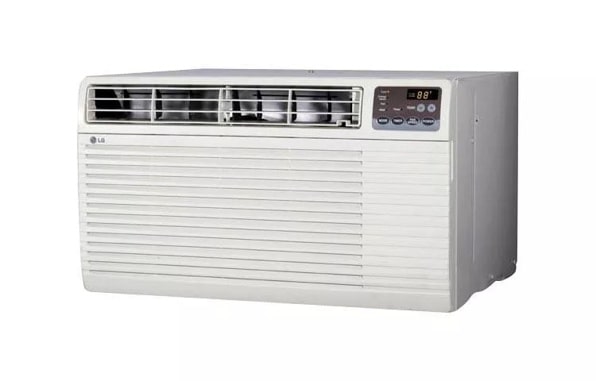
Are you tired of dealing with bulky air conditioners that take up too much space or leave your room unevenly cooled? You might have heard about wall unit air conditioners but aren’t sure what makes them different or if they’re right for your space.
Imagine having a cooling system that fits neatly into your wall, saving floor space and keeping your room comfortable without the hassle. You’ll discover exactly what a wall unit air conditioner is, how it works, and why it could be the perfect solution for your cooling needs.
Keep reading to find out how this smart choice can make a real difference in your home or office.

Credit: www.homelectrical.com
Wall Unit Air Conditioner Basics
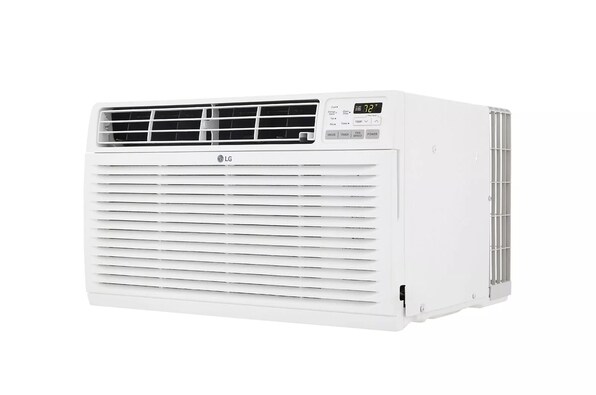
Wall unit air conditioners cool rooms by fitting through a wall. They are a common choice for homes without central air.
These units save space and offer efficient cooling for single rooms or small areas.
How Wall Units Work
Wall unit air conditioners pull warm air from a room and cool it using a refrigeration cycle. Then, they push the cold air back inside.
The hot air and moisture are sent outside through the wall, keeping the room dry and cool.
Types Of Wall Unit Acs
- Through-the-Wall Units: Installed in a wall opening, these are fixed and often used for long-term cooling.
- Portable Wall Units: Mounted on a wall but can be removed for use in different rooms.
- Heat Pump Wall Units: Provide both cooling and heating by reversing the refrigeration cycle.
Key Components
| Component | Function |
| Compressor | Compresses refrigerant to raise its pressure and temperature |
| Evaporator Coil | Absorbs heat from the room air to cool it |
| Condenser Coil | Releases heat outside the building |
| Fan | Circulates air over coils and into the room |
| Thermostat | Controls the temperature by turning the unit on or off |
Choosing The Right Wall Unit
Wall unit air conditioners cool rooms by fitting into a wall. They save floor space and work well in many homes.
Picking the right wall unit means thinking about size, energy use, and features. This helps you stay comfortable and save money.
Sizing And Capacity
Choosing the correct size is key. A unit too small will not cool well. A unit too big wastes energy.
Look at the room size in square feet. The unit’s cooling capacity is measured in BTUs. Match BTUs to your room size.
- Small rooms (100-300 sq ft): 5,000-6,000 BTUs
- Medium rooms (300-500 sq ft): 7,000-10,000 BTUs
- Large rooms (500-800 sq ft): 12,000-14,000 BTUs
Energy Efficiency Ratings
Energy efficiency shows how much power the unit uses. Look for higher ratings to save on bills.
The Seasonal Energy Efficiency Ratio (SEER) or Energy Efficiency Ratio (EER) measures this. Higher numbers mean better efficiency.
- Choose units with at least an EER of 10 or SEER above 13
- Energy Star certified units use less electricity
- Efficient units help reduce your monthly costs
Features To Consider
Many wall units come with useful features. These can improve comfort and ease of use.
Look for features like remote controls, timers, and adjustable fan speeds. Some models also offer air filters to clean the air.
- Remote control for easy operation
- Timer settings to save energy
- Multiple fan speeds for comfort
- Air filters to reduce dust and allergens
- Sleep mode for quiet cooling at night
Installation Tips
Installing a wall unit air conditioner takes planning and care. Proper setup helps the unit work well and last longer.
Follow these tips to place and install your wall unit correctly for the best cooling results.
Selecting The Best Location
Choose a location that lets the air conditioner cool the room evenly. Avoid direct sunlight or places near heat sources.
- Pick a spot near an electrical outlet
- Keep away from furniture blocking airflow
- Install at a height that allows cool air to spread
- Avoid areas with moisture or dust
Diy Vs Professional Installation
You can install some wall units yourself if you have tools and skills. But some units need expert help to avoid damage.
| Installation Type | Advantages | Disadvantages |
| DIY Installation | Cost-saving Flexible timing | Risk of mistakes May void warranty |
| Professional Installation | Proper setup Safety assurance | Higher cost Requires scheduling |
Common Installation Challenges
Installing a wall unit has common problems. Knowing them helps you prepare and avoid delays.
- Measuring the wall opening too small or too large
- Difficulty sealing gaps around the unit
- Running electrical wiring safely
- Supporting the unit’s weight securely
- Ensuring proper drainage for condensate
Credit: www.lg.com
Maintenance And Troubleshooting
Wall unit air conditioners need regular care to work well. Proper maintenance helps avoid problems and keeps air fresh. Troubleshooting small issues can save time and money.
This guide covers simple cleaning tips, how to prevent common problems, and when to get expert help.
Regular Cleaning
Clean your wall unit air conditioner often to keep it running smoothly. Dust and dirt can block airflow and reduce cooling. Follow these cleaning steps regularly.
- Turn off and unplug the unit before cleaning.
- Remove and wash the air filter with mild soap and water.
- Wipe the exterior with a damp cloth.
- Vacuum the vents and coils gently to clear dust.
- Let all parts dry completely before reassembling.
Preventing Common Issues
Take simple steps to avoid common problems like leaks, bad smells, or poor cooling. Watch for signs that your unit needs attention.
| Issue | Cause | Prevention |
| Water Leakage | Clogged drain or filter | Clean filters and drains monthly |
| Bad Odor | Mold or dirt buildup | Regular cleaning and airing out |
| Weak Cooling | Dirty coils or low refrigerant | Keep coils clean and check refrigerant levels |
| Unit Won’t Start | Power issues or motor failure | Check power supply and listen for unusual sounds |
When To Call A Technician
Some problems need expert tools and knowledge. Call a technician if your air conditioner shows these signs:
- Strange noises or smells that do not go away.
- Water leaking inside the room.
- Unit runs but does not cool the room.
- Repeated power failures or tripping breakers.
- Ice buildup on coils or pipes.
Benefits Of Wall Unit Air Conditioners
Wall unit air conditioners are popular for cooling small to medium rooms. They fit into walls and save space.
These units offer many benefits that make them useful in homes and offices. They are easy to install and use.
Space-saving Design
Wall unit air conditioners do not take up floor space. They fit inside walls, leaving more room for furniture.
This design is great for small rooms or places where space is limited. It keeps the room neat and open.
Cost-effectiveness
Wall units cost less than central air systems. They use less power to cool one room at a time.
Lower energy use means smaller electricity bills. They are a good choice for budget-conscious users.
Cooling Efficiency
These units cool rooms quickly by focusing on one space. They work well in rooms with good insulation.
Many models have adjustable settings to control temperature and fan speed. This helps keep the room comfortable.

Credit: www.familyhandyman.com
Comparing Wall Units To Other Ac Types
Wall unit air conditioners fit into a specific category of cooling devices. They mount through an opening in the wall and cool individual rooms. This article compares wall units to other common AC types.
Understanding the differences helps you pick the best option for your needs and space. We will look at window units, central AC, and portable alternatives.
Window Units Vs Wall Units
Both window and wall units cool single rooms and are easy to install. Window units fit into window frames, while wall units require a hole in an exterior wall.
- Installation:Window units slide into windows; wall units need a wall sleeve.
- Space:Wall units save window space and may be more secure.
- Energy:Both use similar energy, but wall units often seal better.
- Appearance:Wall units are less visible from inside rooms.
Central Ac Vs Wall Units
Central AC cools whole homes using ducts, while wall units cool specific rooms. Central systems cost more but offer even cooling. Wall units are cheaper and good for small areas.
| Feature | Wall Unit AC | Central AC |
| Coverage Area | Single room | Whole house |
| Installation Cost | Low | High |
| Energy Use | Moderate per room | Efficient overall |
| Maintenance | Easy | Requires professional service |
| Air Quality | Room-based filters | Whole-house filtration |
Portable Ac Alternatives
Portable AC units cool rooms but are easy to move. Wall units stay fixed and free up floor space. Portable units need a vent hose to a window or wall.
- Mobility:Portable units move from room to room.
- Installation:Wall units need permanent installation.
- Space:Wall units do not take floor space.
- Noise:Portable units can be louder inside rooms.
Frequently Asked Questions
What Is A Wall Unit Air Conditioner?
A wall unit air conditioner is a cooling device installed through an external wall. It provides efficient cooling for individual rooms. Unlike central air systems, it doesn’t require ductwork. It’s ideal for homes without existing duct systems. Wall units are energy-efficient and easy to install.
How Does A Wall Unit Air Conditioner Work?
A wall unit air conditioner cools air by drawing warm air over cold coils. The refrigerant absorbs the heat, cooling the air. It then expels the heat outside. The cooled air is circulated back into the room. This process continues until the room reaches the desired temperature.
Are Wall Unit Air Conditioners Energy Efficient?
Yes, wall unit air conditioners are generally energy efficient. They cool specific areas, minimizing energy waste. Many models have energy-saving features like timers and sleep modes. Always check the Energy Efficiency Ratio (EER) before purchasing. Higher EER indicates better efficiency.
Can Wall Unit Air Conditioners Heat Rooms?
Some wall unit air conditioners also have heating functions. These units are called heat pumps or reverse cycle air conditioners. They can heat and cool rooms, offering year-round climate control. They work by reversing the refrigeration cycle to provide warmth.
Conclusion
A wall unit air conditioner cools a single room efficiently. It fits into a window or wall space easily. These units save energy by focusing on one area. They are simple to install and operate. Quiet and compact, they suit small homes or offices well.
Choosing the right size matters for best cooling. Wall units keep you comfortable on hot days. They offer an affordable way to stay cool. Consider one for your space if you need quick cooling. Simple, effective, and convenient—that’s what a wall unit offers.