Have you ever wondered how your air conditioner turns warm air into a refreshing cool breeze? It might seem like magic, but there’s a fascinating process behind it.
Understanding how air conditioners make cold air can help you appreciate the comfort they bring to your home or office. Plus, knowing how they work can even help you use them more efficiently and save on energy bills. Keep reading, and you’ll discover the simple science that keeps you cool on the hottest days.
Basic Principles Of Cooling
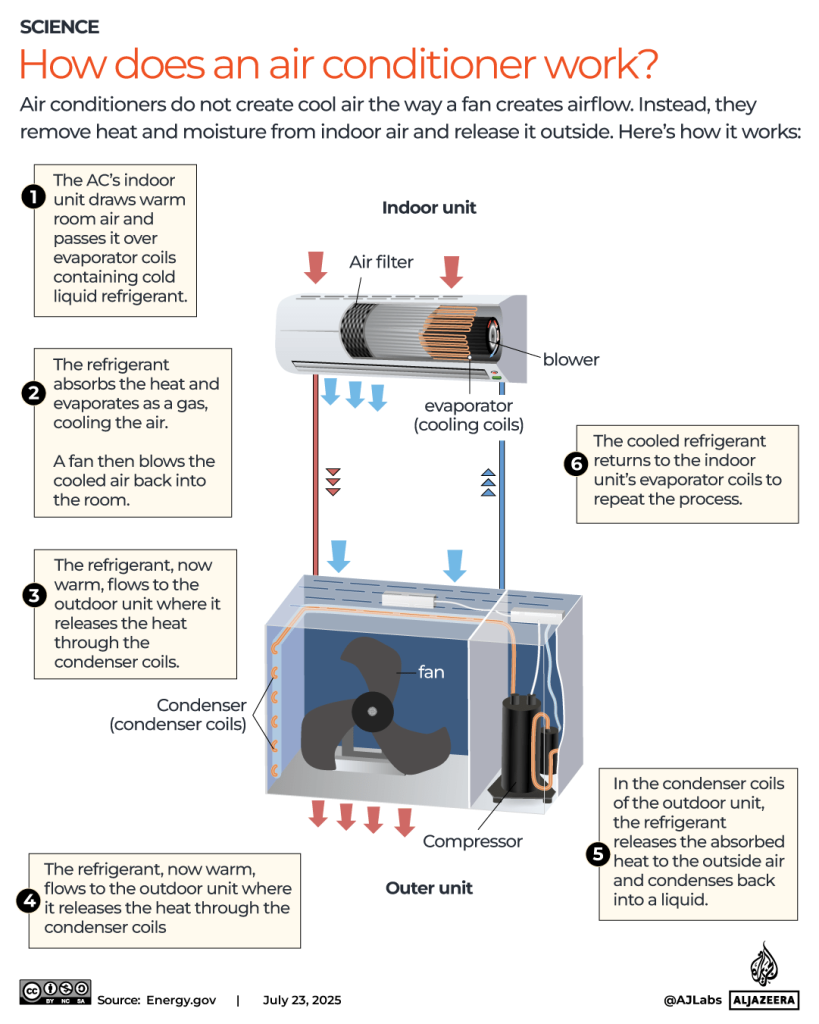
Heat transfermoves heat from one place to another. Air conditioners use this idea to cool rooms. Warm air inside your home passes over cold pipes. These pipes have a special fluid called a refrigerant. The refrigerant absorbs heatfrom the air, making the air cooler.
The refrigerant then carries the heat outside. It changes from a liquid to a gas and back again. This cycle helps to remove heat from the indoor air. The air conditioner blows the cooled air back into the room.
The role of refrigerantsis very important. They can easily change states from liquid to gas. This change helps them absorb and release heat quickly. Without refrigerants, air conditioners could not cool the air effectively.

Credit: www.reddit.com
Key Components Of Air Conditioners
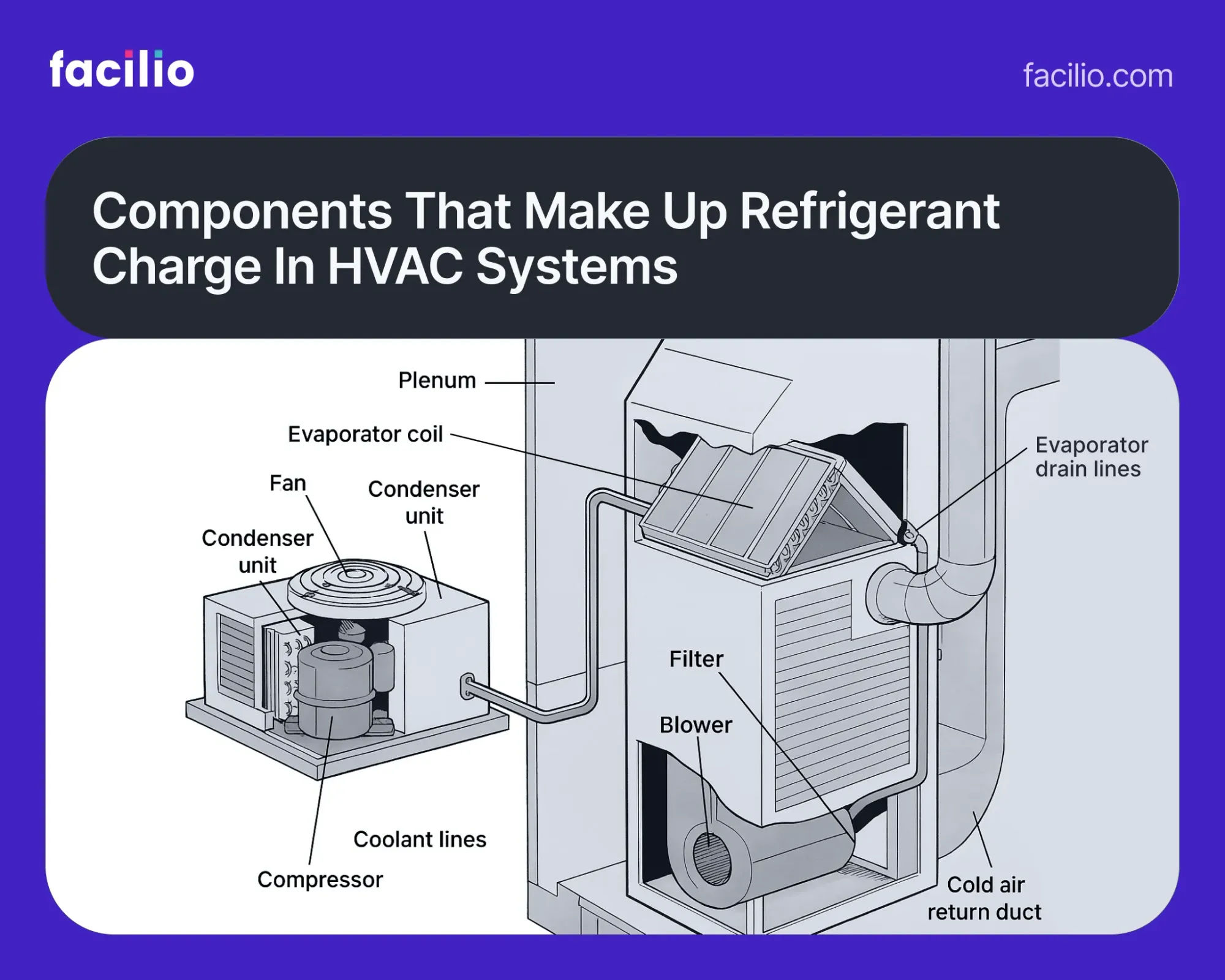
The compressorpushes refrigerant gas into the system. It raises the gas pressure, making it very hot. This hot gas moves to the condenser coil.
The condenser coilcools the hot gas. It changes the gas into a liquid by releasing heat outside. This is why you feel warm air near the outdoor unit.
The expansion valvelowers the pressure of the liquid refrigerant. This makes the refrigerant very cold. It flows into the evaporator coil next.
The evaporator coilabsorbs heat from the indoor air. The cold refrigerant inside the coil turns back into gas. This cools the air that blows into your room.
Step-by-step Cooling Process
Compression of Refrigerantraises its pressure and temperature. This hot gas moves to the outside unit.
Heat Release Outsidehappens as the hot gas passes through coils. Fans blow air to cool the gas, turning it into a liquid.
Expansion and Coolingoccur when the liquid refrigerant flows through a small valve. The pressure drops quickly, and the liquid cools down.
Heat Absorption Insideis when the cold refrigerant flows through indoor coils. Warm air from the room passes over these coils. The refrigerant absorbs heat, cooling the air.
Thermodynamics Behind Cooling
Air conditioners cool air using the phase changesof refrigerants. These special liquids absorb heat when they evaporateand release heat when they condense. Inside the AC, refrigerant changes from liquid to gas at low pressure and temperature, pulling heat from the indoor air.
The pressure and temperatureof the refrigerant are linked. When the pressure drops, the refrigerant’s temperature falls too. This makes the refrigerant cold enough to absorb heat. Then, the refrigerant is compressed, raising its pressure and temperature, so it can release heat outside.
| Pressure | Temperature | Effect on Refrigerant |
|---|---|---|
| Low | Low | Refrigerant evaporates, absorbs heat, cools air |
| High | High | Refrigerant condenses, releases heat outside |
Energy Efficiency Factors
SEER ratingsshow how efficient an air conditioner is. The higher the SEER, the less energy it uses. This means lower electricity bills and less harm to the environment. A unit with a SEER of 16 uses less energy than one with a SEER of 13. Choosing the right SEER rating helps save money and energy.
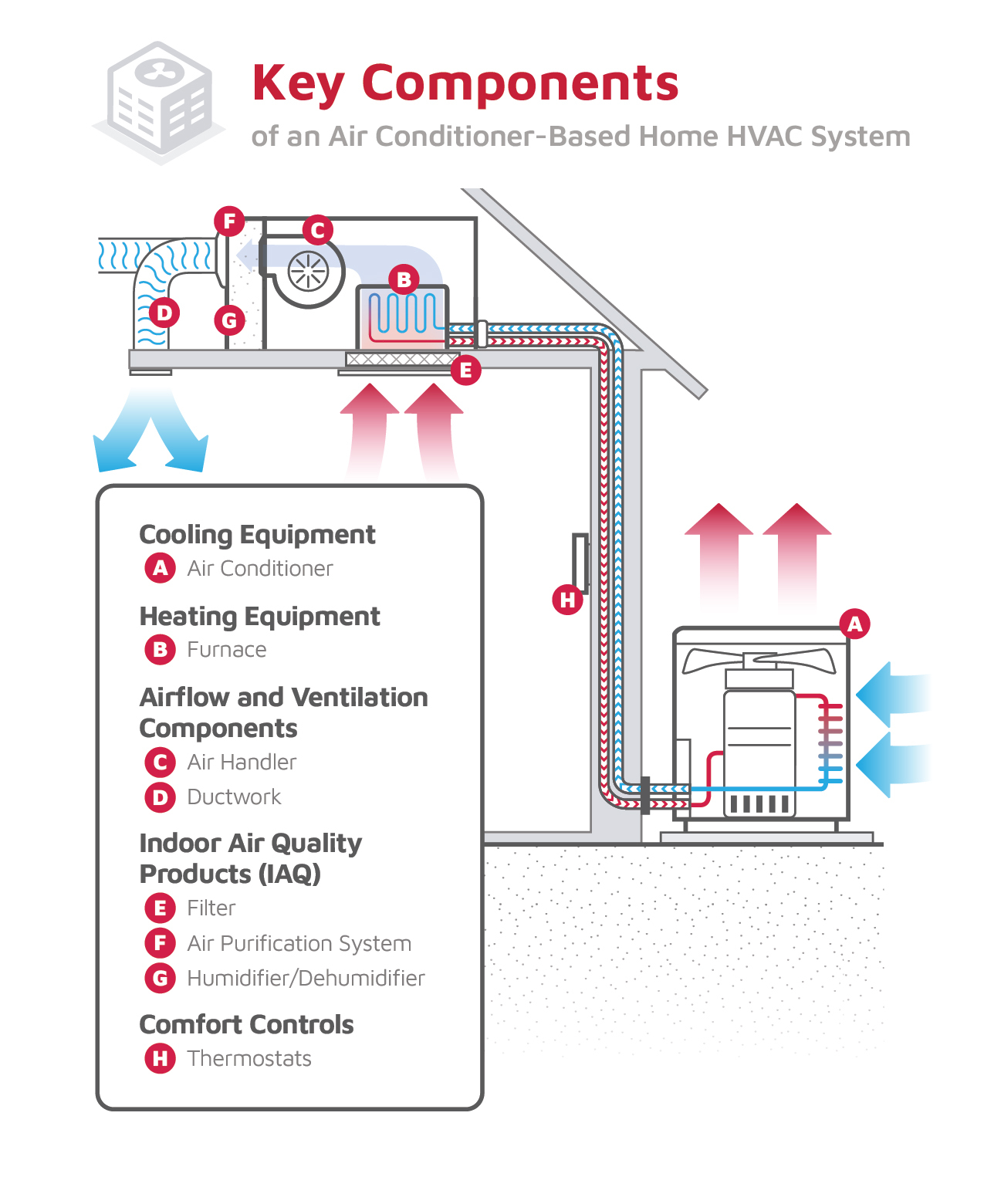
Insulationkeeps cold air inside and hot air outside. Good insulation means the air conditioner works less hard. This saves energy and keeps your home cooler. Poor insulation lets cold air escape, making the unit run more.
Regular maintenanceis key for energy efficiency. Cleaning filters and coils helps the air conditioner run smoothly. It also stops parts from breaking down early. Well-maintained units use less energy and last longer.
Credit: facilio.com
Common Misconceptions
Many people think air conditioners make cold air. Actually, they remove heatfrom inside your room. The air conditioner uses a chemical called refrigerantto absorb heat. This heat is then moved outside.
The faninside the air conditioner just moves air around. It does not make the air colder. The fan helps spread the cool air inside your room and pushes hot air outside.
| Role | Function |
|---|---|
| Fans | Move air inside the room and outside |
| Refrigeration | Absorb heat and cool the air |
Credit: www.lennox.com
Frequently Asked Questions
How Do Air Conditioners Cool The Air?
Air conditioners cool the air by using a refrigerant to absorb heat. The refrigerant circulates through coils, removing heat from indoor air. The cool air is then blown back into the room. This cycle repeats, maintaining a comfortable indoor temperature.
What Is The Role Of Refrigerant In Cooling?
Refrigerant plays a crucial role by absorbing and releasing heat. It changes from a gas to a liquid, and back, during the process. This phase change allows it to effectively absorb heat from indoor air, making the air feel cooler.
How Does An Ac Compressor Work?
The AC compressor circulates the refrigerant through the system. It compresses the refrigerant, raising its temperature and pressure. This allows the refrigerant to release absorbed heat when passing through the condenser coils outside.
Why Is Regular Ac Maintenance Important?
Regular AC maintenance ensures efficient operation and prolongs its lifespan. It involves cleaning filters, checking refrigerant levels, and inspecting components. Proper maintenance helps prevent breakdowns, improves air quality, and reduces energy consumption.
Conclusion
Air conditioners cool your home by moving heat outside. They use a special fluid called refrigerant to absorb heat from inside. The refrigerant changes from liquid to gas and back again, carrying heat away. Fans help blow the cool air indoors while pushing warm air out.
This process repeats to keep rooms comfortable. Understanding this helps you appreciate how AC units work. Now, you know the simple steps behind cold air from your air conditioner.