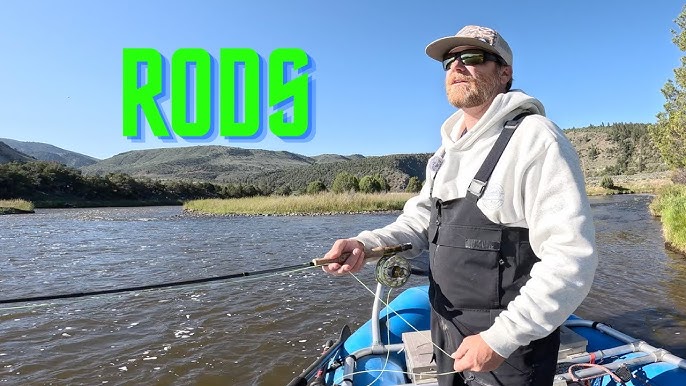
Have you ever stood in front of a fishing rod and wondered, “How long should this rod really be?” Choosing the right length can make a huge difference in your fishing experience. Whether you’re casting from the shore or out on a boat, the length of your fishing rod affects how far you can cast, how well you control your line, and even how comfortable you feel while fishing.
You’ll discover everything you need to know about fishing rod lengths so you can pick the perfect one for your next trip. Keep reading, because understanding this simple detail could be the game-changer you’ve been looking for.
Types Of Fishing Rods
Fishing rods come in many styles to suit different fishing needs. Each type offers unique features for certain fishing techniques.
Knowing the types helps you pick the right rod for your fishing trip. Here are some common fishing rods you should know about.
Spinning Rods
Spinning rods are popular for beginners and experts. They have open-faced reels and are easy to cast. These rods work well for light to medium fishing.
Casting Rods
Casting rods use baitcasting reels. They offer more control and accuracy when casting. These rods are strong and good for catching bigger fish.
- Provide better line control
- Require some practice to use well
- Usually heavier than spinning rods
- Best for heavy lures and lines
Fly Rods
Fly rods are thin and flexible. They use special lines to cast very light flies. Fly fishing often targets trout and salmon in rivers.
| Feature | Description |
|---|---|
| Length | Usually 7 to 10 feet |
| Action | Slow to medium |
| Use | Freshwater fly fishing |
| Line Type | Weighted fly line |
Telescopic Rods
Telescopic rods collapse down to a small size. They are easy to carry and store. These rods are good for travel and casual fishing.
Pros of Telescopic Rods:
- Compact and portable
- Quick to set up
- Suitable for light fishing
Factors Affecting Rod Length
Choosing the right fishing rod length depends on many things. The length affects how you cast and control the fish.
Understanding what affects rod length helps you pick the best rod for your needs.
Target Fish Species
Different fish need different rod lengths. Small fish need shorter rods for better control. Big fish need longer rods for stronger hooks.
Rod length helps match the strength and fight style of the fish species you want to catch.
Fishing Environment
The place where you fish changes the rod length you need. Tight spots need shorter rods to avoid snags.
Open waters allow longer rods that help with casting far and managing the line better.
- Short rods for fishing in dense bushes or boats
- Long rods for open rivers, lakes, or shore fishing
Casting Distance
Longer rods cast bait farther. This helps when fish stay far from shore or boat.
Short rods are better for quick, short casts and more control close to you.
- Use long rods for long-distance casting
- Use short rods for close-range fishing
Rod Action And Power
Rod action means how much the rod bends. Power means how strong the rod is. Both affect rod length choice.
Fast action rods bend less and often are shorter. Heavy power rods need longer length to handle big fish.
- Fast action rods suit short to medium lengths
- Heavy power rods work well with longer rods
- Light power rods pair with shorter rods for finesse fishing
Common Rod Lengths
Fishing rods come in many lengths to fit different fishing styles and environments. Choosing the right length helps improve casting distance and control.
This guide explains the common rod lengths and their typical uses for short, medium, and long rods.
Short Rods
Short rods usually range from 4 to 6 feet. They offer great control and are easy to use in tight spots like small streams or crowded areas.
- Best for fishing in small rivers and ponds
- Good for precise casting
- Easier to handle for beginners
Medium Length Rods
Medium rods measure between 6 and 8 feet. They are versatile and work well for many types of fishing, from freshwater to light saltwater.
| Rod Length | Ideal Use |
| 6 feet | Stream fishing, small lakes |
| 7 feet | General freshwater fishing |
| 8 feet | Light saltwater and larger lakes |
Long Rods
Long rods are usually 8 feet or longer. They help cast farther and are useful in open water or surf fishing.
Here are some benefits of long rods:
- Cast long distances
- Handle bigger fish
- Reach difficult spots on shorelines

Credit: www.aliexpress.com
Choosing Rod Length By Fishing Style
Fishing rods come in many lengths. The right length helps you catch fish easier.
Each fishing style needs a different rod length. Pick the one that fits your fishing type.
Freshwater Fishing
Freshwater fishing uses rods from 6 to 8 feet long. Shorter rods work well in small ponds.
Longer rods help cast far in lakes and rivers. They give better control with bigger fish.
- 6 to 7 feet for small ponds and streams
- 7 to 8 feet for lakes and bigger rivers
- Longer rods help with longer casts and control
Saltwater Fishing
Saltwater rods are usually longer than freshwater rods. They range from 7 to 12 feet.
Long rods help cast heavy baits and fight big ocean fish. Short rods work well on boats.
- 7 to 9 feet for boat fishing and close casting
- 9 to 12 feet for surf fishing and long casts
- Long rods handle bigger fish and rough water
Fly Fishing
Fly fishing rods are longer, usually 8 to 10 feet. They help cast light flies far.
Long rods give better line control and accuracy. Short rods work in tight spaces.
- 8 to 9 feet for most rivers and streams
- 9 to 10 feet for big rivers and lakes
- Short rods for small streams and easy casting
Ice Fishing
Ice fishing rods are short, usually 2 to 4 feet. They fit well in small ice holes.
Short rods give better control in cold weather. They help feel bites quickly.
- 2 to 3 feet for small panfish and trout
- 3 to 4 feet for bigger fish under thick ice
- Short length helps with tight spaces on ice
Advantages Of Different Lengths
Fishing rods come in many lengths. Each length has its own benefits. Choosing the right length helps improve your fishing experience.
This guide explains how rod length affects maneuverability, casting accuracy, casting distance, and fish fighting power.
Maneuverability
Shorter rods give better control in tight spots. They are easier to handle around rocks and trees. Long rods can be hard to move quickly.
- Short rods are good for fishing in small streams.
- Long rods are better for open water.
- Medium rods offer a balance of control and reach.
Casting Accuracy
Short rods allow more precise casts. Anglers can place the bait exactly where they want. Longer rods may be less accurate but can cover more area.
Casting Distance
| Rod Length | Typical Casting Distance | Best Use |
|---|---|---|
| Short (5-6 feet) | Up to 30 feet | Close-range fishing, small spaces |
| Medium (7-8 feet) | 30-60 feet | General fishing, lakes, rivers |
| Long (9+ feet) | 60+ feet | Open water, surf fishing |
Fish Fighting Power
Longer rods give more leverage when fighting big fish. They help absorb the fish’s pull. Short rods give less power but offer quick response.
Here is a quick summary of how rod length affects fish fighting power:
- Short rods:Best for small fish and fast action.
- Medium rods:Good for a variety of fish sizes.
- Long rods:Ideal for large fish and long battles.

Credit: chinafishingrod.en.made-in-china.com
How To Measure Your Fishing Rod
Knowing the length of your fishing rod helps you choose the right gear. Measuring is simple and only takes a few minutes.
This guide explains how to measure your fishing rod correctly. It covers the full length, sections, and portable rods.
Measuring From Handle To Tip
Measure your fishing rod from the end of the handle to the very tip. Use a tape measure or ruler for accuracy.
Place the tape at the bottom of the handle and stretch it along the rod to the tip. This gives the total rod length.
Considering Rod Sections
Some rods come in multiple sections that fit together. Measure each part separately before assembling.
Add the lengths of all sections to get the full rod length. This method helps if you only have sections on hand.
- Measure each rod piece from base to tip
- Sum all measurements for total length
- Check that sections fit tightly when joined
Portable Rod Lengths
Portable rods fold or collapse for easy travel. Measure the rod when fully extended to find its true length.
Folded length shows how small the rod becomes for transport. Both lengths are useful for different reasons.
| Rod State | What to Measure |
|---|---|
| Fully Extended | Full length from handle to tip |
| Folded or Collapsed | Length for storage or transport |
Tips For Selecting The Perfect Rod Length
Choosing the right fishing rod length can improve your fishing experience. The rod length affects casting distance, control, and comfort.
It is important to match the rod length with your fishing style and the type of fish you want to catch.
Matching Rod To Reel
The rod length must work well with the reel size and type. A big reel fits better with a longer rod, while a small reel suits a shorter rod.
- A longer rod usually pairs with a baitcasting or spinning reel.
- A shorter rod works best with a spinning reel for light lures.
- Ensure the reel seat on the rod fits your reel securely.
- The balance between rod and reel improves casting and reduces fatigue.
Balancing Rod Length And Power
Rod length affects how much power you have in your cast and fight with fish. Longer rods cast farther but need more strength to control.
| Rod Length | Power | Best Use |
|---|---|---|
| 6 feet or less | Light to Medium | Small fish, close casting |
| 6 to 7 feet | Medium | Versatile, many fishing types |
| 7 feet or more | Medium to Heavy | Large fish, long casting |
Personal Comfort And Handling
Your comfort is key when picking rod length. The rod should feel balanced and easy to hold for hours.
Consider these points for comfort:
- Choose a length that fits your height and arm reach.
- Try holding the rod to check weight and balance.
- Think about the fishing spots and how much casting space you have.
- Shorter rods are easier to handle in tight spaces.

Credit: fishingbooker.com
Frequently Asked Questions
What Is The Average Length Of A Fishing Rod?
Fishing rods typically range from 6 to 12 feet in length. The average fishing rod is about 7 feet long. Longer rods provide greater casting distance, while shorter rods offer better precision. Choosing the right length depends on the fishing technique and target species.
Why Are Fishing Rods Different Lengths?
Fishing rods vary in length to suit different fishing techniques and environments. Longer rods offer increased casting distance and leverage. Shorter rods provide better control and precision. Anglers choose rod lengths based on their specific fishing needs and preferences.
How Does Rod Length Affect Casting Distance?
Longer fishing rods generally enable greater casting distances. They allow for a wider arc during the casting motion. This increased motion helps propel the lure further. However, longer rods might be less accurate in tight spaces or when precision is required.
Can You Use A Short Rod For Surf Fishing?
Short rods aren’t ideal for surf fishing due to limited casting distance. Surf fishing typically requires rods around 10 to 12 feet long. Longer rods help cast beyond breaking waves, reaching deeper waters. They also provide better control over fish in strong currents.
Conclusion
Choosing the right fishing rod length matters a lot. Short rods suit small spaces and precise casts. Longer rods help cast farther and reach tricky spots. Think about where you will fish most often. Your comfort and fishing style guide your choice.
Remember, no single length fits all situations. Try different rods to find what feels best. Enjoy your time fishing with the rod that fits you well. Simple steps lead to better fishing experiences every time.