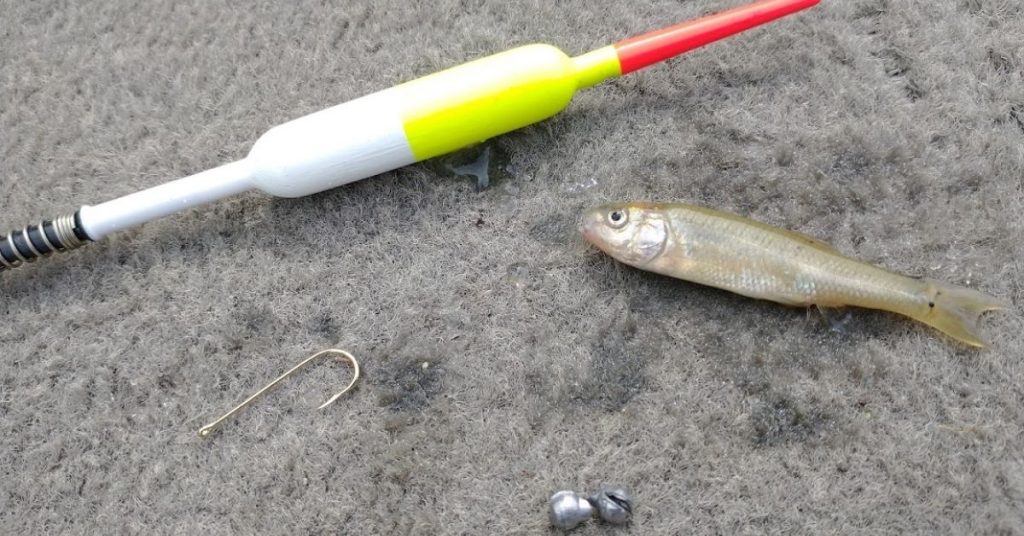
Are you ready to make your fishing experience more successful and enjoyable? Learning how to attach a bobber to your fishing line is a simple skill that can change the way you fish.
A properly attached bobber helps you spot bites quickly and keeps your bait at the perfect depth. In this guide, you’ll discover easy, step-by-step instructions that anyone can follow. Whether you’re a beginner or just need a quick refresher, you’ll be casting like a pro in no time.
Keep reading to master this essential fishing trick and catch more fish on your next trip!
Credit: www.theoutdoorsquest.com
Choosing The Right Bobber
Using the correct bobber helps catch fish more easily. Bobbers keep your bait at the right depth. They also show when a fish bites.
Selecting the right bobber depends on the fishing spot and the type of fish you want. This guide covers types and sizes of bobbers.
Types Of Bobbers
There are many kinds of bobbers. Each one works best in different fishing conditions. Knowing the types helps you pick the best one.
- Round Bobbers:These are classic and easy to use. They float well on the water surface.
- Slip Bobbers:These slide on the line. They let you fish at different depths.
- Pencil Bobbers:Thin and sensitive. Good for calm water and small fish.
- Bubble Bobbers:Clear and can be filled with water. They float well and help in windy conditions.
Selecting Size And Weight
Bobber size and weight affect how your bait moves. The right size helps your bait stay at the right depth and float properly.
| Bobber Size | Weight Range | Best Use |
| Small (1/16 to 1/8 oz) | Light lines and small baits | Calm water, small fish |
| Medium (1/4 to 3/8 oz) | Moderate lines and baits | Most freshwater fishing |
| Large (1/2 oz and above) | Heavy lines and big baits | Rough water, strong currents |
Preparing Your Fishing Line
Before attaching a bobber, you need to prepare your fishing line. A well-prepared line helps you fish better.
Preparing the line includes checking its strength and clearing any knots. These steps make your fishing smooth.
Checking Line Strength
Check your fishing line for any weak spots. Weak lines can break easily and cause you to lose fish.
Look for frays, cuts, or thin areas on the line. Replace the line if you find damage or it feels weak.
- Pull the line gently to test strength
- Look closely for any damage
- Replace the line if it looks worn out
Clearing Line Knots
Knots can weaken your line and make it hard to attach the bobber. Remove any knots before you start.
Use your fingers to untangle knots slowly. If needed, cut the line and tie a new end to keep it strong.
- Find knots on the line
- Gently untangle with fingers
- Cut and re-tie if knots don’t come out
Attaching A Slip Bobber
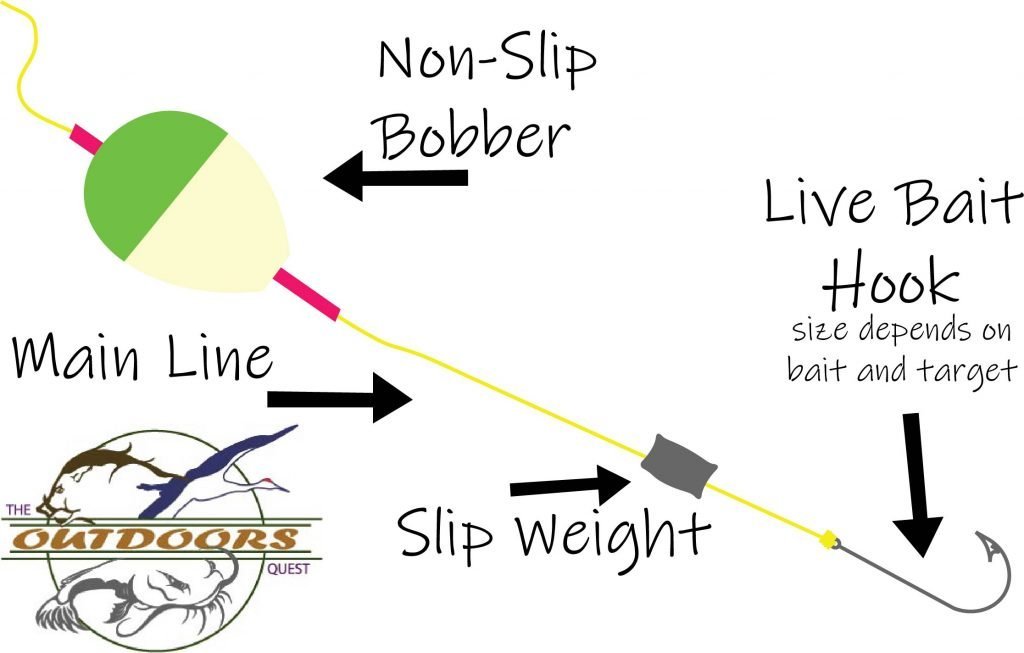
A slip bobber helps you control the depth of your bait. It slides freely on the fishing line. This guide shows you how to attach it correctly.
Follow these steps to set up your slip bobber for better fishing results. Each part has a simple role in the setup.
Threading The Bobber Stop
Start by threading the bobber stop onto your fishing line. The bobber stop holds the slip bobber in place at the right depth.
- Cut a small piece of the bobber stop material if needed.
- Slide the bobber stop onto the fishing line.
- Pinch the stop to secure it when you set the depth later.
Sliding The Bobber
Next, slide the slip bobber onto the line. It should move freely between the bobber stop and your hook.
Push the bobber up the line until it stops at the bobber stop. This controls how deep your bait will go.
Adding The Bead And Bobber Stop
Place a small plastic bead on the line after the bobber. The bead protects the knot from the bobber stop.
| Component | Purpose |
|---|---|
| Bobber Stop | Keeps the slip bobber at the set depth |
| Slip Bobber | Slides on the line for depth control |
| Plastic Bead | Protects the knot from damage |

Credit: www.amazon.com
Attaching A Fixed Bobber
Using a fixed bobber helps keep your bait at a set depth. It is easy to attach and works well in many fishing spots.
This guide shows how to attach a fixed bobber to your fishing line. Follow these simple steps to get started.
Pinching The Bobber Clip
Start by holding the bobber clip gently with your fingers. The clip is a small metal piece on the bobber.
Pinch the clip to open it slightly. This allows the fishing line to slide between the clip and the bobber.
- Use your thumb and index finger to pinch the clip.
- Do not squeeze too hard to avoid bending the clip.
- Make sure the clip opens just enough for the line.
Securing The Bobber On The Line
Slide the fishing line between the clip and the bobber carefully. Position the bobber where you want it on the line.
Release the clip gently to hold the line in place. Check that the bobber does not move freely up or down the line.
- Place the bobber at the depth you want your bait to float.
- Ensure the clip grips the line firmly but does not damage it.
- Test by pulling the line lightly to see if the bobber stays put.
Adjusting Bobber Depth
Setting the right depth for your bobber helps catch more fish. It lets your bait stay where the fish swim.
Knowing how to adjust the bobber depth is key for a good fishing experience. This guide covers two main tips.
Estimating Fish Depth
Fish swim at different depths depending on the season and time of day. You can guess their depth by watching the water or asking local anglers.
- Look for bubbles or ripples where fish are active.
- Check water temperature to guess where fish might be.
- Use a fishing depth chart for your area if available.
- Ask other anglers about recent catches and depths.
Setting The Bobber Position
Move the bobber up or down the line to match the fish depth you estimated. The bobber shows when a fish bites by moving or dipping.
| Bobber Position | Effect |
| Too Shallow | Bait stays near surface, may miss deep fish |
| Correct Depth | Bait stays where fish swim, better chance to catch |
| Too Deep | Bait sinks below fish, less chance of bites |

Credit: www.ebay.com
Testing The Setup
After attaching the bobber to your fishing line, it is important to test the setup. Testing ensures your bobber works well with your bait and line. This helps you fish better and avoid problems.
Testing includes checking if the bobber floats right and practicing your casting. Both steps make your fishing experience smoother and more fun.
Float Balance Check
Check if the bobber floats properly in the water. The bobber should stand upright with part of it above the surface. If it sinks too low or tips over, adjust the weight or position.
Try these tips for a good float balance:
- Move the bobber up or down on the line to find the right depth
- Add small weights if the bobber sinks too much
- Remove weights if the bobber sits too high
- Make sure the bait hangs below the bobber without pulling it down
Casting Practice Tips
Practice casting to see how the bobber and line work together. Smooth casting helps keep the bobber in the right place. It also stops tangles and keeps the bait in the water.
Try these casting tips:
- Hold the rod firmly but not too tight
- Use a gentle, steady motion to cast
- Watch the bobber land softly on the water
- Adjust your casting power if the bobber flies too far or too short
- Practice in open space before fishing in crowded areas
Frequently Asked Questions
How Do You Attach A Bobber To A Fishing Line?
To attach a bobber, thread your line through the bobber’s top loop. Slide it down to the desired depth. Secure by winding the line around the bobber’s bottom slot. This setup allows your bait to suspend at a set depth, improving your chances of catching fish.
What Is The Purpose Of A Fishing Bobber?
A fishing bobber keeps your bait suspended in the water. It signals bites by bobbing or moving. This makes it easier to detect fish activity. Bobbers also help control the bait’s depth, making it effective for targeting specific fish species.
Can You Use A Bobber With Any Fishing Line?
Yes, bobbers can be used with most fishing lines. Whether using monofilament, fluorocarbon, or braided lines, bobbers work effectively. Just ensure the bobber’s size matches your fishing conditions. Choosing the right bobber helps in maintaining the line’s buoyancy and sensitivity.
How Do You Choose The Right Bobber Size?
Choosing the right bobber size depends on fishing conditions and target species. Larger bobbers are suitable for rough waters. Smaller bobbers are ideal for calm waters and lightweight baits. Always ensure the bobber can support your bait without sinking.
Conclusion
Attaching a bobber to your fishing line is simple and quick. A properly tied bobber helps you see bites clearly. Practice the steps a few times to get better. This small skill can make fishing more fun and effective. Keep your line tight and check the bobber often.
Soon, you will enjoy watching it float and dip in the water. Happy fishing!