Have you ever wondered if a spare tire will fit any car? If you’re like most drivers, the idea of having a flat tire can be stressful.
You want to be sure that your spare will work when you need it most. But not all spare tires are created equal, and using the wrong one could leave you stranded or cause damage. You’ll discover what really matters when it comes to spare tires.
By the end, you’ll know exactly how to choose the right spare for your vehicle and avoid costly mistakes. Keep reading—your next roadside emergency might depend on it.
Types Of Spare Tires
Spare tires come in different types to fit various cars and needs. Knowing the types helps you pick the right one.
Not all spare tires fit every car. Each type serves a specific purpose and size.
Full-size Spares
Full-size spares are the same size as your regular tires. They provide full performance and safety.
These spares can drive long distances and last like normal tires. They fit cars that have room for a large tire.
- Same size and tread as regular tires
- Can drive long distances
- Offers full safety and performance
- Takes more space in the car
Compact Spares
Compact spares are smaller than regular tires. They save space and weight in the car.
These tires are for short use only. They help you reach a repair shop but should not be used for long drives.
- Smaller and lighter than full-size tires
- Use only for short distances
- Saves trunk space
- Less grip and speed limits apply
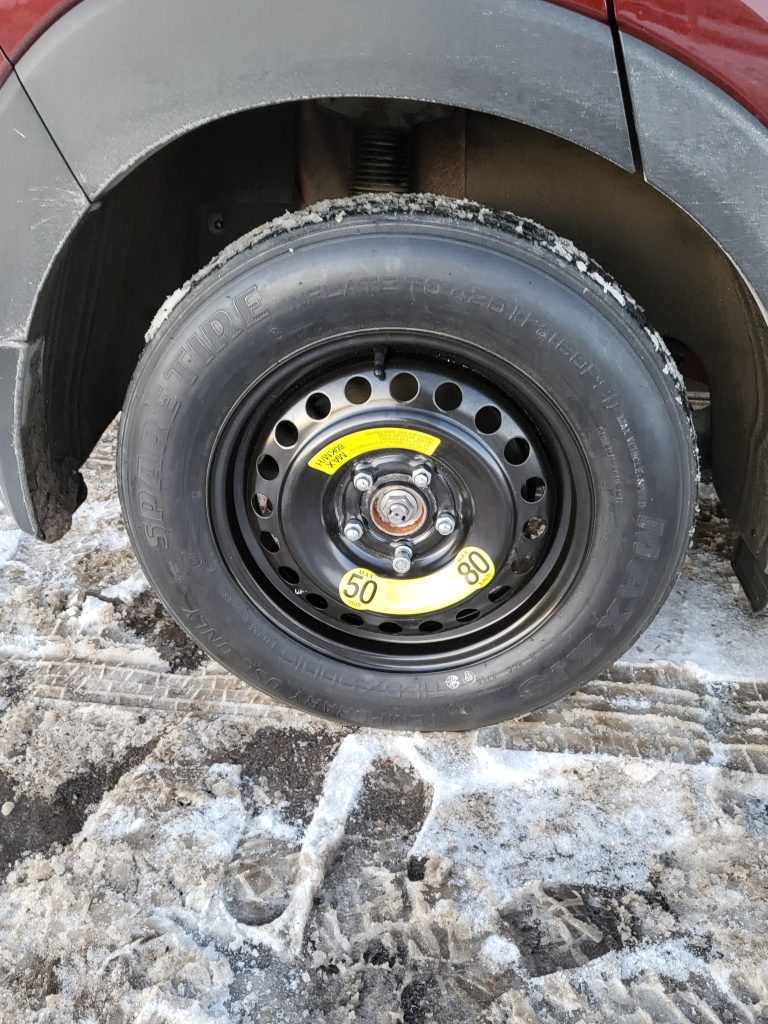
Temporary Spares
Temporary spares are very small tires. They are also called “donuts” because of their shape.
They fit most cars but only for short trips. These spares let you drive slowly to get help or fix the flat tire.
- Very small and light
- Limited speed and distance
- Fits many car models
- Used only in emergencies

Credit: www.carsales.com.au
Factors Affecting Spare Tire Fit
Not every spare tire fits every car. Several factors decide if a spare tire matches your vehicle. Knowing these helps you pick the right spare.
Spare tires vary in size, shape, and strength. You must check these details before using a spare tire.
Tire Size And Dimensions
Tire size is the most important factor for fit. It includes width, height, and diameter. A wrong size can cause handling problems.
Spare tires are often smaller than regular tires to save space. This means they may not fit well on all cars.
- Check the diameter matches your car’s wheel size
- Width should be close to your regular tires
- Sidewall height affects tire diameter and fit
Wheel Bolt Pattern
The wheel bolt pattern is the number of bolts and their spacing on the wheel. It must match the car’s hub for the spare to fit.
Using a spare with the wrong bolt pattern can be dangerous. The wheel may not attach securely to the car.
- Count the number of bolt holes on the spare
- Measure the distance between bolt holes
- Compare with your car’s bolt pattern
Wheel Offset And Backspacing
Wheel offset is the distance from the hub mounting surface to the wheel center. Backspacing is the distance from the hub to the back edge of the wheel.
If the offset or backspacing is wrong, the tire may rub against the car or not fit inside the wheel well.
- Positive offset means the hub is toward the front of the wheel
- Negative offset means the hub is toward the back
- Match offset and backspacing to your car’s specifications
Load Capacity
Load capacity is how much weight the tire can safely carry. Your spare tire must handle the weight of your car.
Using a tire with low load capacity can cause tire failure and unsafe driving.
- Check the load index on the tire sidewall
- Match or exceed your car’s weight requirements
- Consider weight of passengers and cargo
Compatibility With Different Vehicles
Spare tires come in different sizes and types. Not every spare tire fits every car. It depends on the vehicle’s design and tire size.
Knowing if a spare tire fits your vehicle is important. It helps you avoid problems during emergencies.
Sedans And Compact Cars
Sedans and compact cars usually have smaller spare tires. These spares are often called “donuts.” They are light and easy to store.
Spare tires for these cars must match the rim size. They also need to fit in the trunk or under the car.
- Smaller rim size (usually 14-16 inches)
- Temporary use only
- Limited speed and distance
Suvs And Trucks
SUVs and trucks have larger tires than sedans. Their spare tires are bigger and heavier. They often use full-size spares.
Full-size spares fit the same size and type as the main tires. This makes them more reliable for long drives.
- Usually full-size or near full-size spares
- Match tire type (all-terrain, mud-terrain)
- Must fit larger wheel wells or mounts
Electric Vehicles
Electric vehicles (EVs) may have unique spare tire needs. Their tires can be low rolling resistance types to save energy.
Many EVs use compact spares or repair kits to save space and weight. Always check the owner’s manual for compatibility.
- Low rolling resistance tires
- Compact spares or tire repair kits common
- Check manufacturer recommendations

Credit: www.reddit.com
Risks Of Using The Wrong Spare Tire
Using a spare tire that does not fit your car can cause many problems. It may seem like a quick fix, but it can be dangerous.
Choosing the wrong spare tire affects how your car handles, damages parts, and may cause legal issues. You should know these risks before using any spare tire.
Handling And Safety Issues
The wrong spare tire changes how your car drives. It can make steering harder and reduce control on the road. This is risky, especially in bad weather or fast traffic.
Braking distance may increase because the tire does not grip the road properly. This can lead to accidents and injuries.
- Uneven tire size affects car balance
- Steering becomes less responsive
- Braking takes longer and feels different
- Increased risk of losing control
Damage To Vehicle Components
Using the wrong spare tire can harm your car parts. The suspension and brakes may wear out faster. This happens because the tire size and weight do not match the original ones.
The drivetrain can also get damaged. This is true for cars with all-wheel drive or four-wheel drive systems. Mismatched tires cause stress on these parts and lead to costly repairs.
- Suspension parts wear unevenly
- Brake performance drops
- Drivetrain parts may fail
- Tire wear becomes uneven and quick
Legal And Warranty Concerns
Using the wrong spare tire might break laws in some places. There are rules about tire size and condition. Failing to follow these rules can result in fines.
Your car warranty can also be voided if damage happens from a wrong tire. Manufacturers want you to use tires that match their specifications to keep the warranty valid.
- Legal fines for unsafe tire use
- Possible insurance issues after accidents
- Car warranty may become invalid
- Manufacturers require correct tire use
How To Choose The Right Spare Tire
Choosing the right spare tire is important for your safety. Not all spare tires fit every car. You need to find one that matches your vehicle.
A wrong spare tire can cause problems while driving. Use simple steps to pick the correct spare tire for your car.
Checking Vehicle Manual
Your vehicle manual has the best information about spare tires. It tells you the right size and type for your car.
Look for the section about tires or spare tires. Follow the guidelines to avoid buying the wrong spare tire.
- Find recommended tire size and pressure
- Check if a temporary or full-size spare is needed
- Follow any special instructions for your car model
Consulting Tire Professionals
Tire experts can help you pick the right spare tire. They know which tires fit different cars and models.
Visit a tire shop or call a professional. Tell them your car make, model, and year to get the best advice.
- Ask about tire sizes that fit your car
- Get advice on spare tire types and brands
- Learn how to install and maintain your spare tire
Considering Tire Age And Condition
Spare tires must be in good condition to work well. Check the tire’s age before using it on your car.
Old or damaged tires can be unsafe. Look for cracks, dry rot, or worn tread before choosing a spare.
- Check the tire manufacturing date on the sidewall
- Avoid tires older than six years
- Inspect for any visible damage or wear
- Replace old or damaged spares immediately

Credit: www.reddit.com
Maintaining Your Spare Tire
Spare tires are important for emergencies. Keeping them ready helps you avoid trouble on the road.
Regular care of your spare tire makes sure it works when you need it most.
Regular Pressure Checks
Check your spare tire’s air pressure every month. A flat spare tire is useless in an emergency.
Use a reliable tire pressure gauge and keep it at the pressure shown on the tire label.
- Check pressure when the tire is cold
- Inflate to the recommended PSI
- Inspect for cracks or damage
Proper Storage Tips
Store your spare tire in a clean, dry place inside your vehicle. Avoid direct sunlight and moisture.
Keep the tire covered to protect it from dust and dirt. This prevents rubber from cracking.
- Keep the tire away from heat sources
- Use a tire cover if possible
- Secure the tire to prevent movement
Replacement Frequency
Replace your spare tire every six years or as advised by the manufacturer. Old tires can fail even if unused.
Check the tire for signs of wear or dry rot before use. Replace it immediately if damaged.
- Note the manufacture date on the tire sidewall
- Replace tires older than six years
- Inspect spare tire before long trips
Frequently Asked Questions
Can Any Spare Tire Fit Any Car?
No, not all spare tires fit every car. Spare tires vary in size and design. Always check your car’s manual for the correct specifications. Using a mismatched spare can affect handling and safety. It’s crucial to ensure compatibility for a safe driving experience.
What Size Spare Tire Do I Need?
The size of your spare tire should match the specifications in your vehicle’s manual. Different cars require different sizes. Check the sidewall of your current tires for size information. Using the correct size ensures safety and optimal performance.
Is It Safe To Drive With Any Spare Tire?
Driving with the wrong spare tire can be unsafe. Spare tires are designed for temporary use. They may not match your car’s specifications. Always use a compatible spare to maintain safety. Check your manual for guidance.
How Long Can You Drive On A Spare Tire?
Typically, you should not drive more than 50 to 70 miles on a spare. Spare tires are not meant for long distances or high speeds. They are temporary solutions until a full repair is done. Always replace it with the correct tire as soon as possible.
Conclusion
A spare tire does not fit every car. Different cars need different tire sizes and types. Always check your car’s manual before using a spare. Using the wrong tire can cause safety problems. A proper spare helps you drive safely to a repair shop.
Keep your spare tire in good shape and ready to use. Knowing these facts can save you time and trouble on the road. Stay safe and prepared with the right spare tire.