Are you wondering what the best temperature is for your air conditioner? Setting the right temperature can save you money, keep you comfortable, and even help the environment.
But with so many opinions out there, how do you know what works best for you? You’ll discover the ideal temperature to set your AC for maximum comfort and efficiency. Keep reading, and you’ll learn simple tips that make a big difference in your home’s cooling and your energy bills.
Ideal Temperature Settings
The best temperaturefor an air conditioner depends on comfort and energy use. Setting it too low wastes power. Too high, it feels hot inside.
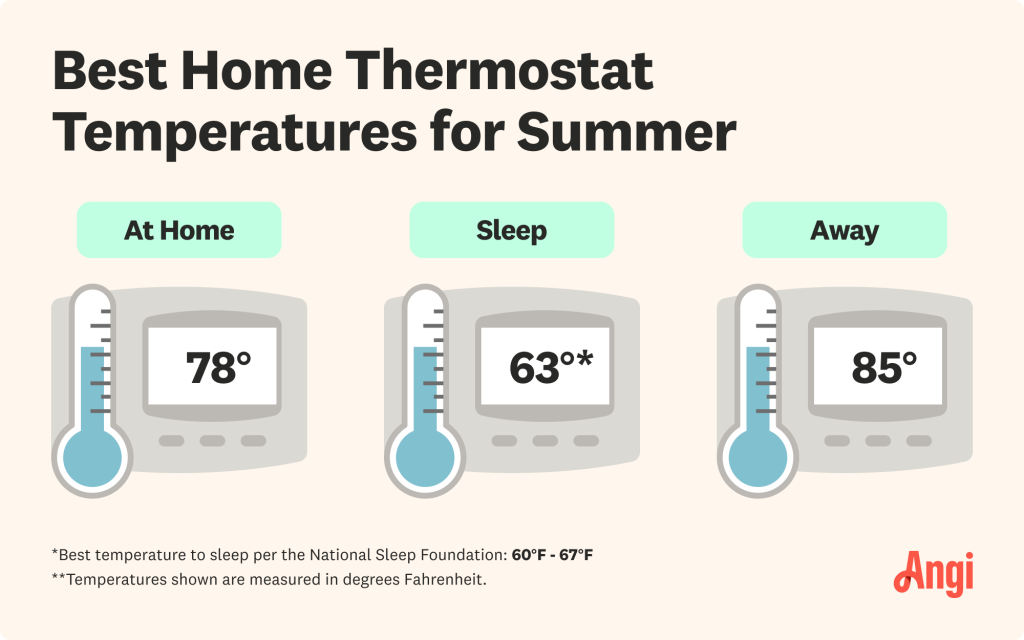
For comfort, keep the temperature between 72°F and 78°F. This range works well in most homes. It balances cool air and saves energy.
During summer, a cooler setting near 72°F feels nice but uses more energy. Raising it to 78°F saves money and still feels okay.
In winteror cooler months, set the AC warmer or turn it off to save energy. Adjust based on your home’s needs.
- Recommended range:72°F – 78°F
- Energy saving tip:Use 78°F when not home
- Seasonal change:Adjust settings by season
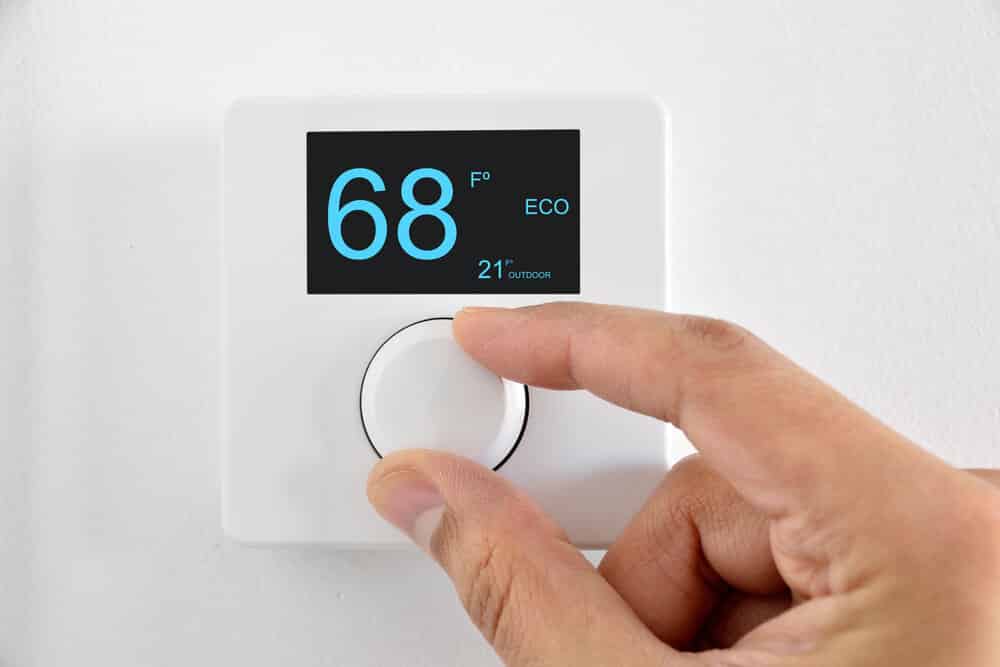
Credit: fischerheating.com
Factors Influencing Temperature Choice
The size of the roomaffects how cool it feels. Big rooms need a lower temperature to stay cool. Good insulationkeeps cool air inside and heat outside. Poor insulation means the air conditioner works harder.
Humidity levelschange how comfortable a room feels. High humidity makes the air feel warmer. Lowering the temperature helps reduce the stickiness. Dry air feels cooler even at a higher temperature.
Occupant preferencesmatter a lot. Some like it cooler, some warmer. Adjust the temperature for everyone’s comfort. Setting the air conditioner too cold wastes energy and may cause chills.
Temperature And Energy Consumption
Setting the air conditioner to around 78°F (25-26°C)can save energy and keep rooms comfortable. Lower temperatures make the unit work harder and use more electricity. This leads to higher bills.
Smart thermostats learn your schedule. They adjust temperature to save energy when no one is home. This can reduce electricity billswithout losing comfort.
- Use a timer to turn AC off at night or when away.
- Close curtains to block heat from sunlight.
- Keep doors and windows closed while AC runs.
- Clean or replace filters regularly for better efficiency.
- Use fans to circulate air and feel cooler.

Credit: blossomaircon.com
Health And Comfort Considerations
Overcoolingcan cause discomfort and health issues. Setting the air conditioner too low may lead to chills and dry skin. It can also cause headaches or stiffness. Keep the temperature moderate to avoid these problems. A good range is usually between 24°C to 26°C (75°F to 78°F). This keeps you cool without stressing the body.
Good air qualityis important for health. Proper ventilationhelps remove stale air and brings fresh air inside. This reduces the chance of breathing problems. Clean or replace AC filters regularly to keep air fresh. Poor air quality can worsen allergies and asthma.
- Use air purifiers if allergies are common.
- Keep rooms dry to prevent mold growth.
- Avoid strong perfumes or sprays that irritate lungs.
- Open windows sometimes for fresh air, if safe.
Advanced Cooling Technologies
Inverter air conditionerssave energy by adjusting speed. They keep the room cool without turning off often. This makes them quieterand more efficientthan traditional ACs.
Zoning systemslet you cool different rooms separately. This saves energy by not cooling unused spaces. You can set different temperaturesfor each zone.
Smart home devices connect to ACs for easy control. You can use apps, voice commands,or schedules. This helps keep your home cool just how you like it.

Credit: www.healthkart.com
Common Mistakes To Avoid
Setting too low temperatureswastes energy and raises bills. It can also strain your air conditioner. Choose a temperature that feels cool but saves power. Around 24-26°C (75-78°F) works best for comfort and efficiency.
Ignoring maintenancecauses poor air flow and less cooling. Clean or replace filters often. Check coils and vents for dust. Regular care keeps your AC working well and lasts longer.
Blocking airflowstops cool air from moving freely. Avoid placing furniture or curtains near vents. Make sure windows and doors are closed. Good airflow helps the room cool evenly and faster.
Frequently Asked Questions
What Is The Ideal Ac Temperature In Summer?
The ideal AC temperature in summer is typically between 24°C to 26°C (75°F to 78°F). This range ensures comfort while saving energy. Maintaining this temperature can prevent the air conditioner from overworking, thus extending its lifespan. It also helps in reducing electricity bills, making it a cost-effective choice.
How Does Ac Temperature Affect Energy Bills?
Setting your AC to a higher temperature can significantly reduce energy bills. Every degree you raise the thermostat saves around 3% on cooling costs. Keeping it between 24°C to 26°C balances comfort and efficiency. This approach not only lowers expenses but also minimizes the environmental impact.
Does Ac Temperature Affect Indoor Humidity?
Yes, AC temperature affects indoor humidity levels. Lower temperatures can reduce humidity, making the environment feel cooler. Maintaining a temperature around 24°C to 26°C helps balance comfort and moisture levels. This balance prevents issues like mold growth and maintains air quality, ensuring a healthier indoor space.
What Temperature Should I Set My Ac At Night?
Set your AC to around 24°C (75°F) at night for optimal comfort. This temperature helps in maintaining a restful sleep environment while saving energy. Cooler temperatures might disrupt sleep, and higher settings can lead to discomfort. This balance ensures both energy efficiency and a good night’s rest.
Conclusion
Setting the right air conditioner temperature saves energy and money. Aim for a balance between comfort and efficiency. Around 78°F works well for most people in summer. Adjust slightly if you feel too hot or cold. Remember to use fans to help cool rooms faster.
Regular maintenance keeps your AC running smoothly. Small changes make a big difference in your home’s comfort. Keep these tips in mind to enjoy cool air without high bills. Simple habits help you stay comfortable all season long.