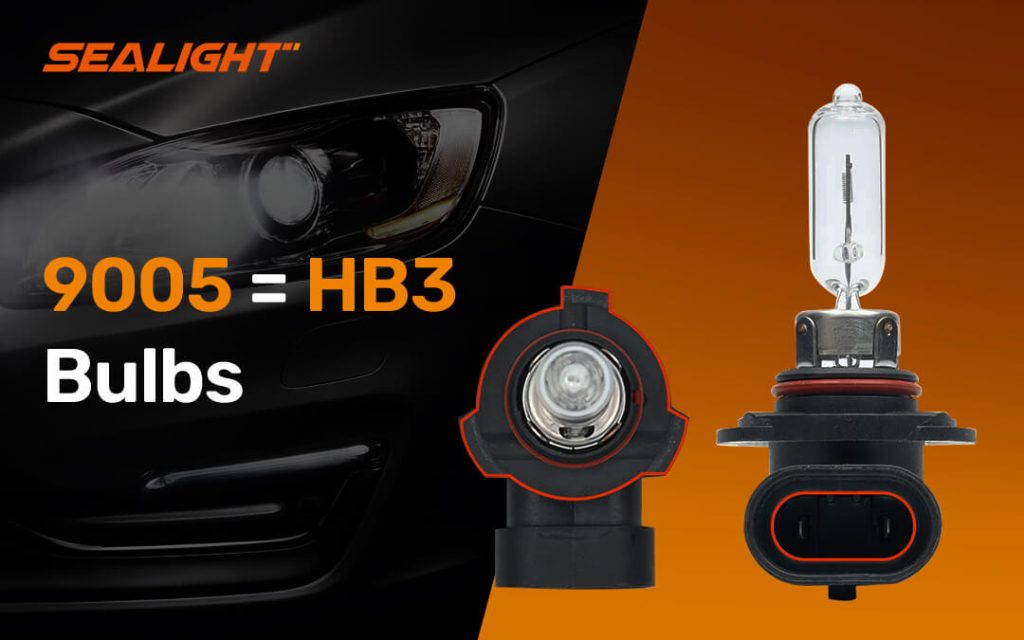
Are you unsure about what bulb you need for your car headlight? Choosing the right bulb can feel confusing with so many options and technical terms.
But picking the correct one is crucial for your safety and the best driving experience. You’ll discover simple ways to find the perfect headlight bulb for your car. Keep reading, and by the end, you’ll know exactly what to look for—no guesswork, no stress.
Your night drives will never be the same.

Credit: www.batteriesplus.com
Types Of Car Headlight Bulbs
Car headlights use different types of bulbs for lighting the road. Each bulb type has unique features and benefits. Knowing these types helps you pick the right bulb for your car.
Choosing the correct bulb ensures better visibility and safety while driving at night or in bad weather. Here are the main types of car headlight bulbs you should know about.
Halogen Bulbs
Halogen bulbs are the most common type of car headlight bulbs. They use a tungsten filament and halogen gas to create light. These bulbs are affordable and easy to replace.
Halogen bulbs produce a warm yellow light. They have a shorter lifespan compared to newer bulb types but work well in most cars.
Led Bulbs
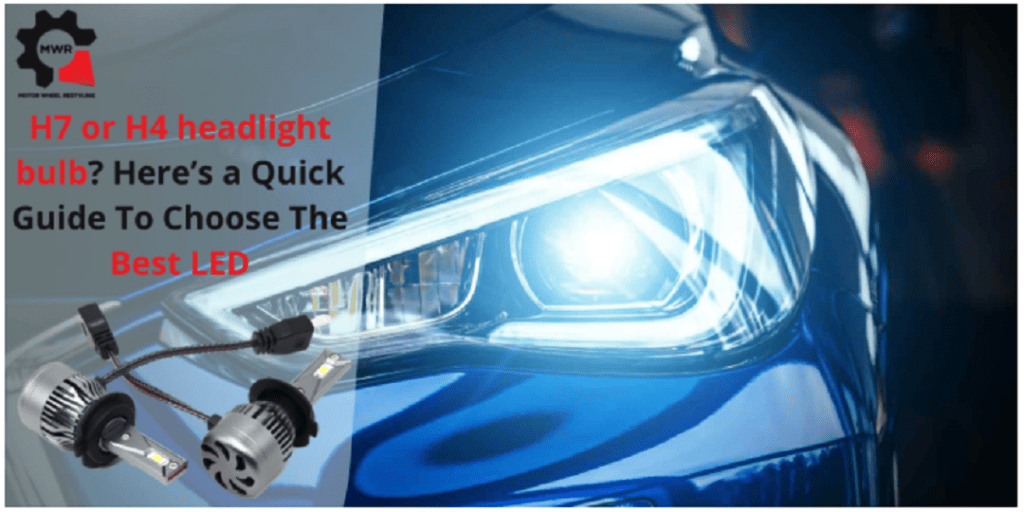
LED bulbs use light-emitting diodes to produce bright light. They consume less power and last longer than halogen bulbs. LED headlights are energy-efficient and cool to the touch.
These bulbs give a white or bluish light that improves night visibility. Many modern cars come with LED headlights by default.
Hid Bulbs
HID bulbs, also called Xenon bulbs, use gas discharge to create a bright light. They are brighter than halogen and LED bulbs. HID headlights give a strong white or blue light.
These bulbs need a special ballast to work. They use more power than LED bulbs but offer excellent illumination for night driving.
Laser Bulbs
Laser bulbs are a new type of car headlight. They use lasers to create a very bright and focused light beam. Laser headlights have high brightness with low energy use.
These bulbs can light up the road far ahead, improving safety. Laser headlights are expensive and mostly found in luxury cars now.
Credit: motorwheelrestyling.com
Choosing The Right Bulb For Your Car
Choosing the right bulb for your car headlight is important for safety. The correct bulb helps you see better at night.
Using the wrong bulb can cause poor lighting or damage. Learn how to pick the right bulb for your vehicle.
Checking Your Vehicle Manual
Your vehicle manual shows the exact type of bulb your car needs. It gives details about size and wattage.
Always check the manual before buying a bulb. It helps you avoid mistakes and saves time.
Identifying Bulb Size And Type
Car bulbs come in different sizes and types. Some common types are halogen, LED, and HID.
- Halogen bulbs are common and affordable
- LED bulbs use less power and last longer
- HID bulbs give very bright light but cost more
Look at the bulb base and shape to find the right size. Matching size is key to proper fit and function.
Considering Bulb Brightness And Color
Bulb brightness affects how well you see the road. Brightness is measured in lumens or candlepower.
Bulb color also matters. Most headlights use white or yellow light for clear vision.
- White light shows colors clearly
- Yellow light cuts glare in fog
- Match brightness to your driving needs
Matching Bulb Compatibility
Not all bulbs work with every car model. Check if the bulb fits your car’s electrical system.
Using incompatible bulbs can cause flickering or damage. Always choose bulbs made for your vehicle.
- Confirm voltage and wattage match
- Check connector type for easy installation
- Look for bulbs approved for road use
Factors Affecting Bulb Performance
Choosing the right bulb for your car headlight depends on many factors. These factors affect how well the bulb works and lasts.
Understanding these factors helps you pick a bulb that fits your needs and driving conditions.
Lifespan And Durability
Lifespan means how long the bulb lasts before it burns out. Durability shows how well the bulb can handle shocks and vibrations.
Bulbs with a longer lifespan need less frequent replacement. Durable bulbs resist damage from rough roads.
- Halogen bulbs usually last 500 to 1,000 hours
- LED bulbs can last up to 25,000 hours
- Durability is important for off-road driving
Energy Efficiency
Energy efficiency means how much power the bulb uses to produce light. Efficient bulbs save battery power.
Using bulbs that use less energy helps your car run smoothly and reduces fuel consumption.
- LED bulbs use less energy than halogen bulbs
- Efficient bulbs reduce load on the car’s electrical system
- Lower energy use can extend battery life
Heat Emission
Heat emission is how much heat the bulb produces when it works. Too much heat can damage the headlight housing.
Bulbs that emit less heat stay cooler and last longer. They also reduce the risk of melting parts around the bulb.
- Halogen bulbs emit more heat than LED bulbs
- LED bulbs stay cooler and protect headlight parts
- Heat-resistant bulbs improve safety and bulb life
Weather Resistance
Weather resistance means the bulb can work well in different weather like rain, snow, or heat. It keeps the bulb safe from moisture and dust.
Choosing weather-resistant bulbs helps maintain clear light and safe driving in all conditions.
- Sealed bulbs prevent water and dirt entry
- Good weather resistance avoids flickering and failure
- Protect your bulbs in cold and hot climates
Upgrading Your Headlights
Choosing the right bulb for your car headlights can improve your night driving. Upgrading to better bulbs helps you see the road clearly.
Upgrades often include LED and HID bulbs. These types offer brighter and longer-lasting light than old bulbs.
Benefits Of Led And Hid Upgrades
LED and HID bulbs use less power and shine brighter than standard bulbs. They improve visibility and safety at night.
They also last longer, so you change bulbs less often. This saves money over time.
- Brighter light output
- Lower energy consumption
- Longer lifespan
- Cooler operating temperature
- Better visibility in bad weather
Legal Considerations
Check local laws before upgrading headlights. Some bulbs may not be legal on public roads.
Using illegal bulbs can lead to fines or failed inspections. Make sure your new bulbs meet safety standards.
- Verify bulb type allowed in your area
- Ensure bulbs match your car’s specifications
- Avoid excessively bright bulbs that blind others
- Check regulations on color and intensity
Installation Tips
Turn off your car and headlights before starting. Avoid touching the glass part of the bulb with bare hands.
Read your car’s manual to find the correct bulb size. Use gloves or a clean cloth to handle new bulbs.
- Disconnect the battery for safety
- Remove the old bulb carefully
- Install the new bulb without touching the glass
- Test headlights before finishing
- Adjust the headlight aim if needed
Replacing Headlight Bulbs Safely
Changing your car’s headlight bulb is a simple task you can do yourself. It helps keep your car safe and visible at night.
Knowing the right steps and tools makes the process quick and safe. This guide shows you how to replace bulbs correctly.
Tools Needed
Having the right tools before starting saves time. You do not want to stop midway to find something.
- Screwdriver (flathead or Phillips)
- New headlight bulb (check your car manual)
- Gloves to protect the bulb and your hands
- Clean cloth or paper towel
- Socket wrench set (if needed for some models)
Step-by-step Replacement Guide
Follow these steps to change your headlight bulb safely and correctly. Take your time to avoid mistakes.
- Turn off your car and open the hood.
- Locate the back of the headlight assembly.
- Remove the power connector from the bulb.
- Unscrew or unclip the bulb holder.
- Take out the old bulb carefully.
- Wear gloves and handle the new bulb by its base.
- Insert the new bulb into the holder.
- Secure the bulb holder back in place.
- Reconnect the power connector.
- Test the new bulb by turning on the headlights.
- Close the hood and dispose of the old bulb properly.
Common Mistakes To Avoid
Some errors can cause damage or reduce the bulb’s life. Avoid these to ensure your headlights work well.
- Touching the glass part of the bulb with bare hands.
- Using the wrong type or size of bulb.
- Not turning off the car before starting.
- Forgetting to check the bulb’s fit before securing it.
- Not testing the bulb after installation.
- Ignoring safety gloves and protection.
Maintaining Headlight Bulbs
Keeping your car’s headlight bulbs in good shape is important for safe driving. Proper care helps the bulbs last longer and work better at night.
This guide covers simple ways to clean, check, and know when to change your headlight bulbs.
Cleaning Tips
Dirty headlights can reduce light output and make driving unsafe. Clean your headlight covers regularly to keep them clear.
- Use a soft cloth and mild soap to wipe the surface.
- Rinse with clean water and dry with a microfiber towel.
- Avoid harsh chemicals that can damage the plastic cover.
- Check for cracks or damage that may let dirt inside.
Regular Inspection
Look at your headlights often to catch problems early. Testing your lights helps avoid accidents and fines.
| Inspection Task | What to Check | Frequency |
| Visual Check | Look for cracks, dirt, or foggy covers | Monthly |
| Light Test | Turn on headlights and check brightness | Weekly |
| Alignment | Ensure lights aim correctly on the road | Every 6 months |
When To Replace Bulbs
Bulbs wear out and need replacement to keep your headlights bright and safe. Watch for signs that show a bulb needs changing.
- Headlight flickers or dims suddenly.
- One or both bulbs do not light up.
- Lights look yellow or cloudy compared to new bulbs.
- You notice a broken filament or black marks inside the bulb.
- Bulbs have been in use for more than two years.
Troubleshooting Headlight Issues
Car headlights are important for safe driving at night. Problems with headlights can make driving dangerous.
Knowing how to find and fix headlight issues helps keep your car safe and legal on the road.
Dim Or Flickering Lights
Dim or flickering headlights reduce visibility. This problem can happen from loose connections or bad bulbs.
Sometimes dirt or moisture inside the headlight cover causes dim light. Check the bulb and wiring first.
- Check if the bulb is securely placed
- Look for dirty or foggy headlight covers
- Inspect wiring for loose or damaged parts
Bulb Burnout Causes
Headlight bulbs burn out over time from normal use. High heat and vibration make bulbs wear faster.
Using the wrong bulb type or poor-quality bulbs also causes early burnout. Replace bulbs with correct types.
- Use bulbs that fit your car model
- Replace both bulbs at the same time
- Avoid touching bulbs with bare hands
- Choose bulbs with good heat tolerance
Electrical Problems
Electrical issues often cause headlights to fail or flicker. Bad fuses, wiring, or switches affect the lights.
Corroded connectors or weak battery power also cause headlight problems. Testing the electrical system helps find issues.
- Check fuses and replace if blown
- Inspect wiring for cracks or corrosion
- Test the headlight switch for proper function
- Ensure the battery and alternator work well

Credit: www.carifex.com
Frequently Asked Questions
What Type Of Bulb Fits My Car Headlight?
To determine the bulb type for your car headlight, consult the owner’s manual or the existing bulb. Common types include halogen, LED, and HID. Check the bulb’s base for compatibility. Using the correct type ensures optimal performance and safety.
How Can I Choose The Brightest Headlight Bulb?
Choose a bulb with a high lumen output for maximum brightness. LED and HID bulbs typically offer more brightness than halogen. Ensure the bulb fits your vehicle and complies with local regulations. A bright headlight improves visibility and safety, especially in low-light conditions.
Are Led Headlights Better Than Halogen?
LED headlights are more energy-efficient and have a longer lifespan than halogen bulbs. They provide brighter, whiter light, enhancing night visibility. However, they may be more expensive initially. Consider your budget and lighting needs when choosing between LED and halogen.
Can I Replace Halogen Bulbs With Led?
Yes, you can replace halogen bulbs with LED bulbs. Ensure the LED bulb fits your car’s headlight housing. Check compatibility with your car’s electrical system. LED bulbs offer improved brightness and energy efficiency, making them a popular upgrade choice.
Conclusion
Choosing the right car headlight bulb is simple with the right info. Check your car’s manual for the exact bulb type. Match the bulb size and wattage carefully. Brightness and lifespan also matter for safe driving. Always buy bulbs from trusted brands to ensure quality.
Changing bulbs regularly keeps your headlights clear and bright. Proper headlights help you see better at night. Stay safe on the road with the correct bulb. Remember, the right bulb makes a big difference.