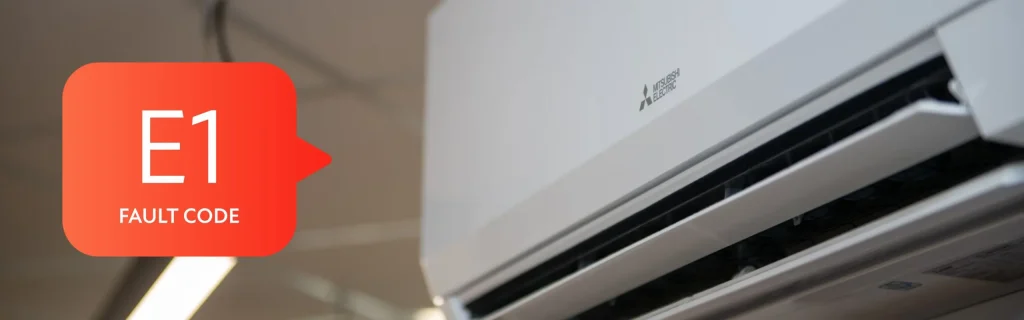
Have you ever looked at your air conditioner’s display and noticed the code “E1” flashing? It can be confusing and even a little worrying when your cooling system shows an error you don’t understand.
But don’t panic—knowing what E1 means can help you fix the problem quickly and avoid costly repairs. You’ll discover exactly what the E1 error means, why it appears, and the simple steps you can take to get your air conditioner back to perfect working order.
Keep reading to take control of your comfort and stay cool without stress.
Credit: ecotechyorkshire.co.uk
E1 Error On Ac
The E1 erroron an air conditioner usually means a problem with the temperature sensor. This sensor tells the AC unit how cold or hot the room is. If the sensor is broken or not working right, the AC may show the E1 code.
Common Causes
- Sensor is disconnectedor loose
- Sensor wire is damagedor cut
- Faulty or broken sensor
- Electronic control board malfunction
Impact On Performance
The E1 error can make the air conditioner stop coolingor work poorly. The unit might turn offto protect itself. This causes uncomfortable room temperature. Fixing the sensor or wiring usually solvesthe problem.
Credit: ecotechyorkshire.co.uk
Checking The Thermistor
The thermistoris a small sensor inside the air conditioner. It tells the system the temperature. Usually, it is near the evaporator coil or inside the indoor unit. This helps the air conditioner know if it needs to cool more or less.
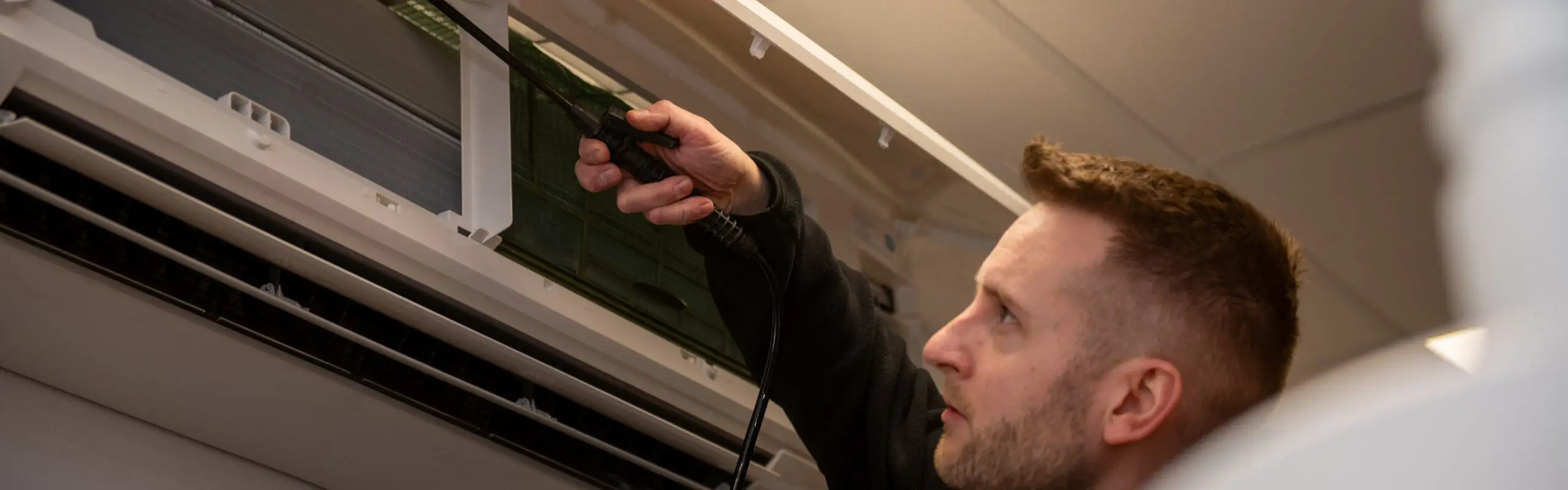
Testing the thermistor requires simple tools like a multimeter. First, disconnect the power to stay safe. Then, check the resistance of the thermistor. It should change as the temperature changes. If the resistance stays the same or is out of range, the thermistor might be broken.
- Turn off power to the unit.
- Locate the thermistor near the coil.
- Use a multimeter to measure resistance.
- Compare readings to the manufacturer’s chart.
- Replace if readings are incorrect.
Inspecting Wiring And Connections
Loose wires can cause the E1 erroron an air conditioner. Check all wiring connections carefully. Wires might be unplugged or not fully connected.
Damaged components also trigger this error code. Look for burnt or broken parts near the wiring. These parts can stop the air conditioner from working correctly.
| Issue | What to Check | Effect |
|---|---|---|
| Loose Wires | Connections at terminals and plugs | Error code E1, no cooling |
| Damaged Components | Burnt wires, broken parts near wiring | Malfunction, system stops |
Resetting The Air Conditioner
Resetting an air conditioner can clear error codes like E1. This code often means a sensor or temperature issue. A simple power cyclemight fix it. First, turn off the unit using the remote or power button. Then, unplug the air conditioner from the wall.
Wait about 5 minutesto let the system fully shut down. Plug it back in and turn it on. This process helps the system reset its internal settings.
- Turn off the air conditioner.
- Unplug it from the power source.
- Wait 5 minutes for a full reset.
- Plug it back in and switch it on.
Resetting is best when the air conditioner shows error codes or acts strangely. Use this step if the unit is not cooling properly or the display shows E1. If the error stays, professional help may be needed.
Cleaning And Maintenance Tips
Cleaning the filterhelps your air conditioner work well. Remove the filter gently. Use a soft brush or vacuum to clear dust and dirt. Wash with warm water and mild soap. Dry it fully before putting it back. Doing this every few weeks keeps air fresh and cool.
Caring for the sensorprevents errors like E1 codes. Gently wipe the sensor with a soft, dry cloth. Avoid touching it with wet hands or sharp objects. Keep the sensor area clean and clear of obstacles. A clean sensor helps your AC detect room temperature correctly.

Credit: m.youtube.com
When To Call A Technician
Signs of Serious Issuesinclude frequent error codes like E1 on the display. This code often means a problem with the sensor or wiring inside the unit. Strange noises or a burning smell can also signal a serious fault. Poor cooling or the unit not turning on are other warning signs. Avoid using the air conditioner until a technician checks it. Ignoring these signs may cause more damage.
Safety Considerationsare very important. Do not open or try to fix the air conditioner yourself. There is a risk of electric shock or injury. Turn off power before inspecting the unit. Call a licensed technician to handle repairs safely. They have the right tools and knowledge to solve the problem. Safety first keeps everyone safe and the unit working well.
Frequently Asked Questions
What Does E1 Error Mean On An Air Conditioner?
E1 error indicates a sensor malfunction or temperature sensor fault. It means the AC’s indoor unit sensor is not reading correctly, causing operational issues.
How To Fix E1 Error On Air Conditioner?
To fix E1 error, check and clean the temperature sensor. If faulty, replace the sensor or call a technician for repair.
Can E1 Error Cause Air Conditioner To Stop Working?
Yes, E1 error can stop the AC from cooling properly. It prevents normal operation until the sensor issue is resolved.
Is E1 Error Common In All Air Conditioner Brands?
E1 error is common but may differ by brand. Most brands use E1 to signal sensor or temperature detection problems.
Conclusion
Understanding the “E1” error on your air conditioner is crucial. It often indicates a sensor issue. Simple fixes might resolve it. Try resetting or checking connections. Call a technician if problems persist. Regular maintenance helps prevent these errors. Clean filters and check sensors regularly.
This keeps your AC running smoothly. Always consult your user manual for guidance. It provides specific solutions for your model. By knowing these basics, you ensure a comfortable home. Stay cool and enjoy efficient air conditioning.