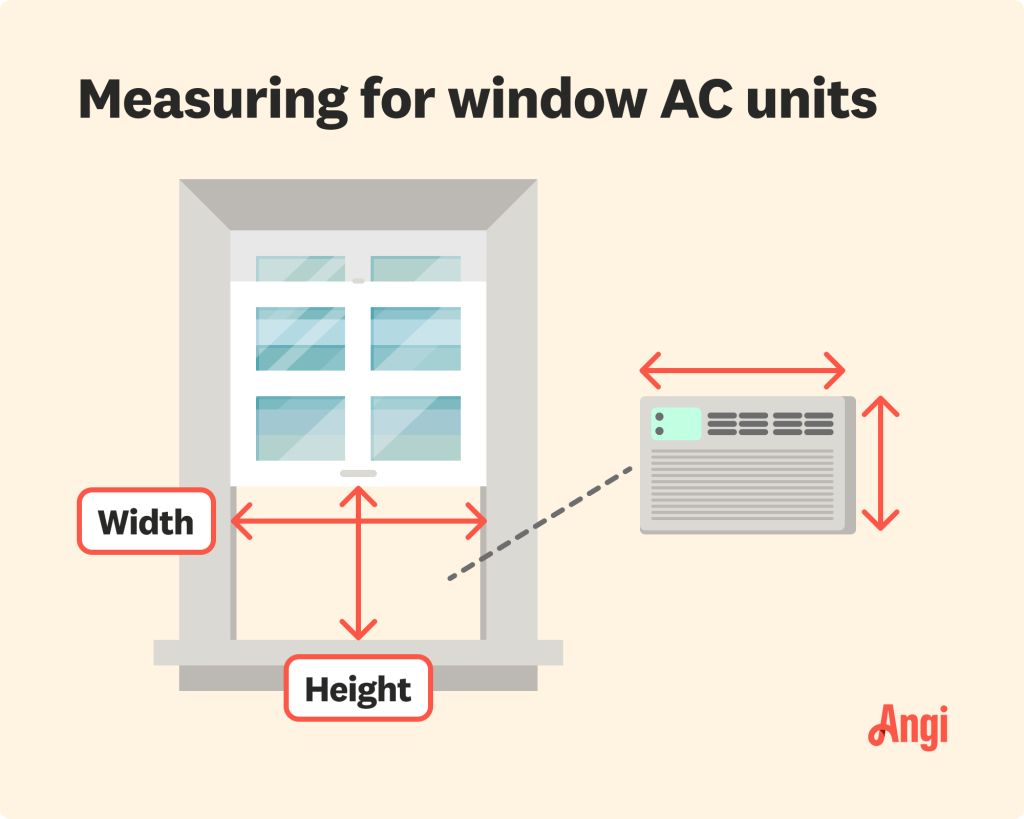
Are you unsure how to measure your air conditioner correctly? Getting the right measurements is key to making sure your AC cools your space efficiently without wasting energy.
Whether you’re planning to replace your unit or just want to check its size, knowing exactly how to measure your air conditioner will save you time, money, and frustration. Keep reading, and you’ll learn simple steps that anyone can follow to get accurate results—no technical skills needed.
Your comfort depends on it!
Why Proper Ac Sizing Matters
Choosing the right size for your air conditioner is very important. A properly sized AC keeps your home cool and saves energy.
If the AC is too small or too big, it will not work well. This can cause discomfort and higher bills.
Energy Efficiency
An air conditioner that fits your space uses less electricity. It runs less often and does not waste energy.
Too large units cycle on and off quickly. This wastes power and reduces efficiency.
- Right size AC uses energy evenly
- Small units run too long, using more power
- Large units start and stop too often
Comfort Levels
A properly sized AC keeps the temperature steady. It prevents the room from getting too cold or too warm.
An AC that is too big cools the room fast but leaves it damp. One that is too small cannot cool well.
- Right size AC maintains even temperature
- Large AC causes cold spots and moisture
- Small AC struggles to cool the space
Cost Implications
Buying the right size AC saves money. It lowers electricity bills and reduces wear and tear.
Oversized units cost more upfront and waste energy. Undersized units may need replacement sooner.
- Proper size lowers energy costs
- Large units have higher purchase prices
- Small units can lead to early repairs
Factors Influencing Ac Size
Choosing the right air conditioner size is important. It affects comfort and energy use. Several factors help decide the correct size.
This guide explains key factors to consider for measuring your air conditioner needs.
Room Dimensions
The size of your room is the first thing to check. Larger rooms need bigger AC units. Measure the length, width, and height of the room.
| Room Size (Square Feet) | Recommended AC Capacity (BTU) |
| 100 – 150 | 5,000 – 6,000 |
| 150 – 250 | 6,000 – 8,000 |
| 250 – 350 | 8,000 – 10,000 |
| 350 – 450 | 10,000 – 12,000 |
Insulation Quality
Good insulation keeps cool air inside. Poor insulation makes AC work harder. Check walls, windows, and doors for leaks and gaps.
- Well-insulated rooms need smaller AC units
- Rooms with poor insulation require larger units
- Consider adding insulation to improve efficiency
Sunlight Exposure
Rooms with strong sunlight get hotter. South and west-facing windows let in more heat. This raises cooling needs.
Use curtains or blinds to reduce heat. You may need a higher capacity AC for sunny rooms.
Occupancy And Usage
More people in a room increase heat. Appliances and electronics add heat too. Think about how many people use the room regularly.
- For each additional person, add 600 BTU
- Count heat from devices and lights
- High activity rooms need larger AC units
Tools Needed For Measurement
Measuring your air conditioner correctly helps you find the right size for your space. You need some basic tools to do this accurately.
These tools are easy to find and simple to use. They include a measuring tape, a thermometer, and a calculator.
Measuring Tape
A measuring tape is important to get the exact dimensions of your room. You will measure the length, width, and height of the space.
Choose a tape that is at least 25 feet long. This length covers most room sizes and helps you get accurate numbers.
Thermometer
A thermometer helps you check the temperature inside your room. This data is important to know how much cooling power you need.
Use a digital or analog thermometer. Place it where the air flows freely for the best reading.
Calculator
A calculator helps you figure out the cooling capacity needed for your room. It makes math easier and faster.
Use a simple calculator or a calculator app on your phone to multiply room size and temperature factors.

Credit: thefurnaceoutlet.com
Step-by-step Measurement Process
Measuring your room correctly helps you choose the right air conditioner size. This guide shows how to measure and calculate for the best cooling.
Follow the steps below to get accurate measurements and estimate the cooling power needed for your space.
Measure Room Length And Width
Use a tape measure to find the length and width of the room. Measure from wall to wall in feet or meters.
- Start at one corner of the room.
- Measure straight across to the opposite wall.
- Record the length.
- Repeat for the width.
Calculate Square Footage
Multiply the room’s length by its width to get the area in square feet or square meters. This number helps find the right air conditioner size.
Example calculation:
Square Footage = 15 × 12 = 180 sq ft
Estimate Btu Requirements
BTU (British Thermal Unit) shows how much cooling power you need. Use this table to find the right BTU based on room size.
| Room Size (sq ft) | BTU Needed |
| Up to 150 | 5,000 BTU |
| 151 – 250 | 6,000 – 8,000 BTU |
| 251 – 350 | 8,000 – 10,000 BTU |
| 351 – 450 | 10,000 – 12,000 BTU |
| 450+ | 12,000+ BTU |
Adjust For Additional Factors
Some factors change the BTU needs. Adjust your estimate for these conditions.
- Rooms with high ceilings need more BTU.
- Sunlit rooms require extra cooling power.
- More people in the room increase cooling needs.
- Heat from appliances adds to the load.
Using Online Calculators And Guides
Measuring your air conditioner size is easier with online tools. These calculators use your room details to suggest the right size.
Guides help you understand what data to enter and how to read the results. This ensures you get the best cooling for your space.
Reliable Calculator Sources
Choose calculators from trusted websites. These often come from HVAC experts or well-known home improvement sites.
- Official HVAC association websites
- Home improvement company pages
- Energy efficiency organizations
- Popular DIY and renovation blogs
Inputting Accurate Data
Provide exact room measurements and conditions. This data helps the calculator give precise air conditioner size.
| Data Type | Example | Why It Matters |
|---|---|---|
| Room Length and Width | 12 ft x 15 ft | Calculates room area |
| Ceiling Height | 8 ft | Adjusts for room volume |
| Sunlight Exposure | High | Affects cooling load |
| Number of Occupants | 3 people | Adds heat output |
| Appliances Present | TV, computer | Increases heat generation |
Interpreting Results
Results show the needed cooling capacity, usually in BTUs. This number helps you pick the right air conditioner model.
- Check the suggested BTU value.
- Compare it with air conditioner labels.
- Choose a unit close to the recommended size.
- Remember, too large units waste energy.
- Too small units cool poorly and run longer.
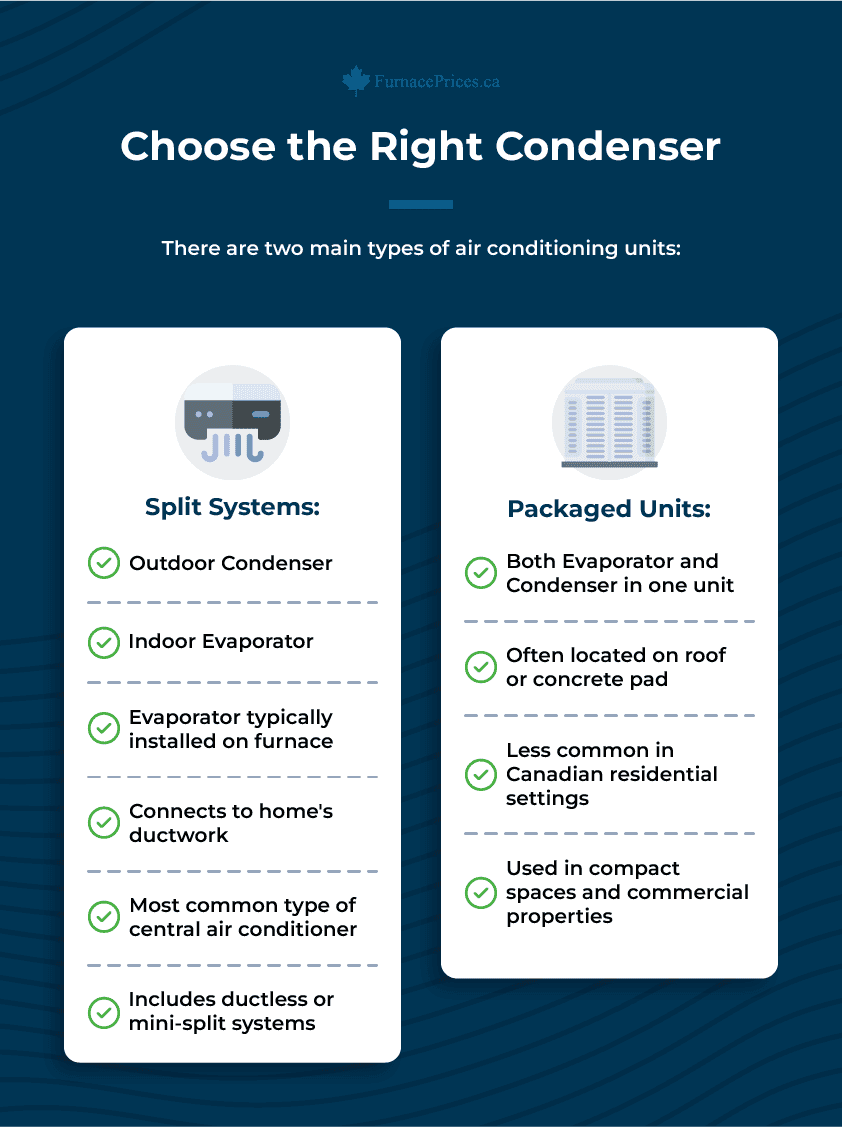
Credit: www.furnaceprices.ca
Common Sizing Mistakes To Avoid
Choosing the right size air conditioner is important for comfort and cost. Many people make mistakes that hurt performance and energy use.
This guide explains common errors when measuring air conditioners. Avoid these mistakes to keep your space cool and save money.
Oversizing Issues
Picking an air conditioner that is too big can cause problems. It cools the room too fast but does not remove humidity well. This leaves the room feeling damp and uncomfortable.
Oversized units also waste energy because they turn on and off frequently. This short cycling can reduce the air conditioner’s lifespan.
Undersizing Risks
An air conditioner that is too small will run constantly and still fail to cool the space properly. This overworks the system and drives up electricity bills.
- Longer cooling times
- Increased wear and tear
- Higher energy costs
- Uneven temperature across rooms
Choosing the right size avoids these risks and keeps your home comfortable all day.
Ignoring Room Usage Patterns
| Room Type | Usage Pattern | Impact on AC Size |
|---|---|---|
| Bedroom | Used mainly at night | May need smaller or programmable unit |
| Living Room | Used all day | Needs consistent cooling capacity |
| Home Office | Daytime use with electronics | May require larger size for heat from devices |
| Kitchen | Heat from cooking | Needs extra cooling capacity |
Ignoring how and when rooms are used can cause wrong air conditioner sizing. Adjust size based on room purpose for best results.
Professional Help And When To Seek It
Measuring your air conditioner correctly is important for comfort and efficiency.
Sometimes, it is best to get help from a professional technician.
Benefits Of Expert Assessment
Experts have tools and skills to measure air conditioners accurately.
They can find problems that are hard to see for most people.
- Accurate size and capacity measurement
- Proper evaluation of cooling needs
- Identification of leaks or insulation issues
- Advice on energy savings
- Prevention of costly repairs
What To Expect From A Technician
A technician will check your home and air conditioner carefully.
They follow a clear process to give you the best results.
| Task | Description |
| Site Inspection | Measure rooms, windows, and insulation quality |
| Equipment Check | Test air conditioner parts and airflow |
| Load Calculation | Calculate cooling load needed for your space |
| Report | Provide a detailed report with recommendations |
Credit: www.furnaceprices.ca
Frequently Asked Questions
How Do I Measure My Ac Unit Size?
To measure your AC size, check the unit’s BTU rating or tonnage. Look for the label on the unit itself. Alternatively, consult your AC manual or contact the manufacturer. Accurate measurement ensures efficient cooling and energy savings, enhancing comfort in your home.
What Tools Do I Need To Measure Ac Efficiency?
To measure AC efficiency, you need a thermometer, psychrometer, and an energy meter. These tools help assess temperature differences and energy consumption. Regularly checking efficiency helps maintain performance, reduces energy bills, and prolongs the lifespan of your air conditioner.
How Can I Calculate My Ac’s Cooling Capacity?
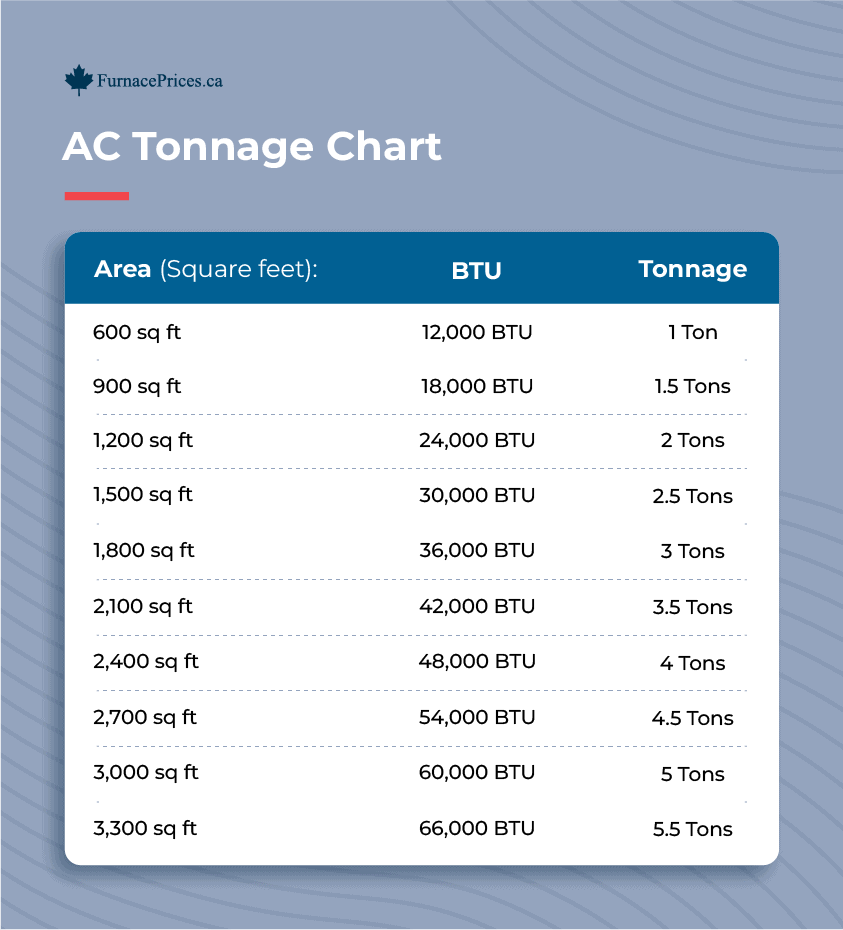
Calculate your AC’s cooling capacity using the BTU rating. One ton equals 12,000 BTUs. Check your unit’s label or manual for the BTU number. Proper cooling capacity ensures efficient operation and optimal comfort, keeping your living space cool and energy-efficient.
Why Is Measuring Airflow Important For Acs?
Measuring airflow ensures your AC operates efficiently and maintains comfort. Proper airflow prevents overworking the unit, reducing energy costs and prolonging its lifespan. Use an anemometer to measure airflow and adjust ductwork or vents for optimal performance.
Conclusion
Measuring your air conditioner helps keep your home cool and comfortable. It ensures you pick the right size for your space. Proper measurement also saves energy and lowers bills. Taking simple steps now avoids costly repairs later. Use a tape measure and follow clear instructions carefully.
Check the unit’s cooling capacity and room size. This way, your air conditioner works well and lasts longer. Stay cool with the right measurement every time.