
When you’re planning your next outdoor adventure, one question probably pops into your mind: how much does a tent weigh? Knowing the weight of your tent isn’t just a detail—it can make or break your entire trip.
Whether you’re hiking up a mountain or setting up camp in the woods, the right tent weight affects how easily you can carry your gear and how comfortable your journey will be. You’ll discover what influences tent weight and how to choose the perfect one for your needs.
Keep reading to find out how to make your camping experience lighter and more enjoyable.
Factors Affecting Tent Weight
Tents come in many shapes and sizes. Their weight changes based on different factors.
Knowing what affects tent weight helps you pick the right one for your trip.
Materials Used
Tents are made from various materials. Some materials are light, others are heavy.
Light fabrics like nylon keep tents easy to carry. Heavier fabrics add strength but weigh more.
- Nylon: lightweight and durable
- Polyester: resists stretching and UV damage
- Canvas: very strong but heavy
- Aluminum poles: light and sturdy
- Steel poles: strong but heavier
Tent Size And Capacity
Bigger tents weigh more because they use more material. They also need bigger poles.
Tent capacity means how many people can sleep inside. More people need more space and weight.
- 1-person tents are usually very light
- 2-3 person tents weigh a bit more
- Family tents for 4 or more people are heavier
Design And Features
Simple tents weigh less. Tents with extra features add weight.
Features like vestibules, multiple doors, and thicker floors increase weight.
- Single-wall tents are lighter
- Double-wall tents have more parts and weigh more
- Extra pockets and vents add small weight
- Heavy-duty floors and rainflies increase tent weight
Types Of Lightweight Tents
Lightweight tents are perfect for people who want to carry less weight. They are easy to pack and carry on trips.
There are different types of lightweight tents. Each type has its own weight and use.
Backpacking Tents
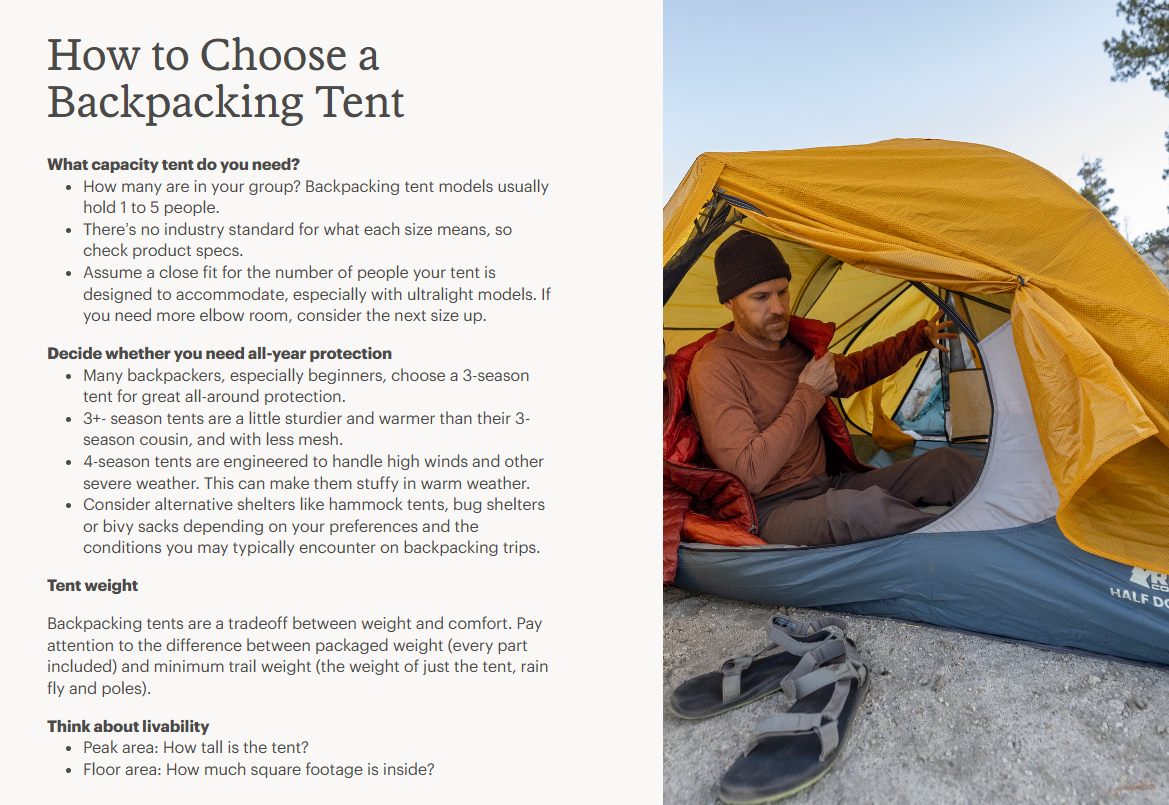
Backpacking tents are made to be light and small. They usually weigh between 2 to 4 pounds.
These tents fit one to three people. They protect well from wind and rain.
- Weigh around 2-4 pounds
- Good weather protection
- Fits 1-3 people
Ultralight Tents
Ultralight tents are even lighter than backpacking tents. They weigh under 2 pounds.
These tents are simple and use less material. They are great for fast hiking trips.
- Weigh less than 2 pounds
- Minimal design
- Best for fast hiking
Bivy Sacks And Tarps
Bivy sacks are small shelters just for one person. They weigh less than 2 pounds.
Tarps are even lighter. They need poles or trees to set up. Tarps weigh less than 1 pound.
- Bivy sacks weigh under 2 pounds
- Tarps weigh less than 1 pound
- Require extra gear like poles or trees
Typical Weight Ranges
Tent weight is important for carrying and setup. Different tents have different weights based on size and materials.
Knowing typical weight ranges helps you pick the right tent for your needs.
One-person Tents
One-person tents are small and light. They are good for solo hikers or campers who want to carry less weight.
These tents usually weigh between 1 to 3 pounds. Ultralight models can be even lighter but cost more.
- Lightweight: 1 to 2 pounds
- Standard: 2 to 3 pounds
- Ultralight: under 1.5 pounds
Two-person Tents
Two-person tents offer more space for two people and their gear. They weigh more than one-person tents.
Typical weights range from 3 to 6 pounds. Some lightweight models are closer to 3 pounds.
- Lightweight: 3 to 4 pounds
- Standard: 4 to 6 pounds
- Heavy-duty: over 6 pounds
Family And Group Tents
Family and group tents are large to fit many people. They are heavier due to size and extra features.
Weights range from 8 pounds for small family tents to over 20 pounds for large group tents.
- Small family tents: 8 to 12 pounds
- Medium family tents: 12 to 16 pounds
- Large group tents: 16 to 25+ pounds

Credit: americantent.com
Tips To Reduce Tent Weight
Knowing how much a tent weighs helps you plan your trip better. Carrying less weight makes hiking easier and safer.
You can reduce tent weight by choosing materials, limiting accessories, and packing smartly. These tips help you carry only what you need.
Choosing The Right Materials
Lightweight materials make your tent easier to carry. Look for tents made with nylon or polyester fabrics instead of heavy canvas.
Thin but strong poles, like aluminum or carbon fiber, reduce weight without losing durability.
- Use nylon or polyester for the tent body
- Choose aluminum or carbon fiber poles
- Avoid heavy materials like thick canvas
Minimizing Tent Accessories
Carrying fewer accessories cuts down weight. Take only what you really need for your trip.
Skip extra items like heavy stakes or large footprint tarps if you can manage without them.
- Use lightweight stakes instead of heavy metal ones
- Bring only essential repair kits
- Skip extra tarps unless needed for bad weather
Packing Techniques
Packing your tent properly helps save space and weight. Roll or stuff it tightly to avoid extra bulk.
Place the tent at the bottom of your pack to balance the load and keep it dry.
- Roll or stuff the tent tightly
- Use compression sacks to reduce volume
- Keep the tent dry to avoid added weight
Balancing Weight And Durability
Choosing a tent involves finding the right balance between weight and durability. Lightweight tents are easy to carry, but they may not last as long as heavier ones.
This article explores how material strength, weather resistance, and longevity affect the weight and durability of tents.
Material Strength Vs. Weight
Tent materials vary in strength and weight. Nylon and polyester are common. Nylon is strong and light, but it can absorb water. Polyester resists water better but is heavier.
- Ripstop nylon: light and tear-resistant
- Polyester: heavier but more UV resistant
- Silicone-coated fabrics: strong and water-resistant
- Aluminum poles: lightweight and sturdy
Weather Resistance Considerations
Weather conditions affect tent weight choices. Waterproof fabrics and sealed seams add weight but protect you from rain. Wind-proof designs may use heavier poles.
| Feature | Effect on Weight | Benefit |
| Waterproof coating | Increases weight | Keeps rain out |
| Sealed seams | Adds weight | Prevents leaks |
| Heavy-duty poles | Heavier | Improves wind resistance |
| Mesh panels | Lightweight | Better ventilation |
Longevity Of Lightweight Tents
Lightweight tents can last if you take care of them. Use a footprint and avoid sharp objects. Store tents dry to prevent mold and fabric damage.
- Use ground cloth to protect tent floor
- Handle poles carefully to avoid breaks
- Dry tent fully before storage
- Repair small tears quickly
Credit: www.ebay.com
Popular Lightweight Tent Brands
Lightweight tents are great for hikers and campers. They make carrying gear easier on long trips.
Many brands focus on making tents light without losing strength. This helps campers stay safe and comfortable.
Top Rated Models
Several lightweight tents get high ratings for their design and weight. These models balance space and lightness well.
- MSR Hubba Hubba NX – weighs around 3.5 pounds
- Big Agnes Copper Spur HV UL – about 2.9 pounds
- REI Co-op Quarter Dome SL – near 3 pounds
- Naturehike Cloud-Up – close to 2.6 pounds
- Tarptent Notch – roughly 2.2 pounds
Price Vs. Performance
Lightweight tents can cost from $150 to over $500. Higher prices often mean better materials and less weight.
Some tents offer good value by balancing cost and quality. Choose based on your budget and needs.
| Brand | Price Range | Weight (lbs) | Durability |
|---|---|---|---|
| MSR | $350 – $450 | 3.5 – 4 | High |
| Big Agnes | $350 – $500 | 2.9 – 3.5 | High |
| REI Co-op | $150 – $300 | 3 – 3.5 | Medium |
| Naturehike | $100 – $200 | 2.5 – 3 | Medium |
| Tarptent | $300 – $400 | 2.2 – 2.8 | High |
User Reviews And Feedback
Many users say lightweight tents save them energy on trips. They like tents that are easy to pack and set up.
Some users report tents with thin fabric can wear out fast. Choosing a tent with strong materials helps in rough weather.
- Positive: Easy to carry and light weight
- Positive: Good ventilation and space
- Negative: Some tents leak in heavy rain
- Negative: More expensive tents may need care
Measuring Tent Weight Accurately
Knowing the exact weight of your tent is important for planning your trip. This helps you pack smart and avoid carrying too much weight.
Measuring tent weight can be tricky because of different parts and packing styles. This guide explains how to get the most accurate weight.
What’s Included In Weight
Tent weight usually includes the main body, rainfly, poles, and stakes. Some tents also come with extra bags or accessories.
- Main tent body
- Rainfly or flysheet
- Poles and clips
- Stakes or pegs
- Storage bags or stuff sacks
Check if the weight listed is “minimum” or “trail” weight. Some brands exclude stakes or bags from their numbers.
Using A Scale Correctly
A good scale is key to measuring tent weight. Digital luggage scales or kitchen scales work well.
- Place the tent and all parts on the scale.
- Make sure the scale is on a flat surface.
- Zero the scale or subtract the weight of any container.
- Weigh the tent fully packed and then dry.
- Record the weight carefully.
Weighing each part separately helps find which items add extra weight.
Comparing Dry And Packed Weight
Dry weight means the tent alone without any extra items. Packed weight includes everything you carry on the trail.
| Weight Type | Includes | Use |
|---|---|---|
| Dry Weight | Tent body only | Shows base tent mass |
| Packed Weight | Tent, poles, stakes, bags | Shows total carry weight |
Comparing these weights helps you plan better and pack lighter or heavier depending on your trip.
Credit: americantent.com
Frequently Asked Questions
What Factors Affect A Tent’s Weight?
A tent’s weight is influenced by its size, materials, and design. Lightweight materials like nylon reduce weight. Larger tents with more features tend to be heavier. Poles and stakes also add to the overall weight. Consider your needs and choose a tent that balances weight and functionality.
How Much Does A Backpacking Tent Weigh?
Backpacking tents typically weigh between 2 to 5 pounds. These tents are designed for easy transport and quick setup. They use lightweight materials to minimize the burden on hikers. Always check the specifications for the exact weight before purchasing. Lightweight tents are ideal for long treks and overnight hikes.
Are Heavier Tents More Durable?
Heavier tents often use sturdier materials, making them more durable. They can withstand harsh weather conditions better than lightweight tents. However, they may be cumbersome to carry for long distances. Consider your camping environment when choosing between weight and durability.
Balance is key for an enjoyable experience.
Can I Reduce My Tent’s Weight?
Yes, you can reduce your tent’s weight by choosing lighter materials and minimizing extra features. Opt for aluminum poles instead of steel. Consider leaving unnecessary accessories at home. Investing in a high-quality, lightweight tent can significantly decrease your overall load.
Always check your gear list before heading out.
Conclusion
Knowing a tent’s weight helps you plan your trip better. Lighter tents make carrying easier and save energy. Heavier tents offer more space and durability. Choose a tent that fits your needs and trip length. Always check the weight before buying or packing.
This simple step makes camping more comfortable and fun. Your backpack will thank you. Enjoy your outdoor adventure with the right gear.