Struggling to cool down your space but don’t have a window for your portable air conditioner? You’re not alone.
Finding the right way to vent your unit without a window can feel tricky and confusing. But don’t worry—there are simple, effective solutions that can keep your room cool and comfortable. In this guide, you’ll discover easy steps to vent your portable air conditioner without a window, saving you time, money, and frustration.
Keep reading to unlock the secrets to staying cool no matter where you live.
Choosing The Right Portable Ac
Portable air conditioners without window venting come in different types:
- Evaporative coolersuse water to cool the air but work best in dry places.
- Ventless portable ACsrecycle indoor air and do not need a vent hose.
- Self-evaporative modelsremove moisture automatically and need less maintenance.
Choosing the right BTU capacityis key for comfort. Too low, and the room stays hot. Too high, and energy wastes.
| Room Size (sq ft) | Recommended BTU |
|---|---|
| 100 – 300 | 5,000 – 8,000 |
| 300 – 500 | 8,000 – 12,000 |
| 500 – 700 | 12,000 – 14,000 |
| 700 – 1,000 | 14,000 – 18,000 |
Match the BTU to your room for best cooling and energy use.

Credit: www.reddit.com
Common Challenges Without Window
Portable air conditioners need a way to remove hot air. Without a window, heat exhaustcan build up inside the room. This makes the AC work harder and cool less effectively. Some users try to vent through doors or walls, but sealing those areas is tricky. The hot air might come back inside, raising room temperature.
Humiditycan also become a problem. Portable ACs pull moisture from the air, which usually drains outside. Without proper venting, moisture can stay indoors. This causes higher humidity, making the room feel warmer and stuffy. Mold and mildew may grow if moisture builds up too much.
Diy Venting Options
Using a Drop Ceilingoffers a simple way to vent a portable air conditioner. The vent hose can go through a ceiling tile. Just cut a hole that fits the hose size. Secure the hose with tape or clamps. This lets hot air escape without needing a window.
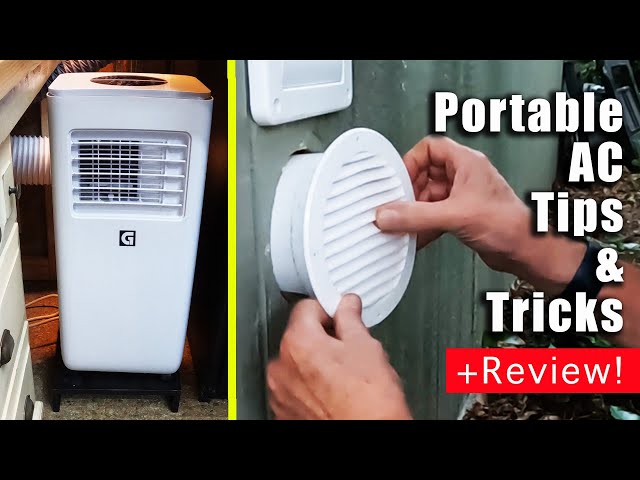
Through the Wall Ventingworks if you can make a small hole in the wall. Cut a hole for the hose and fit a vent cover on the outside. This method keeps the room sealed and looks neat. It needs basic tools but gives a clean finish.
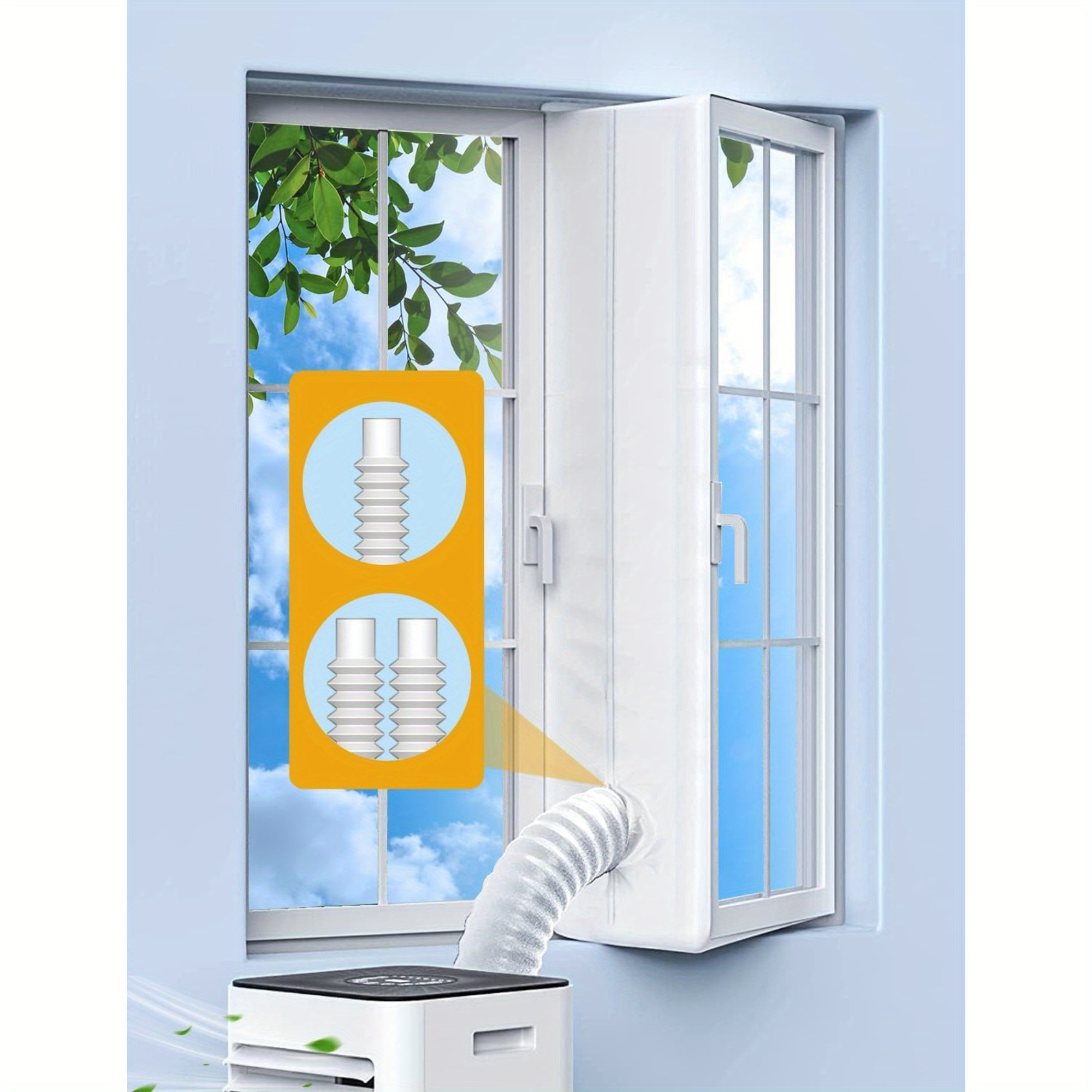
Sliding Door Vent Kitfits into the gap of a sliding door. These kits have adjustable panels to block the open door space. The vent hose fits in the panel’s hole. It is easy to install and remove. Good for renters or temporary setups.
Vent Through a Closetif the closet has an outside wall. Cut a hole in the closet wall for the vent hose. This hides the vent and keeps noise low. The air flows outside without spoiling the room’s look.
Tools And Materials Needed
To vent a portable air conditioner without a window, gather these tools and materials. A venting kitis essential, which usually includes a flexible exhaust hoseand a window adapter. You will also need a drillor screwdriverto secure parts if necessary. A tape measurehelps to measure the venting space. Use duct tapeto seal connections and prevent air leaks. A foam sealor weather stripping can block gaps. Sometimes, a plexiglass panelor plywood can be used to cover the vent opening if no window is available. Finally, have a utility knifeready to cut openings or trim materials.
Step-by-step Vent Installation
Measure the space where you want to vent the air conditioner. Mark the spot carefully. Use a saw or cutter to make a hole just big enough for the exhaust hose. A tight fit helps the unit work better.
Seal the edges of the hole with weatherproof tape or sealant. This stops hot air and bugs from coming inside. Add insulation around the hose to keep the cool air in and the hot air out.
Attach the exhaust hose to the air conditioner’s vent outlet. Make sure it fits snugly. Connect the other end to the hole you cut. Secure both ends with clamps or tape to prevent leaks.

Credit: www.reddit.com
Maintenance Tips For Portable Ac
Cleaning filtersoften helps the portable AC work better. Dirty filters block airflow and reduce cooling. Rinse the filters with water and let them dry fully before putting them back. Clean filters every two weeks during heavy use to keep air fresh and clear.
Checking for leakskeeps the unit safe and efficient. Look for water or refrigerant leaks around the machine. Fix small leaks quickly to avoid bigger problems. Leaks can cause poor cooling and damage the AC parts.
Storing the AC during the off-season is important. Drain all water from the unit to stop mold growth. Clean the filters and dry the parts well. Cover the AC with a cloth or plastic to keep dust away. Store in a cool, dry place for the next use.
Alternative Cooling Solutions
Evaporative coolersuse water to cool the air. They work best in dry places. Air passes through wet pads and becomes cooler. These coolers use less energy than traditional air conditioners. They add moisture to the air, which can help in dry rooms.
Windowless air coolersdo not need a window for venting. They use a hose to push hot air outside through a door or wall. This makes them good for rooms without windows. They are easy to move and set up. These coolers need space for the hose to vent air properly.
Credit: www.temu.com
Frequently Asked Questions
Can A Portable Ac Work Without A Window?
Yes, a portable AC can work without a window. You can vent it through other methods like sliding doors, drop ceilings, or wall vents. These alternatives help in expelling hot air efficiently, ensuring the unit functions optimally without a window.
How Do I Vent A Portable Ac Indoors?
To vent indoors, use a venting kit compatible with doors or walls. Ensure proper sealing to prevent air leaks. Additionally, consider using a vent hose to direct hot air out of the room efficiently, maintaining the unit’s performance.
What Is The Best Way To Vent A Portable Ac?
The best way is through a sliding door or wall vent. Use a venting kit for proper sealing and efficiency. This ensures the hot air is expelled outside, maintaining the cooling efficiency of your portable air conditioner without a window.
Can I Use A Dryer Vent For Ac?
Yes, a dryer vent can be used if it fits the AC hose. Ensure proper sealing to avoid any air leaks. This method helps in efficiently venting out hot air, allowing the portable air conditioner to cool the room effectively.
Conclusion
Venting a portable air conditioner without a window is possible and practical. Use alternative outlets like doors, ceilings, or walls to release hot air. Always ensure proper sealing to keep your room cool and energy efficient. Simple tools and materials can help create a secure vent system.
Stay mindful of safety and follow instructions carefully. This way, you enjoy cool air without the need for a window. Keep your space comfortable, no matter the room setup. Easy and effective solutions work best.