Thinking about installing a split system air conditioner but not sure how much it will cost? You’re not alone.
Getting clear on the price before you start can save you from surprises and help you plan your budget better. You’ll discover the real factors that affect the installation cost and learn how to get the best value for your money.
Keep reading—you’ll find the answers you need to make a smart and confident choice for your home comfort.

Credit: www.callwaldrop.com
Factors Affecting Installation Cost
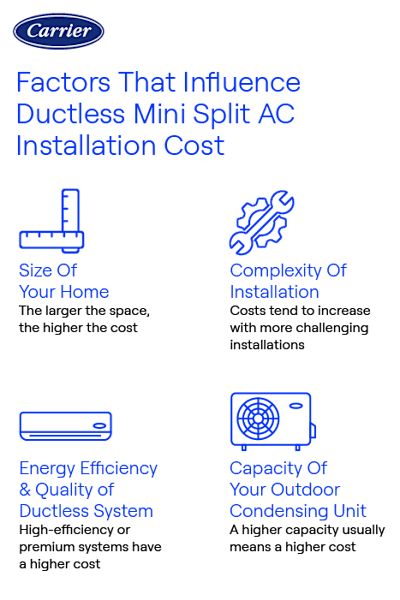
The cost to install a split system air conditioner varies. Many factors affect the total price.
Knowing these factors helps you understand the final cost better. This guide explains the main points.
Unit Size And Capacity
Larger units with higher cooling capacity cost more to install. They need bigger space and stronger support.
Small units use less power and are easier to install. Choose the right size for your room.
- Small units (2-3 kW) are cheaper to install
- Medium units (4-6 kW) cost more
- Large units (7 kW and above) have higher installation costs
Brand And Model Choice
Different brands and models have various installation needs. Premium brands may require expert installers.
Basic models are usually simpler and cheaper to set up. Check if your model needs special parts.
- Well-known brands might have higher installation fees
- Entry-level models usually cost less to install
- Advanced models may need extra setup time
Installation Complexity
Complex installations take more time and effort. This raises the installation cost.
Simple installs involve mounting the unit and connecting pipes. Complex jobs may need electrical work or wall repairs.
- Easy installations cost less
- Complex jobs with extra wiring or plumbing cost more
- Older buildings may need upgrades, adding to the cost
Location And Accessibility
Where the unit is installed affects the price. Hard-to-reach spots require more work.
Installing outdoors on a high wall or roof costs more than ground-level areas.
- Easy access lowers installation cost
- Installing on upper floors or roofs raises cost
- Distance from power source or indoor unit can increase price
Additional Features And Accessories
Extra parts like smart thermostats or special filters add to the cost. Some accessories need extra setup.
Optional features can improve comfort but increase installation time and price.
- Smart controls may need wiring or Wi-Fi setup
- Additional filters or air purifiers raise cost
- Drainage pumps or insulation add to installation price
Typical Cost Breakdown
Installing a split system air conditioner costs different amounts. Costs depend on many parts like equipment and labor.
Knowing the cost breakdown helps you plan your budget better. Here are the main parts of the cost.
Equipment Price Range
The air conditioner unit price varies by size and brand. Bigger units cost more because they cool more space.
Prices can range from budget options to premium models with extra features.
- Small units: $600 to $1,200
- Medium units: $1,200 to $2,500
- Large units: $2,500 to $4,000+
Labor Charges
Labor costs cover the work to install the system. This includes mounting the indoor and outdoor units.
Labor prices vary by location and complexity of the job. Average labor cost is often a large part of the total.
- Basic installation: $500 to $1,000
- Complex installation: $1,000 to $2,000
- Additional work (like wiring): extra charges apply
Material And Supplies
Materials include pipes, wiring, and mounting brackets. These parts are needed to connect the system properly.
Material costs depend on the installation size and quality of parts used.
- Refrigerant pipes and insulation: $100 to $300
- Electrical wiring and connectors: $50 to $150
- Mounting hardware and supports: $50 to $100
Permit And Inspection Fees
Many places require permits for installing air conditioners. These fees cover legal permission and safety checks.
Permit costs depend on local government rules and can vary widely.
- Permit application: $50 to $200
- Inspection fees: $50 to $150
- Additional fees may apply for special conditions
Cost Variations By Region
The cost to install a split system air conditioner can change depending on where you live. Different regions have different prices.
Factors like local demand, labor costs, and climate affect the total installation cost.
Urban Vs Rural Pricing
Urban areas usually have higher installation costs than rural places. This is because labor and permits cost more in cities.
In rural areas, prices may be lower but travel costs for technicians might add up. Sometimes parts are harder to get.
- Urban: Higher labor and permit fees
- Rural: Lower labor but possible travel charges
- Parts availability can vary in rural zones
Climate Impact On Installation
Hotter climates often need bigger or more powerful air conditioners. This can increase installation costs.
In cooler regions, smaller units may be enough, lowering the cost. Extra weatherproofing can raise prices in some areas.
- Hot climates: Larger units cost more
- Cool climates: Smaller units cost less
- Weatherproofing adds to costs in harsh areas
Local Market Differences
Local competition and supply affect installation prices. Some regions have many providers, which can lower prices.
In other areas, fewer installers mean higher costs. Local taxes and regulations also change the final price.
- More providers can lower installation costs
- Fewer installers may increase prices
- Local taxes and rules affect total cost

Credit: www.nationalairwarehouse.com
Diy Vs Professional Installation
Installing a split system air conditioner can save money if done yourself. Yet, it needs skill and the right tools. Hiring a professional can cost more but offers safety and quality.
This guide compares risks, benefits, and costs of DIY and professional installation.
Risks Of Self-installation
Installing a split system yourself may lead to mistakes. These can cause damage or poor air conditioner performance.
Improper installation can void warranties and cause safety issues like leaks or electrical faults.
- Wrong refrigerant handling risks health and environment
- Incorrect wiring can cause electrical fires
- Poor sealing reduces cooling efficiency
- Unsafe mounting can damage walls or unit
- Voided warranty means no free repairs
Benefits Of Hiring Experts
Professional installers have training and tools for safe and correct setup. They ensure the unit works well and lasts longer.
Experts also handle permits and follow local laws. They often provide a service warranty for peace of mind.
- Proper refrigerant charging and leak tests
- Correct electrical connections and safety checks
- Secure mounting and insulation
- Compliance with local codes and regulations
- Post-installation support and warranties
Cost Comparison
DIY installation can save labor costs but risks damage and extra expenses. Professional installation costs more upfront but reduces future repair bills.
| Installation Type | Typical Cost Range | Notes |
|---|---|---|
| DIY Installation | $0 – $300 | Cost of tools and possible mistakes |
| Professional Installation | $500 – $1500 | Includes labor, permits, and warranty |
Ways To Save On Installation
Installing a split system air conditioner can be costly. Finding ways to save helps reduce your expenses.
Several options can lower installation costs without cutting corners on quality or service.
Seasonal Discounts
Many companies offer discounts during slow seasons. This can save you money if you schedule installation at the right time.
- Look for deals in fall or winter months
- Check local supplier promotions
- Book early to get better prices
Energy-efficient Rebates
Energy-efficient air conditioners often qualify for rebates. These rebates help lower the total cost of installation.
| Rebate Source | Details | Amount |
| Government Programs | For certified energy-saving units | $100-$500 |
| Utility Companies | Discounts on electric bills or upfront rebates | $50-$300 |
| Manufacturer Offers | Special deals on select models | Varies |
Bundled Service Offers
Some providers offer bundles that include installation and maintenance. Bundles often cost less than paying for each service separately.
- Lower overall price
- Priority scheduling
- Extended warranties
- Convenient single billing
Maintenance Costs Post-installation
Installing a split system air conditioner is just the start. Keeping it running well needs regular care. Maintenance costs add up after installation.
This guide covers routine servicing expenses, common repairs, and ways to extend your system’s lifespan.
Routine Servicing Expenses
Routine servicing keeps your air conditioner efficient and prevents big problems. Most homeowners pay for yearly checks and cleaning.
- Filter cleaning or replacement: $50–$100
- Checking refrigerant levels: $75–$150
- Inspecting electrical components: $60–$120
- Cleaning coils and fins: $80–$130
Common Repairs And Their Costs
Repairs vary by the issue. Some are simple, others need parts or expert help. Knowing common repair costs helps plan your budget.
| Repair Type | Average Cost | Notes |
| Refrigerant recharge | $150 – $300 | Needed if leaks occur |
| Compressor replacement | $800 – $1,500 | Major repair, costly part |
| Fan motor repair | $200 – $400 | Fixes airflow problems |
| Thermostat replacement | $100 – $250 | Controls system temperature |
Extending System Lifespan
Regular care helps your system last longer. Small actions reduce wear and avoid costly fixes.
- Clean or replace filters every 1-3 months
- Schedule professional servicing once a year
- Keep outdoor unit clear of debris and plants
- Use the system moderately, avoid overuse
- Fix small issues immediately to stop damage
Signs You Need A New Installation
If your split system air conditioner is old or not working well, it might be time for a new installation. Knowing the signs can help you decide when to replace it.
Replacing an old system can improve comfort and save money on energy. Watch for key problems that show your unit needs a new install.
Inefficient Cooling
Your air conditioner should cool your room quickly and evenly. If you notice some rooms stay warm or the air is not cold enough, your system may be failing.
Old or small units often cannot keep up with your cooling needs. This leads to uneven temperatures and discomfort in your home.
- Rooms take too long to cool
- Some areas feel warmer than others
- Air does not feel as cold as before
Frequent Breakdowns
If your air conditioner breaks down often, it can be costly and frustrating. Frequent repairs mean the system is wearing out.
A new installation can reduce repair costs and improve reliability. Old parts and frequent fixes show it may be time to replace your unit.
- System stops working unexpectedly
- Repairs are needed multiple times a year
- Parts are hard to find or expensive
Rising Energy Bills
Your energy bills may rise if your air conditioner works harder than it should. An old or inefficient system uses more electricity to cool your home.
Newer models use less energy and save money. If bills keep increasing without more usage, a new installation can help reduce costs.
- Higher monthly electricity costs
- System runs longer to reach set temperature
- Energy rating of the unit is low

Credit: atlasacrepair.com
Frequently Asked Questions
How Much Does Split System Installation Cost?
The cost of installing a split system air conditioner typically ranges from $500 to $2,500. This depends on factors like unit size, installation complexity, and location. It’s advisable to get quotes from several installers for the best price.
What Factors Influence Installation Cost?
Several factors can affect installation costs, including unit size, brand, and complexity of the setup. Additional expenses may arise for electrical upgrades or if modifications to existing structures are needed. Always consult with a professional to get an accurate estimate.
Is Professional Installation Necessary For Split Systems?
Yes, professional installation is recommended for safety and efficiency. Licensed professionals ensure the unit is installed correctly, meeting all safety standards. Improper installation can lead to performance issues and void warranties. Always choose a certified installer for optimal results.
How Long Does Installation Usually Take?
The installation of a split system air conditioner typically takes 4 to 8 hours. The duration depends on the complexity of the installation and whether additional work, like electrical upgrades, is needed. Scheduling with a professional can provide a more precise timeline.
Conclusion
Choosing to install a split system air conditioner depends on your budget and needs. Prices vary based on brand, size, and installation complexity. Always compare quotes from trusted installers before deciding. A well-installed unit saves energy and cools your home efficiently.
Think about long-term comfort and costs, not just the initial price. Good planning helps you avoid surprises later. Stay informed to make a smart choice for your home and wallet.