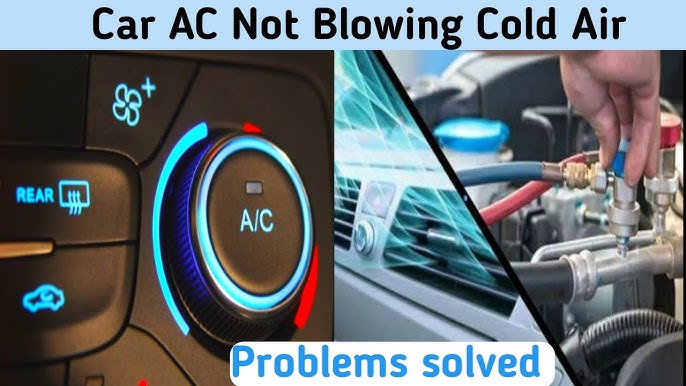
Is your car’s air conditioner blowing warm air instead of the cool breeze you need? You’re not alone.
When your car AC stops cooling, it’s frustrating and uncomfortable—especially on hot days. But why does this happen? Understanding the common reasons behind your car’s AC failure can save you time, money, and stress. Keep reading to discover the simple fixes and key signs you shouldn’t ignore, so you can get back to driving in comfort.
Common Causes Of Ac Failure
Car air conditioners can stop cooling for several reasons. Knowing common causes helps you fix the problem faster.
Some issues are simple to repair, while others may need expert help. Check these common causes below.
Low Refrigerant Levels
Refrigerant is the gas that cools the air in your car. If the level is low, the AC won’t blow cold air.
Leaks in the system or normal wear can cause refrigerant to drop. A recharge is needed to restore cooling.
Faulty Compressor
The compressor moves refrigerant through the AC system. If it breaks, the AC will not cool the air.
A faulty compressor may make strange noises or not turn on at all. It usually needs repair or replacement.
Clogged Condenser
The condenser cools the refrigerant by releasing heat outside the car. Dirt or debris can block it.
A clogged condenser lowers cooling power. Cleaning the condenser helps the AC work better again.
Electrical Issues
Wiring problems or blown fuses can stop the AC system from working. Electrical faults affect many parts.
Testing the electrical system can find broken wires or bad switches. Fixing these restores AC function.
Damaged Cooling Fans
Cooling fans help remove heat from the condenser. If fans are broken, the AC cannot cool properly.
Fans may stop due to motor failure or broken blades. Repairing or replacing fans improves cooling.
Signs Your Ac Needs Attention
Your car’s air conditioner is important for comfort during hot days. If it stops cooling, you should check for problems.
Some signs show your AC needs repair or maintenance. Watch for these warning signals to avoid bigger issues.
Warm Air Blowing
If your AC blows warm or hot air instead of cold, it means the cooling system is not working. This can happen because of low refrigerant or a broken compressor.
Strange Noises
Unusual sounds from the AC system can mean trouble. Noises like grinding, squealing, or rattling show parts may be damaged or loose.
- Grinding noise: compressor or motor problem
- Squealing noise: worn-out belt
- Rattling noise: loose parts or debris
Foul Odors
Bad smells from the AC vents can signal mold or bacteria growth inside the system. This happens if moisture builds up without proper drainage.
| Cause | Description |
|---|---|
| Mold | Grows in damp parts, causing musty smell |
| Bacteria | Builds up in drain lines, creating bad odors |
| Clogged Filter | Traps dirt and smells inside the vents |
Water Leaks
Water leaking inside the car from the AC vents or under the dashboard means a blocked drain or frozen evaporator coil. This needs quick fixing to prevent damage.
Simple Diy Fixes
If your car’s air conditioner is not cooling, you can try some simple fixes yourself.
These easy checks can help you find and solve common problems without a mechanic.
Checking Refrigerant Levels
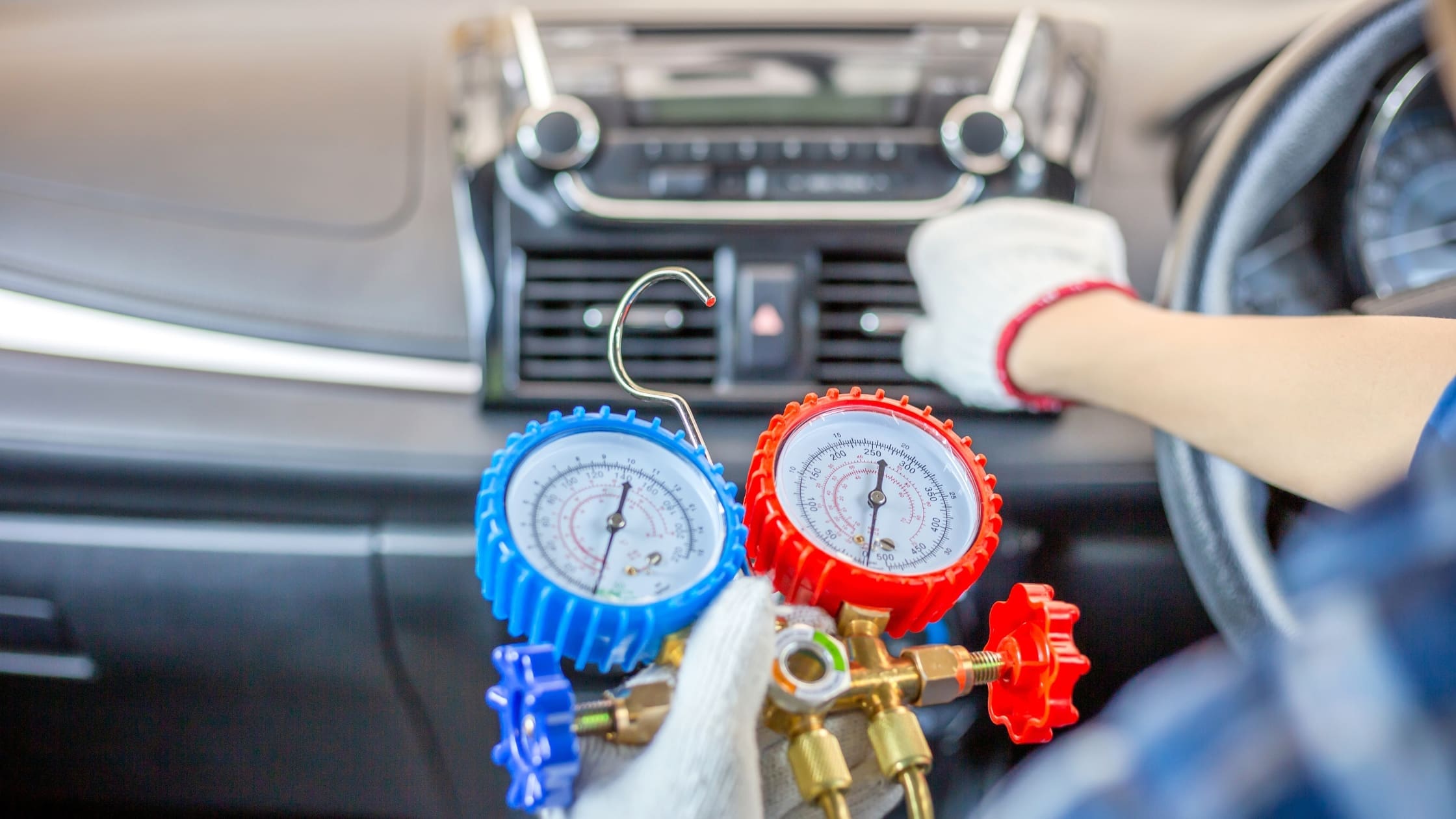
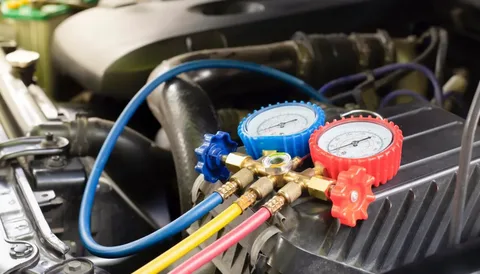
Low refrigerant is a common cause of poor cooling. You can buy a refrigerant gauge kit to check levels.
Look for leaks in hoses or connections. If you find any, avoid adding refrigerant and get professional help.
Cleaning The Condenser
Dirt and debris on the condenser block airflow and reduce cooling. Cleaning it can improve AC performance.
- Open the hood and locate the condenser in front of the radiator.
- Use a soft brush or compressed air to remove dirt and leaves.
- Be gentle to avoid damaging the fins.
- Check again after cleaning for better cooling.
Replacing Cabin Air Filter
A dirty cabin air filter reduces airflow and cooling inside the car. Replacing it is quick and easy.
| Signs of Dirty Cabin Air Filter | Effect on AC |
| Bad smell inside car | Unpleasant air |
| Reduced airflow from vents | Less cooling |
| Dust on dashboard | Air quality drop |
Check your car manual for filter location and replacement steps.
Inspecting Fuses And Relays
Fuses or relays control the AC compressor and fan. A blown fuse or bad relay stops cooling.
- Locate the fuse box under the dashboard or hood.
- Use the car manual to find AC-related fuses and relays.
- Remove the fuse and check if the metal strip is broken.
- Replace any blown fuse with the same rating.
- Test the AC to see if it cools properly.
Credit: www.hi-speedtyres.co.uk
When To Seek Professional Help
Your car’s air conditioner may stop cooling for many reasons. Some fixes are simple, but others need expert care.
Knowing when to call a professional helps avoid damage and saves money in the long run.
Complex Compressor Repairs
The compressor is the heart of your AC system. It pumps refrigerant through the system to cool the air.
If the compressor fails, it needs special tools and skills to fix or replace. Trying to repair it yourself can cause more damage.
Recharging Refrigerant Safely
Low refrigerant is a common cause of poor AC cooling. But adding refrigerant is not simple or safe for beginners.
Professionals know how to check refrigerant levels and add the right amount. They use safe equipment to avoid leaks or hazards.
- Proper refrigerant type and amount
- Safe handling to avoid exposure
- Detecting leaks before recharging
Electrical System Diagnostics
Your car’s AC relies on electrical parts like fuses, switches, and sensors. These parts can fail and stop the AC from working.
Experts use special tools to test electrical circuits. They find hidden problems that are hard to spot without training.
Preventive Maintenance Tips
Car air conditioners can stop cooling if they are not well maintained. Regular care helps keep the system working well.
Simple maintenance steps can prevent many common AC problems. These tips help your AC stay cool and efficient.
Regular Ac System Checks
Check your car’s AC system regularly to find small issues early. Look for leaks, strange noises, or weak airflow.
Have a mechanic inspect the refrigerant level and compressor condition. Low refrigerant or a bad compressor can stop cooling.
- Inspect refrigerant level every 6 months
- Listen for unusual compressor sounds
- Check air filter and replace if dirty
- Look for leaks in hoses and connections
Keeping Condenser Clean
The condenser cools the refrigerant. Dirt and debris can block airflow and reduce cooling power.
Clean the condenser gently with water or air. Avoid using strong chemicals that can damage it.
- Check condenser for leaves, bugs, or dirt
- Use a soft brush or air blower to clean
- Clean at least twice a year for best results
- Be careful not to bend the fins
Using Ac Properly
Use your car’s AC wisely to avoid strain. Turn it on before it gets very hot inside the car.
Do not keep the AC on max all the time. Set the temperature to a comfortable level and use recirculation mode when needed.
- Start AC a few minutes before driving
- Use recirculation mode on hot days
- Avoid running AC on max for long times
- Turn off AC when not needed

Credit: www.reddit.com
Credit: wefixautoservices.com
Frequently Asked Questions
Why Is My Car Ac Blowing Warm Air?
Your car AC might blow warm air due to low refrigerant levels, a common issue. Other causes include a faulty compressor, a clogged condenser, or electrical problems. Regular maintenance can help identify and fix these issues early, ensuring your AC functions effectively.
How Do I Check Car Ac Refrigerant Levels?
To check refrigerant levels, use a pressure gauge on the low-pressure port. If the pressure is below recommended levels, it may indicate a leak. Always consult a professional for accurate diagnosis and repair to avoid further damage to your car’s AC system.
What Causes Ac Compressor Failure?
AC compressor failure can be caused by electrical issues, refrigerant leaks, or lack of lubrication. Over time, wear and tear can also lead to breakdowns. Regular maintenance and timely repairs can prevent most compressor issues, ensuring your car’s AC system runs smoothly.
How Often Should I Service My Car Ac?
Service your car’s AC at least once a year. Regular maintenance can help detect issues early, ensuring optimal performance. It includes checking refrigerant levels, inspecting components, and cleaning filters. This can extend the life of your AC system and improve cooling efficiency.
Conclusion
A car air conditioner not cooling can be frustrating. Common causes include low refrigerant, dirty filters, or a broken compressor. Regular maintenance helps keep your AC working well. Don’t ignore strange noises or weak airflow. Fixing small problems early saves money later.
Stay cool by checking your car’s AC system often. Simple care keeps your drives comfortable and safe. Take action soon to enjoy cool air again.