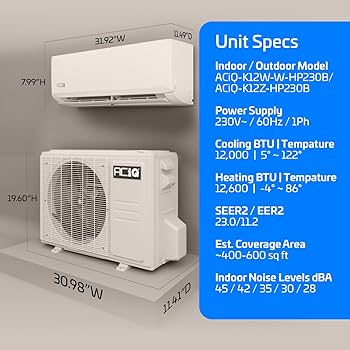
Have you ever wondered what the term “BTU” means when you’re shopping for an air conditioner? Understanding BTU can make a big difference in choosing the right unit for your space.
If your air conditioner is too small, it won’t cool your room properly. If it’s too big, you’ll waste energy and money. This simple number holds the key to your comfort and savings. Keep reading, and you’ll learn exactly what a BTU is and why it matters for your home.
Btu Basics
BTU is a unit that measures heat energy. It helps us understand air conditioner power.
Knowing about BTU can help you pick the right air conditioner for your space.
What Btu Means
BTU stands for British Thermal Unit. It is the amount of heat needed to raise one pound of water by one degree Fahrenheit.
- BTU measures heat energy.
- It shows how much heat an air conditioner can remove.
- Higher BTU means stronger cooling power.
Btu And Cooling Power
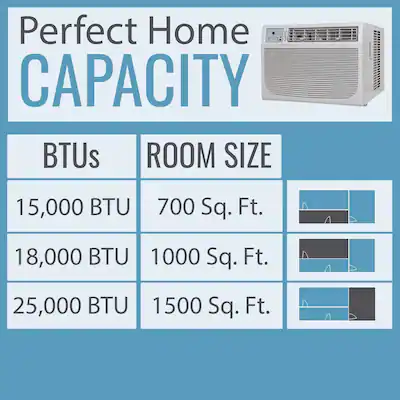
BTU tells how well an air conditioner cools a room. Different room sizes need different BTU levels.
| Room Size (Square Feet) | Recommended BTU |
|---|---|
| Up to 150 | 5,000 BTU |
| 150 to 250 | 6,000 BTU |
| 250 to 350 | 8,000 BTU |
| 350 to 450 | 10,000 BTU |
| 450 to 550 | 12,000 BTU |
Credit: www.bestbuy.com
Btu And Air Conditioners
BTU stands for British Thermal Unit. It measures how much heat an air conditioner can remove from a room in one hour.
Air conditioners use BTU to show their cooling power. The higher the BTU, the more cooling the unit can provide.
How Btu Affects Ac Performance
BTU size affects how well an air conditioner cools a space. A unit with the right BTU cools quickly and saves energy.
If the BTU is too low, the room stays warm. If it is too high, the AC uses too much power and feels uncomfortable.
- Low BTU: Poor cooling and high humidity
- Correct BTU: Efficient cooling and comfort
- High BTU: Frequent on/off cycles and wasted energy
Common Btu Ratings
Air conditioners come with different BTU ratings to fit various room sizes. Choosing the right size is important.
| Room Size (sq ft) | BTU Rating |
|---|---|
| Up to 150 | 5,000 BTU |
| 150 – 250 | 6,000 BTU |
| 250 – 350 | 8,000 BTU |
| 350 – 450 | 10,000 BTU |
| 450 – 550 | 12,000 BTU |
Choosing The Right Btu
BTU stands for British Thermal Unit. It measures how much heat an air conditioner can remove. Picking the right BTU size helps cool your room well and saves energy.
If your air conditioner is too small, it won’t cool the room properly. If it is too big, it will waste energy and cost more money.
Room Size And Btu Needs
The size of your room is the main factor for choosing BTU. Bigger rooms need more BTUs to cool them effectively.
Measure your room’s length and width in feet. Multiply these numbers to get the square footage. This helps find the right BTU size.
- Up to 150 sq. ft.: 5,000 BTU
- 150 – 250 sq. ft.: 6,000 BTU
- 250 – 350 sq. ft.: 8,000 BTU
- 350 – 450 sq. ft.: 10,000 BTU
- 450 – 550 sq. ft.: 12,000 BTU
Climate Considerations
Where you live affects how many BTUs you need. Hotter climates need stronger air conditioners with more BTUs.
If you live in a warm place, add about 10% to the BTU size. Cooler areas may need less power to cool the same room.
- Hot climates: Increase BTU by 10%
- Cool climates: Decrease BTU by 10%
- Moderate climates: Use standard BTU sizing
Insulation Impact
Good insulation keeps cool air inside. Poor insulation lets heat in, so you need more BTUs to cool the room.
Check your windows, doors, and walls for leaks or gaps. Fixing these can lower the BTU size needed and save money.
- Well-insulated rooms: Use standard BTU size
- Poorly insulated rooms: Increase BTU by 10-20%
- Rooms with many windows: Add extra BTUs
Btu And Energy Efficiency
BTU stands for British Thermal Unit. It measures how much heat an air conditioner can remove. This number shows the cooling power of the unit.
Energy efficiency tells us how well the air conditioner uses electricity. A unit with high efficiency cools your space but uses less power.
Btu Vs. Power Consumption
BTU shows cooling capacity, but it does not tell the full story about energy use. Power consumption tells how much electricity the unit uses.
| BTU Rating | Approximate Room Size | Power Consumption (Watts) |
|---|---|---|
| 5,000 BTU | Up to 150 sq ft | 500 W |
| 8,000 BTU | 150 – 350 sq ft | 800 W |
| 12,000 BTU | 350 – 550 sq ft | 1,200 W |
| 18,000 BTU | 550 – 1,000 sq ft | 1,800 W |
Choosing the right BTU size helps the air conditioner work efficiently. Too high or low BTU means more power use and less comfort.
Energy Star Ratings
Energy Star ratings show if an air conditioner meets strict energy efficiency rules. These units save electricity and reduce bills.
- Look for the Energy Star label when buying an air conditioner.
- Energy Star units use about 10% less energy than standard models.
- They help lower your carbon footprint by using less power.
- Energy Star ratings include seasonal energy efficiency ratio (SEER) scores.
Btu Misconceptions
BTU stands for British Thermal Unit. It measures the cooling power of an air conditioner. Many people think bigger BTU means better cooling. That is not always true.
Choosing the right BTU size is important. Too many BTUs can cause problems. Too few BTUs can also hurt your comfort.
Too High Btu Issues
Using an air conditioner with too many BTUs can cool a room fast. But this can cause the unit to stop and start often. This is called short cycling.
- Short cycling wears out parts quickly.
- It wastes electricity and raises bills.
- The room may feel cold but still humid.
- Uneven cooling can happen in the space.
Too Low Btu Problems
Choosing an air conditioner with too few BTUs means it works too hard. It may run all day but not cool well.
| Problem | Effect |
| Overworking | Shorter AC lifespan |
| Insufficient cooling | Uncomfortable room temperature |
| Higher electricity use | Increased energy bills |
| More repairs | Extra maintenance costs |

Credit: minisplitsystemsdirect.com
Measuring Btu Needs
BTU stands for British Thermal Unit. It measures how much heat an air conditioner can remove.
Knowing the right BTU size helps keep your room cool and saves energy.
Calculating Cooling Load
Cooling load means the amount of heat inside a room. It depends on room size and heat sources.
To calculate cooling load, measure the room’s length, width, and height. Then find the volume.
- Multiply room length by width to get floor area
- Multiply floor area by ceiling height for volume
- Consider windows, doors, and sunlight
- Factor in number of people and appliances
Tools For Btu Estimation
Many online calculators help estimate BTU needs. They ask for room size and other details.
Some tools also consider climate, insulation, and heat from electronics.
- Room size and shape input
- Window type and direction
- Number of people in the room
- Appliances and lighting heat output
Improving Cooling With Btu
BTU stands for British Thermal Unit. It measures how much heat an air conditioner can remove from a room. Choosing the right BTU helps your AC cool better and saves energy.
Understanding BTU helps you pick the right size AC. Too small or too large BTU lowers comfort and wastes power. Let’s explore how to boost AC efficiency and maintain your system.
Boosting Ac Efficiency
Using the correct BTU rating improves your AC’s cooling power. A properly sized unit cools the room evenly and quickly. You avoid constant running or short cycling of the compressor.
- Measure your room size before buying an AC.
- Match the BTU to the room area (e.g., 20 BTU per square foot).
- Keep windows and doors closed while running AC.
- Use blinds or curtains to block sunlight.
- Avoid placing heat sources near the thermostat.
Maintenance Tips
Regular maintenance keeps your AC running at full power. Clean filters and check parts often to prevent loss of cooling capacity. Well-maintained systems use BTU efficiently.
| Maintenance Task | Frequency | Benefit |
| Clean or replace air filters | Every 1-3 months | Better airflow and cooling |
| Check refrigerant levels | Yearly | Proper cooling performance |
| Inspect and clean coils | Yearly | Prevents overheating |
| Clear debris around outdoor unit | Monthly | Improves heat exchange |
Credit: www.homedepot.com
Frequently Asked Questions
What Does Btu Mean In Air Conditioners?
Btu, or British Thermal Unit, measures an air conditioner’s cooling capacity. It represents the amount of heat removed from a space per hour. A higher Btu rating indicates a more powerful air conditioner, suitable for larger spaces. Understanding Btu helps in choosing the right unit for efficient cooling.
How Do Btu Ratings Affect Cooling?
Btu ratings determine how effectively an air conditioner cools a space. A higher Btu rating means more cooling power, suitable for larger rooms. Conversely, a lower Btu rating is ideal for smaller spaces. Proper Btu selection ensures efficient energy use and optimal comfort in your environment.
Why Is Btu Important In Air Conditioning?
Btu is crucial for matching air conditioner capacity with room size. Proper Btu ensures efficient energy use and maintains comfort. An incorrectly sized unit, either too high or too low, can lead to energy waste or inadequate cooling. Knowing Btu helps in selecting the right unit for your needs.
How To Calculate Required Btu For A Room?
To calculate Btu, consider room size, ceiling height, and insulation. Use an online Btu calculator or consult a professional. Generally, multiply room area by 20 for a basic estimate. Adjust for factors like sunlight exposure and number of occupants to ensure efficient cooling and energy use.
Conclusion
Understanding BTU helps you choose the right air conditioner size. It shows how much heat the unit can remove. Picking the correct BTU keeps your room comfortable and saves energy. Too low BTU means weak cooling. Too high BTU wastes power and money.
Always check the BTU rating before buying. This small step makes a big difference. Keep your space cool and efficient with the right BTU. Simple and smart choice for better comfort.