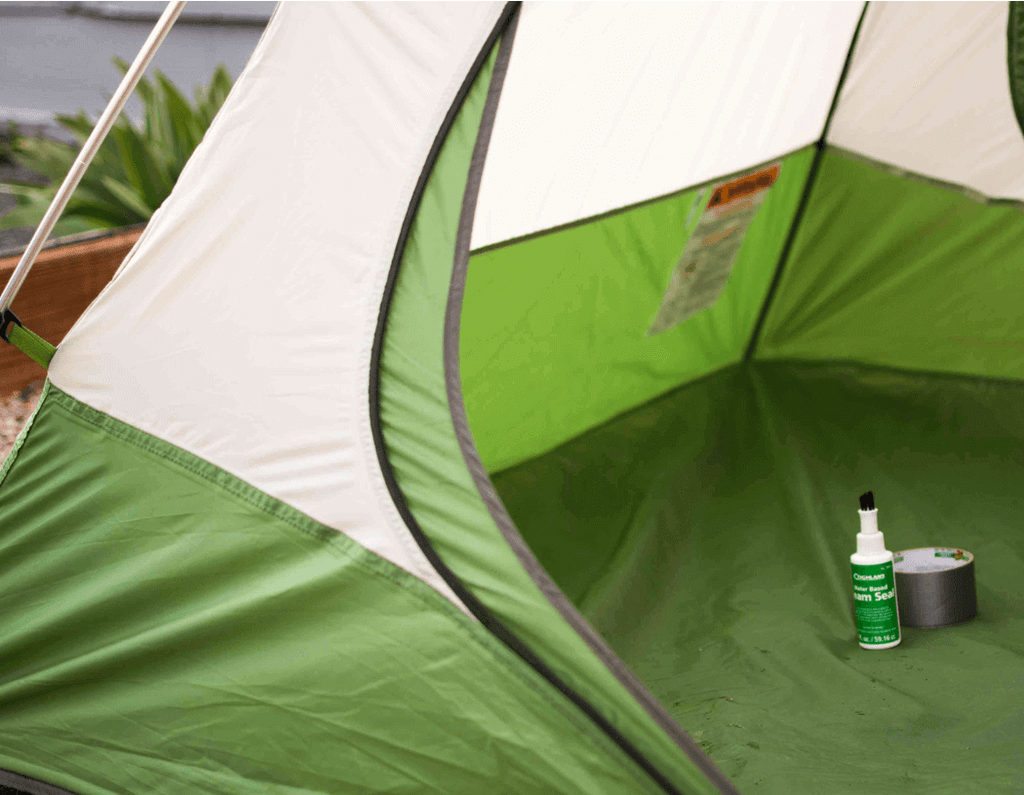
Mold on your tent can turn a fun camping trip into a messy nightmare. If you’ve noticed those stubborn black or green spots creeping across your fabric, you’re not alone—and the good news is, you can fix it.
Getting mold off your tent isn’t just about keeping it clean; it’s about protecting your health and making sure your gear lasts for many adventures to come. You’ll discover simple, effective steps to remove mold quickly and safely, so your tent looks fresh and ready for your next outdoor escape.
Keep reading—you’ll be surprised how easy it is to bring your tent back to life!

Credit: www.reddit.com
Identify Mold On Your Tent
Mold can damage your tent fabric and cause health problems. It is important to spot mold early. Knowing how to identify mold helps you clean your tent properly.
Mold often grows in damp and dark places. It can look like spots or stains. Learn where to check and what signs to look for on your tent.
Common Mold Signs
Mold on tents usually appears in several ways. You might see discoloration or feel a musty smell. The fabric may also feel sticky or slimy.
- Dark spots that are black, green, or gray
- White or powdery patches on the fabric
- A strong, musty odor inside the tent
- Sticky or slimy areas on the tent walls
- Fabric that feels damp even after drying
Areas Prone To Mold Growth
Mold grows best in certain parts of your tent. Look carefully in these spots to catch mold early.
| Area | Reason for Mold Growth |
| Inside corners | Traps moisture and has less airflow |
| Seams and folds | Water often collects and stays damp |
| Floor of the tent | Contact with wet ground causes dampness |
| Storage pockets | Items inside can trap moisture |
| Tent rainfly | Exposed to rain and humidity |

Credit: www.gearaid.com
Prepare Your Tent For Cleaning
Before you clean mold off your tent, it is important to get it ready. Proper preparation helps remove mold safely and keeps your tent in good shape.
Taking time to prepare makes cleaning easier and more effective. This guide will help you prepare your tent step by step.
Choose A Suitable Location
Pick a spot with good air flow and enough space to spread out your tent. Avoid places with direct sunlight to stop mold growth during cleaning.
Choose an area where water and cleaning solutions can drain safely. This protects plants and surfaces from damage.
- Use a flat surface to keep the tent stable
- Find a shaded area to prevent quick drying
- Pick a place with access to water
- Avoid windy spots to stop debris from sticking
Gather Cleaning Supplies
Collect all tools and cleaning agents before you start. This saves time and lets you focus on cleaning without interruption.
Choose gentle cleaners made for fabric to avoid damaging your tent. Avoid harsh chemicals like bleach that can weaken the material.
- Soft brush or sponge for scrubbing
- Mild soap or tent cleaner
- Spray bottle with water
- Bucket for mixing cleaning solution
- Protective gloves to keep hands safe
- Clean towels for drying
Safe Mold Removal Techniques
Mold on a tent can damage the fabric and cause health problems. It is important to clean mold safely without harming the tent.
Using gentle cleaning methods protects your tent and keeps you safe from strong chemicals. Here are some easy ways to remove mold.
Using Mild Soap Solutions
Mild soap and water can remove mold from tent surfaces. Use a gentle detergent that does not contain bleach.
Mix soap with warm water and use a soft brush or cloth. Gently scrub the mold spots and rinse well with clean water.
- Use mild liquid soap or dish detergent
- Mix 1 tablespoon of soap with 1 cup of warm water
- Scrub gently to avoid damaging fabric
- Rinse thoroughly and dry completely
Applying Vinegar Or Baking Soda
White vinegar kills mold and is safe for most tent fabrics. Spray or dab vinegar on moldy areas and let it sit for 30 minutes.
Baking soda works well to absorb mold and odors. Make a paste with water and baking soda, apply to the mold, then scrub and rinse.
- Spray undiluted white vinegar on mold spots
- Leave for 30 minutes, then wipe clean
- Mix 3 parts baking soda with 1 part water to form paste
- Apply paste, scrub gently, rinse, and dry
Avoiding Harsh Chemicals
Strong chemicals can damage your tent fabric and harm your health. Avoid bleach, ammonia, and other harsh cleaners.
Stick to natural or mild cleaning agents. Always test any cleaner on a small hidden area before full use.
- Do not use bleach or ammonia on tents
- Avoid cleaners that can weaken waterproof coatings
- Test cleaning solution on a small area first
- Wear gloves and work in a well-ventilated space
Credit: www.gearaid.com
Deep Cleaning Stubborn Mold
Removing mold from a tent needs more than just wiping the surface. Deep cleaning helps get rid of mold that has settled deep into the fabric.
Using the right methods and products can make the process easier and protect your tent from damage.
Spot Treatment Methods
Spot treating mold means focusing on areas with visible growth. This method helps stop mold from spreading and ruining the tent fabric.
- Mix a solution of water and mild detergent.
- Use a soft brush or cloth to scrub the mold spots gently.
- Rinse the area with clean water to remove soap and mold residues.
- Dry the tent completely in the sun to prevent mold from returning.
Using Specialized Mold Removers
Specialized mold removers can remove tough mold stains without harming the tent. Choose products made for outdoor fabrics.
| Remover Type | How to Use | Precautions |
| Oxygen-based cleaner | Apply, wait 10 minutes, rinse well | Test on a small area first |
| Vinegar solution | Spray directly, scrub gently, rinse | May leave a smell, air out tent |
| Commercial mold remover | Follow label instructions carefully | Use gloves and work outside |
Drying And Preventing Future Mold
Mold grows on tents if they stay wet for too long. Drying your tent properly stops mold from coming back. Good storage also keeps mold away.
Learn how to dry your tent the right way. Use smart storage tips to protect your tent from mold.
Proper Drying Techniques
Always dry your tent fully before packing it away. Moisture trapped inside invites mold growth. Find a shaded, ventilated spot to dry your tent.
Do not dry your tent under direct sunlight for long. It can damage the fabric. Open all doors and windows for better airflow.
- Set up the tent outdoors on a dry day
- Open all zippers and flaps
- Use a fan or breeze to speed drying
- Check for damp spots before packing
- Do not fold the tent while wet
Storage Tips To Keep Mold Away
Store your tent in a cool, dry place. Avoid damp basements or garages. Use a breathable storage bag instead of plastic.
Keep the tent loose in the bag to let air circulate. Regularly check your tent for any damp spots during storage.
- Use a cotton or mesh storage bag
- Store tent away from direct sunlight
- Keep the tent loosely folded or rolled
- Check and air out tent every few months
- Keep storage area dry and well ventilated
When To Replace Your Tent
Knowing when to replace your tent helps keep you safe and comfortable. Mold damage can weaken the fabric and cause health risks.
Some damage cannot be fixed by cleaning. It is important to spot signs that mean replacement is needed.
Signs Of Irreversible Damage
Look carefully for damage that cannot be repaired. This includes mold that has eaten through the fabric or caused holes.
- Large holes or tears in the tent fabric
- Fabrics that feel thin or brittle
- Persistent black or green mold spots that do not clean off
- Foul odors that remain after washing
- Broken or rusted zippers and poles
Safety Considerations
Mold can cause health problems like allergies or breathing issues. Using a moldy tent risks your health during camping.
| Risk | Reason |
| Allergic Reactions | Mold spores irritate the skin and lungs |
| Respiratory Issues | Breathing in mold spores causes coughing and wheezing |
| Weakened Tent Structure | Damaged fabric may fail in bad weather |
| Unpleasant Camping Experience | Strong mold smell affects comfort |
Frequently Asked Questions
How Do You Safely Clean Mold Off A Tent?
To clean mold off a tent, mix water with mild soap or vinegar. Gently scrub the affected area using a soft brush. Rinse thoroughly and let it dry completely in sunlight. This method is effective and safe for most tent materials.
Can Vinegar Remove Mold From A Tent?
Yes, vinegar can effectively remove mold from a tent. Mix equal parts water and white vinegar in a spray bottle. Spray the solution on the moldy area, let it sit for 15 minutes, and scrub gently. Rinse and dry thoroughly to prevent further mold growth.
Does Sunlight Kill Mold On A Tent?
Sunlight is a natural mold killer due to UV rays. After cleaning your tent, place it in direct sunlight. This helps kill remaining mold spores and prevents future growth. Ensure the tent is completely dry before storing to avoid mold recurrence.
What Natural Methods Remove Mold From A Tent?
Natural methods include using vinegar, baking soda, or lemon juice. Mix with water and apply to moldy areas. Scrub gently and rinse. Sun-drying the tent afterward enhances mold removal. These methods are eco-friendly and effective in treating mold.
Conclusion
Mold can damage your tent and make camping unpleasant. Clean the mold quickly using gentle scrubbing and mild soap. Always dry your tent completely before storing it away. Keep your tent in a cool, dry place to stop mold growth.
Regular checks help catch mold early and protect your gear. A clean tent lasts longer and stays safe for use. Take these simple steps to enjoy your outdoor trips worry-free. Mold removal is easy with the right care and attention.