Choosing the right size climbing shoe can make or break your climbing experience. If your shoes are too tight, your feet will hurt and distract you.
If they’re too loose, you’ll lose grip and control. You might be wondering, “What size climbing shoe should I get? ” This guide will help you find the perfect fit for comfort and performance. Keep reading to discover simple tips that will make climbing feel easier and more enjoyable from your very first step.
Choosing The Right Fit
Picking the right size for climbing shoes is important for comfort and performance. Shoes that fit well help you climb better and avoid injuries.
Climbing shoes should feel snug but not painfully tight. The right fit depends on your foot shape and climbing style.
Importance Of Proper Fit
Properly fitting climbing shoes give you better control and grip on the rock or wall. Shoes that are too loose can cause slipping and blisters.
If shoes are too tight, they can hurt your toes and feet. This can lead to pain and long-term problems. A good fit means your toes are slightly curled but not crushed.
- Good fit improves climbing precision
- Prevents foot pain and injuries
- Helps maintain foot health
- Increases comfort during climbs
Common Fit Types
Climbing shoes come in different fits to match various foot shapes. Knowing your fit type helps you find the right shoe size and style.
Here are common fit types you might find:
- Neutral Fit:Comfortable, with room for toes. Good for beginners and long climbs.
- Moderate Fit:Slightly snug with toes touching the front. Offers better precision.
- Aggressive Fit:Tight and downturned for maximum control. Used by advanced climbers.
Measuring Your Foot
Choosing the right climbing shoe size starts with measuring your foot. Proper measurement helps you find shoes that fit well and feel comfortable.
Use simple tools like a ruler and paper to get accurate foot size. Measure both feet as sizes can vary.
Length And Width
Measure your foot length by standing on a piece of paper and marking the heel and longest toe. Use a ruler to find the distance in centimeters or inches.
- Place your foot flat on paper
- Mark the back of your heel
- Mark the tip of your longest toe
- Measure the distance between marks
- Repeat for the other foot
For width, wrap a tape measure around the widest part of your foot. Note this measurement to ensure the shoe fits well across your foot.
Arch And Volume
Arch height and foot volume affect climbing shoe fit. People with high arches or thick feet need more room inside the shoe.
| Foot Type | Arch Height | Fit Consideration |
|---|---|---|
| Low Arch | Flat or low | Choose shoes with less volume and tighter fit |
| Normal Arch | Medium height | Standard shoe volume usually fits well |
| High Arch | High | Look for shoes with extra volume and arch support |
Sizing Differences By Brand
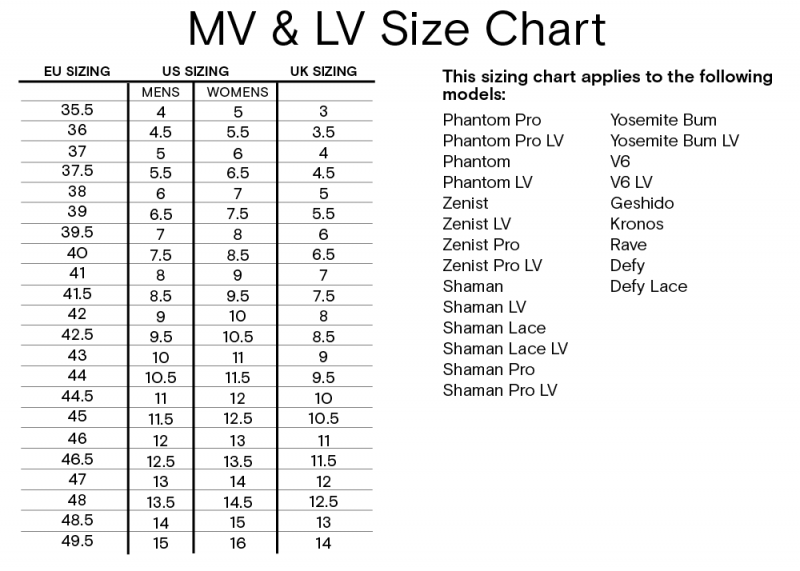
Choosing the right climbing shoe size can be tricky. Each brand uses its own sizing system.
Shoes from different brands may fit differently even if the size number is the same.
Variations In Sizing Standards
Brands follow different sizing standards based on country or design. For example, some use US sizes, others use EU or UK sizes.
Even within the same sizing system, shoe shapes and lasts vary. This changes how tight or loose a shoe feels.
- Some brands run small, so you may need a bigger size.
- Others run large, meaning a smaller size fits better.
- Width and toe box shapes also differ across brands.
- Materials used can stretch or stay firm over time.
Trying Multiple Brands
Try on climbing shoes from different brands to find your best fit. Don’t rely on your usual shoe size.
Wear climbing socks or go barefoot as you plan to climb. Check comfort and toe position carefully.
- Test the fit with your foot flexed and relaxed.
- Feel for pressure points or loose areas.
- Walk and climb a bit in the store if possible.
- Ask for help from staff or experienced climbers.
Types Of Climbing Shoes
Climbing shoes come in different shapes and styles. Each type fits a specific climbing need.
Choosing the right shoe size depends on the shoe type. Let’s explore how shoe shape affects sizing.
Aggressive Vs. Neutral
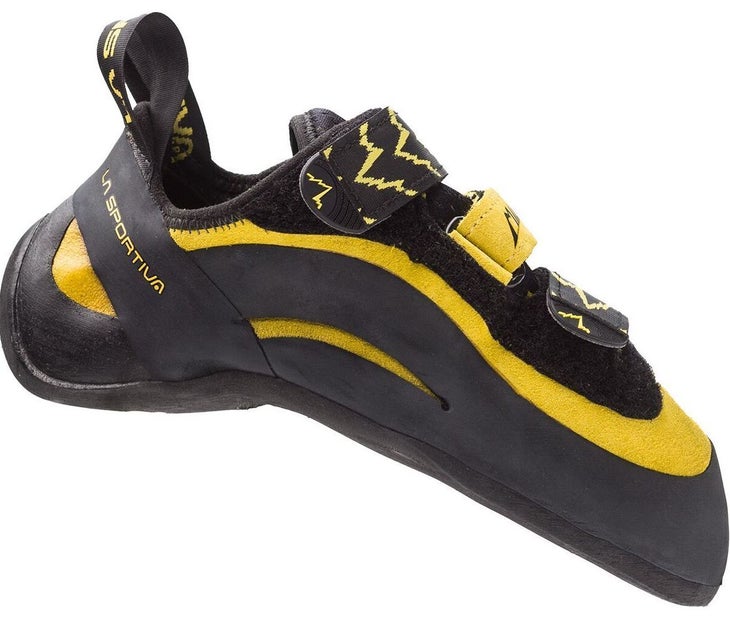
Aggressive climbing shoes have a downturned shape. They focus power on the toes for steep climbs.
Neutral shoes have a flat shape. They provide comfort for long climbs and walking.
- Aggressive shoes often feel tighter.
- Neutral shoes fit closer to normal shoe size.
- Aggressive shoes help in difficult moves.
- Neutral shoes are better for all-day comfort.
Impact On Sizing Choices
Aggressive shoes usually need you to pick a smaller size. This helps with precision and grip.
Neutral shoes fit true to size or slightly smaller. They focus on comfort over tightness.
- Try aggressive shoes with no extra space.
- Choose neutral shoes with a snug but comfortable fit.
- Always test shoes with your climbing socks or bare feet.
Trying On Climbing Shoes
Choosing the right size climbing shoe is key for comfort and performance. Trying shoes on helps find the best fit for your feet.
Climbing shoes should feel snug but not painfully tight. Testing them in the store lets you check how they fit before buying.
Testing Fit At The Store
Wear the shoes and lace or fasten them fully. Stand and walk around to feel how they hold your feet.
Try different sizes and brands. Feet vary, so one brand might fit better than another.
- Put on climbing socks if you use them
- Check toe and heel fit carefully
- Test shoes on both feet, as sizes can differ
- Try small movements like standing on toes
Signs Of A Good Fit
A good climbing shoe fits tight but does not cause pain or numbness. Your toes should be slightly curled.
The heel should feel snug without slipping. Shoes that are too loose reduce control on climbs.
- Snug fit around the entire foot
- Toes gently touching the front but not crushed
- Heel holds firmly without gaps
- No painful pressure points or numbness
- Comfort lasts after walking a few minutes

Credit: www.reddit.com
Breaking In Your Shoes
New climbing shoes often feel tight and stiff. Breaking them in helps the shoes fit your feet better.
Wearing your shoes several times softens the material. This makes climbing more comfortable and effective.
Expected Changes Over Time
At first, your shoes will feel very snug and firm. The material will start to stretch and soften after a few uses.
The shoes will form to your foot shape. Some tightness remains, but pressure points should ease up.
- The rubber soles will become more flexible.
- Leather or synthetic uppers will stretch slightly.
- The shoes will feel less painful after several climbs.
Tips To Speed Up Break-in
Wear your shoes at home for short times before climbing. This helps the material soften faster.
Try climbing easy routes at first. Avoid pushing your feet too hard during the break-in period.
- Use a shoe stretcher for tight spots if needed.
- Wear thin socks to reduce friction.
- Keep shoes dry and clean to avoid material damage.
- Patience is key—break-in takes time.
Common Sizing Mistakes
Choosing the right climbing shoe size is very important. Many climbers make mistakes that hurt their comfort and performance.
This guide explains two common sizing mistakes to help you pick the best fit for your climbing shoes.
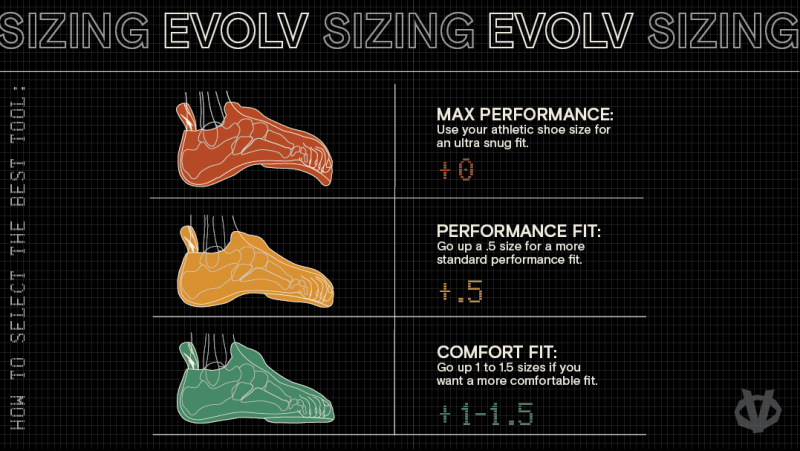
Choosing Too Large
Shoes that are too big can cause slipping inside the shoe. This reduces control and can lead to blisters.
Loose shoes make it harder to feel the rock or wall. This lowers your climbing precision and safety.
- Feet slide inside the shoe
- Less precise foot placement
- Increased chance of blisters
- Less power on small holds
Choosing Too Small
Shoes that are too small cause pain and numbness. This happens because of tight pressure on your toes.
Wearing very tight shoes can hurt your feet over time. It may cause long-term foot problems.
- Toe pain and numbness
- Reduced blood flow
- Foot injuries over time
- Discomfort that distracts climbing
Credit: www.evolvsports.com
Special Considerations
Choosing the right size climbing shoe is important for comfort and performance. Your foot shape and climbing style affect the size you should get.
Special factors like foot problems or shoe stiffness also change the best fit. Knowing these can help you pick better shoes.
Sizing For Different Climbing Styles
Climbing styles need different shoe fits. For example, bouldering needs tighter shoes than long trad climbs.
Tight shoes give better control on short climbs. For long climbs, comfort is more important to avoid pain.
- Bouldering: Choose snug shoes for precise footwork.
- Sport Climbing: Find a balance between fit and comfort.
- Trad Climbing: Pick shoes with more comfort for long wear.
- Crack Climbing: Consider shoes that fit well but allow foot jamming.
Adjusting For Foot Issues
Foot problems like wide feet or high arches need special shoe choices. Too tight shoes can cause pain or injury.
You may need to size up or pick shoes with stretch or soft materials to help fit your foot shape.
- Wide feet: Look for wider models or stretchable materials.
- High arches: Shoes with good arch support help comfort.
- Flat feet: Softer shoes can reduce pressure points.
- Bunions or toes issues: Avoid tight, narrow shoes that add pain.
Credit: www.climbing.com
Frequently Asked Questions
How Tight Should Climbing Shoes Be?
Climbing shoes should be snug but not painfully tight. Your toes should lightly touch the front without cramming. A secure fit ensures better performance, but comfort is crucial to avoid foot pain. Remember, shoes tend to stretch slightly over time, so consider this when choosing the right size.
Are Climbing Shoe Sizes The Same As Regular Shoes?
Climbing shoe sizes often differ from regular shoe sizes. Brands have varying sizing standards, so always check size charts. Trying shoes in-store is ideal for ensuring the best fit. If buying online, read reviews about sizing accuracy. Proper fit is key to performance and comfort.
Should Beginners Size Down Climbing Shoes?
Beginners should focus on comfort over a tight fit. A snug but not overly tight shoe helps in learning. Opt for shoes that allow some toe movement without excessive space. This balance aids in climbing progression while minimizing discomfort, making the learning process more enjoyable.
Can I Stretch My Climbing Shoes?
Climbing shoes can slightly stretch over time, especially leather ones. However, don’t rely on stretching for a better fit. Choose shoes that are initially snug but comfortable. If stretching is needed, wear them with socks indoors or use shoe stretchers for minor adjustments.
Conclusion
Choosing the right climbing shoe size matters a lot. Shoes that fit well feel comfortable and help you climb better. Avoid shoes that are too tight or too loose. Try different sizes and brands to find your best fit. Remember, a snug fit supports your foot without pain.
Take your time and test your shoes carefully before buying. Good fit means safer and more enjoyable climbing. Keep these tips in mind for your next climbing shoe purchase.