
Have you ever noticed your air conditioner suddenly blowing cold air that feels more like a chilly breeze from an icebox? When your air conditioner freezes up, it’s not just uncomfortable—it’s a clear sign that something isn’t right.
This problem can catch you off guard, leaving your home hot and your system struggling. But don’t worry, understanding why your AC freezes up and how to fix it can save you from costly repairs and keep your cool all season long.
Keep reading to find out what causes this icy issue and what you can do to get your air conditioner back to normal.
Common Causes Of Ac Freeze-up
Restricted airflowstops warm air from moving over the coils. This makes the coils too cold and freezes the unit.
Low refrigerant levelscause the pressure to drop inside the AC. This can freeze the coil and stop cooling.
Dirty air filtersblock air from flowing freely. This forces the AC to work harder and can lead to freeze-up.
Thermostat problemscan cause the AC to run too long or too cold. This can also cause freezing.
Blocked condensate drainstops water from leaving the AC. The water builds up and can freeze parts of the system.
Credit: www.angi.com
Signs Your Ac Is Freezing
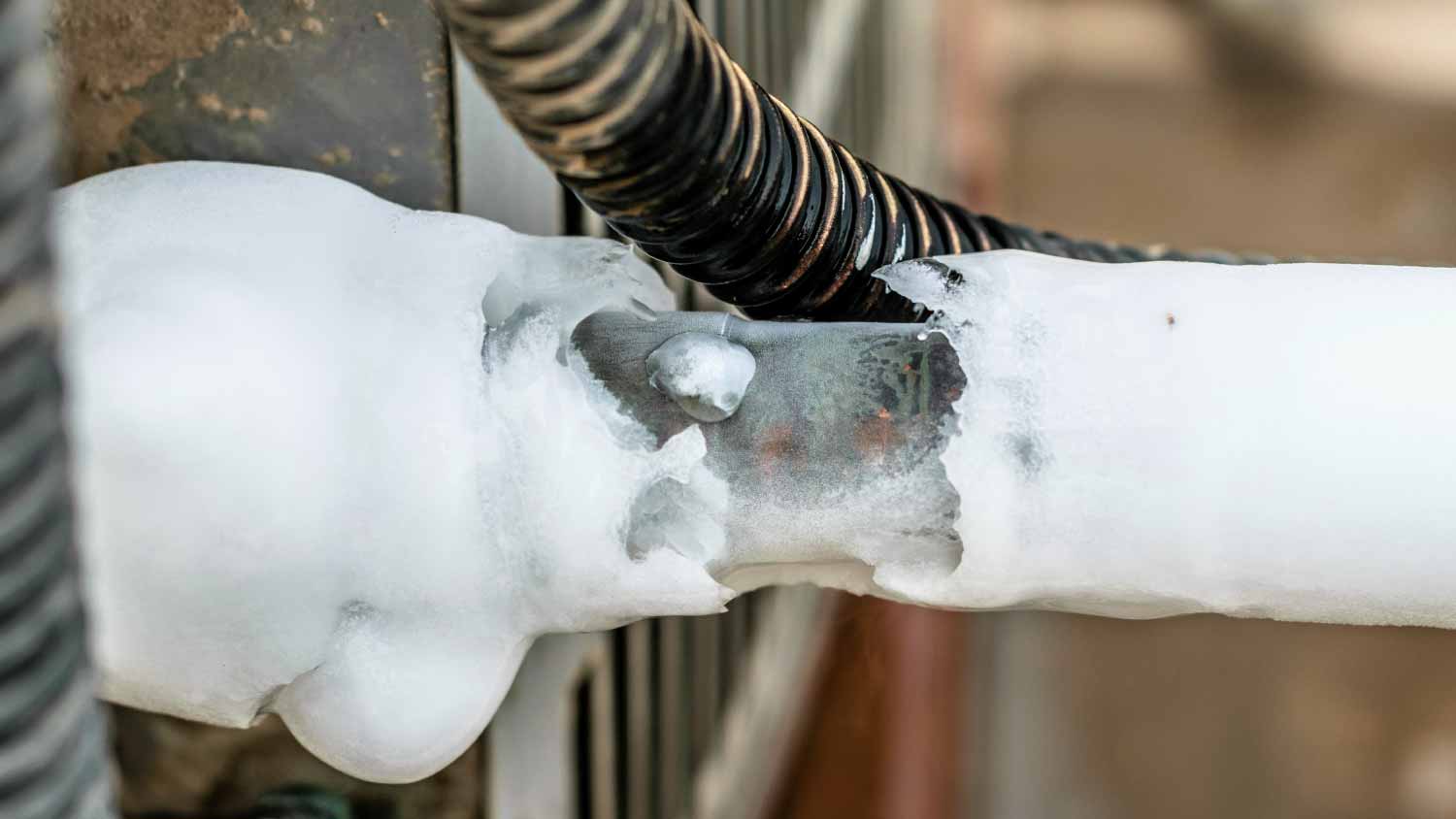
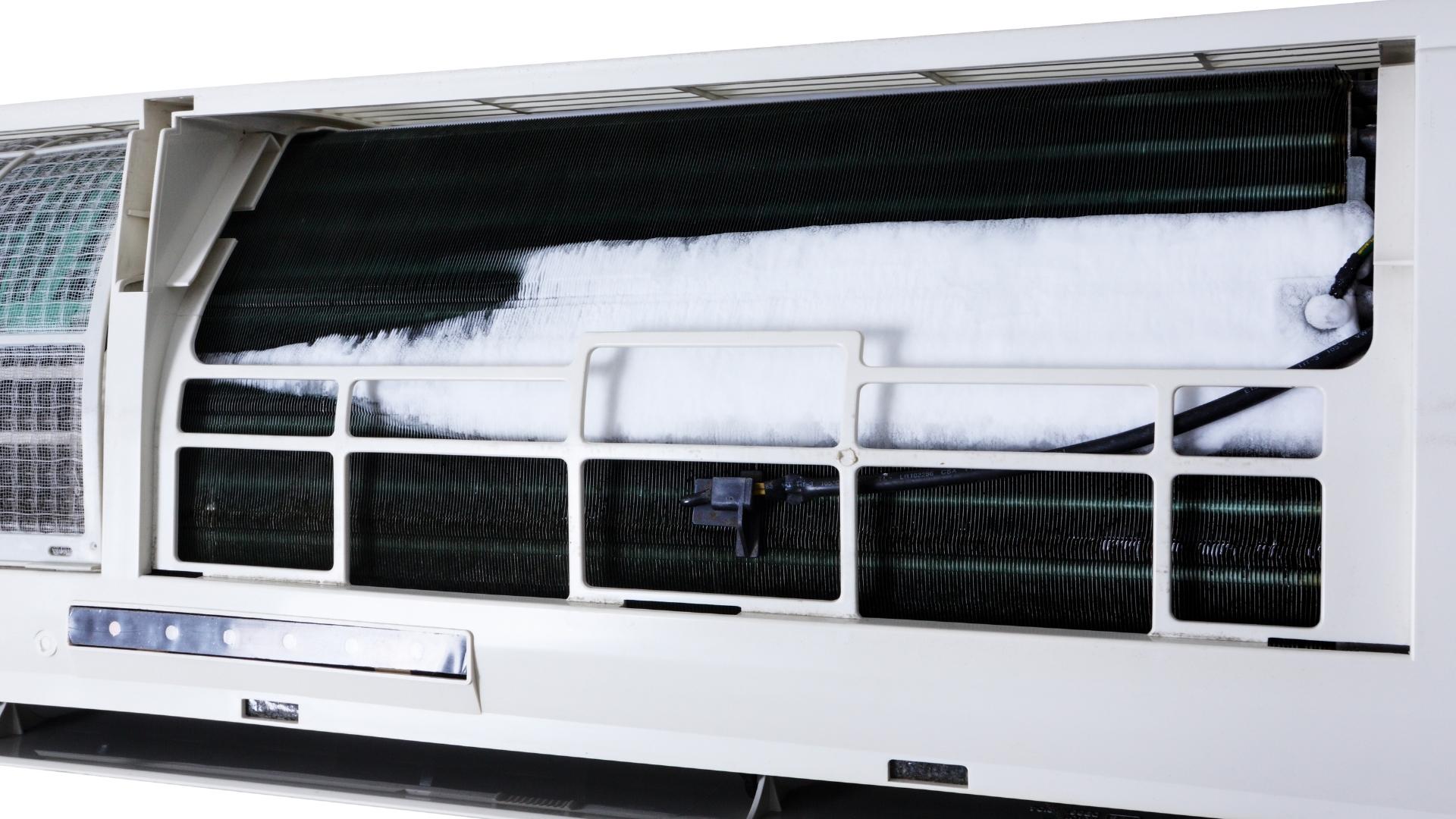
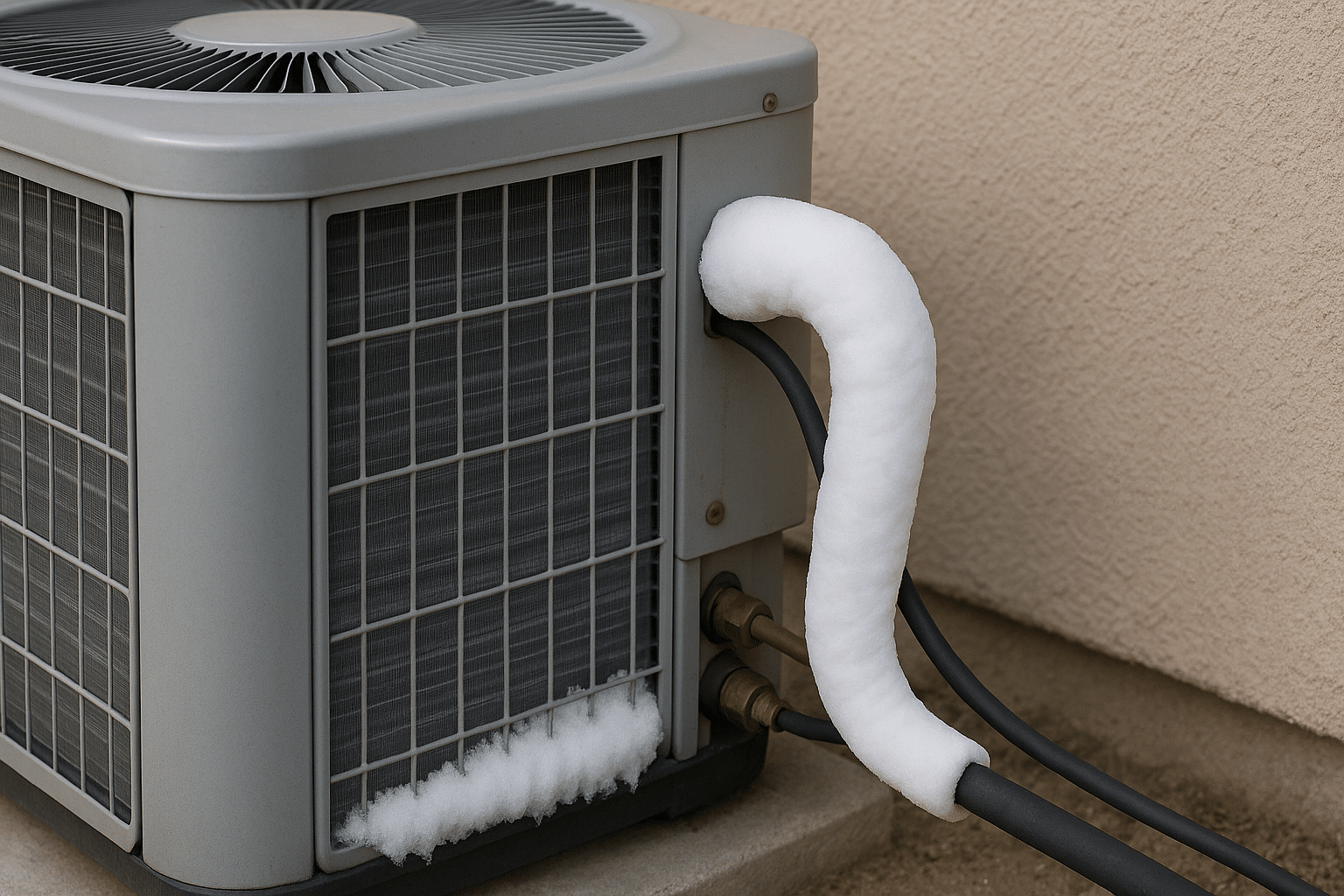
Ice formation on coilsis a clear sign that your air conditioner is freezing up. The coils may look covered in frost or thick ice. This blocks airflow and stops the AC from working well.
Reduced cooling efficiencymeans your room does not get cold enough. The AC struggles to cool because the frozen coils limit its function. You might feel warm air instead of cool air.
Unusual noisessuch as rattling or hissing can come from the AC unit. These sounds happen because the frozen parts cause strain on the system. It is a sign that the AC needs attention.
Increased energy billsoccur when the AC works harder to cool your home. Freezing reduces its efficiency, so it uses more electricity. This leads to higher monthly costs without better cooling.
How To Fix A Frozen Ac
Turn off the ACto stop the freezing. Let the ice melt naturally. Using a fan can help speed up thawing. Do not use sharp tools to break ice; this may damage the unit.
Dirty air filters block airflow. Replace or clean air filtersregularly to keep air moving freely. This helps prevent ice buildup and improves cooling efficiency.
Low refrigerant causes freezing. Check refrigerant levelsand add more if needed. This task is best done by a professional to avoid leaks or damage.
Blocked vents or coils reduce air movement. Clear airflow blockagesby removing dust, leaves, or debris around the unit. Good airflow stops ice from forming.
Clogged drain lines trap water inside. Inspect and repair drain linesto ensure proper drainage. Clean the drain pan and clear any clogs to prevent freezing problems.
Credit: www.thervgeeks.com
Preventive Measures For Ac Freeze-up
Keeping a regular maintenance schedulehelps avoid AC freeze-up. Check and clean parts often. This keeps the system running smoothly.
- Keep air vents unobstructedto allow proper airflow. Blocked vents cause freezing issues.
- Monitor thermostat settingsto ensure the AC is not too cold. Set it to a comfortable level.
- Clean coils and filters frequently. Dirt buildup reduces efficiency and leads to freezing.
- Schedule professional inspectionsonce or twice a year. Experts find problems early and fix them.
When To Call A Professional
Persistent ice buildup on the air conditioner signals a deeper issue. Calling a professional helps prevent damage and restores proper cooling quickly.
Persistent Freezing Issues
Continuous ice build-upon your air conditioner signals a problem. This often means the system is not working right. A professional can find the root cause and fix it safely. Trying to fix it yourself might make things worse or damage the unit.
Refrigerant Handling
Refrigerant is a special gas inside the AC. Handling it requires special tools and knowledge. Only trained technicians can add or remove refrigerant safely. Incorrect handling can harm the environment or damage your AC.
Complex Mechanical Repairs
Some AC parts are tricky to fix. Problems with compressors, fans, or electrical parts need expert care. A professional has the right tools and skills to repair these safely. They ensure your AC works well again without risks.
Credit: serviceplusheatingcooling.ca
Frequently Asked Questions
Why Does My Air Conditioner Freeze Up?
An air conditioner can freeze up due to restricted airflow. Dirty filters or blocked vents often cause this. Low refrigerant levels can also lead to freezing. Regular maintenance and cleaning can prevent this issue. If freezing persists, consult an HVAC professional for a detailed inspection and solution.
How Can I Fix A Frozen Air Conditioner?
First, turn off the unit to let it thaw completely. Check and replace dirty filters. Ensure vents are open and unblocked. If the issue continues, inspect refrigerant levels. For persistent problems, contact an HVAC technician to diagnose and fix the underlying cause.
What Are The Signs Of A Frozen Ac?
Common signs include ice buildup on the coils and reduced cooling efficiency. You might notice warm air blowing instead of cold. Water leakage around the unit is another indicator. Regular inspection and maintenance can help identify these signs early and prevent further damage.
Can A Frozen Ac Damage The System?
Yes, a frozen AC can lead to significant damage if not addressed. Ice buildup can strain the compressor and other components. This may result in costly repairs or even system replacement. Promptly addressing the freeze can prevent long-term damage and maintain efficiency.
Conclusion
A frozen air conditioner can cause many problems at home. Regular cleaning helps keep it working well. Check air filters and coils often to avoid freezing. Small issues can grow into costly repairs fast. Act quickly when you see ice forming on your unit.
Staying aware helps you enjoy cool, comfortable air all summer. Taking care of your AC saves money and stress. Keep your home cool and your air conditioner healthy. Simple steps make a big difference in performance and comfort.