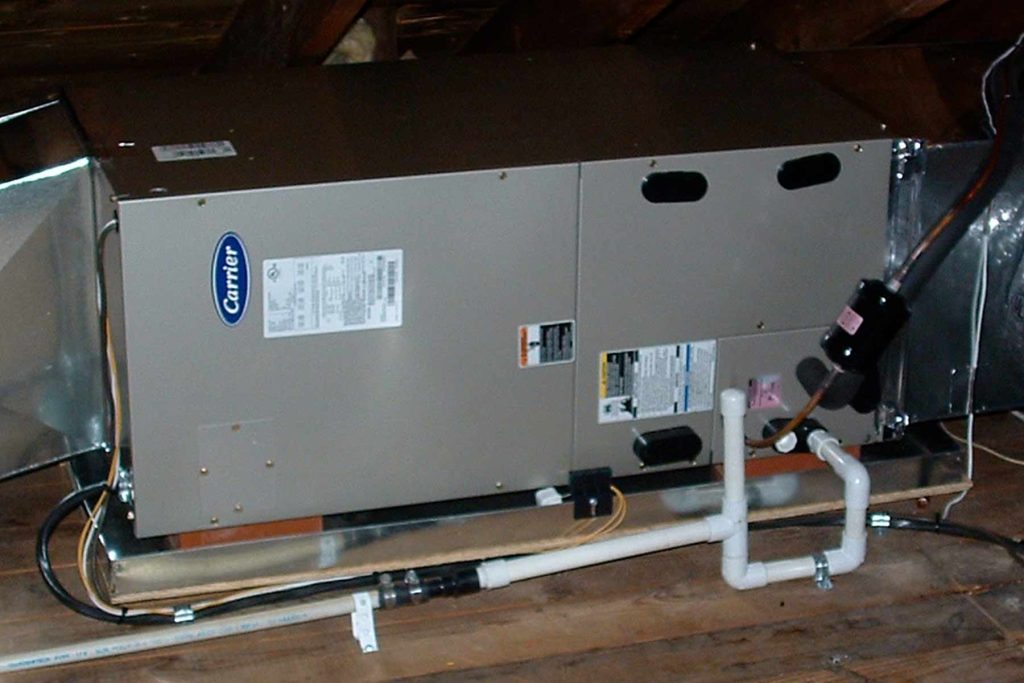
Have you ever wondered where the water from your air conditioner goes? If you’ve noticed leaks or puddles around your unit, the problem might be linked to the drain pan.
Knowing where your air conditioner drain pan is and how it works can save you from costly repairs and keep your home comfortable. You’ll discover exactly where to find this important part and why it matters for your AC’s performance.
Keep reading—you’re about to learn something that could protect your system and your wallet.
Role Of The Drain Pan
The drain pan is a small but important part of an air conditioner. It collects water that forms when the AC cools the air. Without the drain pan, water could damage your home or the AC unit.
This guide explains the purpose of the drain pan in AC systems and common problems linked to it.
Purpose In Ac Systems
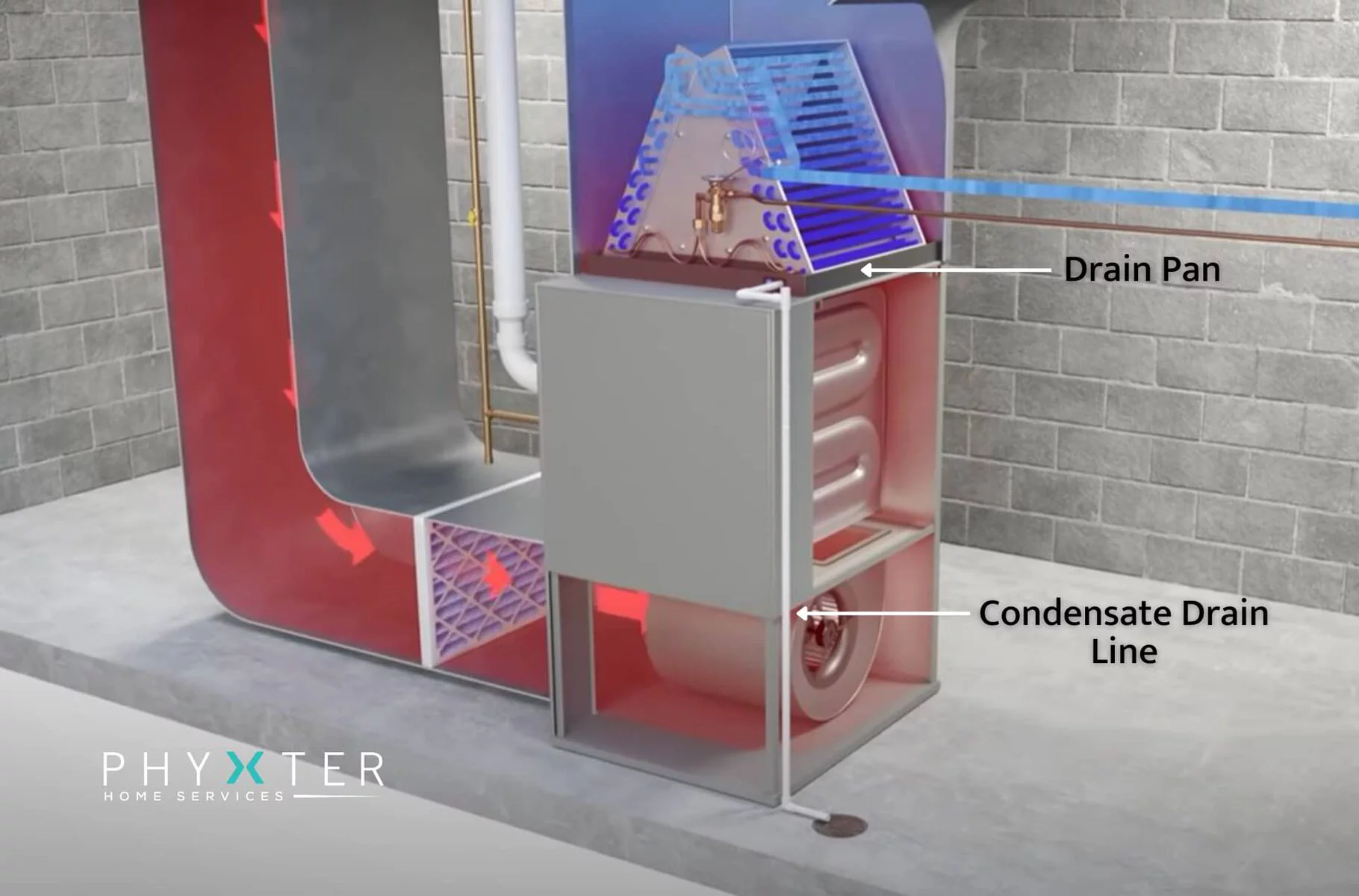
The drain pan sits under the evaporator coil. It catches condensation from the coil as the AC removes heat and moisture from the air. The water then drains safely outside or to a plumbing system.
- Prevents water damage inside the home
- Protects the AC unit from corrosion
- Keeps floors and walls dry
- Helps maintain air quality by removing excess moisture
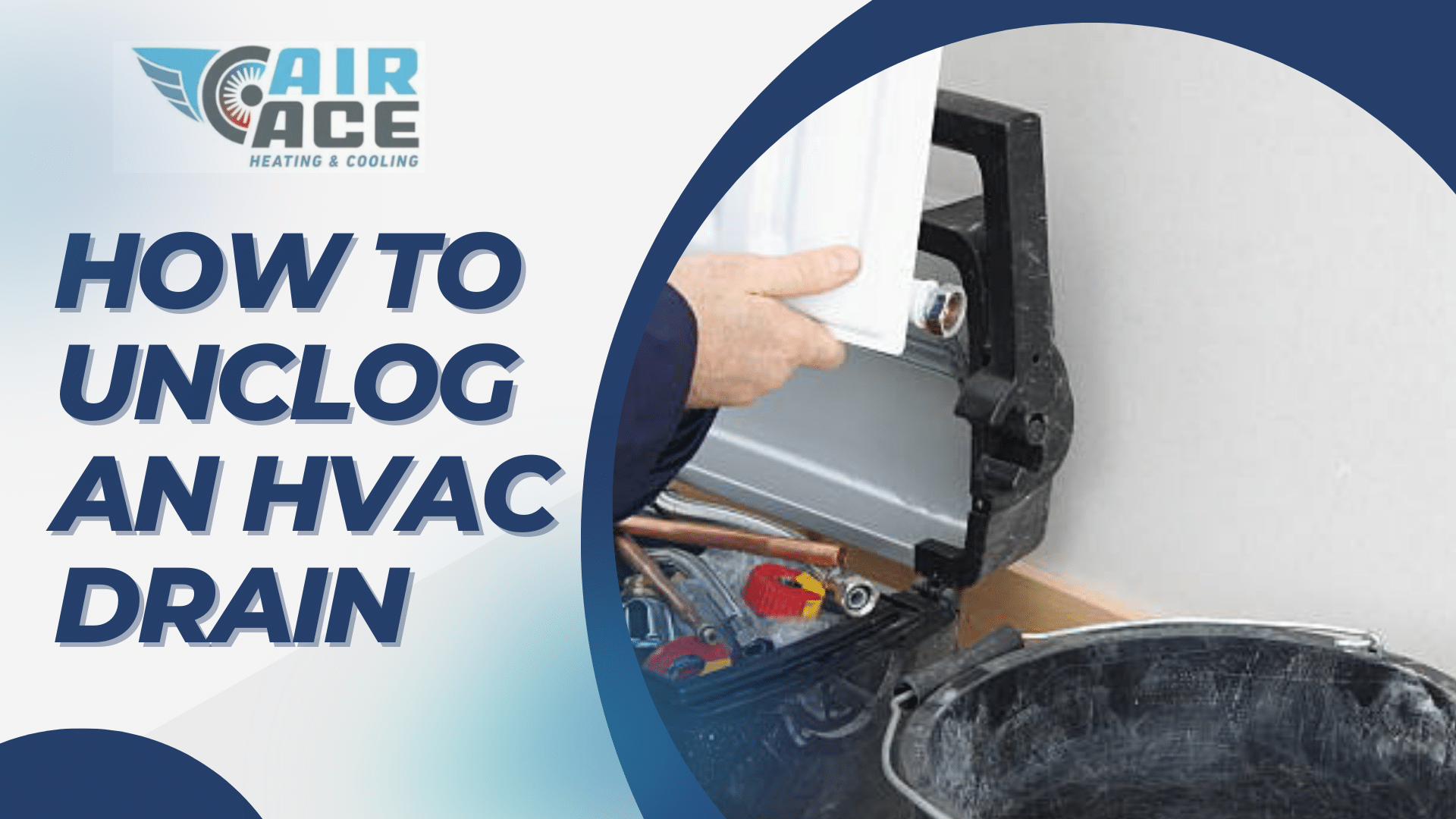
Common Issues Linked To Drain Pans
Drain pans can have problems that affect the AC’s performance. These issues can cause leaks or damage to the system.
| Issue | Cause | Effect |
| Clogged Drain Line | Dirt or algae block the drain | Water overflows from the pan |
| Cracked Pan | Age or physical damage | Water leaks inside the home |
| Rust and Corrosion | Moisture and metal exposure | Pan weakens and leaks |
| Improper Installation | Wrong size or position | Water does not drain properly |
Credit: airaceheatingandcooling.com
Typical Drain Pan Locations
The air conditioner drain pan catches water from condensation. It helps prevent water damage. The pan needs to be in the right spot.
Knowing where the drain pan is helps with cleaning and fixing leaks. Drain pans are found in a few common places.
Inside The Air Handler
The drain pan is often inside the air handler unit. It sits under the blower or the cooling coils. It collects water that drips from the coils.
This location keeps the water contained and directs it to the drain line. Check here if you see water near the air handler.
Beneath The Evaporator Coil
The evaporator coil cools the air. It also creates condensation. The drain pan sits right below it to catch this water.
- The pan is usually metal or plastic.
- It must be clean and free of cracks.
- Drain holes connect the pan to a drain pipe.
- Proper slope helps water flow out smoothly.
Near The Condenser Unit
Sometimes the drain pan is near the outdoor condenser. It catches water from the unit’s drain line. This area needs good drainage to avoid pools of water.
| Location | Purpose | Material |
| Inside the Air Handler | Collects condensation from blower and coils | Metal or plastic |
| Beneath the Evaporator Coil | Catches water directly from coil drip | Metal or plastic |
| Near the Condenser Unit | Collects water from drain line outside | Plastic or metal basin |
How To Locate Your Drain Pan Quickly
The air conditioner drain pan catches water from the unit. It stops water from leaking inside your home. Finding it helps you check for clogs or leaks.
Knowing where the drain pan is saves time during maintenance. You can fix problems faster and keep your AC running well.
Tools You Might Need
Some tools help you find and inspect the drain pan easily. Having them ready makes the process smooth and safe.
- Flashlight to see in dark places
- Screwdriver to open panels
- Gloves to protect your hands
- Bucket to catch water if needed
- Cloth or rag for cleaning
Step-by-step Search Tips
Start by turning off the air conditioner. This keeps you safe and stops water flow during your search.
Look near the indoor unit. The drain pan is usually below the evaporator coils or inside the air handler.
- Remove the access panel if needed
- Use the flashlight to spot a shallow, flat pan
- Check for water or debris in the pan
- Follow the drain line connected to the pan
- Clean or replace the pan if damaged
Credit: vernonairconditioning.com
Signs Of Drain Pan Problems
The drain pan in your air conditioner collects water from the cooling process. It stops water from leaking inside your home. When the drain pan has issues, it can cause damage and discomfort.
Knowing the signs of drain pan problems helps you fix them early. This guide explains common signs to watch for.
Water Leaks And Stains
Water leaks near your air conditioner are a clear sign of a drain pan problem. The pan may be cracked or clogged, causing water to overflow. Look for wet spots or stains on walls and floors close to the unit.
Stains may appear as dark marks or water damage under or around the air conditioner. These stains show water has been leaking for some time.
- Wet spots on the floor or carpet near the AC
- Water stains on walls or baseboards
- Pooling water under the air conditioner
Unusual Noises
Strange noises coming from your air conditioner may mean the drain pan is damaged. Water can cause the pan to rust or bend. This makes the unit produce dripping or gurgling sounds.
You might hear water trickling or banging noises if the pan is loose or clogged. These sounds mean the drain pan needs attention.
- Dripping or trickling sounds near the AC unit
- Banging or rattling noises from loose parts
- Gurgling sounds from blocked water flow
Musty Odors
A bad smell near your air conditioner could mean water is sitting in the drain pan. Stagnant water causes mold and mildew to grow. This creates a musty or damp odor in the room.
Musty smells often mean the drain pan is clogged or not draining properly. This problem needs quick fixing to stop mold growth and keep air clean.
- Musty or moldy smell near the AC unit
- Damp or wet smell around vents
- Smell that worsens when AC runs
Maintenance Tips For Drain Pans
The air conditioner drain pan collects water that forms during cooling. Proper care keeps it clear and working well. Neglecting the drain pan can cause leaks and damage.
Regular maintenance helps avoid costly repairs. Follow these tips to keep your drain pan clean and free of clogs.
Cleaning Frequency
Drain pans should be cleaned often to prevent buildup. Dirt and algae can block water flow. Check the pan every month during heavy use.
- Inspect the drain pan once a month in summer
- Clean it thoroughly every three months
- Remove any standing water or debris
- Use a mild detergent and water for cleaning
- Dry the pan before putting it back
Preventing Clogs
Clogs can stop water from draining properly. This causes overflow and damage. Use simple steps to avoid blockages in the drain pan and pipe.
| Cause | Prevention |
|---|---|
| Dirt and dust | Keep air filters clean and replace regularly |
| Algae growth | Use vinegar or bleach solution to clean drain pan |
| Blocked drain line | Flush drain line with water monthly |
| Debris buildup | Inspect and clear drain pan during maintenance |
When To Call A Professional
Some problems need expert help. Call a technician if you see these signs:
- Water leaks around the unit
- Drain pan fills quickly after cleaning
- Unusual smells from the air conditioner
- Repeated clogs despite cleaning
- Visible damage to the drain pan or pipes
Professionals can inspect and fix hidden issues. Regular checkups help keep your air conditioner safe and working well.

Credit: northnjhvac.com
Frequently Asked Questions
Where Is The Air Conditioner Drain Pan Located?
The air conditioner drain pan is typically located beneath the indoor evaporator coil. It collects condensate from the air conditioning process. The pan is usually accessible through a panel on the unit. Regular maintenance ensures it remains clean and functional.
How Do I Access The Ac Drain Pan?
To access the AC drain pan, first turn off the power. Remove the access panel on the indoor unit. The drain pan is located beneath the evaporator coil. Make sure to handle components carefully to avoid damage.
What Is The Purpose Of An Ac Drain Pan?
The AC drain pan collects condensation from the evaporator coil. It prevents water from leaking onto floors or inside walls. Proper drainage is crucial to avoid mold growth and system inefficiencies. Regularly check and clean the pan for optimal performance.
How Often Should I Check The Drain Pan?
Check the AC drain pan every 3 to 6 months. Regular inspections help prevent clogs and water damage. During high usage periods, increase the frequency of checks. Prompt maintenance ensures efficient operation and extends the life of your air conditioner.
Conclusion
The air conditioner drain pan sits beneath the cooling coils. It catches water that the AC removes from the air. Keeping it clean helps prevent leaks and mold. Check it often to avoid damage or bad smells. Knowing its location makes maintenance easier for you.
A small effort can keep your AC running well. Stay aware and protect your home from water issues. Simple care goes a long way with your AC system.