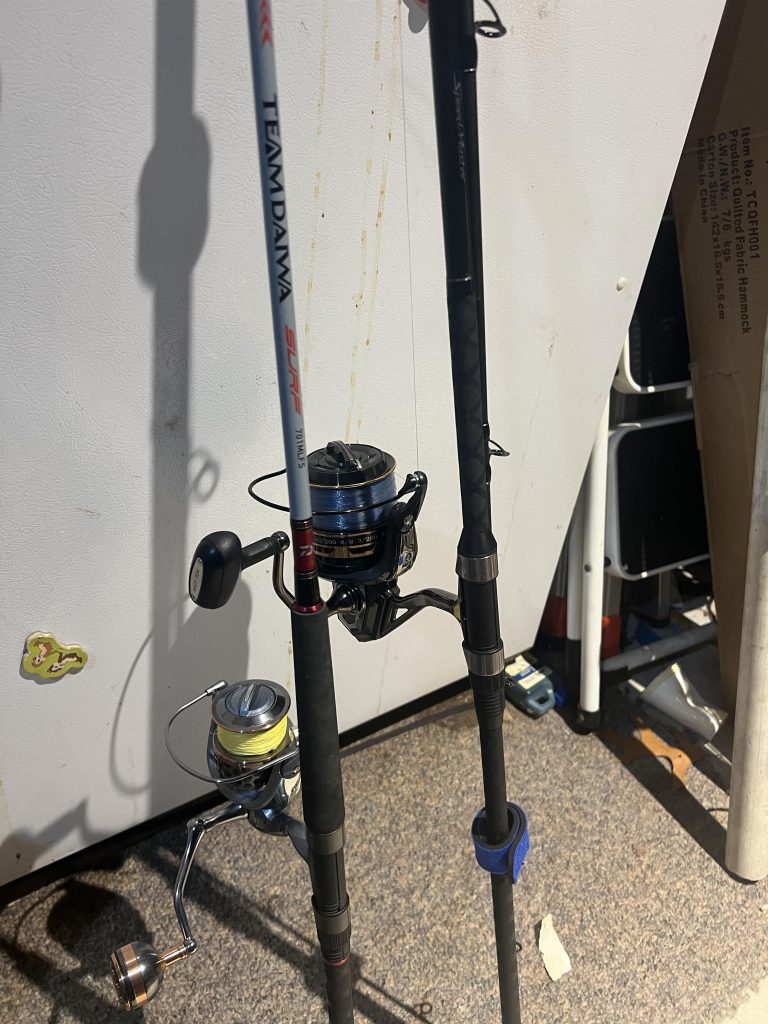
Choosing the right rod size for surf fishing can make all the difference between a great catch and a frustrating day on the beach. You want a rod that feels comfortable in your hands but is strong enough to handle the waves and the fish lurking beneath.
If you’re unsure about what size rod to pick, you’re not alone. This guide will help you understand exactly what rod length and power suit your surf fishing needs, so you can cast farther, fight harder, and enjoy every moment by the shore.
Keep reading to find the perfect rod that matches your fishing style and the conditions you face.

Credit: anglersresource.net
Choosing Rod Length
Picking the right rod length is key for surf fishing success. The rod length affects casting, control, and comfort.
Different lengths work better on different beaches and for various fish sizes. It is important to understand the pros and cons.
Short Vs Long Rods
Short rods usually measure under 10 feet. They are easier to handle and carry. Long rods are over 10 feet and can cast farther.
Short rods give more control near rocks or crowded beaches. Long rods help when you need to reach distant fish.
- Short rods: easier to control, good for tight spots
- Long rods: better for long casts, harder to handle
Impact On Casting Distance
Long rods increase casting distance by using longer lever action. They help throw the bait far into the surf.
Short rods cast shorter distances but offer better accuracy. You can place the bait exactly where you want.
- Long rods: cast far, reach deeper water
- Short rods: cast shorter, improve aim
Handling Different Beaches
Wide open beaches suit long rods for long casts. You need distance to reach fish beyond breaking waves.
Narrow or crowded beaches work better with short rods. They offer better control and less chance to tangle lines.
- Open beaches: use long rods for distance
- Rocky or crowded beaches: use short rods for control
Selecting Rod Power
Choosing the right rod power is important for surf fishing. It helps you catch fish efficiently and enjoy your time on the beach.
Rod power means how much force the rod can handle. It affects the size of the fish you can catch and the strength you need to use.
Light Power
Light power rods are easy to handle and good for small fish. They bend more and give good feel for bites.
Use light rods for species like smelt, small croaker, or small whiting. These rods work well in calm surf conditions.
Medium Power
Medium power rods offer more strength. They can handle bigger fish and stronger waves.
They work well for species like striped bass, redfish, or medium-sized bluefish. These rods balance power and sensitivity.
Heavy Power
Heavy power rods are strong and stiff. They are best for big fish and rough surf.
Use heavy rods for species like shark, large tuna, or big rays. They help you control heavy fish and strong currents.
Matching Power To Target Fish
- Light power: small fish under 5 pounds
- Medium power: fish between 5 and 20 pounds
- Heavy power: fish over 20 pounds or large species
Choosing rod power by fish size helps avoid breaking your rod or losing fish. Match the rod to your common catch for better success.
Durability Considerations
| Rod Power | Durability | Best Use |
| Light | Less durable under heavy strain | Small fish, gentle surf |
| Medium | Moderate durability for varied conditions | Medium fish, moderate surf |
| Heavy | Most durable, handles strong forces | Large fish, rough surf |
Consider how often you fish and the conditions you face. A durable rod lasts longer and saves money over time.
Rod Action And Sensitivity
Choosing the right rod for surf fishing depends on two key factors: action and sensitivity. These affect how you feel bites and control your catch.
Understanding the difference between fast and slow action rods helps you pick the best tool for your fishing style and conditions.
Fast Vs Slow Action
Fast action rods bend mostly near the tip. They offer quick hook sets and better sensitivity to small bites.
Slow action rods bend along most of the length. They provide more flexibility and absorb strong fish runs well.
- Fast action rods give better control for light lines.
- Slow action rods reduce line breaks with bigger fish.
- Fast action works well in calm waters.
- Slow action suits rough surf and heavy bait.
Detecting Bites Effectively
Sensitivity is key to feeling even the lightest bites on your rod. Fast action rods transmit vibrations more directly.
Slow action rods can mask subtle bites but help prevent false alarms in choppy surf.
| Rod Type | Sensitivity | Best For |
| Fast Action | High | Small fish, light bait, clear water |
| Slow Action | Moderate | Large fish, heavy bait, rough surf |
Balancing Flexibility And Strength
A good surf fishing rod must flex enough to absorb strong fish without breaking. Strength supports heavy lines and large fish.
Fast action rods offer strength at the tip but less flex overall. Slow action rods flex more but may lack quick power.
- Choose a rod with strong backbone for big fish.
- Look for flexibility to reduce line snaps.
- Match rod strength to your fishing conditions.
- Consider rod material for durability and weight.

Credit: www.lamiglas.com
Material Types
Choosing the right rod material is key for surf fishing success. Different materials affect rod strength and feel.
This guide explains common rod materials and how they impact fishing performance and comfort.
Graphite Vs Fiberglass
Graphite rods are light and sensitive. They let you feel small bites easily. Fiberglass rods are heavier but very strong.
Fiberglass rods bend more, making them good for fighting big fish. Graphite rods may break if bent too much.
- Graphite: lightweight, sensitive, less durable
- Fiberglass: strong, flexible, heavier
Composite Rods
Composite rods mix graphite and fiberglass. They balance strength and sensitivity. This mix suits many surf fishing needs.
These rods feel lighter than pure fiberglass but are tougher than pure graphite rods.
- Blend of graphite and fiberglass
- Offers good flexibility and strength
- Works well for varied fishing conditions
Weight And Sensitivity Trade-offs
Light rods are easier to carry and cast. They also let you feel bites better. Heavy rods help cast farther and handle big fish.
Choosing rod weight depends on your fishing style and target fish. Balance weight with sensitivity for best results.
- Light rods: more sensitive, less durable
- Heavy rods: stronger, less sensitive
- Pick weight based on fish size and fishing time
Reel Seat And Handle Features
The reel seat and handle are key parts of a surf fishing rod. They affect comfort and control while fishing. Choosing the right features helps during long fishing sessions.
These features also impact how well your rod works with different reels. Let’s look at the important aspects of reel seats and handles for surf fishing rods.
Comfort For Long Sessions
Comfort is important when fishing for hours. A well-designed handle reduces hand fatigue and improves grip. Look for handles that fit your hand size and feel balanced.
- Choose handles with ergonomic shapes
- Look for padded or cushioned grips
- Consider the rod’s weight distribution
- Check for smooth finishes to avoid blisters
Grip Materials
Grip material affects how secure and comfortable your hold feels. Common materials include cork, EVA foam, and rubber. Each has pros and cons for surf fishing use.
| Material | Benefits | Drawbacks |
| Cork | Lightweight, good feel | Can wear over time |
| EVA Foam | Soft, shock absorbent | Can get slippery when wet |
| Rubber | Durable, good grip | Heavier than cork or foam |
Reel Compatibility
The reel seat must fit your reel well. It should hold the reel tightly and prevent movement. Different reels may need different seat sizes or types.
- Check the reel seat size matches your reel foot
- Look for corrosion-resistant materials on the seat
- Consider locking mechanisms for extra security
- Make sure the seat allows easy reel changes if needed
Rod Guides And Line Management
Choosing the right size rod for surf fishing is important. Rod guides help control the fishing line. They affect how smoothly the line moves.
Good line management improves casting distance and accuracy. It also reduces wear on the fishing line. Let’s look at guide materials and placement.
Guide Materials And Placement
Rod guides come in different materials like ceramic, stainless steel, and titanium. Each material affects weight and durability. Lighter guides reduce rod weight.
Placement of guides along the rod is key. Guides placed closer together help keep the line straight. This reduces tangles and improves control.
- Ceramic guides are smooth and resist heat.
- Stainless steel guides are strong but heavier.
- Titanium guides are light and resist corrosion.
- More guides mean better line control but add weight.
- Fewer guides make casting easier but reduce control.
Reducing Line Friction
Friction between the line and guides slows casting and wears the line. Smooth guide surfaces reduce this friction. Ceramic inserts help the line glide easily.
Using larger diameter guides also cuts friction. This lets the line move faster and farther. Proper lubrication of the line can help too.
- Smooth ceramic inserts lower friction.
- Larger guides reduce line contact.
- Keep guides clean for best performance.
- Use quality fishing line to resist wear.
Enhancing Casting Performance
Good rod guides improve casting distance and accuracy. They keep the line straight and reduce tangles. This helps deliver the bait where you want it.
Proper guide placement balances rod action and power. It makes the rod easier to control during long casts. This is important for surf fishing where distance matters.
- Even guide spacing supports smooth casting.
- Strong guide frames hold line tension well.
- Light guides reduce fatigue during long fishing.
- Correct placement prevents rod twisting.
Matching Rod With Line And Lure
Choosing the right rod size for surf fishing depends on the line and lure you use. Matching these elements helps you cast better and catch more fish.
This guide explains how to select the correct rod size based on line weight and lure weight. It also shares tips to improve your fishing efficiency.
Line Weight Recommendations
The rod should support the line weight you plan to use. Using a rod too weak or too strong for your line causes problems like poor casting or line breakage.
- Light rods work well with 6-12 lb test lines.
- Medium rods fit 12-20 lb test lines.
- Heavy rods suit 20-30 lb test lines or higher.
Lure Weight Compatibility
Each rod has a lure weight range. Staying within this range helps you cast smoothly and control the lure better.
| Rod Type | Lure Weight Range (ounces) |
| Light | 1/4 – 3/4 |
| Medium | 3/4 – 1 1/2 |
| Heavy | 1 1/2 – 3 |
Optimizing For Catch Efficiency
Match rod, line, and lure to improve your fishing results. Use gear that balances power and sensitivity.
- Choose a rod rated for your line weight.
- Pick lures within the rod’s lure weight range.
- Check your reel capacity to match line strength.
- Practice casting to find the best setup for your style.
- Adjust gear based on the fish species and surf conditions.
Budgeting For Quality
Choosing the right size rod for surf fishing can be a challenge. It is important to balance cost with quality. This helps ensure you get a good rod without spending too much.
Understanding your budget and the value of different rods helps you make smart decisions. Let’s look at some options for every budget.
Affordable Options
There are many budget-friendly surf fishing rods that still offer good quality. These rods are great for beginners or casual anglers. They often have simple designs and basic features.
- Look for rods made with durable but inexpensive materials.
- Choose rods with medium action for versatility.
- Check reviews to find reliable budget brands.
- Buy during sales or from discount retailers.
Investing In Premium Rods
Premium surf fishing rods cost more but offer better performance. They use advanced materials like carbon fiber. These rods are lighter and stronger.
| Feature | Budget Rods | Premium Rods |
| Material | Fiberglass or basic composites | Carbon fiber or high-end composites |
| Weight | Heavier | Lighter |
| Durability | Good for casual use | High, lasts many years |
| Price Range | $30 – $80 | $150 – $400 |
Long-term Value
Buying a quality rod can save money over time. A strong rod lasts longer and needs fewer repairs. It also performs better, making fishing more enjoyable.
Here are tips to get the best long-term value:
- Choose rods with good warranties.
- Take care of your rod by cleaning and storing it well.
- Invest in rods that fit your fishing style.
- Avoid very cheap rods that break easily.
Maintenance Tips
Keeping your surf fishing rod in good shape helps it last longer. Proper care avoids damage and keeps performance strong.
Simple maintenance steps can protect your rod from salt, dirt, and wear. Follow these tips after every use.
Cleaning After Use
Rinse your rod with fresh water to remove salt and sand. Use a soft cloth to wipe it down gently.
- Do not use harsh chemicals or abrasive brushes
- Check guides and reel seat for stuck sand
- Dry the rod fully before storage
- Clean the handle to remove sweat and grime
Storage Best Practices
Store your rod in a cool, dry place away from direct sunlight. Avoid leaning it against walls for long periods.
| Storage Method | Benefit |
| Rod rack | Prevents bending and warping |
| Rod tube or case | Protects from dust and impacts |
| Horizontal surface | Supports the rod evenly |
Extending Rod Lifespan
Handle your rod carefully to avoid cracks and breaks. Check for damage regularly and fix small issues early.
- Use a rod sock during transport
- Replace worn guides and tips
- Keep reel seat clean and tight
- Do not overload the rod beyond its rating
Credit: www.pennfishing.com
Frequently Asked Questions
What Is The Best Rod Length For Surf Fishing?
The best rod length for surf fishing is typically between 9 and 12 feet. Longer rods help cast further and handle bigger fish. Choose a rod based on your physical strength and fishing conditions. Consider the target fish species and surf conditions as well.
Why Use A Longer Rod For Surf Fishing?
A longer rod allows for longer casts, reaching distant fish in the surf. It also provides better leverage when reeling in larger fish. Longer rods help keep the line above breaking waves, reducing line drag. They are ideal for open beaches with room to cast.
What Rod Power Is Suitable For Surf Fishing?
Medium to heavy power rods are ideal for surf fishing. They offer the strength needed to handle larger fish and heavier baits. Choose a power level based on target species and fishing conditions. A balanced rod ensures better control and performance.
How Does Rod Action Affect Surf Fishing?
Rod action influences casting distance and sensitivity. A moderate-fast action is versatile for surf fishing. It provides good casting distance while maintaining sensitivity. Fast action rods offer greater sensitivity but less casting distance. Consider your fishing style and conditions when selecting rod action.
Conclusion
Choosing the right rod size helps you enjoy surf fishing more. A rod between 9 to 12 feet works well for most situations. It offers good casting distance and control over fish. Remember, heavier rods handle bigger fish, but feel harder to use.
Lighter rods are easier but may not suit strong waves. Think about where you fish and what you want to catch. The right rod size makes your fishing trips fun and successful. Try different sizes to find what fits you best.
Keep practicing, and enjoy every moment by the sea.