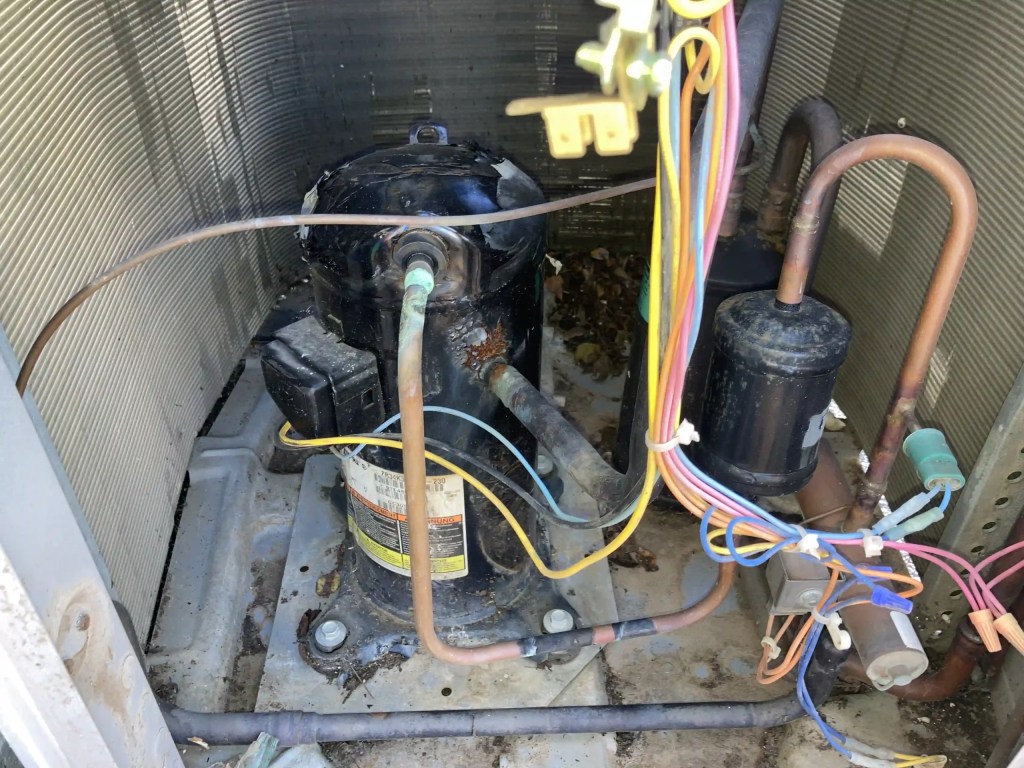
Have you ever wondered how much refrigerant is actually inside your home air conditioner? Understanding this simple detail can save you from costly repairs and keep your system running smoothly.
Whether your AC is acting up or you’re just curious about how it works, knowing the right amount of refrigerant is key. Keep reading, and you’ll discover exactly what you need to know to protect your comfort and your wallet.
Refrigerant Basics
The refrigerantis a special fluid that helps cool your home. It moves heat from inside to outside. This process makes the air inside feel cool and fresh.
There are different typesof refrigerants used in home air conditioners. Each type has its own features and safety rules. The most common ones include:
- R-22: Older systems use this, but it is being phased out due to environmental concerns.
- R-410A: A newer, more eco-friendly option used in most modern AC units.
- R-32: Growing in popularity, it has a lower impact on the environment.

Credit: thefurnaceoutlet.com
Factors Influencing Refrigerant Amount
The amount of refrigerantdepends on the sizeof the air conditioner unit. Bigger units need more refrigerantto cool the air properly. Smaller units use less refrigerant.
Different systems have varied designs. Some use more refrigerant because of their internal partsand layout. The type of refrigerant used also affects the total amount needed. Each design works best with a specific refrigerant level to run efficiently.
Typical Refrigerant Levels
Home air conditioners need the right amount of refrigerantto work well. Small systemsusually have less refrigerant. They hold about 1 to 3 pounds. Large systemscan hold 5 to 15 poundsor more.
| System Size | Typical Refrigerant Amount |
|---|---|
| Small (e.g., window units, small split systems) | 1 – 3 pounds |
| Large (e.g., central air conditioners) | 5 – 15 pounds or more |
Each manufacturergives specific refrigerant amounts. These are in the unit’s manual or on a label. Using the correct amountis important. Too little or too much refrigerant can cause problems. Always check these specificationsbefore adding refrigerant.
Credit: www.logan-inc.com
Checking Refrigerant Levels
Low refrigerant can cause your air conditioner to cool poorly. Common signs of low refrigerantinclude:
- Warm air blowing from vents
- Longer cooling cycles
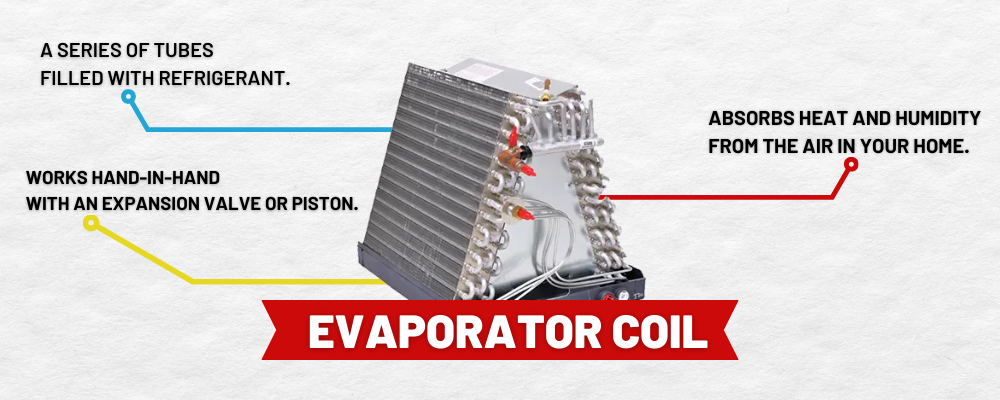
- Ice buildup on coils
- Hissing or bubbling sounds
These signs mean the system may have a leak or not enough refrigerant.
Professional technicians use special tools to measure refrigerant levels accurately. They connect a manifold gauge setto the system to check pressure. This shows if the refrigerant amount matches the system’s needs.
Another method is using electronic leak detectorsto find where refrigerant is escaping. Proper measurement ensures the air conditioner runs efficiently and safely.
Refilling And Handling Refrigerant
Refilling refrigerantrequires careful steps to avoid leaks and damage. Use proper tools like a gauge and vacuum pump. Check the system pressure before adding refrigerant. Add refrigerant slowly and monitor pressure levels often. Avoid overfilling to keep the unit safe and efficient.
Handling refrigerantdemands safety gear such as gloves and goggles. It is harmful if inhaled or if it touches the skin. Work in a well-ventilated area. Store refrigerant containers upright and away from heat sources.
- Follow local laws on refrigerant use and disposal.
- Only certified professionals should handle refrigerant.
- Keep records of refrigerant amounts added or removed.
- Use refrigerants that comply with environmental standards.
| Regulation | Requirement |
|---|---|
| Clean Air Act | Proper recovery and recycling of refrigerants |
| EPA Certification | Only certified technicians can handle refrigerants |
| Leak Repair | Fix leaks promptly to reduce emissions |

Credit: coralac.com
Common Issues Related To Refrigerant
Leaksare the most common cause of refrigerant problems. Pipes, coils, or connections may develop holes or cracks. These leaks let the refrigerant escape. Dust, dirt, or corrosion can cause leaks too. Small leaks often go unnoticed at first.
Leaks cause the air conditioner to lose cooling power. The system works harder and uses more energy. This can lead to higher electricity bills. The air conditioner may stop cooling altogether. Low refrigerant levels can damage the compressor, a costly repair.
| Leak Cause | Effect on Performance |
|---|---|
| Corrosion of coils | Reduced cooling efficiency |
| Damaged pipe connections | Refrigerant loss, poor cooling |
| Wear and tear | Slow leak, gradual performance drop |
| Physical damage | Sudden loss of refrigerant |
Frequently Asked Questions
How Much Refrigerant Does A Home Ac Need?
A typical home air conditioner requires around 2 to 4 pounds of refrigerant. The exact amount depends on the unit’s size and model. It’s essential to follow the manufacturer’s specifications for optimal performance. Always consult with a professional HVAC technician for accurate measurements.
Why Is Refrigerant Important For Acs?
Refrigerant is crucial for cooling the air in your home. It absorbs heat from the indoor air and releases it outside. This process keeps your home comfortable during hot weather. Without refrigerant, your air conditioner cannot function effectively, leading to discomfort and higher energy costs.
Can Low Refrigerant Damage An Ac?
Yes, low refrigerant levels can damage an air conditioner. Insufficient refrigerant causes the compressor to overwork, leading to overheating. This can result in costly repairs or even the need for a new unit. Regular maintenance checks can prevent such issues.
How Do I Know If My Ac Needs More Refrigerant?
Signs of low refrigerant include reduced cooling efficiency and longer cooling cycles. You might also notice ice on the evaporator coils. If your energy bills are increasing, it could be due to low refrigerant levels. Contact a professional to assess and refill your system.
Conclusion
Knowing the right amount of refrigerant helps your AC work well. Too little or too much can cause problems. Check your unit’s manual or ask a professional for the exact amount. Proper refrigerant levels keep your home cool and save energy.
Regular maintenance also extends the life of your air conditioner. Keep your system balanced for comfort and efficiency all year. Simple steps make a big difference in how your AC performs. Don’t ignore refrigerant levels to avoid costly repairs later.