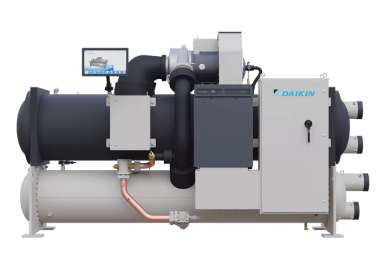
Are you tired of your air conditioner making your electricity bills skyrocket? What if there was a cooler, more energy-efficient way to keep your home comfortable?
A water cooled air conditioner might be the solution you’ve been searching for. It uses water to cool the air, saving you money and reducing environmental impact. Curious how it works and if it’s right for you? Keep reading, and you’ll discover everything you need to know about this smart cooling option.

Credit: headpower2.en.made-in-china.com
How Water Cooled Air Conditioners Work
Water cooled air conditioners use water to remove heat from the air. This system cools indoor spaces by transferring heat to water.
This type of air conditioner is different from air cooled units because it uses water as a cooling medium.
Basic Cooling Mechanism
The system works by absorbing heat from indoor air and moving it outside. A refrigerant inside the system picks up heat from the air.
The heated refrigerant then releases its heat to water, which carries the heat away from the system.
Role Of Water In Cooling
Water cools the refrigerant by absorbing heat from it. The water becomes warmer and moves to a cooling tower or a heat exchanger.
In the cooling tower, water loses heat to the outside air. This process cools the water so it can absorb more heat again.
- Water absorbs heat from refrigerant
- Warm water moves to cooling tower
- Heat transfers from water to outside air
- Cooled water returns to absorb more heat
Components Of The System
The main parts of a water cooled air conditioner include a compressor, condenser, evaporator, and cooling tower. Each part plays a key role in cooling.
- Compressor:Compresses refrigerant to raise its temperature and pressure.
- Condenser:Transfers heat from refrigerant to water.
- Evaporator:Absorbs heat from indoor air into refrigerant.
- Cooling Tower:Cools the warm water by releasing heat to the air.

Credit: climatecontrolsolutions.com
Advantages Of Water Cooled Air Conditioners
Water cooled air conditioners use water to remove heat from the system. They are different from air cooled units that use air for cooling.
These systems have many benefits that make them a good choice for cooling buildings and homes.
Energy Efficiency
Water cooled air conditioners use less energy than air cooled types. Water absorbs heat better than air, which helps the system work faster.
Because they cool more effectively, they do not need to run as long. This saves electricity and lowers energy use.
Reduced Environmental Impact
Water cooled systems produce less greenhouse gas because they use less power. This helps reduce pollution and protect the environment.
They also do not release heat into the outside air, which helps keep cities cooler.
Cost Savings Over Time
Although water cooled air conditioners can cost more to install, they save money in the long run. Using less energy means lower electricity bills.
These units also last longer with proper care, which reduces the need for repairs and replacements.
Quieter Operation
Water cooled air conditioners often run quieter than air cooled ones. Water moves heat smoothly without loud fans or blowers.
This makes them good for places where noise needs to be low, such as offices and homes.
Efficiency Compared To Air Cooled Systems
Water cooled air conditioners use water to remove heat from the system. Air cooled systems use air to do the same job. This difference affects their efficiency.
Water cooled systems often work better in hot weather. They can cool spaces using less energy. Let’s look at how they compare in key areas.
Cooling Performance
Water cooled air conditioners cool more evenly. Water absorbs heat better than air. This helps the system keep a steady temperature.
Air cooled systems can struggle when outside air is very hot. Water cooled units keep working well even in high heat. They are good for large buildings or hot climates.
Energy Consumption
Water cooled systems use less energy to cool the same space. Water transfers heat more efficiently than air. This means the compressor runs less.
Air cooled systems need more power on hot days. Fans must work harder to push air over coils. This raises electricity bills over time.
- Water cooled units save up to 30% energy
- Lower energy use means lower utility costs
- Less strain on equipment can extend lifespan
Maintenance Requirements
Water cooled systems need regular water quality checks. Scale and corrosion can build up in pipes. This requires cleaning and treatment.
Air cooled systems need less water maintenance. They require cleaning of air filters and coils. Dust and debris can reduce cooling efficiency.
- Water cooled: Monitor water quality often
- Water cooled: Clean pipes and treat water
- Air cooled: Clean air filters regularly
- Air cooled: Remove dust from coils
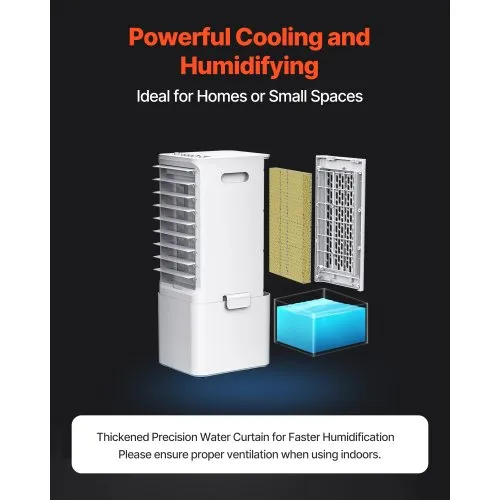
Credit: www.vevor.ca
Ideal Applications For Water Cooled Systems
Water cooled air conditioners use water to remove heat from the system. They are very efficient for cooling large spaces. These systems save energy compared to air cooled systems.
Many types of buildings and spaces benefit from water cooled air conditioners. Below are some common uses.
Commercial Buildings
Water cooled systems are good for large commercial buildings. These buildings have many rooms and need stable cooling. The system can run quietly and save energy.
- Office buildings
- Shopping malls
- Hotels and resorts
- Hospitals and clinics
Industrial Use
Factories and plants often use water cooled air conditioners. Machines produce a lot of heat. These systems keep the air cool to protect equipment and workers.
| Industry Type | Reason for Water Cooled System |
| Manufacturing | High heat from machines |
| Data Centers | Need constant cooling for servers |
| Food Processing | Control temperature for safety |
Large Residential Spaces
Big homes or apartment complexes can use water cooled air conditioners. They cool many rooms with less noise. These systems reduce electricity bills.
- Multi-story houses
- Luxury apartments
- Gated communities
Installation And Maintenance Tips
A water cooled air conditioner uses water to remove heat from the system. This type of AC is energy efficient and quiet. Proper installation and maintenance keep it working well.
Follow simple tips to install the unit correctly and maintain it regularly. This helps avoid problems and extends the system’s life.
Site Requirements
Choose a location with good water supply and drainage. The site should allow easy access for repairs and cleaning. Proper ventilation is important for the heat exchange process.
- Place the unit near a reliable water source
- Ensure there is enough space around for air flow
- Check for proper drainage to avoid water buildup
- Keep the site free from dust and debris
- Avoid direct sunlight to reduce heat load
Regular Maintenance Practices
Clean the filters and water tanks often to keep the air conditioner efficient. Check water quality to prevent blockages. Inspect all parts for wear and tear regularly.
- Clean or replace air filters monthly
- Flush water tanks to remove deposits
- Check water pumps and pipes for leaks
- Inspect electrical connections for safety
- Schedule professional service at least once a year
Common Issues And Solutions
Water cooled ACs can face problems like water leaks or low cooling. Knowing common issues helps fix them quickly. Regular checks prevent bigger damage.
- Water leaks: Check and repair pipes or seals
- Low cooling: Clean filters and check water flow
- Strange noises: Tighten loose parts or lubricate motors
- Water quality problems: Use water softeners or filters
- Electrical faults: Replace damaged wires and fuses
Environmental Considerations
Water cooled air conditioners use water to remove heat from the system. This process affects the environment in different ways. Understanding these effects helps us make better choices.
We will look at water use, effects on local ecosystems, and other options that are friendlier to nature.
Water Usage And Conservation
Water cooled systems use a lot of water to cool the air. This can stress water supplies, especially in dry areas. Saving water is important to reduce this impact.
- Use water-saving technologies in the system
- Recycle water within the cooling process
- Monitor water use regularly to detect leaks
- Choose water sources that do not harm local supply
Impact On Local Ecosystems
Water cooled air conditioners can change local habitats. Warm water discharged may raise temperatures in rivers or lakes. This affects fish and other wildlife.
| Impact | Effect on Ecosystem |
| Warm Water Discharge | Reduces oxygen for fish |
| Chemical Use | Can poison plants and animals |
| Water Withdrawal | Reduces water for other species |
Sustainable Alternatives
There are other cooling options that use less water and harm nature less. These choices help protect the environment while keeping homes cool.
- Air cooled air conditioners use air instead of water
- Evaporative coolers use less water and energy
- Geothermal cooling uses the earth’s stable temperature
- Solar-powered cooling reduces fossil fuel use
Frequently Asked Questions
What Is A Water-cooled Air Conditioner?
A water-cooled air conditioner uses water to dissipate heat. It is often more efficient than air-cooled units. These systems are ideal for larger buildings or industrial applications where cooling demands are high. They offer consistent performance, even in hot climates, making them a popular choice for commercial use.
How Does A Water-cooled Ac Work?
A water-cooled AC circulates water through a heat exchanger to remove heat. This process efficiently cools the refrigerant, which then cools the air. The system is more effective in areas with high ambient temperatures. It offers better energy efficiency and performance compared to traditional air-cooled systems.
Are Water-cooled Acs More Efficient?
Yes, water-cooled ACs are generally more efficient than air-cooled systems. They dissipate heat more effectively using water, which absorbs and releases heat faster than air. This efficiency translates to lower energy consumption and reduced operating costs, especially in larger buildings or hot climates.
What Are The Benefits Of Water-cooled Acs?
Water-cooled ACs offer several benefits, including higher efficiency, consistent cooling, and lower energy consumption. They are ideal for large-scale applications, such as commercial buildings and industrial facilities. These systems also have a longer lifespan and require less maintenance compared to air-cooled units.
Conclusion
Water cooled air conditioners use water to cool the air efficiently. They save energy and reduce noise compared to air-cooled systems. These units work well in places with limited airflow or high temperatures. They need regular maintenance to keep running smoothly.
Choosing the right system depends on your space and needs. Understanding how they work helps you make a smart decision. Water cooled air conditioners offer a practical cooling solution for many homes and offices.