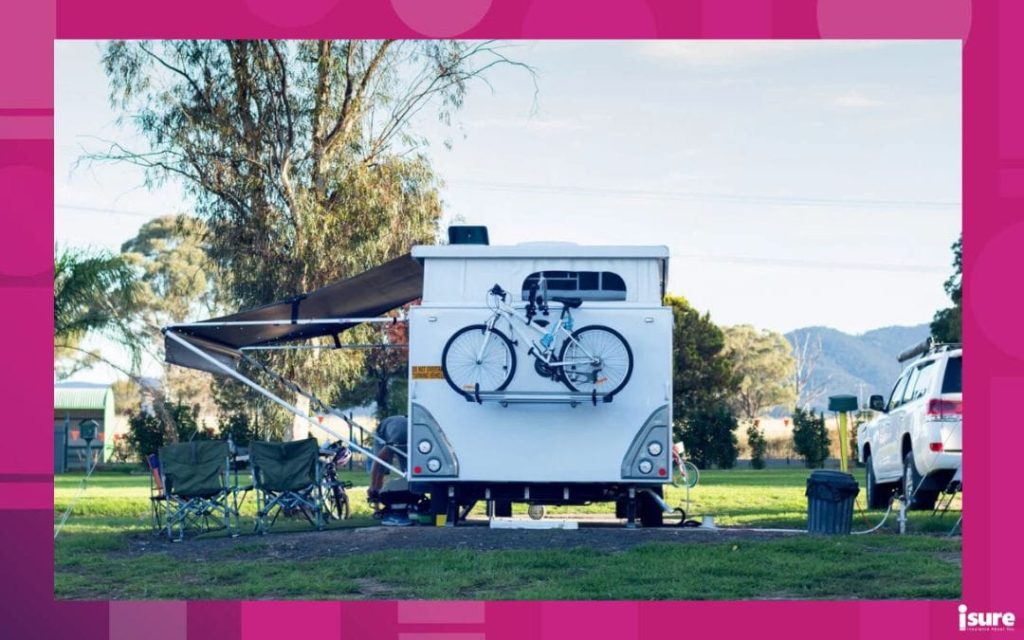
Have you ever wondered if your car insurance also protects your trailer? If you own or use a trailer, this question is crucial.
Imagine facing damage or theft, only to find out you’re not covered. That could mean unexpected costs and a lot of stress. You’ll discover exactly what your car insurance covers when it comes to trailers. Understanding this can save you money and headaches.
Keep reading to make sure you’re fully protected on the road.
Credit: www.dulibaninsurance.com
Trailer And Car Insurance Basics
Car insurance protects your vehicle and helps cover costs from accidents. Many people wonder if their trailer is also covered under the same policy.
Understanding what types of coverage you have and how trailers are defined in insurance can help you decide if you need extra protection.
Types Of Car Insurance Coverage
Car insurance includes different types of coverage. Each type covers specific risks and damages.
- Liability coverage pays for damage you cause to others.
- Collision coverage pays for damage to your car after a crash.
- Comprehensive coverage protects against theft, fire, or weather damage.
- Personal injury protection helps with medical costs.
- Uninsured motorist coverage covers damages from drivers without insurance.
Definition Of A Trailer In Insurance Terms
A trailer is a vehicle without its own engine. It is pulled by a car or truck. Trailers come in many types, like utility trailers or camper trailers.
| Trailer Type | Description | Insurance Consideration |
| Utility Trailer | Used for hauling goods or equipment. | Usually covered under your car insurance if attached. |
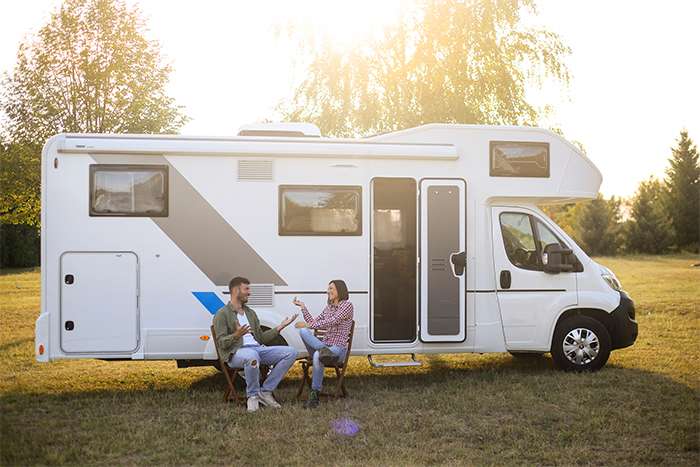
| Camper Trailer | Used for camping and living space. | May need separate insurance depending on policy. |
| Boat Trailer | Used to transport boats. | Check if your policy covers it or if you need extra. |
When Does Car Insurance Cover A Trailer?
Car insurance may cover a trailer in some cases. It depends on how the trailer is used and connected to the vehicle.
Understanding when coverage applies helps you avoid surprises during accidents or damage.
Coverage For Attached Trailers
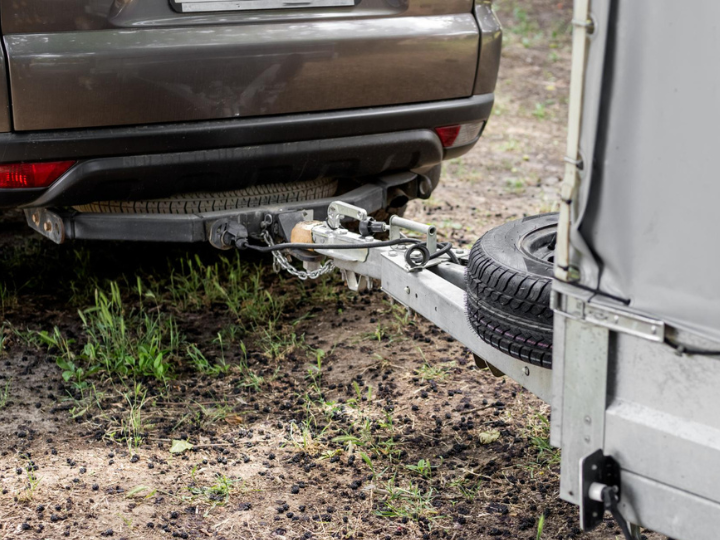
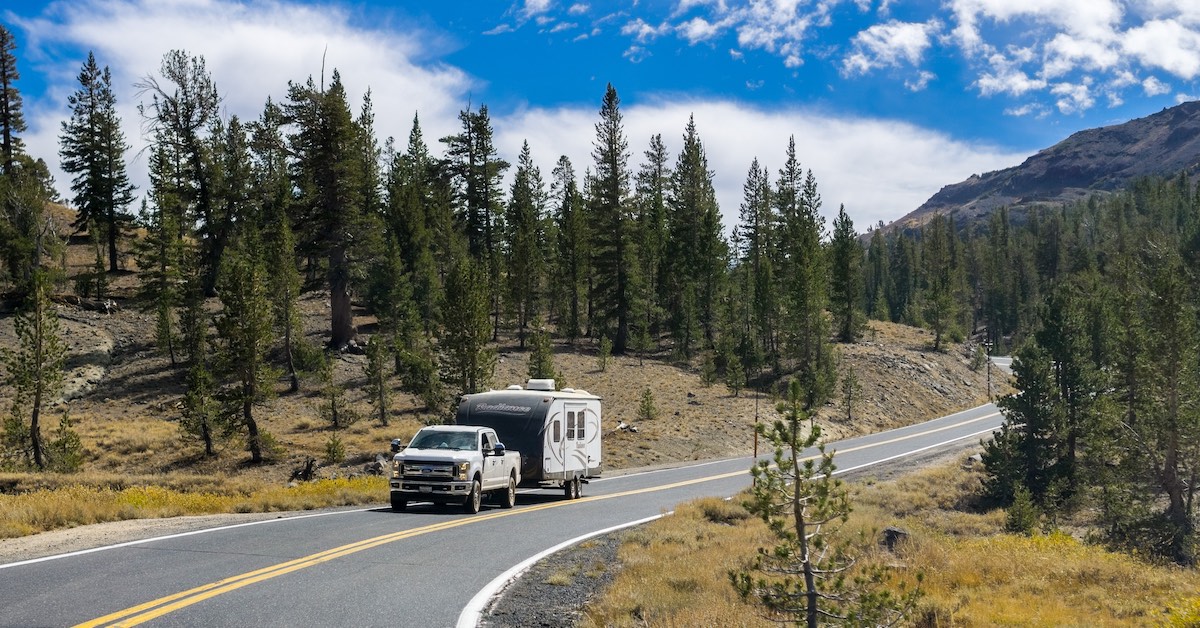
Most car insurance policies cover trailers that are attached to your vehicle. This coverage usually includes damage caused by accidents.
Your liability coverage may extend to the trailer while it is connected. This protects you if you cause injury or property damage.
- Physical damage coverage applies if the trailer is attached.
- Liability coverage often includes attached trailers.
- Coverage depends on your specific insurance policy.
Coverage For Detached Trailers
Car insurance usually does not cover detached trailers. When the trailer is not connected, it may need separate insurance.
Some policies offer limited coverage for trailers that are detached but parked on your property. Check your policy details carefully.
- Detached trailers often need their own insurance policy.
- Some protection may exist if the trailer is on your property.
- Liability coverage generally does not apply to detached trailers.
Limitations And Exclusions
Insurance policies may have limits on trailer coverage. These limits set the maximum amount the insurer will pay.
Some trailers, such as those used for business, may be excluded from coverage. Damage from theft or natural disasters may also be limited.
- Coverage limits cap the payout for trailer damage.
- Business-use trailers often need special insurance.
- Theft and natural disaster coverage may be limited or excluded.
- Always read your policy to understand these rules.
Additional Trailer Insurance Options
Many car insurance policies do not fully cover trailers. You may need extra insurance. This helps protect your trailer from damage or theft.
There are several ways to add trailer coverage. This depends on your needs and the value of your trailer.
Separate Trailer Insurance Policies
A separate trailer insurance policy covers your trailer alone. This policy is independent of your car insurance. It gives you full protection for your trailer.
- Covers damages to the trailer only
- Protects against theft and vandalism
- May cover trailers used for business or personal use
- Can include liability coverage for accidents involving the trailer
Extended Coverage Add-ons
Some car insurance companies offer add-ons to extend trailer coverage. These add-ons improve protection without a separate policy.
| Add-on Type | What It Covers | Benefits |
| Comprehensive Trailer Coverage | Damage from fire, theft, or weather | Protects trailer value |
| Collision Coverage | Trailer damage from accidents | Fix or replace trailer |
| Liability Coverage | Injury or property damage caused by trailer | Legal and medical costs |
| Contents Coverage | Items stored inside trailer | Protects tools or goods |
Credit: www.lemonade.com
Factors Affecting Trailer Insurance Coverage
Trailer insurance coverage depends on many factors. These factors decide if your trailer is covered under your car insurance policy.
Understanding these factors helps you know your insurance limits and needs. It also helps avoid surprises in case of damage or loss.
Trailer Type And Use
The type of trailer you own affects insurance coverage. Different trailers serve different purposes and risks.
- Utility trailers may have basic coverage or none at all.
- Travel trailers often need separate insurance policies.
- Commercial trailers may require special coverage due to their use.
- Recreational trailers may be covered only under certain conditions.
State Laws And Regulations
Each state has its own rules about trailer insurance. Some states require insurance for all trailers.
| State | Trailer Insurance Required | Notes |
| California | Yes | Required for trailers over 2,000 lbs. |
| Texas | No | Insurance not mandatory but recommended. |
| Florida | Yes | Required for trailers used on highways. |
| New York | Yes | Must have insurance if trailer is registered. |
Insurance Provider Policies
Insurance companies have different rules about trailer coverage. Some include trailers under your car policy.
Common insurance provider policies include:
- Automatic coverage for small trailers
- Optional add-ons for large or specialty trailers
- Separate trailer insurance policies
- Coverage limits based on trailer value and use
Claims And Liability Involving Trailers
Trailers add extra space for hauling goods or equipment. They can affect your car insurance coverage. Understanding claims and liability for trailers is important.
This guide explains how to file claims for trailer damage and who is responsible in accidents involving trailers.
Filing A Claim For Trailer Damage
If your trailer gets damaged, you may need to file a claim with your insurer. Coverage depends on your policy and trailer type.
- Check if your auto insurance policy covers trailers
- Gather evidence like photos and police reports
- Contact your insurance company quickly after the damage
- Provide all necessary documents to support your claim
- Keep records of repair estimates and receipts
Liability For Accidents Involving Trailers
Liability depends on who caused the accident and trailer condition. Both the driver and trailer owner can share responsibility.
| Party | Liability Scenario |
| Driver | Improper control or driving errors |
| Trailer Owner | Poor maintenance or faulty equipment |
| Other Drivers | Causing the accident directly |
Credit: westernfinancialgroup.ca
Tips To Ensure Trailer Protection
Many people wonder if their car insurance covers trailers. It is important to protect your trailer from damage or theft.
Here are some tips to help you make sure your trailer is covered well by your insurance policy.
Reviewing Your Policy Details
Read your insurance policy carefully to see if trailers are included. Some policies cover trailers automatically, but others need extra coverage.
Check what types of trailers are covered and the limits of that coverage.
- Look for terms like “trailer coverage” or “attached property”
- Note if coverage is limited to certain trailer types
- Check if there are special conditions or exclusions
Communicating With Your Insurer
Talk to your insurance agent about your trailer. Ask if your current policy covers it or if you need extra protection.
Keep your insurer informed about any changes, like buying a new trailer or using it for different purposes.
- Explain the trailer’s size and value
- Describe how you use the trailer
- Ask about adding a trailer endorsement
- Confirm coverage limits and deductibles
Maintaining Proper Documentation
Keep all documents related to your trailer in one place. This helps if you need to file a claim.
Store receipts, registration papers, and photos of your trailer to prove ownership and condition.
- Save purchase receipts and bills
- Keep trailer registration and title handy
- Take clear photos from different angles
- Record any repairs or upgrades
Frequently Asked Questions
Is A Trailer Automatically Covered By Car Insurance?
Usually, car insurance does not automatically cover trailers. Coverage depends on your policy type. You may need additional coverage or a separate trailer insurance policy for protection.
Does Liability Coverage Extend To Trailers?
Liability coverage sometimes extends to trailers if attached to your insured vehicle. Check your policy details to confirm if your trailer is included under liability protection.
What Types Of Trailer Coverage Are Available?
Common trailer coverages include liability, comprehensive, and collision. Each protects against different risks like damage, theft, or accidents. Selecting coverage depends on trailer use and value.
Are Personal Belongings In Trailers Insured?
Personal belongings inside a trailer are generally not covered by car insurance. You may need a separate policy, like renters or homeowners insurance, to protect contents inside your trailer.
Conclusion
Car insurance may or may not cover your trailer. Coverage depends on your policy and provider. Some policies include trailers automatically. Others need a separate trailer insurance add-on. Always check with your insurance company first. Know what is covered and what is not.
This helps avoid surprises after an accident. Protect your trailer to avoid extra costs. Understanding your coverage keeps you safe and prepared. Stay informed and review your policy regularly. Insurance can save money and stress in the long run.