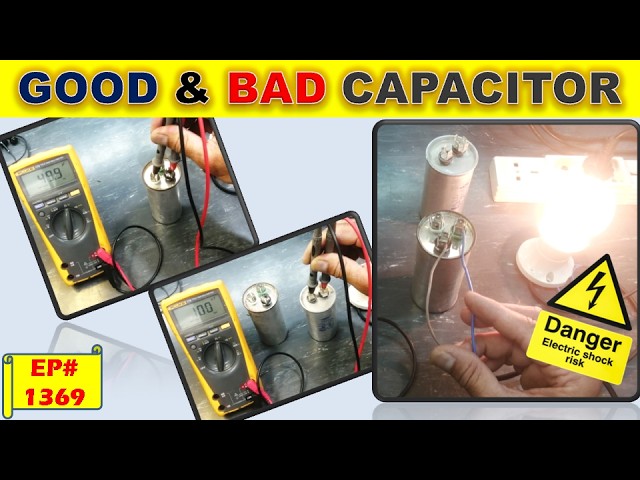
Is your air conditioner acting up and leaving you sweating? One common culprit behind sudden AC problems is a bad capacitor.
But how can you tell if your air conditioner capacitor is failing before it completely breaks down? Knowing the signs early can save you from costly repairs and keep your home cool and comfortable. You’ll learn simple ways to spot a bad capacitor and what steps to take next.
Keep reading—your AC’s health depends on it!

Credit: www.reddit.com
Signs Of A Bad Capacitor
Your air conditioner’s capacitor helps start and run the motor. When it goes bad, the AC may not work right.
Look for these signs to know if your capacitor needs checking or replacing.
Unusual Noises
Bad capacitors can cause strange sounds from your AC unit. These noises often happen when the motor struggles to start.
- Buzzing or humming sounds
- Clicking noises when the AC tries to turn on
- Loud or unusual rattling
Ac Won’t Start
If your AC does not start at all, a bad capacitor may be the cause. The capacitor sends the electric boost to the motor.
| Possible Cause | Effect on AC |
| Bad Capacitor | AC motor fails to start |
| Dead Battery | Thermostat won’t respond |
| Tripped Breaker | No power to AC unit |
Frequent Cycling
A failing capacitor can cause your AC to turn on and off often. This is called frequent cycling and wastes energy.
Look for these signs:
- AC runs for a short time then stops
- Thermostat setting does not keep room cool
- Unit restarts multiple times in one hour
Warm Air Blowing
If your AC blows warm air, the capacitor might not be sending power to the compressor or fan.
| Symptom | What It Means |
|---|---|
| Warm air from vents | Compressor or fan motor not running properly |
| Fan does not spin | Capacitor failure |
| Compressor overheats | Capacitor cannot start compressor |

Credit: www.youtube.com
Visual Inspection Tips
Checking your air conditioner capacitor visually can help spot problems early. A simple look can tell if the capacitor is bad.
Use these tips to inspect the capacitor safely before calling a professional.
Check For Bulging Or Leaks
Look at the capacitor’s body for any bulges or swelling. A good capacitor should have a flat top.
Check for any oily leaks or wet spots on the capacitor. Leaks mean the capacitor is damaged inside.
- Bulging top means pressure build-up
- Leaks show internal fluid escaping
- Both signs require replacement
Look For Burn Marks
Burn marks or discoloration on the capacitor indicate overheating. This can cause the capacitor to fail.
Check the metal parts and casing for dark spots or melted areas.
- Burn marks suggest electrical problems
- Heat damage lowers capacitor life
- Replace if you find burn marks
Inspect Wiring Connections
Check the wires connected to the capacitor for loose or broken ends. Secure wiring is essential for proper function.
Look for signs of corrosion or burnt wires at the connection points.
- Loose wires cause poor contact
- Corroded connections increase resistance
- Damaged wiring can harm the capacitor
Testing The Capacitor
Testing an air conditioner capacitor helps find if it is bad or working. You need a multimeter to check the capacitor’s health. Safety is very important before testing.
This guide shows how to test the capacitor safely and read the results clearly. Follow the steps carefully to avoid damage or injury.
Using A Multimeter
Use a multimeter with a capacitance setting for the most accurate test. If your meter does not have this, you can use the resistance setting as a rough check.
- Turn off the power to the air conditioner.
- Remove the capacitor from the unit carefully.
- Set the multimeter to the capacitance mode.
- Connect the meter leads to the capacitor terminals.
- Compare the reading with the capacitor’s rated value.
Discharging The Capacitor Safely
A capacitor can hold dangerous electric charge even when power is off. You must discharge it before testing or touching terminals.
- Wear insulated gloves and safety glasses.
- Use a screwdriver with an insulated handle.
- Place the metal tip across the capacitor terminals.
- Hold it for several seconds to release the charge.
- Check with your multimeter to ensure no voltage remains.
Interpreting Test Results
| Multimeter Reading | What It Means |
|---|---|
| Close to Rated Value | Capacitor is good and working properly |
| Much Lower Than Rated | Capacitor is weak or damaged, needs replacement |
| Very High or Infinite | Capacitor is open or broken internally |
| Zero or Very Low | Capacitor is shorted and must be replaced |
Common Causes Of Capacitor Failure
Air conditioner capacitors help start the motor and keep it running. When a capacitor fails, the AC may stop working. Knowing why capacitors fail helps you spot problems early.
Many factors cause capacitors to go bad. Some are related to electrical issues. Others come from natural wear or weather conditions.
Electrical Surges
Electrical surges happen when power spikes suddenly. These spikes can damage the capacitor’s internal parts. The damage reduces the capacitor’s ability to hold charge.
Common causes of electrical surges include lightning strikes and power outages. Surges cause heat inside the capacitor, which may lead to failure.
- Lightning can cause sudden high voltage
- Power outages may create unstable power flow
- Faulty wiring increases risk of surges
Age And Wear
Capacitors have a limited lifespan. Over time, their materials break down. This natural wear lowers their performance and causes failure.
Older capacitors lose their ability to store electrical charge. This wear can cause the air conditioner motor to fail to start or run poorly.
- Capacitors usually last 10-15 years
- Heat speeds up aging and wear
- Regular use gradually weakens capacitor parts
Extreme Weather Effects
Extreme weather affects capacitor health. High heat and humidity cause the capacitor to swell or leak. Cold weather may make the capacitor brittle and crack.
Outdoor air conditioners face these weather challenges daily. This exposure can shorten the capacitor’s life and cause sudden failure.
- Heat causes the capacitor’s oil or electrolyte to dry out
- Humidity can lead to corrosion inside the capacitor
- Cold makes the capacitor’s shell fragile and prone to cracks
When To Replace The Capacitor
The capacitor in your air conditioner helps start the compressor and fan motors. Over time, it can wear out and stop working well.
Knowing when to replace the capacitor can save your AC from bigger problems. It also helps keep your home cool and comfortable.
Signs Replacement Is Needed
Watch for these signs that show your capacitor may be bad and needs replacing.
- AC won’t start or takes a long time to start
- Fan or compressor runs slowly or not at all
- Humming noise from the outdoor unit
- AC shuts off randomly during use
- Visible bulges or leaks on the capacitor
If you notice these signs, the capacitor may be weak or damaged. Replacing it can restore proper function.
Choosing The Right Capacitor
Pick a capacitor that matches your air conditioner’s specifications. Using the wrong one can cause more damage.
- Check the microfarad (µF) rating on the old capacitor
- Match the voltage rating exactly
- Choose a capacitor with the same shape and size
- Buy from a trusted brand or supplier
Always double-check the label to ensure the new capacitor fits your unit’s needs.
Professional Help Vs Diy
Replacing a capacitor can be risky if you don’t have experience. Capacitors store electrical energy that can cause shocks.
Consider these points before deciding to do it yourself or hire a professional.
- DIY:Save money but need proper tools and safety knowledge
- Professional:Safer, faster, and ensures correct installation
- Improper handling can damage the AC or cause injury
If you are unsure about the process, it is best to call a certified technician for help.
Preventive Maintenance Tips
Keeping your air conditioner running smoothly starts with good maintenance. Checking parts regularly helps catch problems early. This guide shares simple tips to keep your AC capacitor in good shape.
Following these easy steps can prevent costly repairs. You will learn how to inspect the unit, keep it clean, and protect its electrical parts.
Regular Inspections
Look over your air conditioner often to spot signs of trouble. Check the capacitor for bulges or leaks. Listen for unusual sounds when the unit starts. Early detection stops bigger damage.
- Inspect the capacitor for physical damage
- Check wiring connections for looseness
- Test the unit’s start-up and running sounds
- Look for signs of overheating or rust
- Schedule professional checks yearly
Keeping The Unit Clean
Dirt and debris around the air conditioner harm its parts. Clean the fins and coils to help air flow. A clean unit reduces stress on the capacitor and other components.
| Cleaning Task | Frequency |
| Clear leaves and debris around unit | Monthly |
| Clean condenser coils | Twice a year |
| Remove dust from fins | Every 3 months |
| Check and clean drain line | Annually |
Proper Electrical Protection
Protect your AC unit from electrical issues. Use a surge protector to stop power spikes. Keep wiring safe and avoid overloading circuits. Good electrical care extends capacitor life.
- Install a surge protector near the AC unit
- Use correct fuse or circuit breaker size
- Check electrical connections regularly
- Keep wiring dry and free from damage

Credit: www.reddit.com
Frequently Asked Questions
How Do I Know If My Ac Capacitor Is Bad?
A bad AC capacitor often causes the unit to struggle starting or running. Look for buzzing sounds, slow fan speeds, or no cooling. Visual signs include bulging, leaking, or corrosion on the capacitor’s surface.
What Are Common Signs Of A Failing Ac Capacitor?
Common signs include the AC not starting, frequent cycling, weak airflow, and unusual noises. The system might also trip the breaker or show increased energy use, indicating the capacitor’s reduced efficiency.
Can A Bad Capacitor Damage My Air Conditioner?
Yes, a faulty capacitor can cause the compressor or fan motor to overheat. This leads to costly repairs or complete system failure if the capacitor is not replaced promptly.
How Often Should I Replace My Ac Capacitor?
AC capacitors typically last 10 to 20 years but should be checked during annual maintenance. Replace immediately if you notice any signs of failure or reduced AC performance.
Conclusion
A bad air conditioner capacitor can cause many problems. Strange noises, slow fan, or no cooling are common signs. Testing the capacitor with a multimeter helps find issues. Replacing a faulty capacitor keeps your AC running smoothly. Regular checks prevent sudden breakdowns and costly repairs.
Taking action early saves time and money. Stay alert to small changes in your AC’s performance. Keep your home cool and comfortable all summer long.