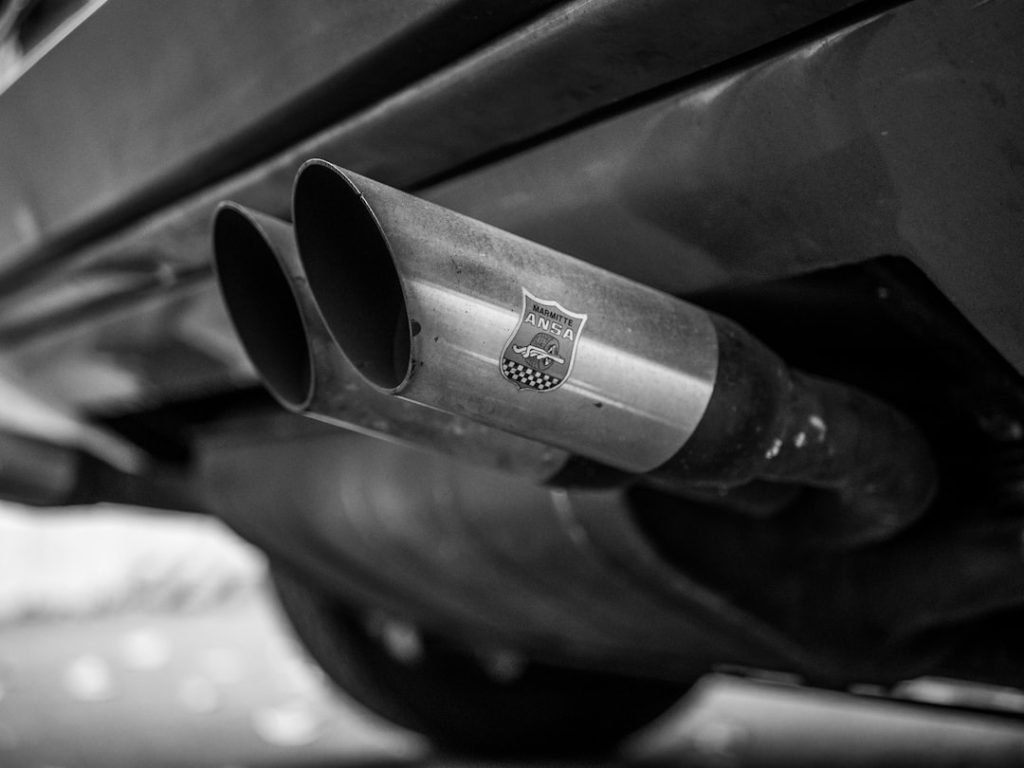
Are you wondering how much an exhaust system will cost you? Whether your car needs a simple repair or a full replacement, knowing the expenses upfront can save you time and stress.
Your exhaust system plays a key role in your vehicle’s performance and fuel efficiency, so it’s important to get it right. You’ll discover clear answers and practical tips to help you make the best choice for your budget and your car.
Keep reading to find out what affects the cost and how you can avoid unexpected expenses.
Exhaust System Basics
The exhaust system removes gases from your vehicle’s engine. It helps reduce noise and pollution.
The cost of an exhaust system depends on parts and type. Knowing its basics helps you understand pricing.
Components Of An Exhaust System
An exhaust system has several key parts. Each part works to guide gases safely away from the engine.
- Exhaust Manifold:Collects gases from the engine cylinders.
- Oxygen Sensor:Measures oxygen levels to adjust fuel mix.
- Catalytic Converter:Reduces harmful emissions.
- Muffler:Lowers the noise from exhaust gases.
- Tailpipe:Releases gases outside the vehicle.
Types Of Exhaust Systems
There are different exhaust systems for cars. Each type offers unique benefits and costs.
- Single Exhaust:One pipe removes gases. It is common and cost-effective.
- Dual Exhaust:Two pipes improve engine breathing and power.
- Performance Exhaust:Designed to boost power and sound.
- Headers:Replace the exhaust manifold for better flow.

Credit: www.whocanfixmycar.com
Factors Affecting Exhaust System Cost
The cost of an exhaust system can vary a lot. Many factors change the price you pay.
Knowing these factors helps you understand why prices differ. It also helps you plan your budget.
Material And Quality
The material used affects the cost a lot. High-quality metals last longer but cost more.
Common materials include steel, aluminized steel, and stainless steel. Stainless steel is the most expensive.
- Steel: Low cost, less durable
- Aluminized steel: Moderate cost, better resistance
- Stainless steel: High cost, very durable and rust-resistant
Vehicle Make And Model
Some cars need special exhaust parts. This makes the cost higher for certain models.
Luxury or rare cars often have more expensive exhaust systems. Common cars usually have cheaper parts.
- Luxury cars: Higher cost due to custom parts
- Sports cars: Often need performance exhausts, cost more
- Standard cars: More options, usually lower cost
Labor And Installation Fees
Installing an exhaust system takes time and skill. Labor costs depend on the shop and job difficulty.
Complex systems or hard-to-reach parts raise the labor price. Simple jobs cost less to install.
- Simple installation: Lower labor cost
- Complex installation: Higher labor cost
- Dealer shops: Usually charge more
- Independent shops: Often cheaper labor fees
Average Price Ranges
The cost of an exhaust system depends on the type and vehicle model. Prices can vary widely based on parts and labor.
This guide breaks down average costs for different exhaust system types. It helps you understand what to expect.
Standard Exhaust Replacement Costs
Standard exhaust replacements use factory-style parts. These parts match the original system on your vehicle.
- Parts cost: $150 to $600
- Labor cost: $100 to $300
- Total cost: $250 to $900
Performance Exhaust Systems Pricing
Performance exhausts improve engine power and sound. They use special materials and designs for better airflow.
| Type | Parts Cost | Labor Cost | Total Cost |
|---|---|---|---|
| Muffler Upgrade | $200 – $500 | $100 – $200 | $300 – $700 |
| Cat-Back System | $400 – $1,200 | $150 – $350 | $550 – $1,550 |
| Headers | $300 – $1,000 | $200 – $400 | $500 – $1,400 |
Custom Exhaust Systems
Custom exhausts are built to fit unique needs. They often use premium parts and special designs.
Common factors affecting custom system costs:
- Material choice (stainless steel, titanium)
- Design complexity
- Labor hours required
- Vehicle type and size
Prices usually start around $1,000 and can go over $3,000.
Signs You Need A New Exhaust System
Your car’s exhaust system helps control emissions and noise. It also affects engine performance.
If you notice certain signs, it may mean your exhaust system needs replacement soon.
Common Exhaust Problems
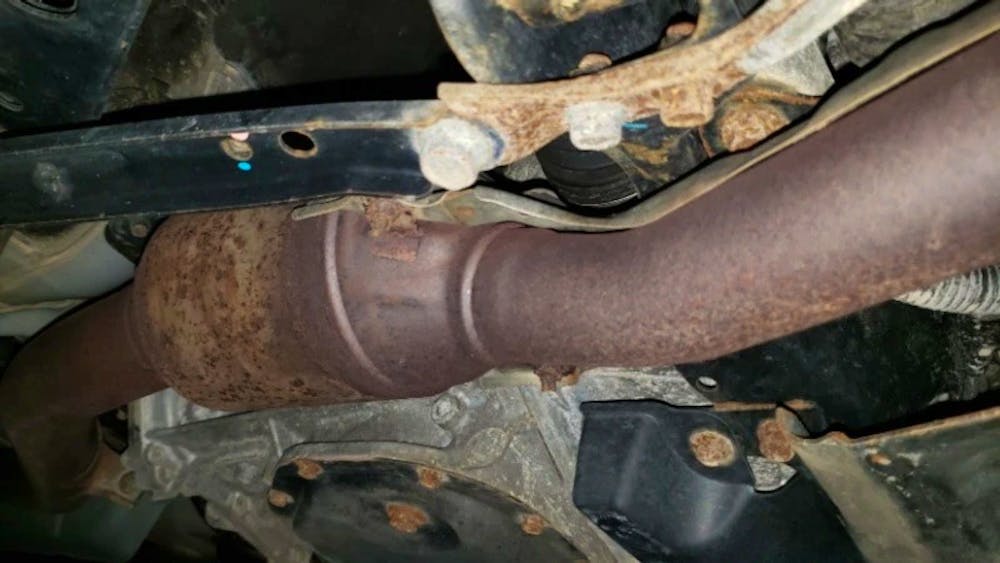
Exhaust systems face wear and tear from heat, rust, and road debris. Cracks and holes often develop over time.
Leaks cause loud noises and let harmful gases enter your car. Blockages reduce engine efficiency.
- Rusted or damaged pipes
- Broken hangers or mounts
- Loud or unusual noises
- Smell of exhaust fumes inside the car
- Decreased fuel efficiency
Impact On Vehicle Performance
A faulty exhaust system lowers your car’s power and fuel economy. The engine may run rough or stall.
Blocked exhaust flow increases engine heat and emissions. It can cause the vehicle to fail emissions tests.
- Reduced engine power and acceleration
- Lower gas mileage
- Engine misfires or stalls
- Increased harmful emissions
- Louder engine noise
Diy Vs Professional Installation
Replacing an exhaust system can save money if you do it yourself. Some car owners choose DIY to cut labor costs. Others hire professionals to ensure safety and quality work.
Both choices have pros and cons. This guide helps you decide which option fits your needs and budget.
Pros And Cons Of Diy
Doing the exhaust system replacement yourself can lower costs. You can learn new skills and work on your schedule.
- Pros:Saves money on labor, flexible timing, learning experience.
- Cons:Needs tools and skills, time-consuming, risk of mistakes.
DIY work may need extra care to avoid damage. Exhaust systems can be tricky and require proper handling.
When To Hire A Mechanic
Professional installation costs more but offers expertise. Mechanics have tools and experience to do the job right and fast.
| Reason to Hire | Details |
|---|---|
| Complex Repairs | Rusted or custom exhaust parts need expert handling. |
| Time Constraints | Busy schedule or no garage space for DIY work. |
| Warranty Coverage | Professional work keeps car warranty intact. |
| Safety | Proper installation avoids leaks and damage. |

Credit: www.youtube.com
Ways To Save On Exhaust System Costs
Replacing or repairing an exhaust system can be costly. Knowing how to save money helps you keep your car running well without spending too much.
Simple choices and good maintenance can lower your expenses. Here are some tips on how to save on exhaust system costs.
Choosing The Right Shop
Picking a repair shop affects how much you pay. Prices can vary a lot. Look for shops with fair prices and good reviews. Ask about labor costs before work starts.
- Compare quotes from several shops
- Check if the shop offers warranties
- Look for certified mechanics
- Avoid very cheap shops that use low-quality parts
Aftermarket Vs Oem Parts
You can choose between OEM (Original Equipment Manufacturer) parts or aftermarket parts. OEM parts are made by your car’s maker. Aftermarket parts are made by other companies.
| Type of Part | Cost | Quality | Warranty |
| OEM | Higher | High | Usually included |
| Aftermarket | Lower | Varies | May be limited |
Aftermarket parts can save money but check reviews and warranty. OEM parts cost more but fit better and last longer.
Maintenance Tips To Extend Lifespan
Regular care keeps your exhaust system working longer. This lowers how often you must replace parts.
- Check for leaks or rust every few months
- Fix small problems early to stop bigger damage
- Keep your car’s engine tuned well
- Avoid short trips that do not warm up the exhaust fully
Credit: www.cartalk.com
Frequently Asked Questions
What Factors Affect Exhaust System Cost?
The cost of an exhaust system depends on various factors. These include the vehicle make and model, type of exhaust (performance or standard), material used (stainless steel or aluminized steel), and labor costs. Custom installations and additional features can also increase the overall price.
How Much Does A Standard Exhaust System Cost?
A standard exhaust system typically costs between $300 and $700. The price varies based on the vehicle type and the complexity of the installation. Labor costs also influence the total amount. For a more precise estimate, it’s recommended to consult a professional mechanic.
Is It Cheaper To Repair Or Replace An Exhaust?
Repairing an exhaust system is often cheaper than replacing it. However, the cost-effectiveness depends on the damage extent. Minor repairs like fixing leaks or replacing a muffler can be economical. For extensive damage, replacement might be more cost-effective in the long run.
How Long Does An Exhaust System Last?
An exhaust system generally lasts between 2 to 5 years. This lifespan depends on driving conditions, maintenance, and material quality. Regular inspections and timely repairs can extend its life. Frequent exposure to harsh conditions may lead to earlier replacements.
Conclusion
Exhaust system costs vary based on parts and labor. Different cars need different types of exhaust systems. Choosing quality parts helps your car run better and last longer. Checking prices from several shops saves money. Regular maintenance prevents costly repairs later.
Understanding the cost helps you plan your budget well. Keep your car safe and efficient with the right exhaust system. Don’t rush—take time to compare and decide carefully. Good care means fewer problems on the road.