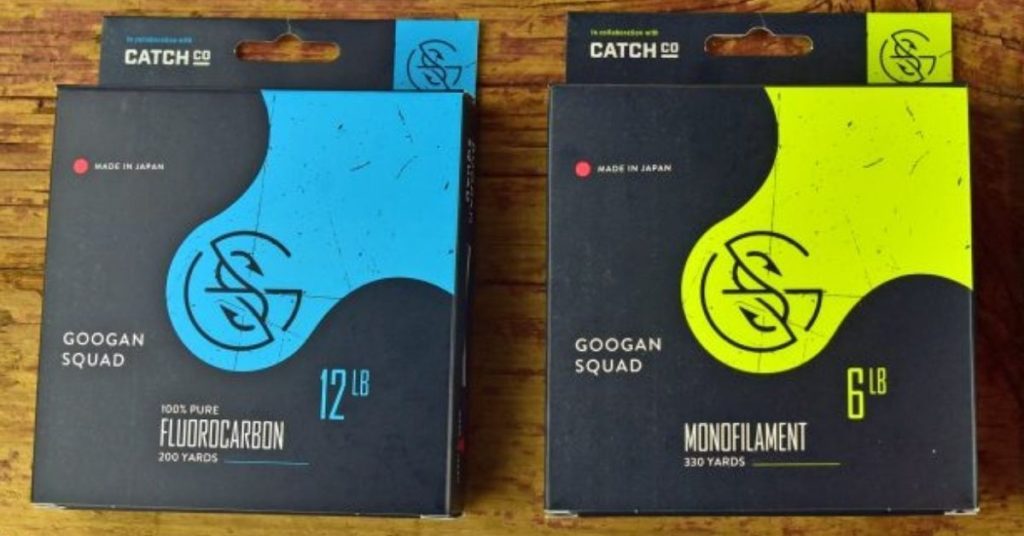
When it comes to fishing, choosing the right line can make all the difference between a successful catch and a frustrating day on the water. You’ve probably heard about monofilament and fluorocarbon fishing lines, but do you really know how they differ?
Understanding these differences can help you pick the perfect line for your fishing style and improve your chances of landing that big fish. Keep reading, and you’ll discover the key features of each type, so you can make a smart choice every time you cast your line.
Monofilament Characteristics
Monofilament fishing lines are popular among anglers for many reasons. They have unique features that affect fishing performance.
This section explains the main characteristics of monofilament lines. It helps you understand how they differ from fluorocarbon lines.
Material Composition
Monofilament lines are made from a single strand of nylon or similar plastic. This makes the line strong yet flexible.
The nylon material allows the line to stretch and absorb shocks. This helps prevent breaking when a fish pulls hard.
Stretch And Flexibility
Monofilament lines stretch more than fluorocarbon lines. This stretch helps absorb the force from fish strikes.
The flexibility of monofilament makes it easier to tie knots. It also reduces line breakage from sudden pulls.
- Stretches up to 20-30% of its length
- Absorbs shocks during fights
- Easier to handle and knot
Visibility In Water
Monofilament lines are usually clear or lightly colored. This makes them visible in water but less so than other lines.
They work well in many water conditions but can be seen by fish in very clear water. Anglers may choose color based on the environment.
- Clear or light colors
- Moderate visibility underwater
- Colors available for different water types
Cost And Availability
Monofilament lines are less expensive than fluorocarbon lines. They are easy to find in most fishing stores.
The low cost makes monofilament a good choice for beginners and casual anglers. It is widely available in many brands and sizes.
- Lower price compared to fluorocarbon
- Widely available in stores
- Many brands and thickness options

Credit: mysterytacklebox.com
Fluorocarbon Features
Fluorocarbon fishing line is popular among anglers. It offers several advantages over other types of lines.
This type of line is known for its special material and unique properties. These help with fishing in many ways.
Material Properties
Fluorocarbon is made from a type of plastic called polyvinylidene fluoride. It feels harder and denser than monofilament.
This material does not absorb water. It stays strong even after long use in water. It also resists UV light damage well.
Abrasion Resistance
Fluorocarbon has high resistance to abrasion. It can handle rubbing against rocks, wood, and fish teeth better than monofilament.
This toughness helps prevent the line from breaking during fishing. It lasts longer in rough fishing spots.
Light Refraction And Stealth
Fluorocarbon bends light differently than other lines. It is almost invisible underwater because it matches water’s refraction.
This quality makes it harder for fish to see the line. It improves chances of catching fish in clear water.
Price Considerations
Fluorocarbon line usually costs more than monofilament. The special material and features add to the price.
Anglers choose fluorocarbon when its benefits match their fishing needs. Budget is an important factor.
Performance Comparison
Monofilament and fluorocarbon lines are popular choices for fishing. Both have unique features that affect how they perform. Understanding these differences helps anglers pick the right line for their needs.
This comparison covers casting distance, sensitivity, and durability in various conditions. Each factor plays a key role in fishing success.
Casting Distance
Monofilament lines usually cast farther than fluorocarbon. They are lighter and have more stretch, which helps in longer casts. Fluorocarbon is denser and sinks faster, reducing casting distance.
Monofilament suits anglers who want to cover more water quickly. Fluorocarbon is better for short, precise casts near structure or cover.
Sensitivity And Feedback
Fluorocarbon lines offer higher sensitivity than monofilament. They transmit vibrations from the lure or bite better because they have less stretch. This helps anglers feel subtle bites early.
- Fluorocarbon has low stretch, giving quick feedback.
- Monofilament stretches more, which can hide small bites.
- Fluorocarbon is nearly invisible underwater, improving stealth.
- Monofilament is more visible but easier to handle for beginners.
Durability In Different Conditions
| Condition | Monofilament | Fluorocarbon |
| UV Exposure | Weakens and degrades faster | Resistant to UV damage |
| Abrasion Resistance | Lower resistance to sharp objects | Higher resistance, good near rocks and debris |
| Water Absorption | Absorbs water, loses strength over time | Does not absorb water, retains strength |
| Flexibility | More flexible and easier to knot | Stiffer, knots may slip if not tied properly |
Best Uses For Monofilament
Monofilament fishing line is popular for its flexibility and ease of use. It suits many fishing styles and skill levels.
This type of line stretches well and is less visible in water. It works best in certain fishing situations.
Freshwater Fishing
Monofilament is a great choice for freshwater fishing. It handles well around plants and rocks.
Its stretch helps absorb shocks from fish that jump or pull hard. This lowers the chance of line breakage.
Topwater Techniques
Topwater fishing needs a line that floats. Monofilament floats better than fluorocarbon.
This floating ability lets anglers work lures on the water surface. It helps create lively lure action.
Budget-friendly Options
Monofilament is usually less expensive than other lines. It is good for anglers on a budget.
It offers solid performance without high cost. Beginners often choose monofilament to save money.
Ideal Applications For Fluorocarbon
Fluorocarbon fishing line is popular for its unique qualities. It is nearly invisible underwater and very resistant to abrasion.
These traits make fluorocarbon a good choice for many fishing conditions. Let’s explore where it works best.
Clear Water Situations
Fluorocarbon blends well with clear water. Fish find it hard to see this line, so they are less likely to get scared.
- Fishing in lakes with high water clarity
- Trout fishing in streams and rivers
- Targeting fish that are easily spooked
Deep Water Fishing
Fluorocarbon sinks faster than monofilament. This helps keep the bait near the bottom where deep water fish feed.
| Line Type | Sinking Speed | Visibility Underwater |
| Fluorocarbon | Fast | Low |
| Monofilament | Slow | Higher |
Leader Material
Fluorocarbon is often used as a leader because it resists abrasion from teeth and rocks. It also stays invisible near the lure.
Common reasons to use fluorocarbon leaders:
- Protect against sharp fish teeth
- Reduce line visibility near bait
- Increase sensitivity for bites
- Improve knot strength with main line

Credit: nightgalaxy.com
Choosing The Right Line
Fishing lines come in different types. Monofilament and fluorocarbon are two popular options.
Choosing the right line can improve your fishing success and make your experience better.
Matching Line To Fishing Style
Monofilament is stretchy and easy to handle. It works well for beginners and general fishing.
Fluorocarbon sinks faster and is harder to see underwater. It is good for clear water and picky fish.
- Use monofilament for topwater and float fishing
- Use fluorocarbon for deep water or clear water fishing
- Fluorocarbon is better for sharp-toothed fish
Environmental Factors
Water clarity affects line choice. Clear water needs less visible line like fluorocarbon.
Monofilament works well in murky or dark water because visibility is less important.
- Fluorocarbon resists UV light and lasts longer in sunlight
- Monofilament can stretch when wet and may weaken faster outdoors
- Fluorocarbon sinks faster, helping bait reach fish quicker
Balancing Cost And Performance
Monofilament is usually cheaper than fluorocarbon. It is good for casual fishing.
Fluorocarbon costs more but offers better strength and invisibility in water.
- Choose monofilament for budget-friendly fishing trips
- Pick fluorocarbon for serious anglers needing stealth and durability
- Consider using both lines for different fishing needs

Credit: mysterytacklebox.com
Frequently Asked Questions
What Are The Main Differences Between Monofilament And Fluorocarbon?
Monofilament is stretchy, visible, and floats on water. Fluorocarbon is nearly invisible underwater, denser, and sinks. Each has unique strengths for different fishing conditions.
Which Fishing Line Is Better For Clear Water?
Fluorocarbon is better for clear water due to its low visibility. It reduces fish spooking, increasing catch chances.
Is Monofilament Or Fluorocarbon More Durable?
Fluorocarbon is more abrasion-resistant and lasts longer. Monofilament is less durable but offers more stretch and shock absorption.
Which Line Is More Affordable: Monofilament Or Fluorocarbon?
Monofilament is generally more affordable, making it popular for beginners. Fluorocarbon costs more but offers advanced performance benefits.
Conclusion
Choosing between monofilament and fluorocarbon depends on your fishing needs. Monofilament stretches and is easier to handle. Fluorocarbon is nearly invisible underwater and more durable. Both have strengths for different fishing conditions. Think about water clarity, fish type, and budget.
Using the right line can improve your fishing experience. Remember, practice helps you decide what works best. Try both to see which feels better in your hands. Fishing is about enjoying the time and learning along the way.