
Your car’s tires are the only part touching the road, so their condition matters more than you might think. But how do you know when it’s time to replace them?
Driving on worn-out tires can be dangerous and costly. If you want to stay safe and avoid unexpected breakdowns, you need to recognize the signs early. You’ll discover the simple ways to tell when your tires need replacing—and why waiting too long could put you at risk.
Keep reading to protect yourself and your ride.
Signs Tires Need Replacement
Tires are important for your car’s safety. Worn or damaged tires can cause accidents. It is good to know when to replace them.
Look for signs like low tread, cracks, or vibrations. These signs show your tires may need new ones soon.
Tread Depth And Wear Indicators
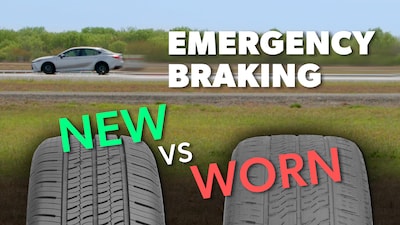
The tread is the part of the tire that touches the road. It helps your car grip the road and stop safely. When the tread wears down, tires lose traction.
Most tires have wear indicators built inside. These are small bars in the tread grooves. When the tread is level with these bars, it is time to replace the tire.
- Check tread depth with a tread depth gauge or coin
- Replace tires if tread is 2/32 inch or less
- Wear indicators show when tread is too low
Cracks And Bulges On Sidewalls
Sidewalls are the sides of your tires. Look for cracks or bulges on them. These signs mean the tire is weak and unsafe.
Cracks can happen from age or sun damage. Bulges may appear after hitting a pothole. Both can cause tire failure while driving.
- Inspect sidewalls regularly for damage
- Replace tires if you see cracks or bulges
- Do not drive on tires with sidewall damage
Frequent Air Pressure Loss
If your tires lose air pressure often, it may mean a problem. This can be a slow leak from a puncture or valve issue. It can also show tire damage.
Low tire pressure affects car handling and fuel use. Fix leaks quickly or replace the tire if needed to stay safe.
- Check tire pressure weekly
- Look for nails or sharp objects in tires
- Replace tires if leaks can’t be fixed
Vibration While Driving
Feeling vibrations while driving can mean tire problems. It may show uneven tire wear or internal damage. Tires with this issue can be dangerous.
Check tires for balance and damage if you feel shaking. Replace tires if vibration continues after repair.
- Notice unusual shaking or wobbling
- Have tires balanced and inspected
- Replace tires if vibration does not stop
Credit: www.tirerack.com
Tire Lifespan Expectations
Tires wear out over time and need replacing for safety. Knowing when to get new tires helps avoid accidents.
Several factors affect how long tires last. These include mileage, driving style, and weather conditions.
Average Mileage Limits
Most tires last between 25,000 and 50,000 miles. Some high-quality tires can go up to 70,000 miles.
Check your tire’s tread depth and wear patterns to judge if they need replacement.
- Standard tires: 25,000 to 50,000 miles
- Premium tires: up to 70,000 miles
- Performance tires: often less than 30,000 miles
Impact Of Driving Conditions
Driving on rough or unpaved roads wears tires faster. City driving with frequent stops also reduces tire life.
High speeds and sharp turns cause extra tire stress and quicker wear.
- Rough roads cause uneven tread wear
- Stop-and-go traffic increases tire wear
- Fast driving heats tires and damages them
Effect Of Weather And Climate
Hot weather can make tires age faster by drying out rubber. Cold weather can cause cracking and stiffness.
Use tires designed for your climate to improve lifespan. Check tires often for damage from weather changes.
- Heat causes rubber to soften and wear
- Cold can make tires brittle and crack
- Regular checks help find weather damage early
Tire Maintenance Tips
Proper tire care helps keep your car safe on the road. It also saves you money by making tires last longer.
Learn how to maintain your tires by rotating them, keeping the right air pressure, and checking alignment and balance.
Regular Tire Rotation
Tire rotation means moving tires from one position to another. This helps all tires wear evenly and last longer.
- Rotate tires every 5,000 to 8,000 miles
- Follow the pattern recommended by your vehicle’s manual
- Rotate tires sooner if you notice uneven wear
- Check tire condition during rotation
Proper Inflation Practices
Correct tire pressure improves fuel efficiency and prevents tire damage. Check pressure at least once a month.
| Check Time | Recommended Pressure |
| Cold Tires | Use pressure on tire sidewall |
| Hot Tires | Do not reduce pressure immediately |
| Before Long Trips | Inflate to recommended level |
Alignment And Balancing
Proper alignment and balance keep your car stable and tires wearing evenly. Misalignment causes uneven wear and steering issues.
Signs you need alignment or balancing:
- Car pulls to one side
- Steering wheel vibrates
- Uneven tire wear
- Noises when driving
When To Upgrade Tires
Your car’s tires wear out over time. Knowing when to upgrade tires keeps you safe.
Upgrading tires helps improve performance and adapt to different driving conditions.
Seasonal Tire Changes
Different seasons need different tires. Winter tires work better on ice and snow.
Summer tires provide better grip on dry and wet roads in warm weather.
- Switch to winter tires before cold weather starts
- Change back to summer tires when temperatures rise
- All-season tires work but may not perform best in extremes
Performance And Safety Upgrades
Upgrade tires to improve your car’s handling and braking. Better tires mean safer rides.
Choose tires with better tread, grip, or size for your driving needs.
- Replace tires if tread depth is below 2/32 inch
- Use performance tires for sporty driving or rough roads
- Upgrade to tires with better traction for rainy or slippery roads
Choosing The Right Replacement Tires
Getting new tires is important for your car’s safety and performance. Choosing the right tires helps your vehicle drive well in different conditions.
You need to think about your car type, driving habits, and tire quality before buying new tires.
Matching Tire Types To Vehicle
Different vehicles need different tire types. Make sure the tire fits your car’s size and purpose.
For example, trucks need tougher tires, while small cars use lighter tires for better fuel use.
- Passenger tires work well for cars and small SUVs
- Light truck tires fit trucks and large SUVs
- Performance tires are for fast driving and sharp handling
- All-season tires offer good use in many weather types
Considering Tire Ratings And Reviews
Tire ratings tell you how well a tire performs in areas like traction and wear. Check these ratings before buying.
Reading reviews helps you learn from other drivers’ experiences. Look for tires with good feedback on safety and durability.
- Traction rating shows tire grip on wet or dry roads
- Treadwear rating estimates tire life length
- Temperature rating indicates heat resistance
- Customer reviews give real-world performance details

Credit: www.reddit.com
Credit: www.motor1.com
Frequently Asked Questions
How Do I Know When To Replace Car Tires?
Check tire tread depth using a gauge or penny test. Replace tires if tread is below 2/32 inch or unevenly worn. Also, inspect for cracks, bulges, or damage. Regularly monitor tire age and performance to ensure safety and optimal driving conditions.
How Often Should Car Tires Be Replaced?
Typically, replace tires every 6 years regardless of wear. Some tires last up to 10 years, but factors like driving habits and climate affect lifespan. Always consult the manufacturer’s recommendations and inspect tires regularly for signs of aging or damage.
Can I Drive On Tires With Low Tread?
Driving on low tread tires is unsafe and illegal in many places. Low tread reduces traction, especially on wet or icy roads, increasing accident risk. Replace tires promptly once tread depth reaches 2/32 inch to maintain vehicle safety and performance.
What Are Signs Of Worn-out Tires?
Look for uneven tread wear, cracks, bulges, or vibration while driving. Tread depth below 2/32 inch is unsafe. Tires may also show sidewall damage or excessive noise. These signs indicate it’s time to replace your tires for safety.
Conclusion
Tires wear out with time and use. Check tread depth often. Worn tires reduce safety and increase accident risk. Cracks, bulges, or uneven wear signal a change is needed. Old tires harden and lose grip. Replace tires before problems start.
Regular tire checks keep your car safe. Don’t wait for trouble. Stay alert and act early. Your safety depends on good tires.