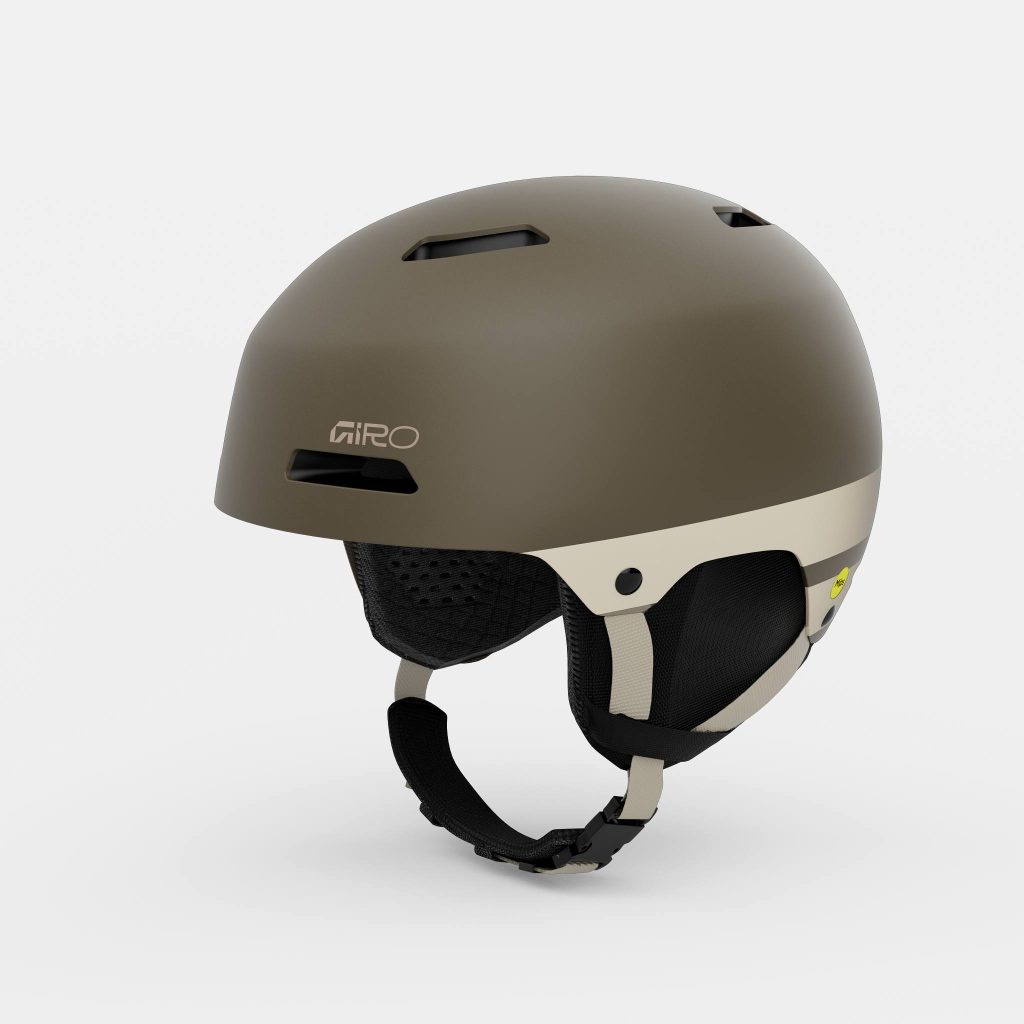
Are you wondering if your trusty bike helmet can double as protection on the slopes? It’s a smart question.
You want to keep your head safe, but buying new gear can feel like a hassle or an extra expense. Before you hit the snowy mountains, it’s important to know if that bike helmet will really keep you protected while skiing.
Keep reading, because what you learn here could make a big difference in your safety—and your peace of mind—next time you ski.
Credit: www.powder.com
Bike Helmets Vs Ski Helmets
Many people wonder if they can use a bike helmet for skiing. Both helmets protect your head, but they are made for different sports. Knowing the differences helps you stay safe on the slopes or the road.
Bike helmets and ski helmets look similar, but they have unique features. This guide explains their design, safety rules, and how they protect your head.
Design Differences
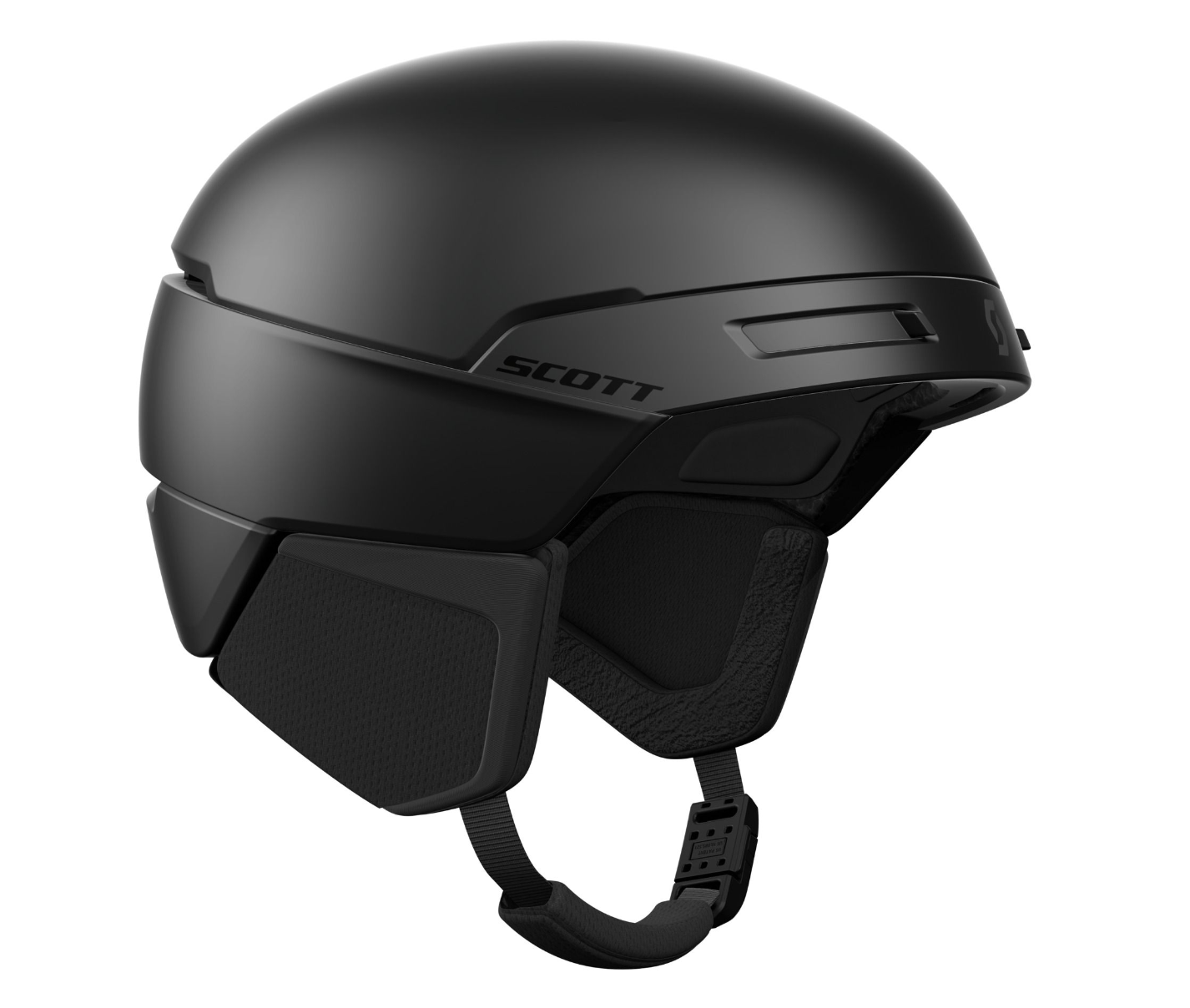
Bike helmets are made for warm weather. They have many vents to keep your head cool. Ski helmets have fewer vents to keep your head warm.
Ski helmets also cover more of your head and ears. This helps protect you from cold and falls on snow. Bike helmets focus on light weight and air flow.
- Bike helmets have lots of vents for cooling
- Ski helmets have fewer vents to keep warmth
- Ski helmets cover ears for cold and safety
- Bike helmets are lighter with open design
Safety Standards
Bike helmets meet safety rules made for cycling accidents. These rules focus on impacts common in biking. Ski helmets follow different standards for winter sports.
Ski helmet standards test cold weather use and impacts on snow. Using a bike helmet for skiing may not meet ski safety rules. This can increase risk in a ski crash.
- Bike helmets follow CPSC or EN 1078 safety standards
- Ski helmets meet ASTM F2040 or CE EN 1077 standards
- Ski standards test cold weather and snow impacts
- Bike helmets may not protect well in ski crashes
Impact Protection
Bike helmets protect against hard hits on roads. They use foam that crushes on impact to reduce force. Ski helmets have foam made for different types of hits.
Ski helmets protect more from falls on ice and snow. They also handle repeated impacts better. Bike helmets may not protect well from cold or repeated hits while skiing.
- Bike helmets use foam for single, hard impacts
- Ski helmets use foam for multiple impacts and cold
- Ski helmets protect better from ice and snow falls
- Bike helmets may lose protection in cold weather
Credit: www.skimag.com
Risks Of Using Bike Helmets For Skiing
Bike helmets are made for cycling, not skiing. Using them on the slopes can cause safety problems. Skiing has unique risks that bike helmets do not cover.
It is important to understand how bike helmets perform in cold weather. Also, check their ventilation and insulation. Finally, know the potential hazards of using them for skiing.
Cold Weather Performance
Bike helmets are not designed for freezing temperatures. Their materials may become stiff and less protective in cold weather. Ski helmets use special padding that keeps the head warm and safe.
Ventilation And Insulation
Bike helmets have many vents to cool the head during fast rides. This is not good for skiing because cold air can enter freely. Ski helmets balance ventilation with insulation to keep warmth inside.
- Bike helmets may cause cold air to chill your head.
- Ski helmets use fewer vents and thicker liners.
- Insulation in ski helmets prevents frostbite and discomfort.
- Bike helmets do not trap heat well on snowy slopes.
Potential Hazards
| Hazard | Bike Helmet | Ski Helmet |
|---|---|---|
| Impact Protection | Designed for cycling impacts | Built for harder, multi-directional impacts |
| Fit and Coverage | Less coverage around ears and back | More coverage to protect key areas |
| Snow and Ice Safety | Not tested for snow hazards | Meets safety standards for snow sports |
| Retention System | May loosen with winter gear | Designed to stay secure with ski equipment |
Benefits Of Ski Helmets
Ski helmets protect your head during skiing. They reduce injury risk in falls or crashes.
Using the right helmet can keep you safe and warm on the slopes. Not all helmets work the same.
Enhanced Protection Features
Ski helmets have special designs to protect against cold and impacts. They use hard outer shells and soft inner padding.
These helmets absorb shocks and reduce force on the head. They cover more areas like the back and sides.
Comfort In Winter Conditions
Ski helmets keep your head warm with insulated liners. They also allow airflow to prevent overheating.
Many have adjustable vents and soft ear pads to improve comfort. This helps you stay focused on skiing.
Certification Requirements
Ski helmets must meet safety standards for winter sports. These include tests for impact resistance and cold weather use.
- ASTM F2040 – Standard for ski helmets
- CE EN1077 – European safety standard
- Snell RS-98 – Certification for ski racing helmets
When Bike Helmets Might Be Acceptable
Using a bike helmet for skiing is a question many skiers ask. Skiing and biking have different risks and speeds.
Bike helmets can sometimes work for skiing, but only in certain cases. It depends on the skiing style and conditions.
Casual Skiing Scenarios
In casual skiing, speeds are usually low. Skiers stay on easy trails and avoid risky moves.
Bike helmets might be okay for casual skiing if the helmet fits well and is in good shape. They offer some protection from bumps.
- Skiing on flat or gentle slopes
- Short runs without jumps
- Slow speeds and controlled movements
Helmet Condition And Fit
A helmet must fit snugly and comfortably for good protection. A loose helmet can cause injury.
Bike helmets used for skiing should have no cracks or damage. Old helmets lose their safety features.
- Check for dents or cracks before use
- Make sure straps are secure and adjustable
- Replace helmets after any major impact
Legal And Resort Regulations
Some ski resorts have rules about helmet types. They may require helmets made for skiing or snowboarding.
Local laws can also affect what helmets you can wear. Always check these rules before skiing with a bike helmet.
- Follow resort helmet policies
- Check local ski safety laws
- Use approved helmets to avoid fines or bans
Tips For Choosing The Right Helmet
Choosing the right helmet is important for your safety on the slopes. A bike helmet may seem like a good option, but skiing needs special protection.
This guide helps you find the best helmet by checking certifications, fit, and extra safety features.
Checking Certifications
Look for helmets that meet skiing safety standards. These certifications mean the helmet passed tests for impact and cold weather.
- CE EN 1077: European standard for ski helmets
- ASTM F2040: US standard for snow sports helmets
- Snell RS-98: High safety standard for ski helmets
- CPSC: Standard for bike helmets, not ideal for skiing
Fit And Comfort
A helmet must fit snugly without pressure points. Comfort helps you wear it all day without pain or distraction.
| Fit Factor | What to Check |
| Size | Measure your head and match helmet size |
| Adjustable Straps | Make sure they tighten easily and stay in place |
| Pads | Soft pads inside for comfort and fit |
| Ventilation | Good airflow to avoid overheating |
Additional Safety Features
Some helmets have extra features to improve safety on the mountain.
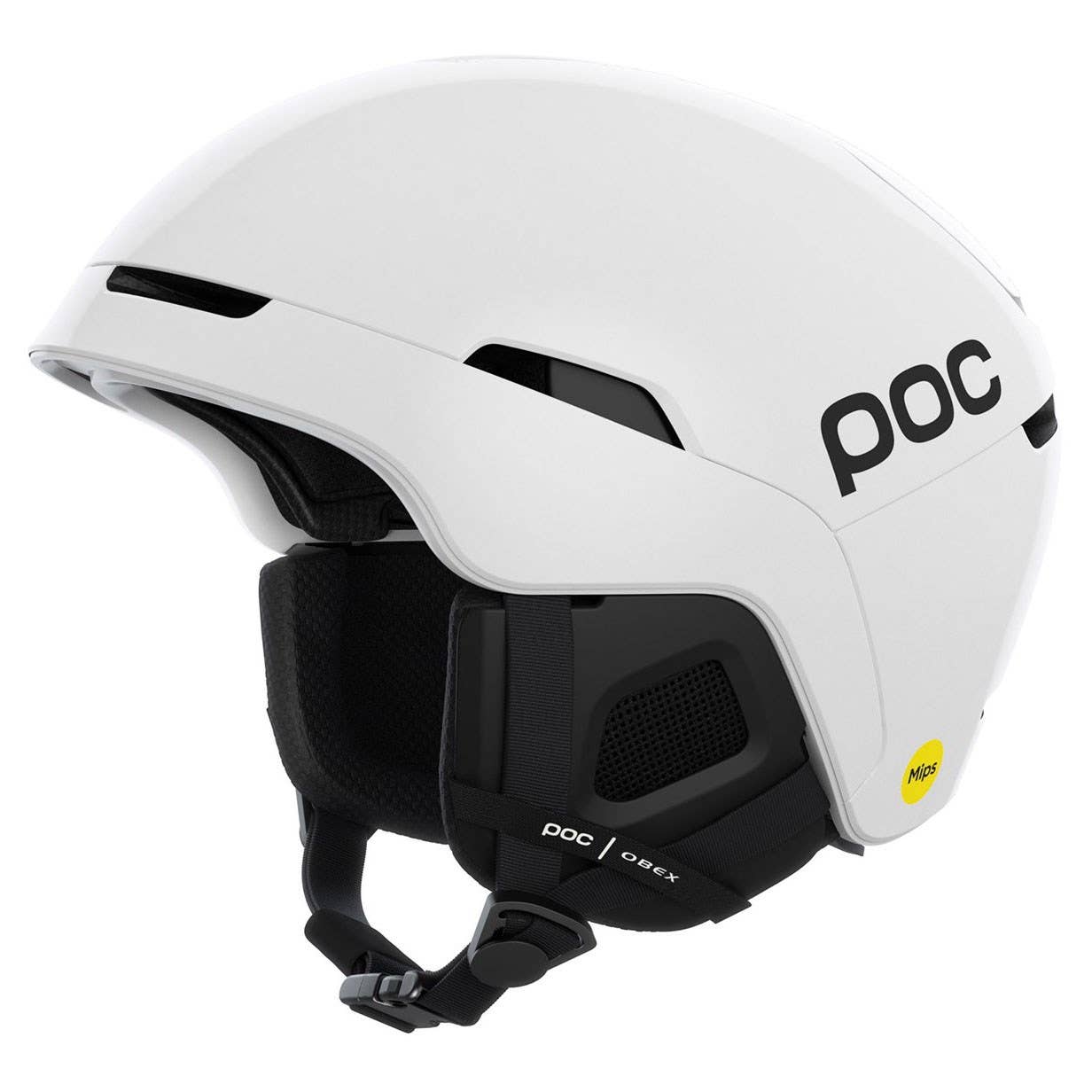
- Multi-directional Impact Protection System (MIPS) reduces rotational forces
- Reinforced shell for better impact resistance
- Goggle clip to keep your goggles secure
- Chin guard for added face protection
Credit: www.powder.com
Frequently Asked Questions
Can I Wear A Bike Helmet For Skiing?
No, bike helmets lack insulation and proper safety features for skiing. Ski helmets are designed to protect against cold, impacts, and snow conditions, making them safer and more comfortable for skiing.
Are Bike Helmets Safe For Winter Sports?
Bike helmets are not safe for winter sports. They do not provide adequate insulation or protection against cold weather and snow impacts like ski helmets do.
What Makes Ski Helmets Different From Bike Helmets?
Ski helmets have thicker padding, insulation, and weather-resistant materials. They also protect against different impact types and cold temperatures, unlike bike helmets.
Can Using A Bike Helmet While Skiing Cause Injury?
Yes, using a bike helmet for skiing may increase injury risk. They lack features to protect against winter-specific hazards and cold weather impacts.
Conclusion
A bike helmet is not made for skiing safety. Ski helmets protect better against cold and impacts. Wearing the right helmet lowers the risk of injury. Comfort and fit matter a lot on the slopes. Choose a helmet designed specifically for skiing.
Stay safe and enjoy your time on the snow. Your head deserves the best protection available. Don’t take chances with gear made for other sports.