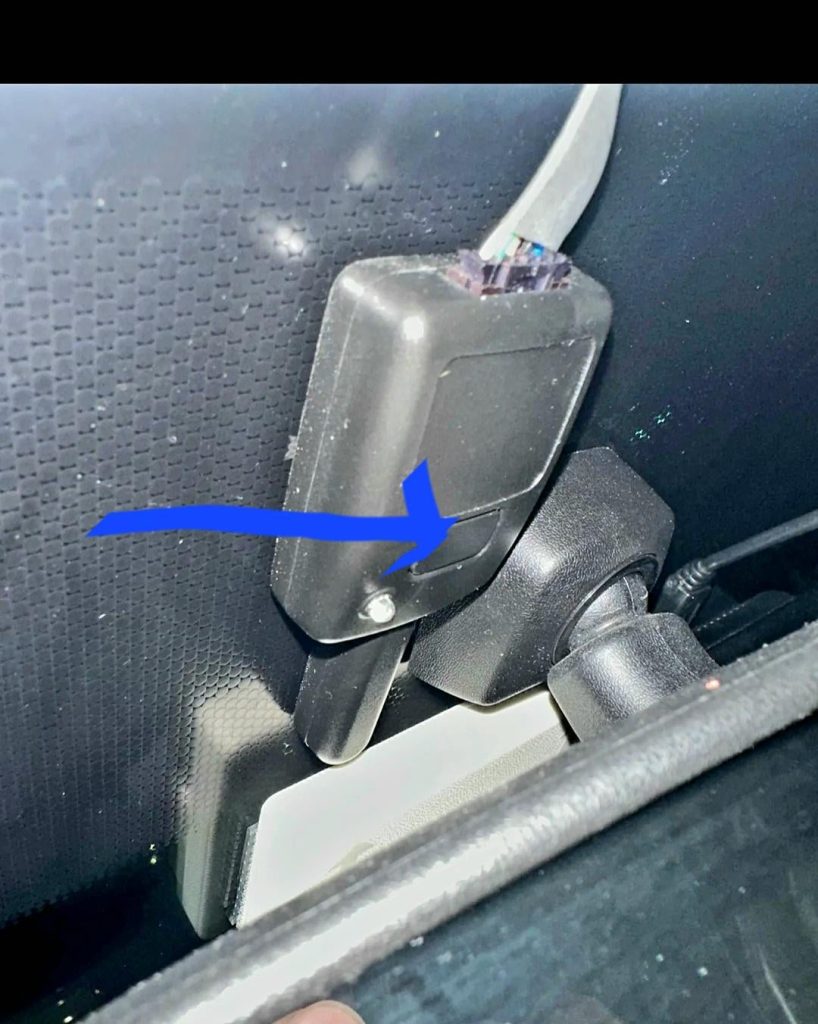
Is your car alarm going off at the most inconvenient times? You’re not alone, and it can be frustrating when that loud noise disrupts your peace.
But don’t worry—there are simple steps you can take to stop your car alarm from sounding unnecessarily. You’ll discover easy ways to fix the problem and regain control over your car’s security system. Keep reading, and you’ll learn exactly what to do to silence that annoying alarm once and for all.

Credit: www.whocanfixmycar.com
Common Reasons For False Alarms
Car alarms can go off without a real problem. This is called a false alarm. False alarms can be annoying and confusing.
Knowing why false alarms happen can help you stop them. Many causes are easy to fix or adjust.
Sensor Sensitivity Issues
Car alarms use sensors to detect movement or impact. If sensors are too sensitive, they can trigger false alarms.
Sensors may react to small vibrations like closing a door or a passing truck. Adjusting sensor sensitivity can reduce false alarms.
- Check sensor settings in your alarm system
- Lower sensitivity if alarms trigger too easily
- Test after adjusting to find the right balance
Battery Problems
Weak or low batteries can cause car alarms to act up. The alarm might turn on by itself or beep without reason.
Check your car battery and the alarm battery if it has one. Replace them if they are old or weak.
- Test car battery voltage regularly
- Replace alarm system battery as recommended
- Ensure battery connections are clean and tight
Faulty Wiring
Loose or damaged wires in the alarm system can cause false alarms. Wires might touch or short circuit.
Inspect wiring for wear, breaks, or corrosion. Fix any issues to stop the alarm from triggering by mistake.
- Look for exposed or frayed wires
- Check wire connections and tighten them
- Replace damaged wires promptly
Environmental Triggers
External factors like loud noises or strong winds can set off car alarms. Even animals or heavy rain may cause false alarms.
Parking in a calm, sheltered spot can help. Some alarms have settings to ignore certain triggers.
- Avoid parking near construction or busy roads
- Use alarm settings to reduce sensitivity to noise
- Cover your car if storms or animals are common

Credit: www.youtube.com
Immediate Steps To Silence The Alarm
A car alarm going off suddenly can be very loud and distracting. You want to stop the noise quickly to avoid bothering others. Knowing the right steps helps you act fast and safely.
This guide covers easy ways to silence your car alarm right away. Use the key fob, manually unlock the car, or disconnect the battery if needed.
Using The Key Fob
The key fob is the quickest way to stop your car alarm. Press the unlock button once or twice. This sends a signal to turn off the alarm.
- Stand near the car to ensure the signal reaches it.
- Press the unlock button firmly.
- If it does not stop, try pressing the lock button and then unlock again.
- Replace the key fob battery if it still does not work.
Manually Unlocking The Car
If the key fob does not work, use the physical key to unlock the door. This action may stop the alarm from ringing.
| Method | Effect on Alarm |
| Turn key in door lock | Stops alarm in most cars |
| Open driver’s door | May silence the alarm |
| Try passenger door key | Works if driver’s door fails |
Disconnecting The Battery
Disconnecting the car battery stops the alarm but should be a last resort. Use this only if other methods fail.
- Open the hood carefully.
- Locate the battery terminals.
- Use a wrench to loosen the negative (-) terminal first.
- Remove the cable and keep it away from the battery.
- This will cut power and silence the alarm.
Adjusting Alarm Sensitivity
Car alarms can be very sensitive and may go off too easily. Adjusting the alarm sensitivity helps to stop false alarms. This guide shows how to do it safely.
Focus on accessing the alarm settings, calibrating the sensors, and testing sensitivity levels for better control.
Accessing The Alarm Settings
First, locate your car alarm control unit. Usually, it is under the dashboard or near the steering column. You may need the car’s manual to find exact details.
Use the remote or key fob to enter the alarm system menu. Some alarms have a small reset button you can press to access settings.
Calibrating Sensors
Sensors detect movement or shocks around the car. Calibrating them helps reduce false triggers. You can adjust sensitivity to low, medium, or high.
- Set sensors to medium sensitivity for normal use.
- Lower sensitivity if alarms go off from light wind or small vibrations.
- Increase sensitivity in high-risk areas for better protection.
- Make small changes and test the alarm after each adjustment.
Testing Sensitivity Levels
After calibration, test the alarm to make sure it works well. Gently tap the car or move near it to check sensor reactions.
| Test Action | Expected Result |
| Light tap on car door | No alarm if sensitivity is low |
| Strong hit on bumper | Alarm should trigger |
| Movement near car | Alarm triggers at high sensitivity |
| No movement | No false alarms |
Preventing Future False Alarms
Car alarms can be loud and annoying when they go off without a real reason. False alarms happen often, but you can stop them. Taking some simple steps helps keep your car quiet and safe.
Preventing false alarms saves you and your neighbors from stress. It also protects your car battery from draining quickly. Let’s look at ways to avoid these problems in the future.
Regular Maintenance Checks
Check your car alarm system regularly. Dirt, wear, and loose wires can cause false alarms. Look for signs of damage or corrosion on all parts of the alarm.
Test the sensors to make sure they work correctly. Clean the sensors and connections to avoid mistakes. Keeping the system in good shape reduces false triggers.
- Inspect wiring for damage or loose ends
- Clean sensors from dust and dirt
- Test alarm triggers monthly
- Replace worn parts quickly
Upgrading Alarm Systems
Old alarm systems often cause false alarms. Upgrading to a newer model can help. New alarms have better sensors and smart features.
Choose an alarm that fits your car and needs. Look for systems with sensitivity adjustments. This way, you can set it to avoid false alarms but still protect your car.
- Select alarms with adjustable sensitivity
- Consider systems with motion and shock sensors
- Pick alarms with clear status indicators
- Check if installation fits your car model
Parking In Safe Locations
Where you park affects your car alarm. Parking in places with strong winds or near loud noises can cause false alarms. Choose calm and secure spots to reduce triggers.
Try to avoid parking near busy streets or construction sites. Safe locations help keep your car steady and your alarm quiet. This simple step protects your car and gives you peace of mind.
- Park in well-lit areas
- Avoid spots near heavy traffic or construction
- Choose level ground to reduce sensor triggers
- Use garages or secure parking lots when possible
When To Seek Professional Help
Car alarms can be annoying when they go off without a clear reason. Sometimes, fixing the problem is easy. Other times, the issue is complex and needs expert care.
Knowing when to call a professional can save you time and avoid more damage to your vehicle. This guide explains key points to consider before seeking help.
Diagnosing Complex Issues
Some car alarm problems are hard to find. Faulty wiring, sensor failures, or software glitches can cause alarms to trigger wrongly. If you cannot find the cause after basic checks, it is time to get help.
- False alarms that happen repeatedly without reason
- Alarm going off when doors and windows are closed
- Problems after a recent repair or modification
- Electrical issues like blown fuses or dead battery
Choosing A Reliable Technician
Not all repair shops have the right tools or knowledge about car alarms. A reliable technician will diagnose and fix your alarm correctly the first time. Look for certified experts with good reviews.
| What to Check | Why It Matters |
| Certification | Shows formal training |
| Experience | More likely to fix complex issues |
| Customer Reviews | Reflects service quality |
| Warranty | Offers repair guarantees |
Repair Vs. Replacement
Deciding to repair or replace your car alarm depends on the problem and cost. Some issues can be fixed quickly and cheaply. Others may need a new system to work well.
- Check repair costs against alarm replacement price
- Consider alarm age and condition
- Think about new features in modern alarms
- Ask the technician for advice based on diagnosis

Credit: www.whocanfixmycar.com
Frequently Asked Questions
How Can I Quickly Stop My Car Alarm From Sounding?
To stop your car alarm quickly, use the key fob to unlock the doors. Alternatively, turn the ignition on with the correct key. If these fail, check the alarm’s manual for reset instructions or disconnect the battery as a last resort.
Why Does My Car Alarm Keep Going Off Randomly?
Random car alarm triggers often happen due to faulty sensors, low battery, or loose wiring. Vibrations, extreme weather, or nearby loud noises can also cause false alarms. Regular maintenance and sensor adjustments can help reduce these random triggers effectively.
How Do I Disable A Car Alarm Temporarily?
To temporarily disable a car alarm, use the key fob to turn off the alarm system. If that doesn’t work, disconnect the alarm fuse or battery carefully. Consult the vehicle’s manual for specific instructions to avoid damage or security issues.
What Causes False Car Alarm Activations?
False activations are often caused by sensitive shock sensors, faulty wiring, or a weak battery. Environmental factors like strong winds or loud noises may also trigger false alarms. Adjusting sensor sensitivity and regular system checks help prevent these false alerts.
Conclusion
Stopping a car alarm from going off can save you stress and noise. Check your key fob batteries first—they often cause false alarms. Keep your car doors and windows fully closed and locked. Avoid placing heavy objects near sensors that trigger the alarm.
Regular maintenance helps spot problems early. Small steps make a big difference in peace of mind. Stay calm and follow these tips to keep your car quiet. Simple actions prevent most alarm troubles easily.