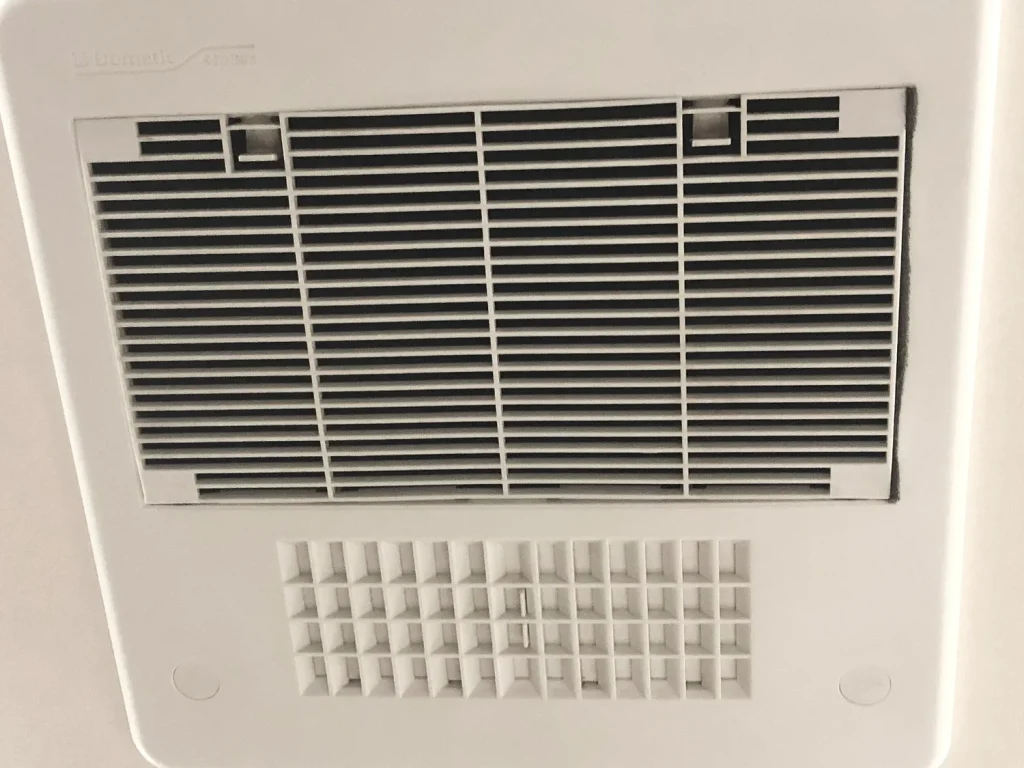
Is your RV air conditioner not keeping you cool like it used to? You’re not alone.
Many RV owners struggle with AC units that just can’t beat the heat. But what if you could make your air conditioner work better without spending a fortune? You’ll discover simple, effective ways to boost your RV air conditioner’s performance.
Imagine enjoying every trip with cool, refreshing air inside your RV, no matter how hot it gets outside. Keep reading to find out how you can make that happen easily and quickly.
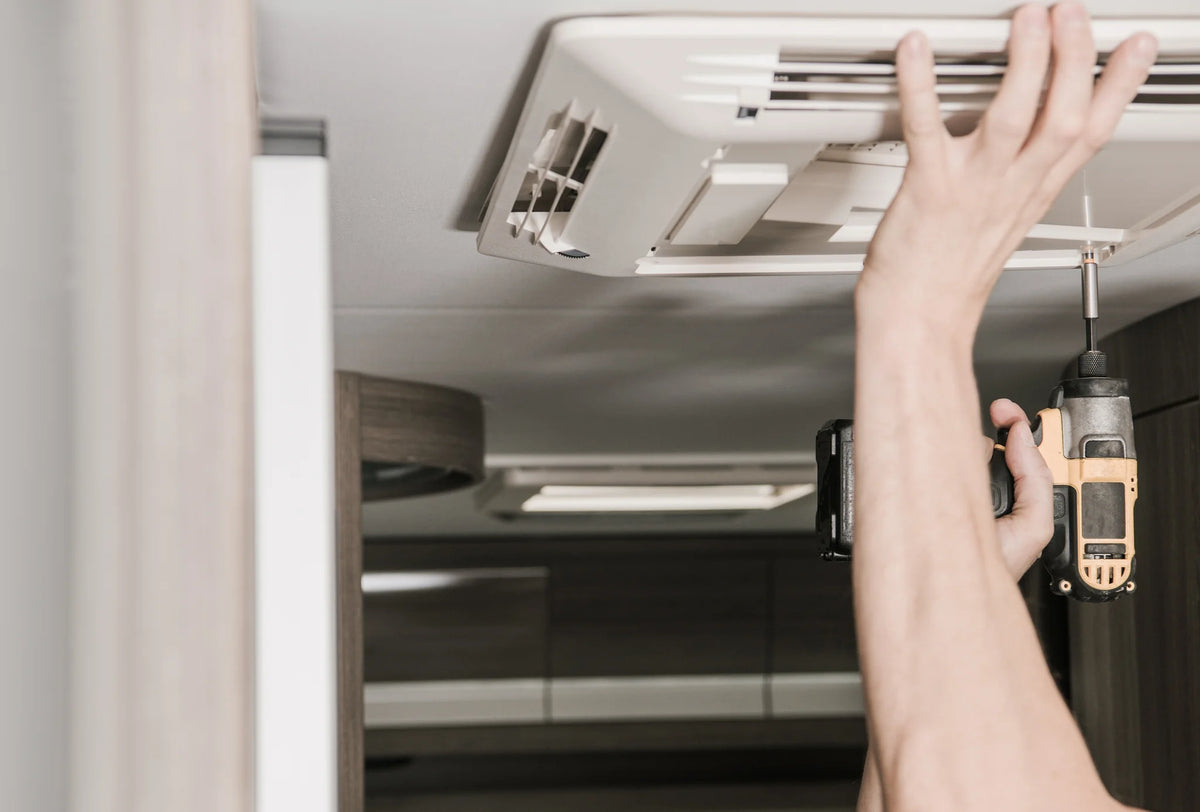
Credit: unitedrvparts.com
Assessing Your Rv Ac Unit
Checking your RV air conditioner helps keep it running well. A good AC keeps the inside cool and comfortable. You can fix small problems before they get worse.
Learn how to test your AC’s cooling, check airflow, and find common issues. This will save you time and money on repairs.
Checking Cooling Efficiency
Start by measuring how cold your AC makes the air. Use a thermometer to check the temperature near the vents. The air should be much cooler than outside.
Listen for unusual sounds. A loud or buzzing noise can mean a problem inside the unit. Also, check if the AC runs for a long time without cooling well.
Inspecting Airflow And Vents
Good airflow is key to your RV AC working right. Look at the vents and filters for dirt or blockages. Clean filters help air move freely.
- Check if the vents are open and not blocked by furniture.
- Clean or replace the air filter every few months.
- Make sure the fan is spinning smoothly without noise.
- Look inside the vents for dust or debris buildup.
Identifying Common Issues
| Issue | Cause | Solution |
| Weak cooling | Dirty filter or low refrigerant | Clean filter or call technician |
| Fan not working | Motor failure or electrical problem | Check wiring or replace motor |
| Water leaks | Clogged drain or broken seal | Clear drain or replace seal |
| Strange noises | Loose parts or debris | Tighten parts and clean inside |
Routine Maintenance Tips
Keeping your RV air conditioner in good shape helps it run better. Routine maintenance prevents problems and saves energy.
Simple tasks like cleaning filters and checking parts can improve cooling and extend the AC’s life.
Cleaning Or Replacing Filters
Filters catch dust and dirt to keep the air clean. Dirty filters reduce airflow and make the AC work harder.
Check filters every month during use. Clean them with water and let them dry before reinstalling. Replace filters if they are torn or too dirty.
- Remove the filter from the AC unit
- Rinse with cool water and mild soap if needed
- Let the filter dry completely
- Replace if damaged or very dirty
Clearing Debris From Coils
Coils help cool the air by releasing heat. Dirt and leaves on coils block airflow and reduce cooling.
Check the coils outside the RV regularly. Remove debris gently with a soft brush or compressed air. Clean coils improve efficiency and lower energy use.
- Turn off the power to the air conditioner
- Use a soft brush to remove dirt and leaves
- Blow out dust with compressed air if possible
- Do not bend or damage the coil fins
Lubricating Moving Parts
Moving parts like fans and motors need lubrication. This reduces friction and wear, helping the AC run smoothly.
Use the correct oil recommended by the manufacturer. Apply a small amount to the motor shaft and fan bearings. Avoid over-oiling, which can attract dust.
- Turn off and unplug the AC unit
- Locate the motor shaft and fan bearings
- Apply a few drops of light machine oil
- Wipe away excess oil with a cloth
Upgrading Components
Improving your RV air conditioner can make your trips more comfortable. Upgrading key parts helps the system work better and save energy.
This guide focuses on three ways to upgrade your RV air conditioner. These are installing a programmable thermostat, using energy-efficient units, and adding insulation.
Installing A Programmable Thermostat
A programmable thermostat lets you set the temperature automatically. It keeps your RV cool without wasting power.
You can schedule cooling times before you arrive. This way, the RV stays comfortable and saves energy when not needed.
- Set different temperatures for day and night
- Reduce cooling when RV is empty
- Save money on electricity
Upgrading To Energy-efficient Units
Old air conditioners use more power and cool less. Energy-efficient units use modern technology to cool better and use less electricity.
Look for units with a high Energy Efficiency Ratio (EER). These models help lower power bills and reduce strain on your RV’s electrical system.
- Choose units with Energy Star rating
- Smaller, powerful compressors save energy
- Use eco-friendly refrigerants
Adding Insulation For Better Cooling
Good insulation keeps cool air inside your RV. It stops heat from outside from entering the living space.
Adding insulation to walls, windows, and doors lowers the AC workload. This helps the unit cool faster and run less.
- Use foam panels or reflective films on windows
- Seal gaps around doors and vents
- Install insulated curtains or shades

Credit: www.youtube.com
Improving Air Circulation
Good air circulation helps your RV air conditioner work better. It cools your space faster and uses less energy.
Improving airflow in your RV keeps the air fresh and comfortable. Small changes can make a big difference.
Using Fans To Boost Airflow
Fans help move air around your RV. They push cool air from the AC to all parts of the space.
Place fans near vents or doorways to spread air. Ceiling fans or portable fans work well for this.
- Use a ceiling fan to circulate air evenly.
- Set a portable fan near the AC vent.
- Position fans to avoid blocking airflow.
Sealing Leaks And Gaps
Leaks let hot air enter and cool air escape. Sealing gaps keeps your RV cooler and saves energy.
Check around windows, doors, and vents. Use weather stripping or caulk to close any openings.
- Inspect seals on windows and doors.
- Apply weather stripping to gaps.
- Use caulk for small cracks and holes.
Optimizing Vent Placement
Good vent placement helps air flow freely. Arrange vents to move cool air where you need it most.
Keep vents clear of furniture or curtains. Adjust vent direction to spread air throughout the RV.
- Place vents in main living areas.
- Keep vents free from obstructions.
- Angle vents to direct airflow effectively.
Energy Saving Strategies
Keeping your RV cool uses a lot of energy. Saving power helps your battery last longer. Small changes can reduce energy use.
This guide shows simple ways to run your RV air conditioner more efficiently. Follow these tips to keep cool without wasting power.
Operating Ac During Cooler Hours
Run your air conditioner early in the morning or late at night. Outside temperatures are lower then. The AC works less hard to cool the RV.
- Set the AC timer to start before the heat rises.
- Turn off the AC during the hottest part of the day.
- Use fans to circulate air when the AC is off.
Utilizing Shade And Awnings
Shade lowers the temperature around your RV. Awnings block direct sunlight on windows and walls. This keeps the inside cooler.
| Shade Option | Benefit | Tips |
|---|---|---|
| Natural Trees | Provides cool shade and fresh air | Park near large trees but avoid falling branches |
| Awnings | Blocks sun on side of RV | Extend awnings during daytime |
| Sunshades | Covers windows to reduce heat gain | Use reflective materials for best effect |
Reducing Heat Sources Inside Rv
Heat inside the RV makes your AC work harder. Turn off or limit appliances that create heat. Use LED lights to reduce heat from bulbs.
- Cook outside to avoid stove heat
- Unplug electronics not in use
- Keep windows closed during hot hours
- Use light-colored curtains to reflect heat
Troubleshooting Common Problems
RV air conditioners can face issues that reduce their cooling power. Fixing small problems helps you stay cool on the road. This guide shows how to spot and solve common AC troubles.
Knowing what causes the problems lets you fix them fast. Check these tips before calling a technician. Most fixes are simple and safe to do yourself.
Handling Frozen Coils
Frozen coils stop your AC from cooling properly. Cold air freezes on the coils if airflow is low or refrigerant is low. Find the cause to fix the freeze.
- Turn off the AC and let the ice melt naturally.
- Clean or replace dirty air filters to improve airflow.
- Check for blocked vents or debris around the unit.
- Make sure the fan is running to move air.
- If the problem returns, have a pro check refrigerant levels.
Dealing With Strange Noises
Unusual sounds may mean loose parts or dirt inside the AC. Listen for rattles, squeaks, or banging. Fix noises to avoid bigger damage.
| Noise Type | Possible Cause | Fix |
| Rattling | Loose screws or panels | Tighten screws and panels |
| Squeaking | Dry fan motor or belt | Lubricate motor and check belt |
| Banging | Fan blade hitting housing | Inspect and realign fan blade |
Fixing Inconsistent Cooling
When the AC cools some areas but not others, check airflow and settings. Uneven cooling may come from blocked vents or dirty parts.
Try these fixes:
- Clear any furniture or curtains blocking vents.
- Clean the evaporator and condenser coils.
- Set the thermostat correctly and avoid frequent changes.
- Check if the fan speed is set too low.
- Inspect the ductwork for leaks or damage.
When To Call A Professional
Your RV air conditioner needs regular care to work well. Some problems are easy to fix.
Some issues are too hard or risky. You should call a professional in those cases.
Recognizing Complex Issues
Some signs show your AC has complex problems. These need expert help to fix safely.
Look for these warning signs:
- The AC does not cool at all
- Strange noises or smells come from the unit
- Water leaks inside the RV
- The system turns on and off repeatedly
- The fuse or breaker trips often
These problems may mean electrical or mechanical faults. Professionals have tools to diagnose them.
Finding Qualified Technicians
Choosing the right technician ensures your AC gets proper care. Look for experience with RV systems.
Check these before hiring a technician:
- Proper certification and licenses
- Good reviews from other RV owners
- Experience with your AC brand
- Clear pricing and warranty offers
- Quick response and availability
Qualified technicians help keep your RV cool and safe during travel.

Credit: furrion.com
Frequently Asked Questions
How Often Should I Clean My Rv Air Conditioner?
You should clean your RV air conditioner at least twice a year. Regular cleaning prevents dust buildup and improves efficiency. Focus on filters, coils, and vents. Clean parts extend the unit’s lifespan and ensure better cooling performance during trips.
What Is The Best Way To Maintain Rv Ac Filters?
Remove and clean your RV AC filters monthly during use. Use mild soap and water, then let them dry completely. Clean filters improve airflow and cooling efficiency. Replace filters if they appear damaged or excessively dirty to maintain optimal performance.
How Can I Improve Airflow In My Rv Air Conditioner?
Ensure vents and ducts are free from obstructions. Keep windows and doors closed while running the AC. Regularly clean or replace filters to maintain airflow. Proper airflow helps the unit cool your RV faster and more effectively.
Why Is My Rv Air Conditioner Not Cooling Properly?
Common issues include dirty filters, blocked vents, low refrigerant, or a faulty thermostat. Regular maintenance and professional inspections help identify and fix these problems. Timely repairs ensure your RV AC cools efficiently and reliably.
Conclusion
Improving your RV air conditioner can make trips more comfortable. Clean filters and coils regularly to keep air flowing well. Check seals to stop cool air from escaping. Use a shade or cover to reduce heat from the sun. Small fixes save energy and extend your AC’s life.
Stay cool even on hot days with these simple tips. Enjoy every journey with a fresh, cool RV cabin.