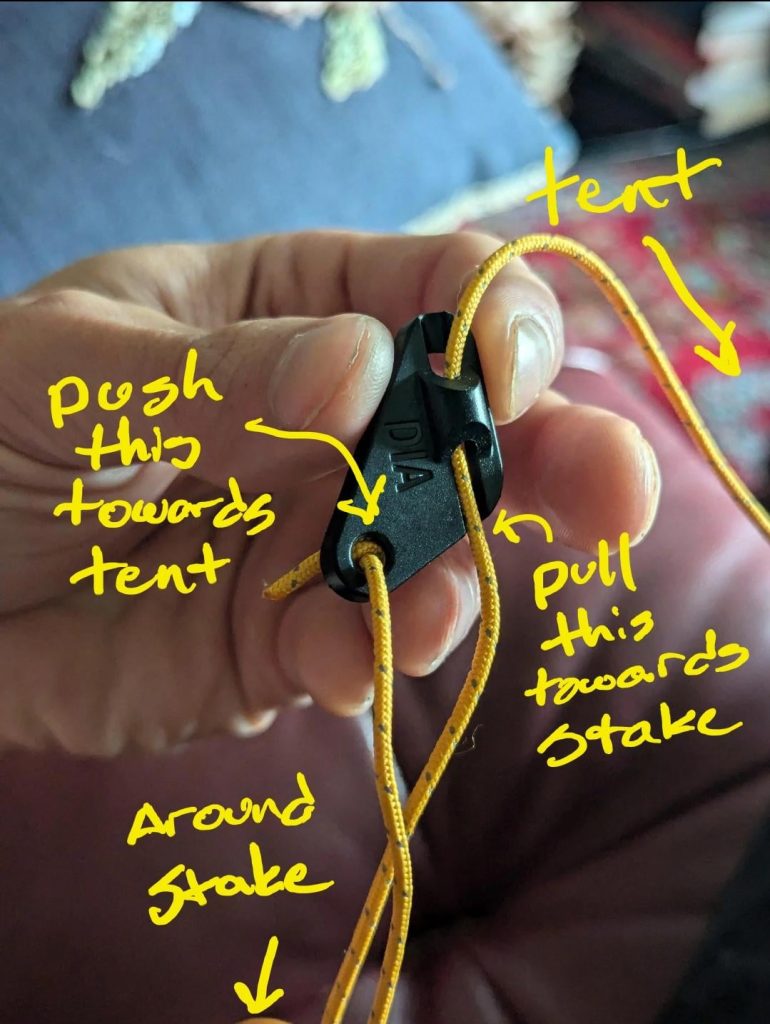
Tying a tent guy line might seem simple, but getting it right can make all the difference in keeping your tent steady and safe. If you’ve ever struggled with loose or tangled lines, you’re not alone.
Learning the proper way to tie a guy line will save you time, frustration, and protect you from unexpected weather. In this guide, you’ll discover easy steps to secure your tent like a pro—so you can relax and enjoy your outdoor adventure without worry.
Ready to master this essential camping skill? Let’s get started!

Credit: www.reddit.com
Choosing The Right Guy Line
Picking the correct guy line is important for a secure tent setup. The right line keeps your tent stable in wind and rain.
This guide explains key points to consider when choosing a guy line. Focus on material, length, and durability.
Material Types
Guy lines come in different materials. Each type has strengths and weaknesses for camping use.
- Nylon:Strong and stretchy, good for windy conditions.
- Polyester:Less stretch, holds knots well and resists UV rays.
- Dyneema:Very lightweight and strong, ideal for backpackers.
- Paracord:Versatile, but can be heavier and less stretchy.
Ideal Lengths
Choosing the right length for your guy line helps keep your tent steady and safe. Length depends on tent size and camping area.
| Type of Tent | Recommended Guy Line Length |
|---|---|
| Small Backpacking Tent | 6 to 10 feet (1.8 to 3 meters) |
| Medium Family Tent | 10 to 15 feet (3 to 4.5 meters) |
| Large Expedition Tent | 15 to 20 feet (4.5 to 6 meters) |
Durability Factors
Durability is key for long-lasting guy lines. Think about weather, abrasion, and strength.
Consider these durability factors:
- UV resistance:Prevents damage from sunlight.
- Abrasion resistance:Protects from rubbing on rocks or trees.
- Water resistance:Keeps lines dry and strong in rain.
- Tensile strength:The amount of force the line can handle before breaking.
Essential Tools And Equipment
Tying a tent guy line requires the right tools to keep your tent stable. Using proper equipment makes the process easier and safer.
This guide covers the main tools needed for rope tensioners, anchors, stakes, and other useful accessories.
Rope Tensioners
Rope tensioners help you adjust and maintain the tightness of your guy lines. They prevent the rope from slipping and keep your tent secure in wind or rain.
- Plastic or metal cord locks
- Adjustable cleats
- Line tighteners with cam mechanisms
- Simple knots like taut-line hitches
Anchors And Stakes
Anchors and stakes fix your tent to the ground. Choosing the right type depends on the soil and weather conditions.
| Type | Best For | Material |
| Metal Stakes | Firm soil | Steel or aluminum |
| Plastic Stakes | Soft soil or snow | Durable plastic |
| Sand Anchors | Beach or loose sand | Heavy plastic or metal |
| Rock Anchors | Rocky ground | Strong metal |
Additional Accessories
Extra tools can improve your setup and make tying guy lines faster and safer. These accessories support the main equipment.
- Hammer or mallet for driving stakes
- Extra rope or cord for replacements
- Gloves to protect your hands
- Carabiners for quick attachments
- Measuring tape to set correct distances
Popular Knots For Guy Lines
Tying a tent guy line correctly keeps your tent stable. Using the right knot helps you adjust tension easily.
This guide covers three popular knots for guy lines. Each knot has its own benefits and uses.
Taut-line Hitch
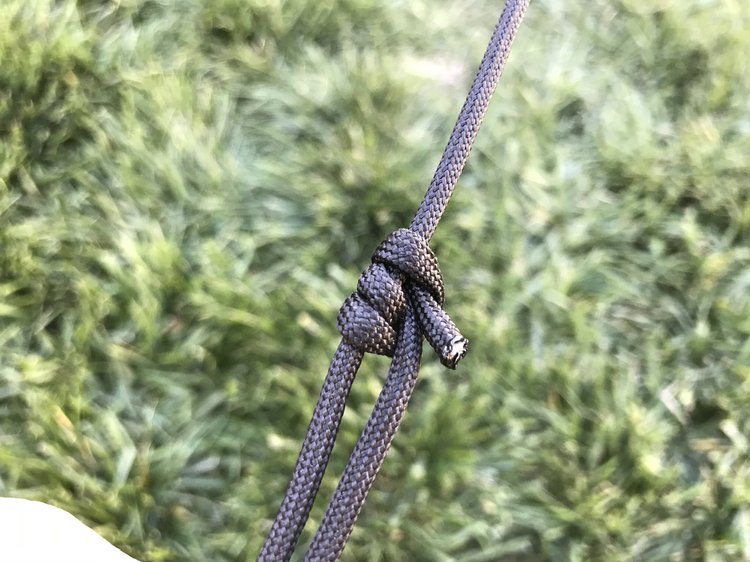
The taut-line hitch is an adjustable knot. It lets you tighten or loosen the guy line without untying.
This knot works well on slippery or synthetic ropes. It grips the rope firmly when tension is applied.
- Wrap the rope around a stake or anchor.
- Make two loops around the standing part.
- Slide the knot to adjust tension.
Trucker’s Hitch
The trucker’s hitch creates strong tension. It uses a pulley effect to pull the guy line tight.
This knot is great for securing tents in windy weather. It gives you strong control over the rope.
- Create a loop in the middle of the rope.
- Pass the rope end through the anchor point.
- Thread the end through the loop.
- Pull tight and secure with a half hitch.
Bowline Knot
The bowline knot makes a fixed loop at the rope’s end. It is easy to tie and untie.
This knot is reliable for attaching guy lines to fixed points. It will not slip under load.
- Make a small loop near the rope’s end.
- Pass the end through the loop from the bottom.
- Wrap the end around the standing part.
- Pass it back through the loop and tighten.

Credit: www.youtube.com
Step-by-step Knot Tying Guide
Tying a tent guy line is key to keeping your tent stable. This guide shows you how to tie a strong knot easily.
Follow the steps to prepare the line, form the knot, and secure it correctly. This helps your tent stay safe in wind.
Preparing The Line
Start with a good length of guy line, about 6 to 10 feet long. Make sure the rope is clean and not frayed.
Hold one end of the line near the tent stake or loop. Keep the rope straight and ready for tying.
Forming The Knot
Make a loop with the rope by bending it back toward itself. Pass the free end through this loop to create a simple knot.
Pull the free end around the main line once more, then tuck it under the loop. This forms a secure hitch knot.
- Form a loop in the line
- Pass free end through the loop
- Wrap free end around main line
- Tuck free end under the loop
Securing And Adjusting
Pull the knot tight against the tent stake or anchor point. Make sure it holds firmly without slipping.
Adjust the tension by sliding the knot closer or farther from the tent. Check that the line is taut but not too tight.
- Pull knot tight to secure
- Slide knot to adjust tension
- Keep line taut without damage
- Recheck knot after wind or movement
Tips For Maintaining Tension
Keeping the tent guy line tight is important for a sturdy setup. Proper tension helps the tent stand against wind and rain.
Use these tips to keep your guy lines tight and secure during your camping trip.
Adjusting In Windy Conditions
Wind can loosen your guy lines quickly. Check and tighten them often when it is windy.
Move around the tent to adjust all lines evenly. This keeps the tent stable and prevents damage.
- Walk around the tent to check each guy line
- Tighten loose lines by pulling the cord firmly
- Use tensioners or knots to keep lines secure
- Recheck after strong gusts of wind
Preventing Slippage
Guy lines can slip if knots are not tight or tensioners fail. Use knots that hold well on slippery ropes.
Secure the line around stakes and tensioners to stop slippage. This keeps the tension steady.
- Use knots like the taut-line hitch for grip
- Wrap the line around stakes firmly
- Check tensioners for wear and proper function
- Replace worn ropes to avoid slipping
Regular Checks
Regularly inspect your guy lines to keep them tight. Weather and use can loosen the lines over time.
Check the knots, tensioners, and stakes to ensure all parts hold firm. Adjust as needed.
- Look for loose knots or slack lines
- Test tension by pulling the line gently
- Inspect stakes to make sure they are secure
- Retighten or reset lines if needed
Common Mistakes To Avoid
Tying a tent guy line may seem simple but many make errors. These mistakes can cause your tent to be unstable or damaged.
Knowing what to avoid helps keep your tent secure and safe during camping.
Incorrect Knot Tying
One of the biggest errors is tying knots that slip or come undone. Some knots do not hold tension well or are hard to untie after use.
- Tying loose knots that can slip under tension
- Using knots that are not meant for guy lines
- Failing to tighten the knot properly
- Not securing the loose ends to prevent unraveling
Using Inappropriate Materials
Choosing the wrong rope or line can cause problems. Some materials stretch too much or break easily in bad weather.
| Material | Pros | Cons |
| Nylon | Strong and durable | Stretches when wet |
| Polyester | Low stretch, good strength | Can be stiff |
| Polypropylene | Cheap and floats on water | Less durable, degrades in sun |
Ignoring Environmental Factors
Not paying attention to wind, rain, and ground conditions can harm your setup. The guy lines may loosen or the stakes may pull out.
- Placing stakes in loose or soft soil
- Not adjusting guy lines for changing wind directions
- Using short guy lines in strong winds
- Failing to check tension after rain or wind
Credit: www.scouterlife.com
Frequently Asked Questions
How Do You Tie A Tent Guy Line Securely?
To tie a tent guy line securely, use a taut-line hitch knot. It allows easy adjustment and strong holding. Wrap the rope around the stake, loop it around the standing part twice, then tuck the end inside the loops and tighten.
What Is The Best Knot For Tent Guy Lines?
The taut-line hitch is the best knot for tent guy lines. It is adjustable and holds tension well. This knot lets you tighten or loosen the guy line easily without untying, ensuring your tent stays stable in changing conditions.
How Tight Should Tent Guy Lines Be?
Tent guy lines should be tight enough to stabilize the tent but not overly strained. Aim for firm tension that keeps the tent upright and taut. Adjust lines to avoid sagging or snapping, ensuring optimal tent support and wind resistance.
Why Are Tent Guy Lines Important?
Tent guy lines provide extra stability and prevent your tent from collapsing. They distribute wind pressure evenly and secure the tent in place. Properly tied guy lines help maintain tent shape and durability during adverse weather conditions.
Conclusion
Tying a tent guy line well keeps your tent stable and safe. Use simple knots that hold tight and won’t slip. Check the lines often, especially when wind picks up. Practice tying the knots before your trip for confidence. Strong guy lines help your tent stand firm in bad weather.
Keep your campsite neat by securing all lines properly. With these tips, your tent will stay steady all night. Easy steps, good knots, and regular checks make camping better.