Are you ready to boost your saltwater fishing success? Choosing the right lure can make all the difference between a quiet day and a thrilling catch.
But with so many options out there, how do you know which one will work best for your next trip? You’ll discover the top lures that attract saltwater fish every time. By the end, you’ll feel confident and prepared to pick the perfect lure that matches your target species and fishing conditions.
Keep reading, and turn your next fishing adventure into a memorable victory!
Credit: www.ebay.com
Best Soft Plastic Lures
Soft plastic lures work well for saltwater fishing. They look real and move naturally in water.
Using the right soft lure can attract more fish. Choose lures based on the fish you want to catch.
Paddle Tail Swimbaits
Paddle tail swimbaits have a flat tail that moves like a swimming baitfish. This motion draws fish close.
They come in many sizes and colors. Use them to catch species like striped bass and redfish.
- Soft and flexible body
- Tail creates a natural swimming action
- Good for casting or slow trolling
Grubs And Curly Tails
Grubs have a simple body with a curly tail that spins in water. This action attracts fish from far away.
These lures work well near rocks and docks. They are perfect for catching snapper and sea trout.
- Easy to rig on jigs or hooks
- Curly tail wiggles with water movement
- Effective in slow or fast retrieves
Shrimp Imitations
Shrimp imitation lures look like real shrimp. Many saltwater fish feed on shrimp, so these lures work well.
They often have small legs and antennae for extra realism. Use them in shallow waters and flats.
- Soft body with detailed features
- Mimics shrimp movement in water
- Great for redfish and flounder
Top Hard Baits For Saltwater
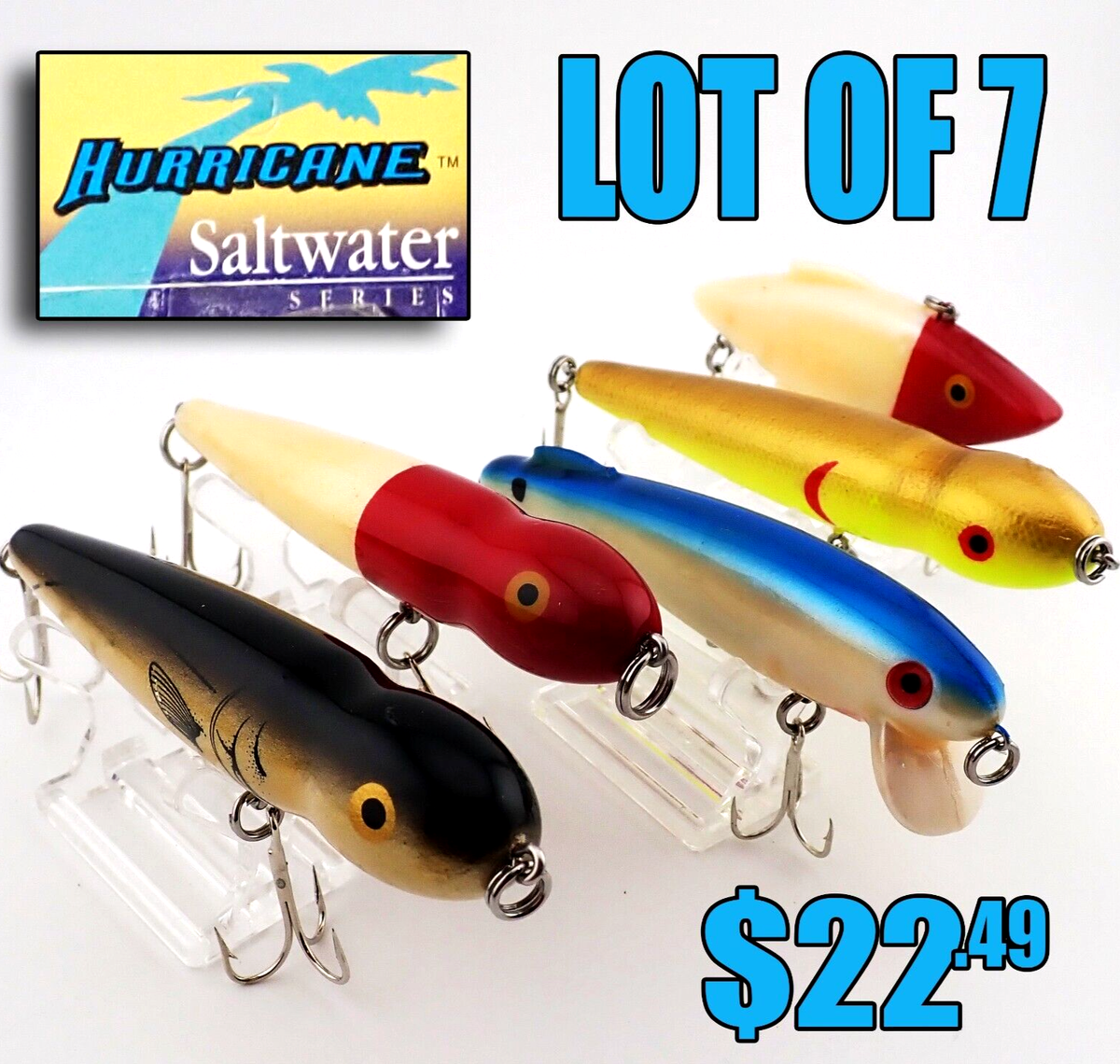
Choosing the right hard bait can improve your saltwater fishing success. Hard baits mimic real fish and attract saltwater predators.
Different types of hard baits work best for certain fish and conditions. Learn about crankbaits, jerkbaits, and topwater plugs.
Crankbaits
Crankbaits dive underwater and create a wobbling action. They work well to reach fish hiding near the bottom or structures.
- Use medium to deep diving crankbaits for reefs and wrecks.
- Bright colors attract fish in murky water.
- Slow, steady retrieves imitate injured baitfish.
- Try rattling crankbaits to add noise and draw attention.
Jerkbaits
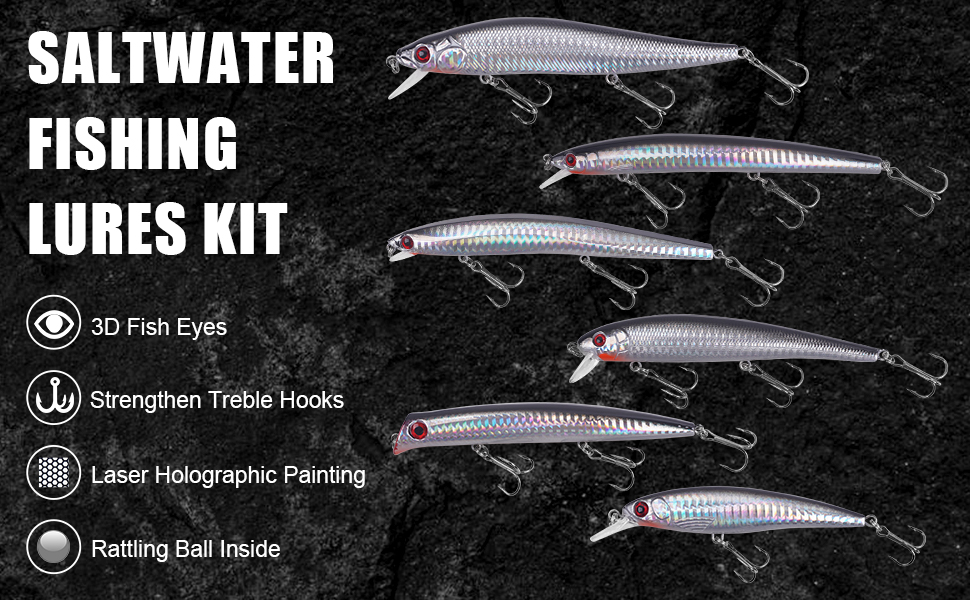
Jerkbaits have a slender shape and suspend or slowly float in water. They imitate wounded or fleeing baitfish.
| Type | Action | Best Use |
| Suspending | Stops mid-water | Clear water, slow fish |
| Floating | Floats up after pause | Shallow water, active fish |
| Sinking | Dives down slowly | Deeper water, aggressive fish |
Topwater Plugs
Topwater plugs float on the surface and create splashes. They trigger exciting strikes from fish feeding near the top.
- Walk-the-dog style plugs move side to side.
- Poppers create popping sounds and water spray.
- Use early morning or late evening for best results.
- Bright colors help fish see lures in low light.
Effective Metal Lures
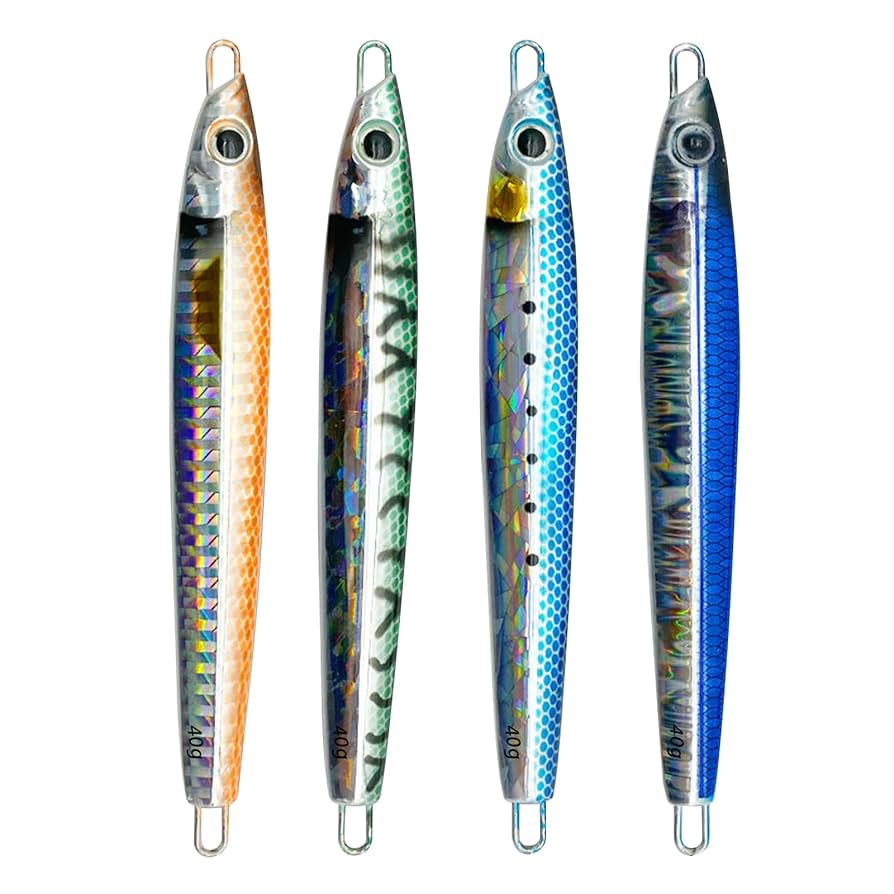
Metal lures are strong choices for saltwater fishing. They attract many types of fish with their shine and movement. Using the right metal lure can improve your catch rate.
These lures come in different shapes and sizes. Each type works best in specific fishing conditions and target species. Learn about jigs, spoons, and casting spoons below.
Jigs
Jigs are metal lures with a weighted head and a hook. They sink fast and are good for deep water fishing. Fish are drawn to their quick, darting action.
Use jigs by dropping them straight down and then lifting with short pulls. This mimics injured prey. Jigs work well for species like snapper and grouper.
Spoons
Spoons are curved metal lures that flash in the water. They wobble side to side when retrieved. This movement looks like a small fish or bait.
- Good for fast or slow retrieves
- Effective in clear water
- Attracts species like mackerel and bluefish
Casting Spoons
Casting spoons are heavier spoons designed for long casts. They reach distant fish spots quickly. These lures are strong against wind and waves.
| Feature | Benefit |
|---|---|
| Weight | Allows long-distance casting |
| Shape | Creates flashing and wobbling action |
| Durability | Withstands saltwater corrosion |
| Hook Type | Strong hooks hold large fish |
Natural Bait And Live Lures
Saltwater fishing often works best with natural bait and live lures. Fish are attracted to the scent and movement of real creatures. Using live or fresh bait increases your chances of catching fish.
In this guide, you will learn about some effective natural baits: live shrimp, cut bait, and crabs and worms. Each has its own benefits and uses for saltwater fishing.
Live Shrimp
Live shrimp are a popular choice for many saltwater fish. They move naturally, which attracts fish easily. They work well for species like redfish, trout, and snook.
Keep live shrimp in a cool, aerated container to keep them healthy. Hook them through the tail or head for best results. Fish usually find them irresistible.
Cut Bait
Cut bait means pieces of fresh fish or squid. It gives off a strong smell that draws big saltwater fish. This type of bait works well for catfish, sharks, and snapper.
- Use fresh fish like mullet, menhaden, or herring.
- Cut the bait into chunks or strips.
- Hook the pieces securely to prevent losing them.
- Use cut bait on the bottom or on a drift rig.
Crabs And Worms
Crabs and worms are natural baits that many saltwater fish love. Crabs attract species like sheepshead and black drum. Worms are good for flounder and some smaller fish.
| Bait | Best For | How to Use |
| Crabs | Sheepshead, Black Drum | Hook near the legs or shell |
| Worms | Flounder, Small Fish | Hook through the body |
Choosing Lures By Target Species
Choosing the right lure is key to catching saltwater fish. Different species prefer different types of lures.
Knowing what lures to use helps you catch more fish and enjoy your time on the water.
Lures For Redfish
Redfish often hunt near the bottom in shallow waters. They respond well to lures that mimic small shrimp or baitfish.
- Soft plastic shrimp lures
- Spoons with a slow flutter
- Topwater plugs during low light
- Gold or copper spoons to match water color
Lures For Snook
Snook prefer lures that imitate small fish. They often stay near mangroves and docks.
| Lure Type | Best Use |
| Jigs | Near mangrove roots |
| Topwater plugs | Early morning and late evening |
| Soft plastic swimbaits | Clear water conditions |
Lures For Mackerel
Mackerel are fast swimmers that chase shiny lures. Bright colors and quick movements work best.
- Metal spoons with flashy finishes
- Silver or blue casting plugs
- Fast retrieve jigs
- Small feathers or skirts for added flash
Credit: www.amazon.com
Tips For Matching Lures To Water Conditions
Choosing the right lure for saltwater fishing depends on the water conditions. Different conditions change how fish see and react to lures.
Use these tips to pick lures that work best for your fishing spot and time.
Clear Vs Murky Water
In clear water, fish can see lures from far away. Use natural colors and smaller lures to look real. Bright or flashy lures can scare fish.
In murky water, fish rely on smell and vibration. Use bright colors like chartreuse or orange. Bigger lures that make noise or move a lot work better.
- Clear water: natural colors, small size, subtle action
- Murky water: bright colors, larger size, loud or vibrating lures
Tide And Current Effects
Tides and currents change how fish feed and move. Strong currents need lures that swim well and stay near the bottom.
| Tide/Current | Best Lure Type | Reason |
| Strong current | Heavy jigs, spoons | Hold position and reach fish |
| Weak current | Light plugs, soft plastics | Natural drift and action |
| Incoming tide | Topwater lures | Fish feed near surface |
| Outgoing tide | Bottom bouncers | Fish move deeper |
Time Of Day Considerations
Fish see and hunt differently in low light and bright sun. Pick lures that match the light level and fish activity.
- Early morning and late evening: use dark or silhouette lures for contrast
- Midday: try shiny or reflective lures to catch sunlight
- Night: use lures with glow or rattles to attract attention
Lure Presentation Techniques
Using the right lure is only part of saltwater fishing. How you present the lure matters a lot. Different fish react to different movements and speeds. Changing your techniques can improve your catch rate.
This guide covers key methods to present your lure effectively. Learn how to vary your retrieve speed, use pausing and jerking, and control lure depth for better results.
Retrieve Speed Variations
Changing the speed of your lure retrieve can trigger fish to bite. Some fish prefer a slow, steady movement while others chase fast action. Try different speeds to see what works best.
- Slow retrieve shows a natural bait movement
- Fast retrieve excites aggressive fish
- Alternate between slow and fast to attract attention
- Use a medium speed for a balanced approach
Pausing And Jerking
Pausing your lure during the retrieve makes it look like a wounded fish. Jerking the rod tip adds sudden, erratic movement. Both can entice fish to strike.
| Technique | Effect |
| Pause | Mimics a resting or injured fish |
| Jerking | Creates quick, erratic lure action |
| Pause and jerk | Simulates struggle, attracting predator attention |
Depth Control
Keeping your lure at the right depth is key. Different fish feed at different water levels. Control depth by adjusting your line and lure type.
Here are ways to control lure depth:
- Use sinking lures to reach deeper fish
- Let the lure sink before retrieving
- Use floating lures for surface feeding fish
- Change your retrieval speed to affect depth

Credit: www.amazon.com
Frequently Asked Questions
What Are The Best Lures For Saltwater Fishing?
The best saltwater lures mimic local baitfish and crustaceans. Soft plastics, jigs, spoons, and topwater plugs work well. Choose lures based on target species and water conditions for optimal results.
How Do I Choose Lures For Saltwater Fish Species?
Select lures that resemble prey species in the fishing area. Consider size, color, and action. Research target fish habits and adjust lure type accordingly for increased catch rates.
When Is The Best Time To Use Saltwater Fishing Lures?
Use lures during feeding times, usually early morning or late afternoon. Tide changes and moon phases also affect fish activity. Adjust lure retrieval speed to match fish behavior for success.
Can Artificial Lures Replace Live Bait In Saltwater Fishing?
Yes, artificial lures can be effective and convenient. They offer versatility and durability. Proper lure selection and presentation can often match or surpass live bait results.
Conclusion
Choosing the right lure can make saltwater fishing more fun and successful. Soft plastics, spoons, and jigs work well for many fish. Bright colors often attract attention in clear water. Match the lure to the fish you want to catch.
Try different types until you find what works best. Remember, patience and practice help you improve. Enjoy the time spent near the water. Happy fishing!