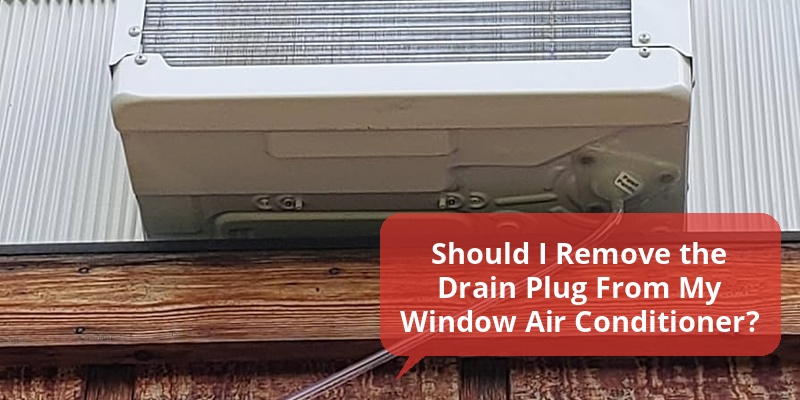
Have you ever wondered if your air conditioner uses water to keep your room cool? It’s a question many people ask but don’t always get a clear answer to.
Understanding how your AC works can help you take better care of it and even save money on your energy bills. You’ll discover the truth about water and air conditioners, and why it matters for your comfort and home. Keep reading—you might be surprised by what you learn!

Credit: www.evapolar.com
How Air Conditioners Work
Air conditioners cool indoor air by moving heat outside. They use a cycle that absorbs heat and releases it outdoors. This process keeps your room cool and comfortable.
Understanding how air conditioners work helps explain if they use water. The system mainly relies on refrigerants and a cooling cycle to lower temperature.
Basic Cooling Process
The cooling process in an air conditioner has four main parts. Each part plays a role in moving heat and cooling the air inside your home.
- Evaporator Coil:Inside the house, warm air passes over cold coils. The refrigerant inside absorbs heat and cools the air.
- Compressor:The refrigerant is compressed, raising its pressure and temperature. This prepares it to release heat outside.
- Condenser Coil:Located outside, the refrigerant releases the heat it absorbed. Fans help blow the heat away.
- Expansion Valve:The refrigerant passes through this valve to lower its pressure and temperature, ready to absorb heat again.
Role Of Refrigerants
Refrigerants are special fluids that absorb and release heat. They change from liquid to gas and back during the cooling cycle.
| Stage | Refrigerant State | Function |
| Evaporation | Liquid to Gas | Absorbs heat from indoor air |
| Compression | Gas | Raises temperature and pressure |
| Condensation | Gas to Liquid | Releases heat outdoors |
| Expansion | Liquid | Lowers pressure and temperature |
Credit: www.news18.com
Water In Air Conditioning Systems
Air conditioners cool indoor spaces by removing heat from the air. They do not use water to cool the air directly. Instead, they rely on refrigerants and mechanical parts.
Some air conditioning systems involve water in other ways. Understanding how water is involved helps you know how these systems work.
Evaporative Coolers Vs. Traditional Ac
Evaporative coolers use water to cool the air. They pull warm air through wet pads. The water evaporates, cooling the air before it enters the room.
Traditional air conditioners do not use water for cooling. They use a refrigerant to absorb heat and release it outside. This process does not need water.
- Evaporative coolers need water to function.
- Traditional AC units use refrigerants, not water.
- Evaporative coolers work best in dry climates.
- Traditional AC works well in any climate.
Condensation And Water Collection
Traditional air conditioners remove moisture from the air. This creates water called condensation. The water drips into a drain pan and leaves the system through a drain line.
Condensation is a normal part of cooling. It helps reduce humidity inside a room. The water collected does not help cool the air directly.
- Condensation forms when warm air cools.
- Water collects in a pan inside the AC unit.
- The water drains outside or into a pipe.
- Regular cleaning prevents mold and clogs.
Do Standard Ac Units Use Water?
Many people wonder if air conditioners use water to cool air. Standard air conditioners work by removing heat from inside your home. They use a coolant, not water, to do this.
Understanding how air conditioners work helps clear up confusion about water use. Let’s explore common myths and the real water usage in cooling.
Water Consumption Myths
Some believe standard AC units need water to function. This idea comes from seeing water drip under AC units. That water is actually condensation, not water used for cooling.
Another myth is that air conditioners use water like evaporative coolers do. Standard ACs do not spray or evaporate water to cool the air. They rely on a closed system with refrigerant.
- Water dripping is from moisture in the air, not water use
- Standard ACs do not need water to cool the air
- Evaporative coolers use water, but they are different devices
Actual Water Usage In Cooling
Standard air conditioners use refrigerants to absorb heat. They do not add or consume water during this process. The water you see is moisture removed from the air.
Some large cooling systems use water for heat exchange, but home AC units do not. The small amount of water from condensation is usually drained away.
- Home AC units use refrigerant, not water, to cool air
- Water seen is condensation from humid air inside the home
- Large cooling towers may use water, but this is not typical for homes

Credit: northnjhvac.com
Types Of Air Conditioners And Water Usage
Air conditioners cool indoor spaces by removing heat. Some types use water in their process, while others do not.
Understanding how different air conditioners use water can help you choose the right one for your needs.
Window And Split Ac Units
Window and split AC units use refrigerants to cool air. They do not use water to cool the air directly.
These units remove moisture from the air as they cool. The water collects and drains out as condensation.
- They do not consume water during operation.
- Condensation water is a byproduct, not a water source.
- No need to refill water tanks or reservoirs.
Central Ac Systems
Central AC systems also use refrigerants to cool air inside buildings. They do not use water directly for cooling.
These systems may have a drain line to remove condensation water, similar to window units.
- No water is added or used in the cooling process.
- Condensation water is drained away.
- Water use depends on building humidity, not the AC itself.
Evaporative Coolers
Evaporative coolers, also called swamp coolers, use water to cool the air directly.
They work by passing air over wet pads. The water evaporates and cools the air.
- Evaporative coolers consume water continuously.
- Water use depends on air temperature and humidity.
- They are best for dry climates with low humidity.
Water Efficiency In Modern Air Conditioners
Modern air conditioners use water in different ways. Some models use water to cool the air. Others recycle water to save resources. Water efficiency is important to reduce waste and protect the environment.
Today’s technology helps air conditioners use less water without losing performance. This article explains water-saving technologies and tips to reduce water waste.
Water-saving Technologies
New air conditioners use smart designs to save water. Many use closed loops that recycle water. Some use air-cooled systems instead of water-cooled ones. These changes help lower water use.
- Evaporative cooling with water recycling
- Advanced sensors to control water flow
- Air-cooled condensers replacing water-cooled parts
- Use of treated or recycled water for cooling
- Improved insulation to reduce cooling needs
Maintenance Tips To Reduce Water Waste
Keeping air conditioners well maintained reduces water waste. Cleaning filters and checking for leaks saves water. Regular maintenance helps systems run efficiently and use less water.
| Maintenance Task | Why It Saves Water |
| Clean air filters | Improves airflow and reduces cooling load |
| Check for water leaks | Prevents water loss and system damage |
| Inspect cooling coils | Ensures efficient heat exchange |
| Use water-efficient settings | Limits unnecessary water use |
| Schedule regular professional checks | Identifies issues early to save water |
Environmental Impact Of Ac Water Use
Air conditioners help cool indoor spaces by removing heat. Some types of AC use water in their cooling process. This use of water can affect the environment in different ways.
Understanding how much water ACs use and how it affects natural resources is important. It helps us find better cooling options that save water and protect the environment.
Water Footprint Of Cooling
Many air conditioners use water to cool the air. This water can come from local sources like rivers or lakes. Using large amounts of water for cooling can stress these water supplies.
Cooling systems like evaporative coolers use more water than traditional ACs. This increases the water footprint, which is the total water used in cooling. High water footprints can lead to water shortages in dry areas.
- Water used in ACs can reduce water available for people and plants
- Evaporative coolers use more water than other types
- Water use in cooling adds to overall environmental impact
Sustainable Cooling Alternatives
Sustainable cooling uses less water and energy. Technologies like air-cooled ACs do not use water at all. These options help reduce the impact on water resources.
Other ways to cool buildings include using fans, shading, and better insulation. These methods lower the need for AC use and save water. Choosing sustainable cooling helps protect the environment.
- Air-cooled air conditioners use no water
- Fans and shading reduce indoor temperatures naturally
- Good building design lowers cooling needs
- Using less water helps conserve local water supplies
Frequently Asked Questions
Does A Standard Air Conditioner Use Water?
No, standard air conditioners do not use water for cooling. They rely on refrigerants to absorb and release heat, making them efficient without water consumption.
How Does An Air Conditioner Remove Humidity?
Air conditioners remove humidity by condensing moisture from the air onto cold coils. This water then drains away, reducing indoor humidity levels effectively.
Can Evaporative Coolers Replace Traditional Ac Units?
Evaporative coolers use water to cool air and work best in dry climates. They are less effective than traditional ACs in humid areas.
Why Does Water Sometimes Drip From My Air Conditioner?
Water drips from AC units due to condensation forming on cold coils. This is normal and part of the humidity removal process in cooling.
Conclusion
Air conditioners do use water, but not like a water cooler. They remove moisture from the air and release it outside. This water comes from the air, not from a tank. Knowing this helps you understand how ACs keep rooms cool and dry.
Regular maintenance keeps them working well. Simple steps like cleaning filters improve performance. So, understanding water use in ACs helps you care for your unit better. It also helps save energy and avoid problems. Stay cool and comfortable by keeping your AC in good shape.