
A leaking exhaust system can cause serious problems for your car and your safety. You might not realize it, but even a small leak can affect your vehicle’s performance and fuel efficiency.
It can also put harmful gases inside your car, risking your health. If you want to keep your ride smooth and safe, understanding what a leaking exhaust system can do is crucial. Keep reading to discover the hidden dangers and easy fixes that could save you time and money.
Signs Of A Leaking Exhaust
A leaking exhaust can affect your vehicle’s performance and safety. Spotting the signs early helps avoid costly repairs.
Check for changes in sounds, visible damage, and unusual smells around your car. These clues can point to an exhaust leak.
Unusual Noises
A damaged exhaust often makes strange sounds. Listen for loud rumbling or hissing noises while the engine runs.
- Loud roaring sounds during acceleration
- Hissing noise near the exhaust pipe
- Ticking or popping sounds at idle
Visible Damage
Look under your car for cracks or holes in the exhaust pipe. Rust and black soot marks also show leaks.
| Damage Type | What to Look For |
| Cracks | Lines or splits on pipe surface |
| Holes | Open gaps or punctures |
| Rust | Brown or flaky areas on metal |
| Soot | Black marks near leaks |
Strong Odors
Exhaust leaks can cause strong, unpleasant smells inside or near your vehicle. It may smell like rotten eggs or fuel.
Signs of strong odors include:
- Smell of sulfur or rotten eggs
- Fuel-like smell inside the cabin
- Increased fumes near the tailpipe
Health Risks From Exhaust Leaks
A leaking exhaust system can let harmful gases into your home or car. These gases can cause serious health problems.
It is important to understand the health risks linked to exhaust leaks. This helps you stay safe and healthy.
Carbon Monoxide Exposure
Carbon monoxide is a colorless and odorless gas. It is very dangerous because you cannot see or smell it.
When an exhaust leaks, carbon monoxide can enter the air you breathe. Breathing it can cause headaches, dizziness, or worse.
- Carbon monoxide stops your blood from carrying oxygen
- High levels can cause unconsciousness or death
- Small amounts can still harm children and pets
Respiratory Issues
Exhaust leaks release harmful chemicals like nitrogen oxides and hydrocarbons. These irritate your lungs and throat.
People exposed to these gases may cough, wheeze, or have trouble breathing. This is worse for those with asthma or allergies.
- Causes coughing and shortness of breath
- Can trigger asthma attacks
- May cause chest tightness or throat irritation
Long-term Health Effects
Long exposure to exhaust gases can damage your lungs and heart. It may also increase the risk of cancer.
Children, older adults, and people with health problems face higher risks from long-term exposure. Fixing leaks quickly can protect your health.
- Permanent lung damage
- Increased risk of heart disease
- Possible development of lung cancer
Impact On Vehicle Performance
A leaking exhaust system affects how a vehicle runs. It can cause many problems that lower performance.
Understanding these impacts helps in keeping the vehicle safe and efficient.
Reduced Fuel Efficiency
When the exhaust leaks, the engine works harder. This extra effort uses more fuel than normal.
- Fuel consumption rises because the engine loses power.
- The oxygen sensor gives wrong data to the engine computer.
- Fuel mixture becomes unbalanced, causing waste.
- Overall mileage drops noticeably with leaks.
Engine Damage
Leaks can let harmful gases enter the engine parts. This causes damage over time and lowers engine life.
| Effect | Description |
| Overheating | Exhaust leaks raise engine temperature too high. |
| Corrosion | Hot gases damage metal parts inside the engine. |
| Sensor failure | Leaking exhaust causes wrong readings from sensors. |
| Reduced power | Engine can’t perform well due to lost pressure. |
Failed Emissions Tests
A leaking exhaust system changes emission levels. This often leads to failing pollution tests required by law.
Common reasons for failure include:
- Excess carbon monoxide from leaks.
- Incorrect oxygen sensor signals.
- Unburned fuel escaping through leaks.
Credit: www.defendersource.com
Common Causes Of Exhaust Leaks
An exhaust leak can cause noise, poor fuel economy, and harmful fumes. It is important to know what causes these leaks.
Several common issues can lead to a leaking exhaust system. Understanding these helps with early detection and repair.
Corrosion And Rust
Exhaust systems face heat and moisture, which cause rust and corrosion over time. This weakens the metal and creates holes.
Salt used on roads in winter speeds up rust. Older cars are more likely to have rust problems.
Physical Damage
Hitting road debris or bumps can damage the exhaust pipes. Dents or cracks can cause leaks.
Driving over rough terrain may also bend or break parts of the exhaust system, leading to leaks.
- Speed bumps and potholes can cause dents
- Road debris may crack pipes
- Off-road driving increases risk of damage
Faulty Seals And Gaskets
Seals and gaskets join parts of the exhaust system and keep gases inside. Over time, they wear out or break.
Damaged gaskets or seals let exhaust gases escape, causing leaks and noise.
- Old gaskets dry out and crack
- Improper installation can cause seal failure
- Heat causes seals to shrink or break
Detecting Exhaust Leaks Early
A leaking exhaust system can cause noise, poor fuel efficiency, and harmful emissions. Detecting leaks early helps keep your vehicle safe and running well.
Use simple checks and professional tools to find leaks before they get worse. This guide covers three ways to spot exhaust leaks quickly.
Visual Inspections
Look under the vehicle to find signs of damage or holes in the exhaust pipes. Rust or black soot marks often show where leaks happen.
- Check for cracks or holes in pipes and mufflers.
- Look for loose or broken clamps and hangers.
- Notice any black soot or discoloration around joints.
- Listen for unusual noises while the engine runs.
Professional Diagnostics
Mechanics use special tools to detect leaks that are hard to see. A diagnostic scanner reads error codes from the vehicle’s computer.
| Tool | Purpose |
| Diagnostic Scanner | Reads engine and emissions errors |
| Ultrasonic Leak Detector | Finds leaks by sound waves |
| Pressure Tester | Measures exhaust system pressure |
| Visual Scope Camera | Inspects hard-to-see areas |
Using Smoke Tests
Smoke tests help find leaks by sending smoke into the exhaust system. Smoke escapes from cracks and holes, showing where repairs are needed.
Benefits of smoke tests:
- Detect small or hidden leaks quickly
- Safe and non-invasive method
- Works well even on complex exhaust systems

Credit: www.reddit.com
Repair And Maintenance Tips
A leaking exhaust system can cause noise and reduce engine efficiency. Fixing it quickly helps keep your vehicle safe and running well.
Use these tips to repair and maintain your exhaust system. Regular care prevents bigger problems and saves money.
Temporary Fixes
Temporary fixes stop leaks until you can get a full repair. Use these methods only for short periods.
- Apply exhaust tape or muffler tape around small holes.
- Use exhaust putty to seal cracks temporarily.
- Clamp a patch over the leak as a quick cover.
- Check for loose clamps or bolts and tighten them.
When To Replace Components
Some signs show when parts need full replacement. Act fast to avoid damage to other parts.
| Component | Replacement Signs | Reason |
| Muffler | Excessive noise, rust holes | Stops noise and directs exhaust |
| Exhaust Pipe | Large holes, cracks | Channels gases safely away |
| Gaskets | Leaks, burning smell | Seals joints to prevent leaks |
| Clamps | Rusted or broken | Keeps parts tightly connected |
Preventative Care
Prevent damage by caring for your exhaust system regularly. Follow these simple tips.
- Inspect your exhaust system every 6 months for rust and leaks.
- Keep the undercarriage clean to avoid salt and dirt buildup.
- Fix small leaks immediately to stop them from growing.
- Listen for unusual noises that may signal damage.
- Replace worn parts before they fail completely.
Safety Precautions For Drivers
A leaking exhaust system can cause serious risks for drivers. Exhaust gases contain harmful chemicals. These gases can enter the car cabin and harm your health.
Knowing how to stay safe helps you avoid injury and illness. Follow these safety tips to protect yourself from exhaust leaks.
Avoiding Exposure
Do not stay inside a car with a leaking exhaust system. Carbon monoxide and other gases can build up quickly. Always check for signs like strange smells or noises.
- Keep windows open slightly to allow fresh air
- Do not run the engine in an enclosed space like a garage
- Get your exhaust system inspected regularly
- Move away from the car if you feel dizzy or sick
Proper Ventilation
Good ventilation reduces the risk of harmful gas buildup. Always use your car’s ventilation system properly.
| Ventilation Method | When to Use |
| Open windows | When the exhaust may be leaking |
| Fresh air setting on car vents | While driving or idling |
| Turn off recirculate mode | To avoid trapping exhaust gases inside |
Emergency Steps
If you suspect an exhaust leak while driving, act quickly to stay safe. Follow these emergency steps to protect yourself and others.
- Pull over to a safe area and turn off the engine.
- Open all windows and doors to air out the car.
- Do not drive the vehicle until the leak is fixed.
- Seek medical help if you feel dizzy, headache, or nausea.
- Have a mechanic inspect and repair the exhaust system promptly.
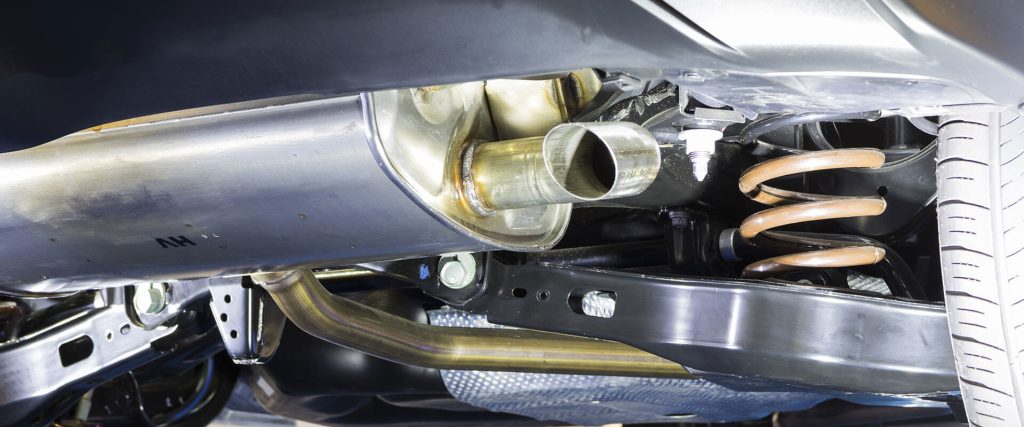
Credit: scottysautomotiveservices.com
Frequently Asked Questions
What Are The Signs Of A Leaking Exhaust System?
A leaking exhaust system often causes loud noises, reduced fuel efficiency, and a strong smell of exhaust gases. You may also notice decreased engine performance and visible rust or holes on the exhaust pipe.
How Does A Leaking Exhaust Affect Car Performance?
A leaking exhaust reduces engine power and fuel efficiency. It disrupts oxygen sensor readings, causing poor combustion and increased emissions. This leads to rough idling, loss of acceleration, and potential engine damage if left unaddressed.
Can A Leaking Exhaust Harm Your Health?
Yes, leaking exhaust gases can contain carbon monoxide, which is toxic. Prolonged exposure can cause headaches, dizziness, and even life-threatening conditions. It’s important to fix leaks promptly to ensure safety inside the vehicle.
How Much Does It Cost To Repair An Exhaust Leak?
Repair costs vary depending on leak severity and location. Minor leaks can cost $50-$200, while major repairs or replacements range from $300 to $1,200. Regular maintenance helps prevent costly exhaust system damage.
Conclusion
A leaking exhaust system can cause many problems for your vehicle. It wastes fuel and lowers engine power. It can also make your car noisy and unsafe. Fixing leaks early saves money and keeps you safe on the road. Don’t ignore strange sounds or smells while driving.
Regular checks help find leaks before they get worse. Taking care of your exhaust system helps your car run smoothly and cleanly. Stay alert and act fast to avoid bigger issues later.