Are you tired of losing fish because your weight or hook slips off your fishing line? Knowing how to tie your weight and hook correctly is one of the simplest ways to improve your fishing success.
When these knots are done right, your bait stays secure, your line stays strong, and you spend less time fixing gear and more time catching fish. You’ll discover easy, step-by-step methods to tie your weight and hook so they hold tight every time.
Ready to boost your fishing skills and never miss a catch? Keep reading—you’re about to learn the secrets that make all the difference.
Choosing The Right Weight And Hook
Tying the right weight and hook to your fishing line helps catch fish better.
Choosing suitable weights and hooks depends on the fish and fishing conditions.
Types Of Fishing Weights
Fishing weights come in various shapes and sizes. Each type suits different fishing needs.
- Sinker weights: Drop your bait to the bottom quickly.
- Split shot weights: Small and easy to attach to the line.
- Egg sinkers: Oval-shaped and slide on the line smoothly.
- Pyramid weights: Hold well on sandy or rocky bottoms.
- Bank sinkers: Heavy with a flat bottom for stability.
Selecting Hooks For Different Fish
Hooks vary by size and shape to match the fish you want to catch.
| Fish Type | Hook Size | Hook Style |
| Small Fish (e.g., Panfish) | 8 to 12 | Small circle or bait hooks |
| Medium Fish (e.g., Bass) | 4 to 8 | Wide gap or worm hooks |
| Large Fish (e.g., Catfish) | 1 to 4 | Strong J-hooks or circle hooks |
| Saltwater Fish | Varies | Heavy-duty hooks with corrosion resistance |
Matching Weight And Hook To Line Strength
Your weight and hook must fit the strength of your fishing line. This keeps your gear balanced.
- Light lines need light weights and small hooks.
- Medium lines can hold medium weights and hooks.
- Heavy lines support heavy weights and large hooks.
- Using too heavy a weight can break light lines.
- Choose hook strength to avoid bending or breaking.

Credit: mysterytacklebox.com
Preparing Your Fishing Line
Before tying a weight and hook to your fishing line, you need to prepare the line properly. A good start helps your fishing setup work well.
Preparing your line includes cutting it to the right length, checking for damage, and getting ready for knot tying.
Cutting And Handling The Line
Use sharp scissors or a line cutter to get a clean cut. A clean cut helps the knot hold better. Avoid crushing or bending the line.
Handle the line gently to prevent twists and tangles. Keep it straight and avoid pulling it too hard.
- Cut line with sharp scissors
- Make clean, straight cuts
- Handle line gently without twists
- Avoid pulling line too hard
Checking For Line Damage
Look closely at your fishing line before tying. Check for cuts, frays, or weak spots. Damaged line can break easily.
Run the line through your fingers to feel for rough areas. Replace any part of the line that looks worn out.
- Inspect line for cuts and frays
- Feel for rough or weak spots
- Replace damaged line sections
- Use a fresh line for strong knots
Setting Up For Knot Tying
Make sure your line is dry and clean before tying. Wet or dirty lines can make knots slip. Straighten the line to avoid twists.
Hold the line firmly but not too tight. This helps you control the knot and tie it neatly.
- Use dry, clean fishing line
- Straighten line before tying
- Hold line firmly, not tight
- Prepare tools like pliers if needed
Tying The Hook To The Line
Tying the hook to the fishing line is important for a strong catch. A good knot keeps the hook secure and prevents it from slipping.
There are different knots you can use. Each knot has its own strength and ease of tying. Here are some popular knots for tying a hook.
Improved Clinch Knot
The Improved Clinch Knot is simple and strong. It works well for most fishing lines and hooks.
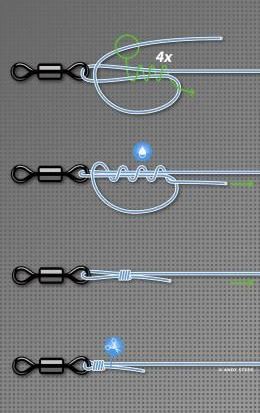
To tie it, pass the line through the hook eye. Wrap the tag end around the main line five to seven times. Then pass the tag end through the small loop near the eye. Finally, pass it through the big loop you just made. Pull tight to secure.
- Pass line through hook eye
- Wrap tag end around main line 5-7 times
- Pass tag end through small loop near eye
- Pass tag end through big loop
- Pull tight to secure knot
Palomar Knot
The Palomar Knot is very strong and easy to tie. It works well with braided and monofilament lines.
Double about six inches of line and pass it through the hook eye. Tie a loose overhand knot with the doubled line. Pass the hook through the loop. Pull both ends to tighten the knot. Trim the tag end.
- Double 6 inches of line
- Pass doubled line through hook eye
- Tie loose overhand knot
- Pass hook through loop
- Pull ends to tighten knot
- Trim tag end
Loop Knot Variations
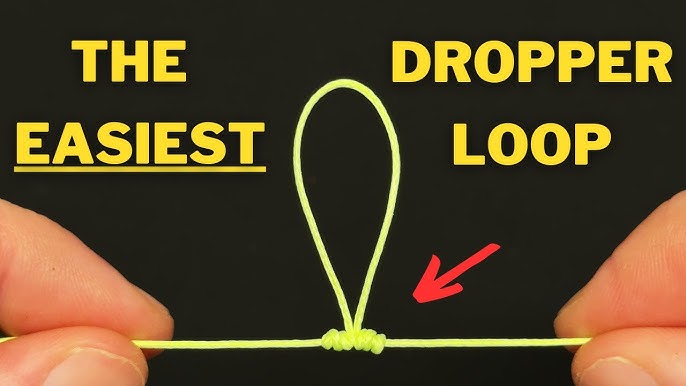
Loop knots keep the hook free to move. They help the bait look more natural in the water.
One common loop knot is the Non-Slip Loop Knot. Make an overhand knot in the line. Pass the tag end through the hook eye. Then pass the tag end back through the overhand knot. Pull tight to form a loop. This allows the hook to move freely.
- Make overhand knot in line
- Pass tag end through hook eye
- Pass tag end back through overhand knot
- Pull tight to form loop
- Hook can move freely
Attaching The Weight
Attaching the weight to your fishing line helps the bait sink properly. It also keeps the hook in the right spot for catching fish.
There are different ways to attach weights. Each way works best for certain fishing styles and conditions.
Slip Sinker Setup
A slip sinker slides freely on the line. It lets fish bite without feeling much weight. This setup is good for deep water fishing.
To set it up, thread the line through the sinker first. Then add a small bead before tying a swivel. Finally, attach the hook to the swivel.
- Thread sinker onto line
- Add a small plastic bead
- Tie a swivel after the bead
- Attach hook to swivel
Split Shot Method
Split shot weights are small and clip onto the line. They are easy to move and adjust. This method is good for light fishing and shallow water.
Pinch the split shot on the line above the hook. Place it about 6 to 12 inches away from the hook. This keeps the bait near the bottom without sinking too fast.
- Choose the right size split shot
- Pinch the weight onto the line
- Keep it 6-12 inches above the hook
- Adjust position for best bait movement
Using Egg Sinkers
Egg sinkers are oval and smooth. They slide easily over rocks and debris. They work well with slip sinker rigs for river fishing.
Slide the egg sinker onto the line first. Add a small bead after it. Then tie a swivel and attach the hook. The setup lets the bait move freely in the water.
- Slide egg sinker on the line
- Add a plastic bead after the sinker
- Tie a swivel after the bead
- Attach the hook to the swivel
Common Mistakes To Avoid
Tying the weight and hook to the fishing line might seem simple. But many anglers make mistakes that hurt their fishing success.
Knowing what to avoid helps you fish better and reduces lost catches. Here are common errors to watch out for.
Weak Knots And Line Slippage
Using weak knots causes the line to break or slip. This means you may lose your fish or gear.
Many people tie knots too quickly or do not tighten them properly. This leads to knots that come undone under tension.
- Always wet the line before tightening knots to reduce friction.
- Check the knot strength by pulling firmly before you start fishing.
- Use tested knots like the improved clinch or Palomar knot for better strength.
Improper Weight Placement
Placing the weight too close or too far from the hook causes problems. It can scare fish or reduce bait movement.
If the weight is too close, the bait moves less naturally. If too far, you may get more tangles or poor casting.
- Place the weight a few inches above the hook for natural bait movement.
- Adjust the distance depending on water depth and current.
- Use sliding weights if you want the fish to take the bait without feeling resistance.
Overloading The Line
Adding too much weight or heavy hooks can break the fishing line. This causes lost fish and gear.
Each fishing line has a strength limit. Exceeding this limit weakens the line and knot performance.
- Check the line’s weight rating before adding weights or hooks.
- Use lighter weights when fishing in shallow or calm waters.
- Replace old or damaged lines to avoid unexpected breaks.
Credit: www.beadinggem.com
Tips For Different Fishing Conditions
Tying the weight and hook to your fishing line changes with fishing spots and water types. Different conditions need different methods for the best catch.
Understanding these tips helps you adjust easily. You can fish smarter by knowing how to tie your gear for each situation.
Freshwater Vs Saltwater Techniques
Freshwater fishing uses lighter weights and smaller hooks because fish are often smaller. Saltwater needs stronger knots and heavier weights to handle bigger fish and waves.
- Use corrosion-resistant hooks in saltwater
- Choose lighter lines for freshwater
- Tie stronger knots for saltwater fishing
- Match weight size to water depth and fish size
Adjusting For Current And Depth
Fast currents need heavier weights to keep the bait in place. In deep water, use longer leaders and adjust your hook size to the target fish.
| Condition | Weight Size | Hook Type | Line Type |
| Strong Current | Heavy | Strong, sharp | Thick, strong |
| Slow Current | Light | Small, sharp | Thin, flexible |
| Shallow Water | Light | Small | Standard |
| Deep Water | Heavy | Large, strong | Strong, abrasion-resistant |
Seasonal Considerations
Fish behavior changes with seasons. Use smaller hooks and lighter weights in spring and fall. Use heavier tackle in winter and summer for deep or fast fish.
Seasonal tips for tying weight and hook:
- Spring: Use light weights and small hooks for active fish.
- Summer: Use heavier weights for deeper fishing.
- Fall: Match weight to fish feeding near the bottom.
- Winter: Strong knots and heavy weights for slow fish.

Credit: jimswansonmanofthewoods.wordpress.com
Frequently Asked Questions
How Do You Tie A Weight To A Fishing Line?
To tie a weight, thread the line through the weight’s hole. Then, make a secure knot like the improved clinch knot. Tighten the knot firmly and trim excess line. This ensures the weight stays attached during casting and fishing.
What Is The Best Knot For Attaching A Hook?
The improved clinch knot is best for hooks. It is strong, reliable, and easy to tie. Pass the line through the hook eye, twist five times, loop back, and tighten. This knot prevents slipping and keeps the hook secure.
Can I Tie The Weight And Hook On The Same Line?
Yes, tie the weight first, then the hook above it. This setup keeps the bait off the bottom. It improves bait presentation and increases chances of catching fish.
How Tight Should I Tie Knots On Fishing Line?
Knots should be tight but not overly so. Tighten knots firmly to prevent slipping. Avoid over-tightening, which can weaken the line. Proper tension ensures strong, durable knots for successful fishing.
Conclusion
Tying weight and hook to your fishing line is simple with practice. Start slow, follow each step carefully. Strong knots keep your line secure and fish on. Use the right knot for your fishing needs. Check knots often to avoid losing fish.
With patience, tying becomes quick and easy. Enjoy fishing without worrying about your gear. Keep practicing to improve your skills every time. Fishing success begins with a well-tied line.