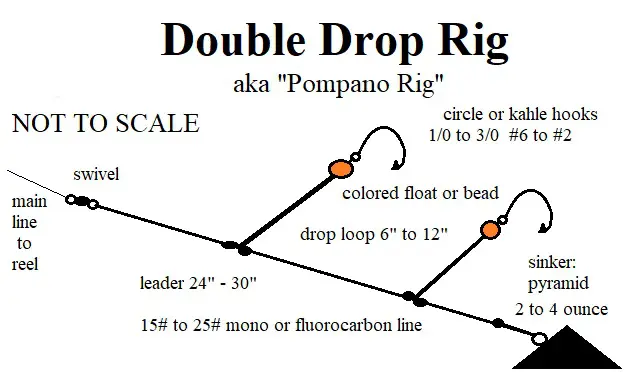
Setting up a fishing line might seem simple, but doing it the right way can make all the difference between a great catch and a frustrating day by the water. If you want to improve your fishing game, learning how to set up your line correctly is a must.
In this guide, you’ll discover easy steps to prepare your line like a pro, avoid common mistakes, and feel confident every time you cast. Ready to take your fishing skills up a notch? Keep reading, because your next big catch could start right here.

Credit: greatdaysoutdoors.com
Choosing The Right Fishing Line
Picking the right fishing line is key for a good fishing trip. It helps you catch fish and avoid losing them.
Different lines work better for certain fish and water conditions. Learn about types, strength, and materials.
Types Of Fishing Lines
There are three main fishing lines: monofilament, fluorocarbon, and braided. Each has its own uses.
- Monofilament:Good for beginners. It stretches and is easy to handle.
- Fluorocarbon:Hard to see in water. It sinks faster and resists abrasion.
- Braided:Very strong and thin. It has little stretch and lasts long.
Line Strength And Test
Line strength shows how much weight it can hold before breaking. It is called the test weight.
Choose a test weight that matches the fish size you want to catch. Stronger lines hold bigger fish.
- Light test (2-6 lbs): Small fish like trout or panfish
- Medium test (8-15 lbs): Bass and similar fish
- Heavy test (20+ lbs): Large fish like catfish or pike
Material Considerations
Fishing lines come from different materials. Each material has benefits and limits.
Monofilament is flexible and cheap but can stretch too much. Fluorocarbon is less visible and sinks well. Braided line is strong and thin but may be more visible in water.
- Monofilament: Stretchy, easy to knot, good for beginners
- Fluorocarbon: Hard to see, sinks fast, resists wear
- Braided: Very strong, thin, lasts long, less stretch
Credit: www.beadinggem.com
Preparing Your Fishing Reel
Getting your fishing reel ready is important for a good catch. A well-prepared reel works smoothly and lasts longer.
This guide helps you clean, maintain, and spool your reel correctly. Follow these tips to avoid problems while fishing.
Cleaning And Maintenance
Keep your reel clean to prevent dirt and salt buildup. This stops damage and keeps the reel spinning freely.
- Rinse the reel with fresh water after each use.
- Use a soft cloth to wipe off dirt and grime.
- Apply a few drops of reel oil on moving parts.
- Check screws and tighten them if loose.
- Store the reel in a dry place to avoid rust.
Spooling The Line Properly
Spooling the line the right way prevents tangles and line breakage. It helps your fishing line last longer.
| Step | Action | Tip |
| 1 | Attach the line to the spool with an arbor knot. | Make sure the knot is tight and secure. |
| 2 | Hold the line taut while winding it on the spool. | Ask someone to help keep the line tight if needed. |
| 3 | Fill the spool until it is about 1/8 inch from the edge. | Do not overfill; this causes tangles during casting. |
| 4 | Check the line for twists and re-spool if necessary. | Use line conditioner to reduce twists and memory. |
Attaching The Line To The Reel
Attaching the fishing line to the reel is the first step in setting up your fishing gear. It ensures your line stays secure while you fish.
Using the right technique helps prevent the line from slipping or tangling during casting and reeling.
Secure Knots For Attachment
Strong knots hold the line tightly to the reel spool. They stop the line from coming loose during fishing.
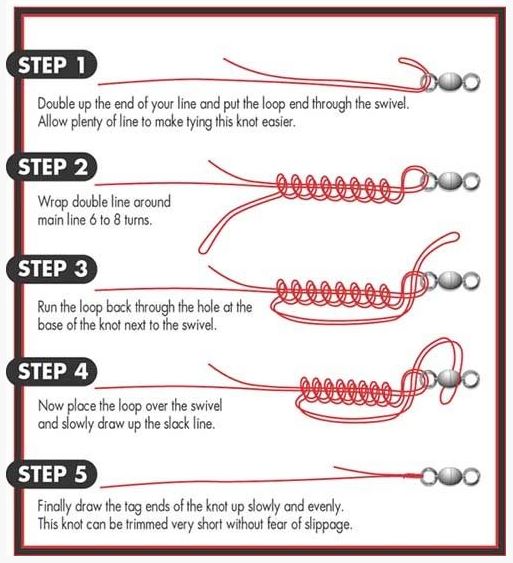
Popular knots include the Arbor knot and the Improved Clinch knot. They are easy to tie and very reliable.
- Arbor Knot:Tie the line around the reel spool, then secure it with an overhand knot.
- Improved Clinch Knot:Thread the line through the spool eye, wrap it, and finish with a tight loop.
Avoiding Line Twist
Line twist causes tangles and weakens the fishing line. Prevent twist by careful line attachment and handling.
Use swivel attachments and spool the line evenly. Keep the line tight when winding it onto the reel.
- Attach the line without overlapping loops on the spool.
- Use a swivel to reduce twisting caused by spinning lures.
- Keep tension on the line when reeling it onto the spool.
Setting Line Tension And Drag
Setting the right line tension and drag helps catch fish without breaking your line. It controls how much resistance the fish feels when it pulls.
Good tension and drag settings protect your gear and improve your chances of landing a fish.
Adjusting Drag For Different Fish
Different fish need different drag settings. Small fish require less drag to avoid snapping the line.
Big fish need more drag to tire them out without breaking your fishing line.
- Small fish: Set drag low for gentle resistance
- Medium fish: Use medium drag to balance tension
- Large fish: Increase drag for strong resistance
Testing Line Tension
Test your line tension before fishing. Pull the line by hand to feel the resistance.
Adjust the drag until the line pulls smoothly without slipping or breaking.
- Pull the line slowly to check smooth drag
- Increase drag if the line pulls too easily
- Decrease drag if the line feels too tight or snaps
Adding Terminal Tackle
Adding terminal tackle is an important step in setting up your fishing line. It includes items like hooks, sinkers, swivels, and leaders.
These pieces help you catch fish better by improving bait presentation and preventing line twists.
Choosing Hooks And Sinkers
Hooks come in many sizes and shapes. Pick a hook that fits the fish you want to catch.
Sinkers add weight to your line. They help your bait sink to the right depth.
- Use small hooks for small fish and big hooks for large fish
- Choose sinkers based on water depth and current strength
- Split shot sinkers are good for light tackle fishing
- Use egg sinkers for bottom fishing
Using Swivels And Leaders
Swivels stop your line from twisting when the bait spins. They connect your main line to the leader.
Leaders are shorter lines tied between your main line and hook. They protect against sharp teeth and rough surfaces.
- Use barrel swivels for easy line connection
- Choose leaders made of strong, clear material
- Leaders help reduce line visibility in water
- Replace leaders often to keep them strong
Line Maintenance Tips
Keeping your fishing line in good shape helps you catch more fish. Proper care stops the line from breaking or tangling. Regular checks and storage matter a lot.
Learn simple ways to check your line for damage and store it safely. These tips save money and make fishing more fun.
Checking For Wear And Tear
Look closely at your fishing line before each trip. Small cuts or frays can cause the line to snap. Test the line’s strength by pulling it gently. Replace it if it feels weak.
- Check for cracks or nicks on the surface
- Look for discoloration or stiffness
- Run your fingers along the line to feel rough spots
- Replace the line if it shows any damage
Proper Storage Techniques
Store your fishing line in a cool, dry place. Avoid sunlight and heat, which weaken the line. Keep it on the reel or in a sealed container to prevent dust and moisture.
| Storage Tip | Reason |
| Keep line away from direct sunlight | UV rays degrade the line fibers |
| Store in a dry place | Moisture causes mold and weak spots |
| Use a sealed container or bag | Protects from dust and dirt |
| Do not store under heavy items | Pressure can deform or weaken the line |
Common Mistakes To Avoid
Setting up a fishing line is simple but easy to get wrong. Avoiding common errors helps you fish better and enjoy more.
Here are some mistakes to watch out for when setting up your fishing line.
Overloading The Reel
Putting too much line on your reel causes problems. It can make the line tangle or spool unevenly.
Too much line adds extra weight and stress. This can lead to breakage or poor casting.
- Fill the reel only to about 80% capacity
- Check the reel’s line capacity before spooling
- Avoid overfilling to prevent tangles and bird nests
Ignoring Line Compatibility
Using the wrong line type or strength hurts your fishing setup. The line must match your rod and reel.
Ignoring compatibility can cause poor casting and line damage. It can also reduce your chances of catching fish.
- Check the rod’s recommended line weight
- Use line types that fit your reel spool
- Match line strength to the fish you want to catch

Credit: dronefishing.co.nz
Frequently Asked Questions
How Do I Choose The Right Fishing Line?
Select a line based on fish type, water conditions, and fishing style. Lighter lines suit small fish; heavier lines are for larger species. Consider line strength, stretch, and visibility for best results.
What Is The Best Way To Attach A Fishing Line?
Use reliable knots like the improved clinch knot or Palomar knot. These knots offer strong, secure attachment and are easy to tie. Proper knotting prevents line slippage and increases fishing success.
How Do I Spool A Fishing Line Correctly?
Attach the line spool to the reel, keeping tension. Wind the line evenly onto the reel without twisting. Proper spooling prevents tangles and ensures smooth casting and reeling.
When Should I Replace My Fishing Line?
Replace your line after several uses or visible damage. Fraying, discoloration, or stiffness signal weakened line strength. Regular replacement maintains line reliability and improves fishing performance.
Conclusion
Setting up a fishing line is simple with the right steps. Choose the correct line type and strength first. Tie knots carefully to avoid slipping. Keep the line tight and smooth on the reel. Practice casting to feel confident and in control.
Regularly check the line for damage or wear. These tips will help you enjoy fishing more. Keep learning and improving with each trip. Fishing becomes more fun with good preparation. Try these steps next time you go fishing.