When you’re shopping for an air conditioner, you might see the term “BTU” and wonder what it means for your comfort. Understanding BTUs can help you choose the right unit that cools your space efficiently without wasting energy or money.
Imagine having an air conditioner that feels just right—not too cold, not too warm—keeping you comfortable all year long. Keep reading, and you’ll learn exactly what BTUs mean and how they affect your cooling needs. This knowledge will make your next air conditioner purchase easier and smarter.
Btu Basics
BTU stands for British Thermal Unit. It measures energy used to heat or cool. Air conditioners use BTUs to show cooling power.
Knowing BTUs helps pick the right air conditioner size. The right size keeps rooms comfortable and saves energy.
What Is A Btu
A BTU is the amount of heat needed to raise one pound of water by one degree Fahrenheit. It is a small unit of energy.
- BTU measures heat energy.
- It helps compare heating and cooling devices.
- One BTU equals about 1055 joules.
- It is used worldwide in HVAC systems.
Btu And Cooling Power
Air conditioners use BTUs to show how much heat they remove from a room per hour. Higher BTUs mean more cooling power.
| BTU Rating | Room Size (Square Feet) | Cooling Power |
| 5,000 BTU | 100 to 150 | Small room or office |
| 8,000 BTU | 200 to 350 | Medium room |
| 12,000 BTU | 450 to 550 | Large room or small apartment |
| 18,000 BTU | 700 to 1,000 | Large open space |
Btu Ratings In Air Conditioners
BTU stands for British Thermal Unit. It measures how much heat an air conditioner can remove in one hour.
Knowing the BTU rating helps you choose the right air conditioner for your room size and needs.
How Btu Affects Ac Size
The BTU rating shows the cooling power of an air conditioner. A unit with higher BTUs cools larger rooms better.
Choosing an AC with too few BTUs means the room won’t cool well. Too many BTUs can waste energy and make the room feel cold.
Matching Btu To Room Size
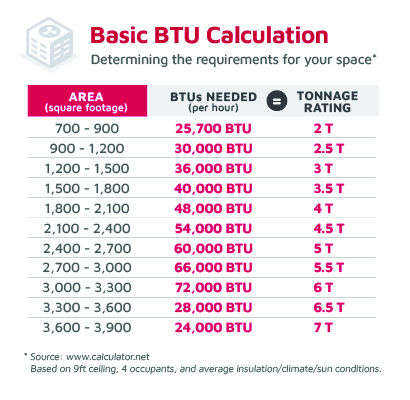
It is important to match the AC’s BTU rating with the room size. Below is a guide to help you pick the right BTU for your room.
| Room Size (sq ft) | Recommended BTU |
|---|---|
| Up to 150 | 5,000 BTU |
| 150 – 250 | 6,000 BTU |
| 250 – 350 | 8,000 BTU |
| 350 – 450 | 10,000 BTU |
| 450 – 550 | 12,000 BTU |
| 550 – 700 | 14,000 BTU |
| 700 – 1,000 | 18,000 BTU |
Use this guide to pick an air conditioner that cools your space efficiently without wasting power.
Impact On Energy Efficiency
BTU stands for British Thermal Unit. It measures the cooling power of air conditioners. The higher the BTU, the more space the unit can cool.
Energy efficiency depends on BTU size and how much power the unit uses. Choosing the right BTU helps save electricity and money.
Btu And Power Consumption
BTU affects the power consumption of an air conditioner. A unit with high BTU uses more energy. But if the BTU is too low, the unit runs longer and wastes energy.
- Small rooms need lower BTU units to save power.
- Large rooms need higher BTU units to cool efficiently.
- Using the right BTU size reduces electricity bills.
- Oversized units cycle on and off often, using more energy.
Energy Star Ratings And Btu
Energy Star ratings show how efficient an air conditioner is. Units with higher ratings use less power for the same BTU level.
| BTU Range | Energy Star Efficiency | Typical Power Usage (Watts) |
| 5,000 – 8,000 | High | 500 – 700 |
| 8,001 – 12,000 | Medium | 900 – 1,200 |
| 12,001 – 18,000 | High | 1,200 – 1,500 |
| 18,001 – 24,000 | Medium | 1,800 – 2,200 |
Credit: www.lexetx.com
Choosing The Right Btu
BTU stands for British Thermal Unit. It measures how much heat an air conditioner can remove from a room. Picking the right BTU size helps keep your room comfortable and saves energy.
Too low BTU means the room will stay warm. Too high BTU wastes electricity and may cause moisture problems. Let’s see what affects BTU needs and common mistakes to avoid.
Factors Influencing Btu Needs
Several things change how many BTUs your air conditioner needs. These include room size, sunlight, and how many people use the space.
- Room Size:Larger rooms need more BTUs to cool properly.
- Sunlight:Rooms with lots of sun require higher BTU units.
- People:More people generate heat, raising BTU needs.
- Appliances:Heat from electronics or kitchen devices adds to cooling load.
- Insulation:Poor insulation means more BTUs are necessary.
Common Btu Mistakes
Choosing the wrong BTU size can cause problems. Many people make simple errors when picking their air conditioner.
| Common Mistake | Effect | Solution |
|---|---|---|
| Too Small BTU | Room stays warm and unit runs constantly | Measure room size and pick a higher BTU unit |
| Too Large BTU | Short cooling cycles and poor humidity control | Choose a BTU size that matches room size |
| Ignoring Room Factors | Under or overestimates BTU needs | Consider sunlight, people, and appliances |
| Not Checking Insulation | Energy waste and uneven cooling | Improve insulation or select higher BTU unit |
Btu And Cooling Performance
BTU stands for British Thermal Unit. It measures how much heat an air conditioner can remove. Higher BTU means stronger cooling power.
Understanding BTU helps you pick the right air conditioner for your space. It affects how fast and well the room cools down.
Cooling Speed And Btu
BTU rating directly impacts cooling speed. A higher BTU unit cools a room faster than a lower one. But too high BTU can waste energy.
- Small rooms need air conditioners with lower BTU.
- Large rooms require units with higher BTU for quick cooling.
- Matching BTU to room size balances comfort and energy use.
Handling Humidity Levels
Air conditioners also reduce humidity. This makes the room feel cooler and more comfortable. Higher BTU units remove more moisture.
| BTU Range | Room Size (sq ft) | Humidity Control |
| 5,000 – 8,000 | Up to 300 | Low to Moderate |
| 8,000 – 12,000 | 300 to 550 | Moderate to High |
| 12,000 – 18,000 | 550 to 1,000 | High |

Credit: www.carrier.com
Btu In Different Ac Types
BTU stands for British Thermal Unit. It measures how much heat an air conditioner can remove from a room. The higher the BTU, the more cooling power the AC has.
Different types of air conditioners have different BTU ranges. Knowing the BTU helps you pick the right AC size for your space. Too small or too large BTU can reduce comfort and increase costs.
Window Units
Window air conditioners are common and easy to install. They fit in a window or a hole in the wall. These units usually have BTUs between 5,000 and 14,000.
Smaller rooms need lower BTU units, while bigger rooms need higher BTU units. Window units with the right BTU keep the room cool without using too much power.
- Small rooms: 5,000-6,000 BTU
- Medium rooms: 7,000-10,000 BTU
- Large rooms: 12,000-14,000 BTU
Split Systems
Split air conditioners have two parts: one inside and one outside. They cool rooms quietly and efficiently. BTU sizes for split systems vary widely, from 9,000 to 36,000 or more.
These units suit medium to large spaces. Higher BTU means the system can cool bigger areas or multiple rooms with one unit.
- Small rooms: 9,000-12,000 BTU
- Medium rooms: 12,000-18,000 BTU
- Large rooms or multiple rooms: 24,000-36,000 BTU
Portable Air Conditioners
Portable air conditioners can move from room to room. They are easy to use but less efficient than fixed units. Portable ACs usually have BTUs between 8,000 and 14,000.
These units work best for single rooms or small spaces. Choosing the right BTU ensures the portable AC cools the room well without wasting energy.
- Small rooms: 8,000-10,000 BTU
- Medium rooms: 12,000-14,000 BTU

Credit: newway.sg
Frequently Asked Questions
What Does Btu Mean In Air Conditioners?
BTU stands for British Thermal Unit. It measures an air conditioner’s cooling power. Higher BTUs cool larger rooms effectively.
How To Choose Btu Size For My Ac?
Choose BTU based on room size. Small rooms need 5,000-8,000 BTU. Larger rooms require 10,000-14,000 BTU units for efficient cooling.
Why Is Btu Important For Air Conditioner Efficiency?
BTU affects cooling speed and energy use. Correct BTU size ensures optimal comfort without wasting electricity or overworking the AC.
Can A Higher Btu Ac Save Energy?
Not always. Oversized AC cools quickly but cycles off often, wasting energy. Proper BTU sizing balances comfort and efficiency.
Conclusion
BTUs tell you how much cooling power an air conditioner has. Choosing the right BTU size helps keep your room comfortable. Too small means the AC works too hard. Too big wastes energy and money. Knowing BTUs helps you pick the best unit for your space.
This keeps your home cool and saves on bills. Always check BTU ratings before buying an air conditioner. Simple, clear, and smart choices make a big difference.