Have you ever baked a pie only to find the crust getting too dark before the filling is perfectly cooked? It’s a common problem, but there’s a simple trick that can save your dessert: tenting your pie with foil.
This easy step protects your crust while letting your pie bake evenly and look picture-perfect. You’ll learn exactly how to tent a pie with foil like a pro, so your next pie turns out golden, delicious, and ready to impress everyone at the table.
Keep reading to discover the secret to flawless pie crusts every time!
Why Tent A Pie
Tenting a pie with foil is a simple way to protect it during baking. It helps keep the crust from burning and ensures the pie cooks well.
This technique uses a foil cover shaped like a tent over the pie. It shields the edges and top while letting heat circulate evenly.
Preventing Crust Burn
The pie crust is thin and cooks faster than the filling. Tenting with foil stops the edges from getting too dark or burnt.
The foil reflects heat away from the crust. This keeps the crust golden brown instead of burnt black.
- Protects thin crust edges
- Prevents over-browning
- Allows safe longer baking time
Ensuring Even Baking
Tenting creates space between the foil and the pie. This space lets heat flow around the pie evenly.
Even heat helps the filling cook through without burning the top or edges.
- Allows heat circulation
- Prevents hot spots
- Helps cook filling properly
Maintaining Moisture
The foil tent traps steam from the pie as it bakes. This moisture keeps the filling juicy and soft.
Without a tent, the pie can dry out and become tough or cracked on top.
- Traps steam inside
- Prevents drying out
- Keeps filling moist and tender
Credit: www.theglutenfreetravelers.com
Choosing The Right Foil
Tenting a pie with foil keeps the crust from burning. Picking the right foil helps protect your pie while baking.
Foil comes in different types and sizes. Knowing these details makes tenting easier and more effective.
Types Of Foil
Aluminum foil is the most common choice for tenting pies. It reflects heat and keeps the crust safe.
There are heavy-duty and standard foils. Heavy-duty foil is thicker and stronger. It lasts longer and holds shape better.
- Standard foil is good for light use and easy tenting
- Heavy-duty foil protects pies in longer baking times
- Non-stick foil can prevent sticking, but is less flexible
Size And Thickness
Foil size matters for making a proper tent. Bigger foil covers the pie fully without touching the crust.
Thickness affects how well the foil holds shape. Thicker foil is easier to mold but less flexible.
- Choose foil at least 12 inches wide to cover most pies
- Use thicker foil for pies that bake longer or at high heat
- Trim excess foil to avoid burning edges
Preparing The Foil Tent
Tenting a pie with foil helps keep the crust from burning. It also lets steam escape so the filling cooks well. Preparing the foil tent correctly makes a big difference.
This guide explains how to cut, shape, and place the foil to protect your pie. Follow these tips to keep your pie perfect while baking.
Cutting The Foil
Start by tearing a piece of foil large enough to cover the pie. Make it at least 2 to 3 inches wider than the pie’s edges on all sides. This gives room to shape the tent.
Use a clean pair of scissors or tear the foil carefully to avoid holes. Smooth edges help keep the tent sturdy during baking.
Shaping The Tent
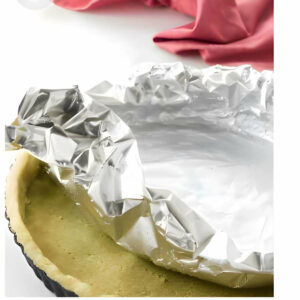
Fold the foil piece in half or thirds to make it stronger. Gently lift it and place it over the pie. The shape should look like a small roof or tent.
Bend the foil edges down around the pie plate. This holds the tent in place and stops it from moving in the oven.
Avoiding Contact With Filling
Keep the foil tent from touching the pie filling or crust. Contact can cause the foil to stick or burn parts of the pie. Make a tent tall enough to leave space.
- Make the tent higher in the center
- Check the pie before baking to adjust the tent
- Use extra foil strips to raise low spots

Credit: mycountrytable.com
Applying The Foil Tent
Tenting a pie with foil helps keep the crust from burning. It also lets the pie cook evenly.
Here is how to apply the foil tent correctly to protect your pie.
Positioning Over The Pie
Use a large sheet of foil to cover the pie. Make sure the foil does not touch the pie crust.
Form the foil into a dome shape over the pie. This space stops the foil from sticking.
- Use a foil sheet bigger than the pie dish
- Gently lift and shape the foil over the pie
- Keep the foil dome loose to allow air circulation
Securing The Edges
Fold the edges of the foil under the pie dish rim. This keeps the tent stable during baking.
Do not press the foil tightly against the crust. This prevents damage to the pie edges.
- Fold foil edges neatly under the pie plate rim
- Press gently to hold the foil in place
- Check that foil stays secure during baking
Baking Tips With Foil Tent
Tenting a pie with foil protects the crust from burning. It helps the pie bake evenly and stay golden brown.
This simple technique is useful for fruit pies and pies with delicate crusts. Learn how to use foil tents for better baking results.
Timing To Remove The Tent
Keep the foil tent on during most of the baking time. Removing it too early can cause the crust to brown too fast.
Take off the foil in the last 10 to 15 minutes. This lets the crust finish baking and become crispy.
- Cover pie with foil at the start
- Remove foil near the end of baking
- Watch crust color before removing foil
Adjusting Oven Temperature
Foil tents can affect oven heat around the pie. Lower the oven temperature by 10 to 15 degrees Fahrenheit.
This helps avoid over-baking and keeps the pie crust tender. Adjust temperature based on your oven’s heat.
- Reduce oven temperature slightly with foil tent
- Check pie progress often
- Adjust heat if crust browns too fast
Monitoring Pie Color
Look at the pie color through the foil or open oven door carefully. The crust should be golden, not dark brown.
If the crust darkens too soon, cover it again with foil. This stops burning and keeps the pie looking nice.
- Check pie color every 10 minutes
- Use foil to slow crust browning
- Remove foil when crust is golden
Common Mistakes To Avoid
Tenting a pie with foil helps protect the crust while baking. It stops the edges from burning. Still, some mistakes can ruin your pie.
Knowing what to avoid makes your pie turn out better. Read on to learn three common errors when using foil tents.
Foil Too Tight
Wrapping the foil too tightly around the pie can cause problems. The crust might stick to the foil and tear. Also, steam cannot escape, which can make the crust soggy.
- Leave space between the foil and the pie edges.
- Gently shape the foil into a dome over the pie.
- Do not press foil directly on the crust.
Leaving Tent On Too Long
Keeping the foil tent on for the whole baking time is a common mistake. The crust needs time to brown after the tent comes off. Leaving the tent on too long stops browning.
- Start baking with the foil tent in place.
- Remove the tent about 15 minutes before baking ends.
- Watch the crust color to avoid burning.
Using Foil On Delicate Pies
Foil tents can be too rough for delicate pies. Thin crusts or fragile toppings may break or stick. Use care when covering these pies.
| Pie Type | Foil Use Advice |
|---|---|
| Delicate Fruit Pies | Use parchment paper under foil or avoid foil tents. |
| Thin Crust Pies | Do not press foil; tent loosely or use a pie shield. |
| Custard or Cream Pies | Avoid foil tents; cover with plastic wrap after cooling. |
Alternative Methods To Foil Tenting
Tenting a pie with foil protects the crust from burning while baking. Some people prefer other ways to cover their pies. These methods also keep the crust safe and help the pie bake evenly.
Two common alternatives are using pie shields and parchment paper tents. Both options work well and are easy to use. They can be reused or made at home.
Using Pie Shields
Pie shields are shaped covers made to fit over the edges of your pie crust. They stop the crust from getting too dark while the filling cooks. You can buy pie shields in metal, silicone, or plastic.
- Place the shield around the edge of the pie crust before baking.
- Adjust the shield if needed during baking to prevent burning.
- Remove the shield near the end of baking for a golden crust.
- Clean and reuse the shield for future pies.
Parchment Paper Tents
Parchment paper tents are easy to make at home. They protect the pie crust like foil tents but are lighter and less shiny. You fold parchment paper into a loose tent shape and place it over the pie.
| Material | How to Use | Benefits |
|---|---|---|
| Parchment Paper | Fold into a tent and place over pie | Reusable, breathable, protects crust |
| Foil | Tent loosely over pie edges | Durable, shapes easily, blocks heat |
| Pie Shield | Fit around crust edge | Reusable, precise coverage, easy to clean |
Credit: savorthebest.com
Frequently Asked Questions
What Does It Mean To Tent A Pie With Foil?
Tenting a pie means loosely covering it with foil during baking. This prevents the crust from over-browning while allowing the pie to cook evenly.
When Should You Tent A Pie With Foil?
Tent the pie when the crust starts turning golden but the filling needs more time to cook. This usually happens midway through baking.
How Do You Tent A Pie With Foil Properly?
Fold a piece of foil into a loose dome over the pie. Avoid pressing foil onto the crust to maintain airflow and prevent sticking.
Can Tenting A Pie With Foil Affect Baking Time?
Tenting can slightly extend baking time by protecting the crust. However, it ensures the pie cooks fully without burning the edges.
Conclusion
Tenting a pie with foil helps keep the crust from burning. It protects the edges while the filling cooks well. Use foil gently to avoid crushing the pie. Adjust the foil as needed during baking. This simple step makes your pie look and taste better.
Try it next time you bake a pie. You’ll see the difference in every bite. Easy, quick, and effective—tenting works every time.