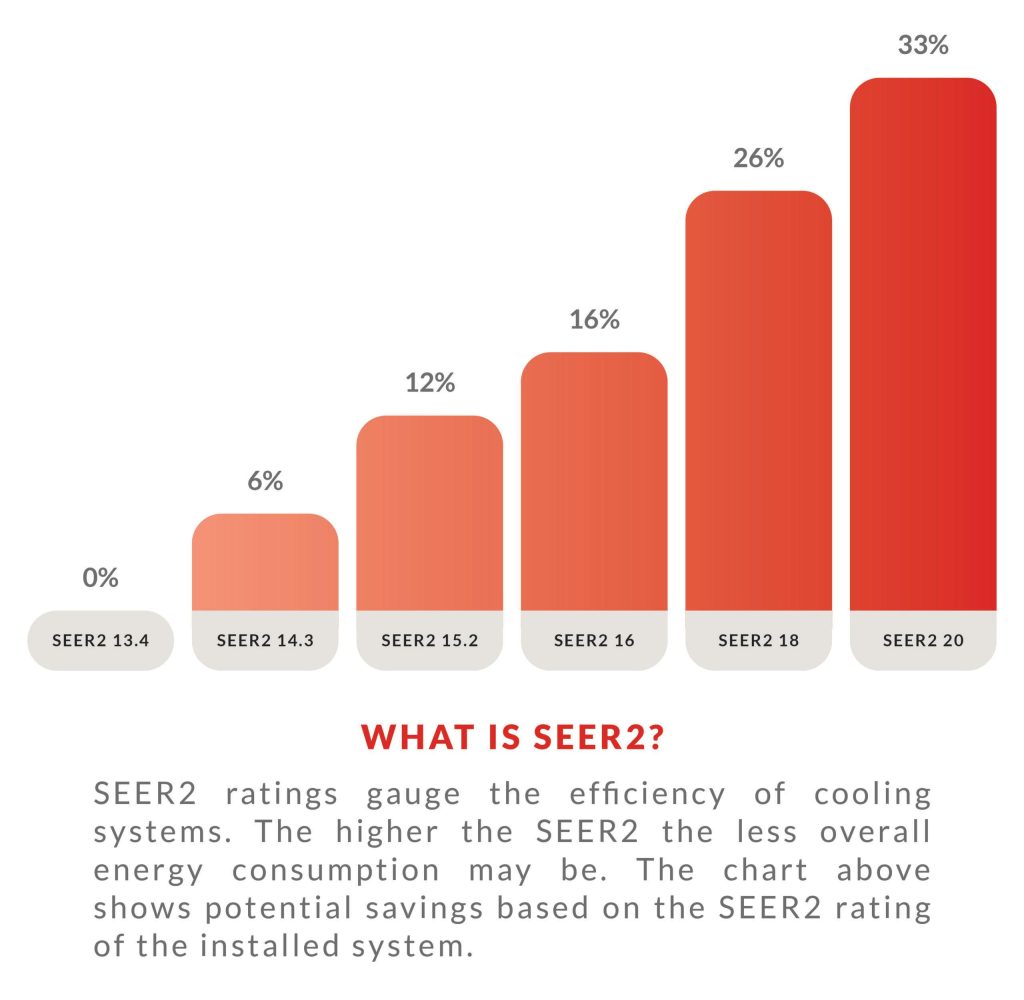
When you’re shopping for an air conditioner, you’ll see a number called the SEER rating. But what does it really mean for your home and your energy bills?
Knowing what a good SEER rating is can save you money and keep your space comfortable all year long. If you want to make the best choice for your cooling needs and avoid wasting energy, understanding SEER is key. Keep reading, and you’ll discover how this simple number can make a big difference for you.

Credit: hvacdirect.com
Seer Rating Basics
The SEER rating measures how well an air conditioner cools your home. It shows the unit’s energy efficiency during cooling.
A higher SEER rating means the air conditioner uses less electricity to cool. This can save money on energy bills.
What Seer Means
SEER stands for Seasonal Energy Efficiency Ratio. It measures cooling output over energy used.
The rating is found by dividing total cooling in BTUs by total energy in watt-hours. The higher the SEER, the better.
- BTU means British Thermal Unit, a measure of heat
- Watt-hour measures electric energy consumption
- SEER shows how much cooling you get per unit of energy
How Seer Impacts Efficiency
A higher SEER rating means the air conditioner uses less power to cool. This reduces electricity bills and saves energy.
Air conditioners with low SEER ratings use more energy and cost more to run. Choosing a good SEER rating helps balance cost and savings.
- SEER 13 to 16 is good for most homes
- Higher than 16 is best for very hot areas
- Low SEER ratings mean higher energy use

Credit: www.searshomeservices.com
Ideal Seer Range
The SEER rating measures an air conditioner’s energy efficiency. It stands for Seasonal Energy Efficiency Ratio. A higher SEER means better efficiency and lower energy bills.
Choosing the right SEER rating depends on your climate and local standards. Knowing the ideal range helps pick the best air conditioner for your needs.
Minimum Seer Standards
Minimum SEER standards vary by region. These standards ensure air conditioners meet basic efficiency rules. They help reduce energy waste and save money.
| Region | Minimum SEER |
| North | 13 |
| South | 14 |
| Southwest | 15 |
Recommended Seer For Different Climates
Choosing the right SEER depends on your climate zone. Higher SEER units save more energy in hot areas. Moderate climates can use mid-range SEER units.
- Hot climates: 16 to 21 SEER
- Moderate climates: 14 to 16 SEER
- Cool climates: 13 to 15 SEER
Benefits Of Higher Seer
SEER stands for Seasonal Energy Efficiency Ratio. It measures how well an air conditioner uses energy. A higher SEER means the unit is more efficient.
Choosing an air conditioner with a good SEER rating can save energy and money. It also helps protect the environment by using less power.
Energy Savings
Air conditioners with higher SEER ratings use less electricity to cool your home. This means they run more efficiently and waste less energy.
Using less energy reduces the demand on power plants. This helps lower overall energy consumption in your area.
Lower Utility Bills
Higher SEER air conditioners cost less to operate every month. This means your electric bills will be lower during hot months.
Over time, the money saved on bills can cover the higher price of an efficient unit. This makes it a smart choice for long-term savings.
Environmental Impact
Using less energy means fewer greenhouse gases are released. This helps reduce pollution that harms the planet.
Choosing a higher SEER air conditioner supports efforts to conserve natural resources and fight climate change.
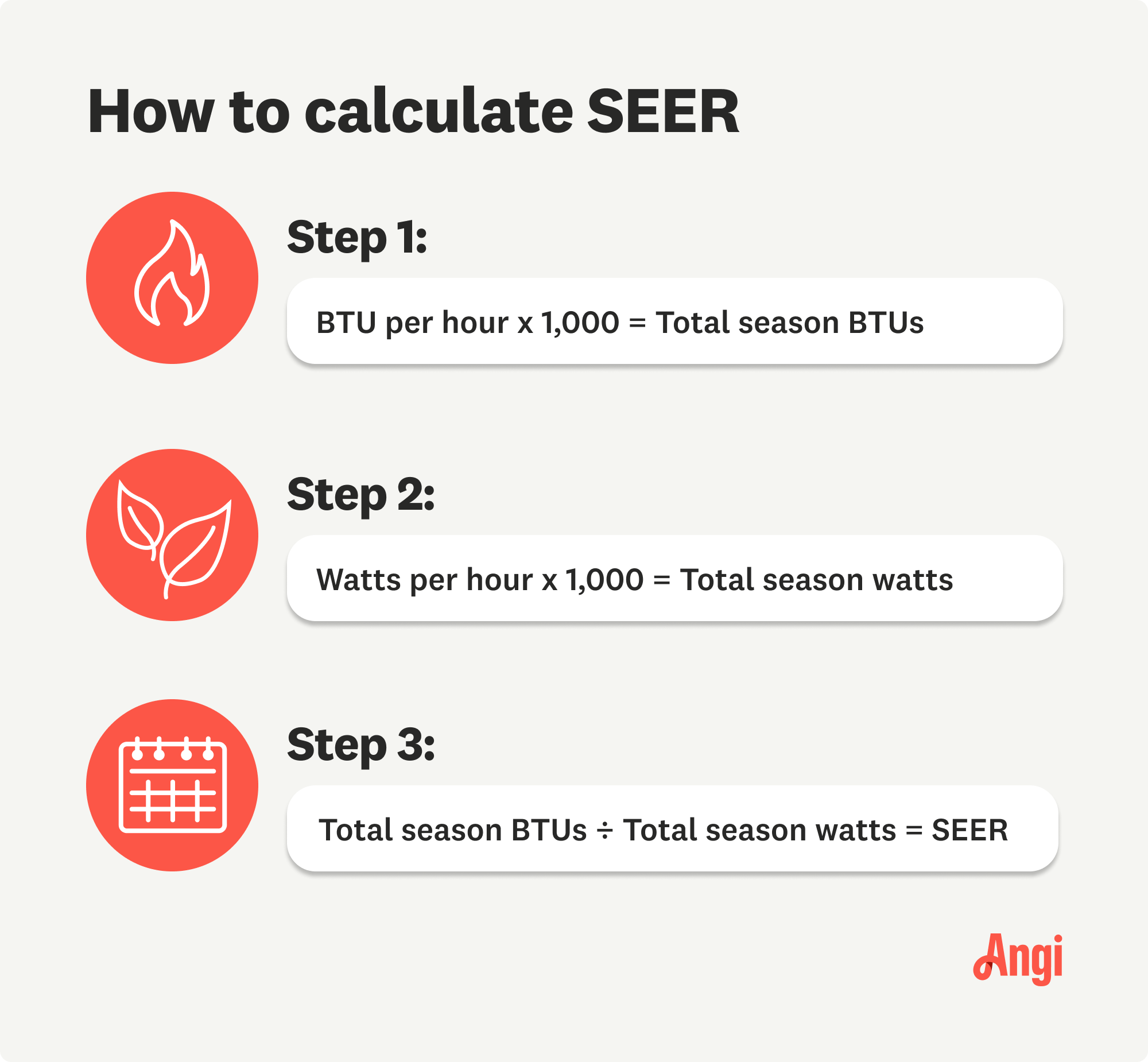
Credit: www.angi.com
Factors Affecting Seer Choice
SEER stands for Seasonal Energy Efficiency Ratio. It shows how well an air conditioner uses electricity. Picking the right SEER rating depends on many things. These factors help you decide what fits your needs.
Choosing a good SEER rating can save money and keep your home comfortable. Let’s look at some key factors that affect this choice.
Home Size And Insulation
The size of your home changes how much cooling you need. Bigger homes need stronger AC units. Good insulation helps keep cool air inside. Poor insulation means the AC must work harder.
A higher SEER rating is better for large or poorly insulated homes. It uses less energy to keep your space cool. Small or well-insulated homes may not need a very high SEER unit.
Budget Considerations
Higher SEER units cost more upfront. You pay extra for better energy efficiency. Think about how long you will live in your home. A high SEER unit saves money over time but needs a bigger budget now.
If you want to spend less at first, choose a moderate SEER rating. It balances cost and energy use. Calculate your long-term savings before buying.
Local Energy Rates
Energy prices affect how much you save with a high SEER unit. If electricity costs are high, a better SEER rating saves more money. In places with low energy rates, savings are smaller.
Check your local energy prices before choosing SEER. This helps you find the best value for your area.
Comparing Seer Ratings
SEER stands for Seasonal Energy Efficiency Ratio. It measures how well an air conditioner uses electricity.
A higher SEER rating means the unit uses less energy to cool your home. This can lower your electric bills.
Mid-range Vs High-end Units
Mid-range air conditioners usually have SEER ratings between 13 and 16. These units balance price and efficiency well.
High-end units often have SEER ratings above 20. They offer better energy savings but cost more upfront.
- Mid-range units cost less initially
- High-end units save more energy over time
- Higher SEER means quieter operation and better features
Cost Vs Efficiency Trade-offs
Choosing a unit with a higher SEER can reduce energy bills. It may take years to recover the higher cost.
Lower SEER units are cheaper but use more electricity. This can lead to higher monthly costs.
| SEER Rating | Initial Cost | Energy Efficiency | Best For |
|---|---|---|---|
| 13-16 | Lower | Moderate | Budget buyers |
| 17-20 | Medium | Good | Average homes |
| 21+ | Higher | Excellent | Long-term savings |
Maintaining Seer Performance
SEER stands for Seasonal Energy Efficiency Ratio. It shows how well an air conditioner uses energy. A good SEER rating means your unit saves power and cools well.
Keeping your air conditioner’s SEER rating high helps lower energy bills. Regular care keeps it running smoothly and efficiently.
Regular Maintenance Tips
Check and replace air filters often. Dirty filters block airflow and lower efficiency. Clean coils inside the unit also help it cool better.
- Replace filters every 1-3 months
- Clean evaporator and condenser coils yearly
- Clear debris around outdoor unit
- Check refrigerant levels for leaks
- Schedule annual professional tune-ups
Signs Of Declining Efficiency
Watch for these signs that your AC is losing SEER performance. Early detection helps you fix problems and save energy.
| Sign | What It Means |
| Higher energy bills | Unit works harder to cool |
| Uneven cooling | Blocked airflow or dirty parts |
| Longer run times | Reduced efficiency or leaks |
| Warm air from vents | Refrigerant problems or compressor issues |
Frequently Asked Questions
What Seer Rating Is Best For Energy Efficiency?
A SEER rating of 14 or higher is considered energy efficient. Higher SEER ratings mean better cooling performance with less electricity. Choosing a unit with at least 16 SEER is ideal for significant energy savings and lower utility bills.
How Does Seer Rating Affect Air Conditioner Cost?
Higher SEER ratings usually increase the upfront cost of an AC unit. However, they reduce energy consumption, saving money on electricity bills over time. Investing in a higher SEER model can provide better long-term value despite the initial price.
Is A 13 Seer Rating Good For An Air Conditioner?
A 13 SEER rating is the federal minimum standard for new AC units. It provides decent energy efficiency but is not the best option. For better savings and performance, consider units with SEER ratings of 14 or above.
Can Seer Rating Impact Cooling Performance?
SEER rating primarily measures energy efficiency, not cooling power. However, higher SEER units often use advanced technology for better temperature control. This means improved comfort and lower energy costs without compromising cooling effectiveness.
Conclusion
A good SEER rating means your air conditioner uses less energy. Higher SEER numbers save money on electricity bills. Most efficient units have ratings above 14. Choosing the right SEER helps keep your home cool and costs low. Remember, a better rating lasts longer and works smarter.
Check SEER ratings before buying to get the best value. Small effort now can lead to big savings later. Simple, smart choices make a big difference in comfort and cost.