Are tiny gnats buzzing around your grow tent, threatening your plants and your patience? You’re not alone, and the good news is, you can take control.
These pests may seem harmless, but they can quickly damage your plants and ruin your hard work. In this guide, you’ll discover simple, effective ways to get rid of gnats fast—and keep them from coming back. Ready to protect your grow tent and see your plants thrive?
Let’s dive in.

Credit: www.reddit.com
Identifying Gnats In Grow Tent
Gnats are small flying insects that can harm plants in your grow tent. Spotting them early helps protect your plants. Learning how to identify gnats is important.
This guide covers signs of gnat infestation and types of gnats affecting plants. Use this information to check your grow tent carefully.
Common Signs Of Infestation
You may notice tiny black or gray bugs flying near your plants or soil. These are often fungus gnats. Their presence means an infestation.
Look for these signs in your grow tent:
- Small flying insects around soil or plants
- Larvae or tiny white worms in moist soil
- Yellowing or wilting leaves on plants
- Sticky residue on leaves or soil surface
- Soil that stays wet for too long
Types Of Gnats Affecting Plants
Several types of gnats can appear in grow tents. Knowing which type you face helps with control.
- Fungus Gnats:Small, dark flies that hover around soil. Larvae feed on roots and organic matter.
- Sciarid Gnats:Similar to fungus gnats but often bigger. Their larvae damage plant roots.
- Shore Gnats:Found in very wet conditions. Their larvae live in waterlogged soil and harm roots.
- Phorid Flies:Also called humpback flies. They breed in decaying matter and can spread fungus.
Credit: todayshomeowner.com
Causes Of Gnat Infestation
Gnats can quickly become a problem in grow tents. They usually appear when conditions in the tent allow their eggs to hatch and larvae to grow.
Knowing what causes gnat infestations helps you control and prevent them. Two main causes are overwatering and poor drainage.
Overwatering And Soil Moisture
Gnats thrive in wet soil. Overwatering keeps the soil moist for too long. This creates an ideal environment for gnat larvae to develop.
- Excess water in soil attracts adult gnats.
- Wet soil helps gnat eggs hatch faster.
- Moisture keeps larvae alive and growing.
- Overwatering weakens plants, making them more vulnerable.
Poor Drainage And Ventilation
Poor drainage causes water to pool in the soil, increasing moisture levels. Lack of ventilation reduces air flow and keeps humidity high, both favoring gnats.
| Issue | Effect | Impact on Gnats |
| Poor Drainage | Water collects in soil | Creates wet conditions for larvae |
| Poor Ventilation | Air stays still and humid | Keeps environment moist for gnats |
Preventive Measures
Gnats can harm your plants in a grow tent. Stopping them before they appear helps keep plants healthy. Preventive steps reduce gnat problems effectively.
Good habits in watering and cleaning prevent gnats. These small insects thrive in wet and dirty spaces. Control those factors to keep your grow tent gnat-free.
Proper Watering Techniques
Overwatering creates moist soil, which attracts gnats. Water plants only when the top soil feels dry. This stops gnats from breeding.
Use pots with good drainage to avoid water buildup. Let excess water drain out quickly. Wet conditions invite gnats and harm roots.
- Check soil moisture before watering
- Water plants lightly and less often
- Use pots with drainage holes
- Remove standing water from trays
Maintaining Clean Grow Environment
Remove dead leaves and plant debris from the grow tent. These provide food and shelter for gnats. Clean space reduces their chance to live.
Clean all surfaces regularly. Wipe down walls, shelves, and floors. Dispose of old soil and plant waste properly to avoid gnat attraction.
- Clear fallen leaves and dead plants
- Keep soil surface clean and dry
- Sanitize tools and pots often
- Use trash bins with lids inside the tent
Natural Remedies
Gnats can harm plants in your grow tent. Using natural remedies helps keep plants safe. These methods avoid harsh chemicals and protect the environment.
This guide shows three natural ways to get rid of gnats. Each method targets gnats at different stages of their life cycle.
Using Sticky Traps
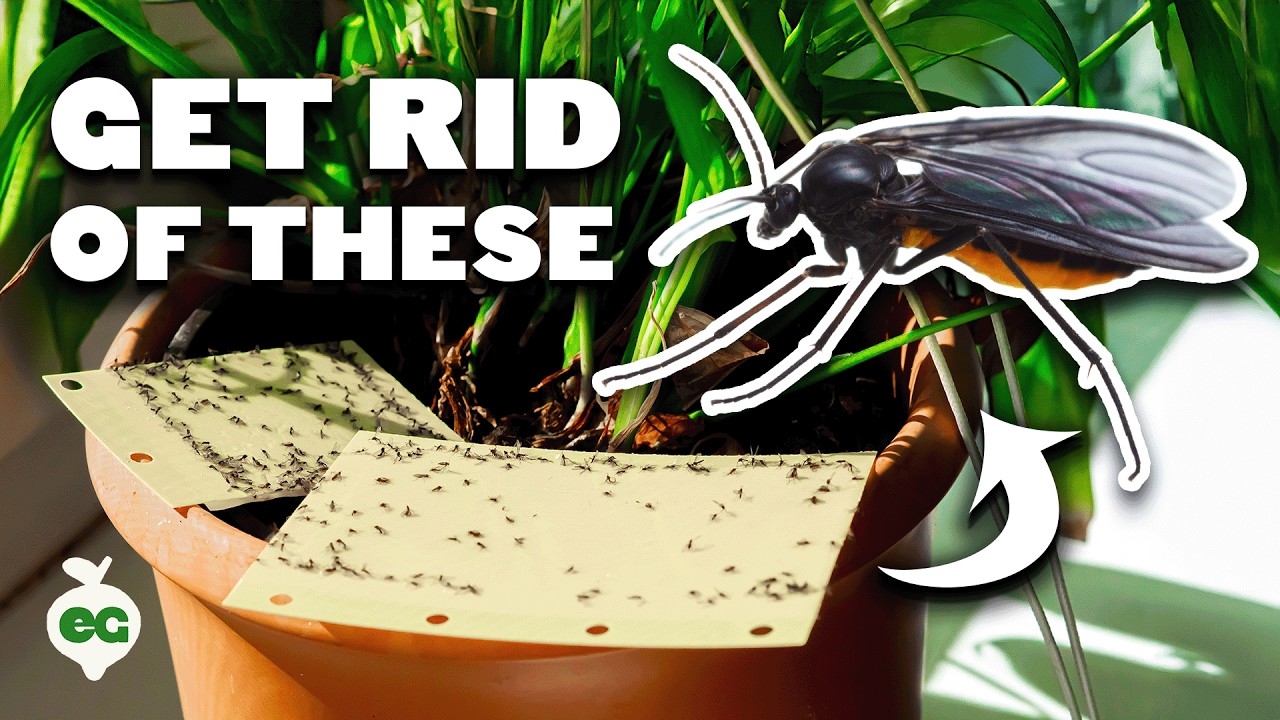
Sticky traps catch adult gnats flying near plants. They stop gnats from laying eggs. Place the traps near the soil or where gnats appear most.
- Choose yellow sticky traps, as gnats are attracted to yellow.
- Put traps close to plant leaves and soil surface.
- Replace traps every one to two weeks for best results.
- Keep traps away from strong light or water to avoid damage.
Beneficial Nematodes
Beneficial nematodes are tiny worms that kill gnat larvae. They live in the soil and hunt pests without harming plants.
| Benefit | How It Works |
| Kills larvae | Enter larvae and release bacteria |
| Safe for plants | Does not harm roots or leaves |
| Easy to use | Mix with water and apply to soil |
| Long-lasting | Can stay active in soil for weeks |
Neem Oil Applications
Neem oil works as a natural insecticide. It stops gnats from feeding and laying eggs. You can spray neem oil on leaves and soil.
- Mix neem oil with water according to label instructions.
- Spray the solution on plant leaves and soil surface.
- Apply every seven days until gnats disappear.
- Use in the evening to avoid leaf burn from sunlight.
Chemical Treatments
Gnats can damage plants in your grow tent. Chemical treatments help control these pests quickly. Use them carefully to protect your plants and yourself.
Choosing the right insecticide and applying it properly keeps your grow tent safe. Always follow instructions for best results.
Safe Insecticides For Grow Tents
Pick insecticides made for indoor use and safe around plants. Look for products with low toxicity and natural ingredients.
- Neem oil: Natural and controls gnats without harming plants
- Insecticidal soap: Kills soft-bodied insects like gnats
- Pyrethrin: A natural extract that works quickly
- Spinosad: Effective against larvae in soil
- Hydrogen peroxide solution: Helps reduce larvae in soil safely
Application Tips And Precautions
Use insecticides in small amounts and avoid spraying directly on buds or flowers. Always wear gloves and a mask to protect yourself.
Spray in the evening or early morning when lights are off. Test the product on a small plant area first to check for damage.
- Read and follow label instructions carefully
- Keep pets and children away during treatment
- Avoid overuse to prevent plant stress
- Use a fine mist spray for even coverage
- Repeat applications only as directed
Improving Grow Tent Conditions
Gnats can harm plants inside your grow tent. Changing the tent conditions helps stop them. This guide covers two ways to improve your grow tent.
Better air flow and fresh soil reduce gnat problems. These simple changes keep your plants safe and healthy.
Enhancing Air Circulation
Good air movement stops gnats from settling. It also lowers humidity, which gnats dislike. Use fans to keep air moving well inside the tent.
- Place an oscillating fan near the plants.
- Use exhaust fans to remove stale air.
- Keep vents open for fresh air intake.
- Check that no corners trap still air.
- Run fans continuously during the day.
Soil Replacement Strategies
Old soil can hold gnat eggs and larvae. Changing soil stops new gnats from hatching. Use clean, dry soil for best results.
| Soil Action | Reason |
| Remove top 2 inches of soil | Eliminates eggs and larvae |
| Replace soil with fresh potting mix | Prevents re-infestation |
| Allow soil to dry before watering | Reduces gnat breeding |
| Use soil covers like sand | Blocks gnats from laying eggs |
Long-term Gnat Control
Gnats in a grow tent can harm your plants and slow growth. It is important to control them for the long term.
Using simple, steady methods helps keep gnats away and your plants healthy.
Regular Monitoring
Check your grow tent often for signs of gnats. Look for flying insects and larvae in the soil.
Early detection helps stop infestations before they get worse.
- Inspect soil surface weekly
- Use sticky traps to catch flying gnats
- Watch for yellowing or wilting leaves
Sustainable Growing Practices
Healthy plants resist pests better. Use clean soil and avoid overwatering to reduce gnats.
Adding natural predators and using good airflow can also help keep gnats away long term.
- Use well-draining soil to prevent sogginess
- Water plants only when needed
- Introduce beneficial insects like predatory mites
- Keep the grow tent clean and dry

Credit: www.reddit.com
Frequently Asked Questions
How Do Gnats Enter A Grow Tent?
Gnats enter grow tents through soil, plants, or ventilation. They are attracted to moist, organic material and damp conditions inside the tent. Proper sealing and inspection of plants before introducing them can prevent their entry and infestation.
What Is The Best Way To Kill Gnats In A Grow Tent?
Use sticky traps and beneficial nematodes to kill gnats effectively. Reducing soil moisture and removing decaying plant matter also helps. Natural insecticides can be used safely to control gnat populations without harming plants.
How Can I Prevent Gnats From Returning To My Grow Tent?
Maintain dry soil and improve air circulation to prevent gnats. Regularly clean the grow tent and remove dead leaves or organic debris. Use sterile soil and quarantine new plants before adding them to the tent.
Are Gnats Harmful To Plants In Grow Tents?
Yes, gnats can damage plants by feeding on roots and spreading diseases. Larvae can stunt plant growth and increase vulnerability to pathogens. Managing their population quickly is essential to protect plant health.
Conclusion
Getting rid of gnats in your grow tent takes patience and care. Keep the area clean and dry to stop them from coming back. Use traps or natural sprays to reduce their numbers. Check plants often for signs of bugs.
Small steps make a big difference over time. Stay consistent and watch your plants grow healthy and strong. You can control gnats without harsh chemicals. Keep your grow tent a safe, pest-free place. Simple habits protect your plants and your hard work.