Have you ever wondered if your air conditioner is the right size for your home? Knowing how big your air conditioner needs to be can save you money, keep your space comfortable, and avoid unnecessary energy bills.
If your AC is too small, it won’t cool your home properly. If it’s too big, you’ll waste energy and face frequent repairs. You’ll discover simple ways to find out the perfect size for your air conditioner. Keep reading to make sure your home stays cool without breaking the bank.
Why Ac Size Matters
Choosing the right size for your air conditioner is very important. The size affects how well it cools your home and how much energy it uses.
An air conditioner that is too big or too small will not work efficiently. It can cause discomfort and higher bills.
Effects Of Oversizing
An oversized AC cools the room too fast. It turns on and off a lot, which wastes energy.
Short cooling cycles do not remove enough humidity. This makes the room feel damp and uncomfortable.
- Higher electricity bills
- Uneven cooling in the room
- More wear and tear on the AC unit
- Less humidity control
Consequences Of Undersizing
An undersized AC runs all the time but still cannot cool the room well. This causes the system to work harder than needed.
The constant running shortens the life of the air conditioner and raises energy costs.
- Poor cooling performance
- High energy consumption
- Increased wear on the AC parts
- Possible system breakdowns
Credit: www.furnaceprices.ca
Key Factors In Ac Sizing
Choosing the right size for your air conditioner is important. A unit that is too big or small will not cool well.
Several factors affect how big your AC should be. These include the room size, insulation, windows, and how many people are inside.
Room Size And Volume
The size of your room is the main factor in AC sizing. Larger rooms need more cooling power.
Both the floor area and the height of the ceiling matter. A tall room has more air to cool.
- Measure the room length and width to find the floor area
- Multiply the floor area by the ceiling height for volume
- Bigger volume means a bigger air conditioner
Insulation Quality
Good insulation keeps the cool air inside and heat outside. Poor insulation lets heat in, making the AC work harder.
Walls, ceilings, and floors should have proper insulation. This lowers the cooling load and saves energy.
- Check wall and ceiling materials
- Look for gaps or leaks around doors and windows
- Better insulation means a smaller AC can cool well
Window Placement And Sunlight
Windows let heat from the sun enter the room. Rooms with many windows need more cooling power.
The direction windows face also matters. South and west-facing windows get more sun in the afternoon.
- Count the number of windows in the room
- Note the direction each window faces
- Use curtains or blinds to reduce sunlight heat
- More sunlight means a bigger AC is needed
Occupancy And Heat Sources
People and devices in the room add heat. More occupants or electronics increase the cooling load.
Lights, computers, and cooking appliances all create heat. This heat makes the AC work harder.
- Count how many people usually occupy the room
- List heat-producing devices in the room
- More heat sources need a stronger AC
Measuring Your Space
Knowing the size of your air conditioner depends on the space you want to cool. Measuring your area helps pick the right air conditioner size.
This guide shows how to measure your space for an air conditioner. It covers square footage, ceiling height, and multiple rooms.
Calculating Square Footage
Square footage is the main factor for air conditioner size. Measure the length and width of your room in feet.
Multiply length by width to get the square footage.
- Measure the room’s length in feet
- Measure the room’s width in feet
- Multiply length × width for square footage
Considering Ceiling Height
Higher ceilings need more cooling power. Standard ceilings are usually 8 feet tall. If your ceiling is higher, adjust your size.
Taller rooms have more air volume to cool. This means you may need a larger air conditioner.
- Standard ceiling: 8 feet
- Higher ceilings: add 10% more cooling for each foot above 8
- Example: 10-foot ceiling needs 20% more cooling
Accounting For Multiple Rooms
For multiple rooms, measure each room’s square footage. Add all the square footages together.
Remember to adjust for any open spaces or doorways between rooms. This affects the cooling load.
- Measure each room’s length and width
- Calculate square footage for each room
- Add the square footages to get total area
- Consider open spaces between rooms
Btu And Ton Basics
Knowing the size of your air conditioner helps keep your home cool. Two key terms help measure AC size: BTU and ton. These terms tell you how much cooling power your AC has.
This guide explains what BTU and ton mean. It also shows how to find the right size for your space.
What Is Btu?
BTU stands for British Thermal Unit. It measures how much heat an air conditioner can remove. One BTU cools one pound of water by one degree Fahrenheit.
The higher the BTU number, the stronger the cooling power. Small rooms need fewer BTUs. Large rooms need more BTUs to stay cool.
Understanding Tons In Ac
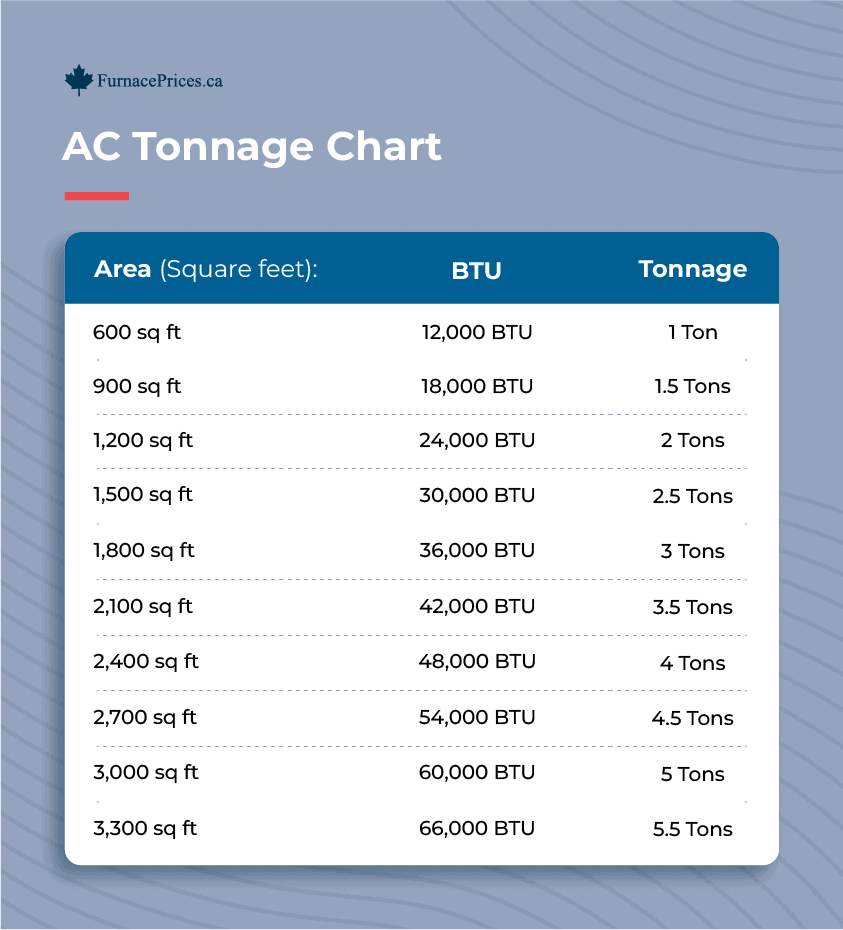
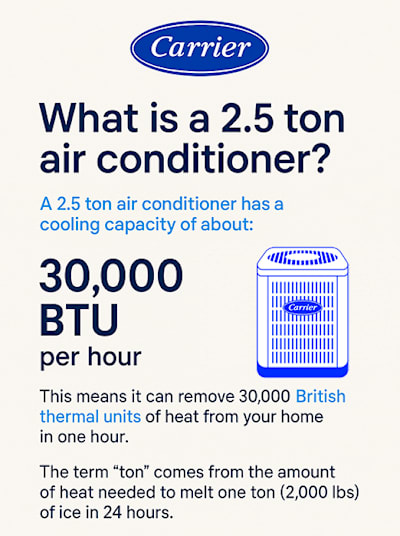
One ton in air conditioning equals 12,000 BTUs. This term comes from how much ice a ton of cooling melts in a day. It helps describe big AC units in simple terms.
For example, a 2-ton AC cools with 24,000 BTUs. Knowing tons helps you pick the right size without dealing with large BTU numbers.
Btu Requirements Per Square Foot
To find the right AC size, measure your room’s square feet. Usually, you need about 20 BTUs per square foot. This rule helps estimate cooling needs.
- Small room (100 sq ft) needs about 2,000 BTUs
- Medium room (500 sq ft) needs about 10,000 BTUs
- Large room (1,000 sq ft) needs about 20,000 BTUs
Matching Ac Capacity To Needs
Choosing the right size air conditioner is very important. A unit that is too big or too small will not work well.
Matching the AC capacity to your needs helps save energy and keeps your home comfortable.
Using Sizing Charts
Sizing charts help you find the right air conditioner size. They use room size and cooling needs to recommend capacity.
These charts show cooling power in BTUs for different room sizes. Use them to pick a unit that fits your space.
- Measure your room in square feet
- Check the chart for the BTU rating
- Choose the closest size on the chart
Adjusting For Climate
Climate affects how much cooling you need. Hotter places need bigger air conditioners than cooler ones.
Adjust your AC size if you live in a very hot or humid area. This ensures your home stays cool and dry.
- Hot climate: increase AC size by 10-20%
- Cool climate: standard sizing usually works
- Humid areas: consider units with better dehumidification
Energy Efficiency Ratings
Energy efficiency ratings show how well an air conditioner uses power. Higher ratings save more energy.
Look for the SEER or EER rating when choosing your AC. A more efficient unit lowers electricity bills.
- SEER stands for Seasonal Energy Efficiency Ratio
- EER means Energy Efficiency Ratio
- Higher numbers mean better efficiency
- Efficient units reduce energy waste
Credit: www.angi.com
Tools And Resources
Choosing the right size for your air conditioner is important. Using the right tools helps you find the best fit. There are several resources to help you decide how big your air conditioner should be.
This guide covers online calculators, professional load calculations, and manufacturer guidelines. Each tool offers useful information for sizing your air conditioner.
Online Calculators
Online calculators help estimate your air conditioner’s size quickly. You enter details like room size, insulation, and climate. The tool then suggests the cooling capacity you need.
These calculators are easy to use and free. They give a good starting point but may not be exact for every home.
- Input room dimensions (length, width, height)
- Consider the number of windows and sunlight
- Account for the number of people usually in the room
- Adjust for insulation quality and local climate
Professional Load Calculations
Professionals use load calculations to size air conditioners precisely. They measure heat gain from walls, windows, and appliances. This method ensures the air conditioner cools your space efficiently.
Load calculations follow industry standards and consider many factors. Hiring a professional helps avoid buying an air conditioner that is too small or too large.
- Measure the size and layout of each room
- Check insulation and window types
- Calculate heat from lights and electronics
- Include number of occupants and sun exposure
Manufacturer Guidelines
Air conditioner makers provide sizing charts and guides. These show the recommended cooling capacity for different room sizes. Following these guidelines helps you pick the right model.
Guidelines usually use British Thermal Units (BTUs) to show cooling power. Check the label or manual to find the right size for your needs.
| Room Size (sq ft) | BTU Needed |
|---|---|
| Up to 150 | 5,000 – 6,000 |
| 150 – 250 | 6,000 – 8,000 |
| 250 – 350 | 8,000 – 10,000 |
| 350 – 450 | 10,000 – 12,000 |
| 450 – 550 | 12,000 – 14,000 |
Signs Your Ac Is The Wrong Size
Having the right size air conditioner is important for comfort and efficiency. An AC that is too big or small can cause problems in your home.
Here are some signs that show your air conditioner may not be the right size for your space.
Short Cycling Symptoms
Short cycling happens when your AC turns on and off too often. This can wear out the system quickly.
It can cause uneven cooling and increase repair needs.
- AC runs for only a few minutes at a time
- Frequent starts and stops
- Rooms do not cool evenly
- System sounds louder than usual
Insufficient Cooling
If your AC is too small, it may not cool your home well. You feel hot even when the unit is running.
This causes discomfort and makes the AC work harder than it should.
- Rooms stay warm or humid
- AC runs all day without reaching set temperature
- Fans blow warm air sometimes
High Energy Bills
Wrong size AC units use more electricity. This raises your energy bills.
An oversized or undersized system wastes power and costs more money.
- Electric bills rise without change in usage
- AC runs longer or more often than needed
- Frequent repairs add to costs
Credit: www.carrier.com
Tips For Choosing The Right Ac
Choosing the right air conditioner is important for comfort and savings. The right size and features can keep your home cool without wasting energy.
Use these tips to find an air conditioner that fits your needs and budget well.
Consulting Hvac Experts
HVAC experts can help you pick an AC that matches your home size. They measure your rooms and check insulation to find the right cooling capacity.
- Ask about the best AC size for your space
- Learn about energy ratings and models
- Get advice on installation and maintenance
Considering Future Needs
Think about changes like family growth or home expansion. A slightly bigger AC might save money later by avoiding a new unit.
| Future Factor | Consideration |
|---|---|
| Family size | More people need more cooling power |
| Home additions | Extra rooms increase cooling needs |
| Climate changes | Warmer years may require stronger AC |
Balancing Cost And Efficiency
Look at both the price and the energy use. A low-cost unit may cost more in power bills over time.
Here are tips to balance cost and efficiency:
- Compare Energy Efficiency Ratio (EER) ratings
- Check for Energy Star certified models
- Consider long-term savings, not just upfront cost
- Use programmable thermostats to reduce waste
Frequently Asked Questions
How Do I Find My Air Conditioner Size?
Check the AC unit’s label or manual for BTU or tonnage. You can also measure the unit’s cooling capacity in BTUs, which indicates its size.
What Does Ac Size In Btus Mean?
BTU measures the cooling power of an air conditioner. Higher BTUs mean more cooling capacity, suitable for larger rooms or spaces.
Why Is Ac Size Important For Efficiency?
An AC too large cools quickly but wastes energy. Too small struggles to cool, increasing wear and energy costs. Right size balances comfort and efficiency.
Can I Use A Bigger Ac Than Needed?
Using a bigger AC causes short cycling, reducing efficiency and lifespan. It also increases humidity issues. Always choose the correct size for best performance.
Conclusion
Choosing the right size for your air conditioner matters a lot. A properly sized unit cools your space well and saves energy. Too big or too small can cause problems and higher bills. Check your room size before buying. Remember, comfort depends on the right fit.
Keep these tips in mind to stay cool and save money. Simple steps lead to better cooling all year round.