Why Air Conditioner? You might wonder if it’s really worth having one in your home or office.
Think about those hot, sticky days when the heat just won’t let up. How much better would your life be with cool, fresh air flowing around you? An air conditioner isn’t just a luxury; it can change the way you feel, work, and even sleep.
Keep reading to discover why choosing the right air conditioner could be the best decision you make for your comfort and well-being.
Air Conditioner Efficiency Basics
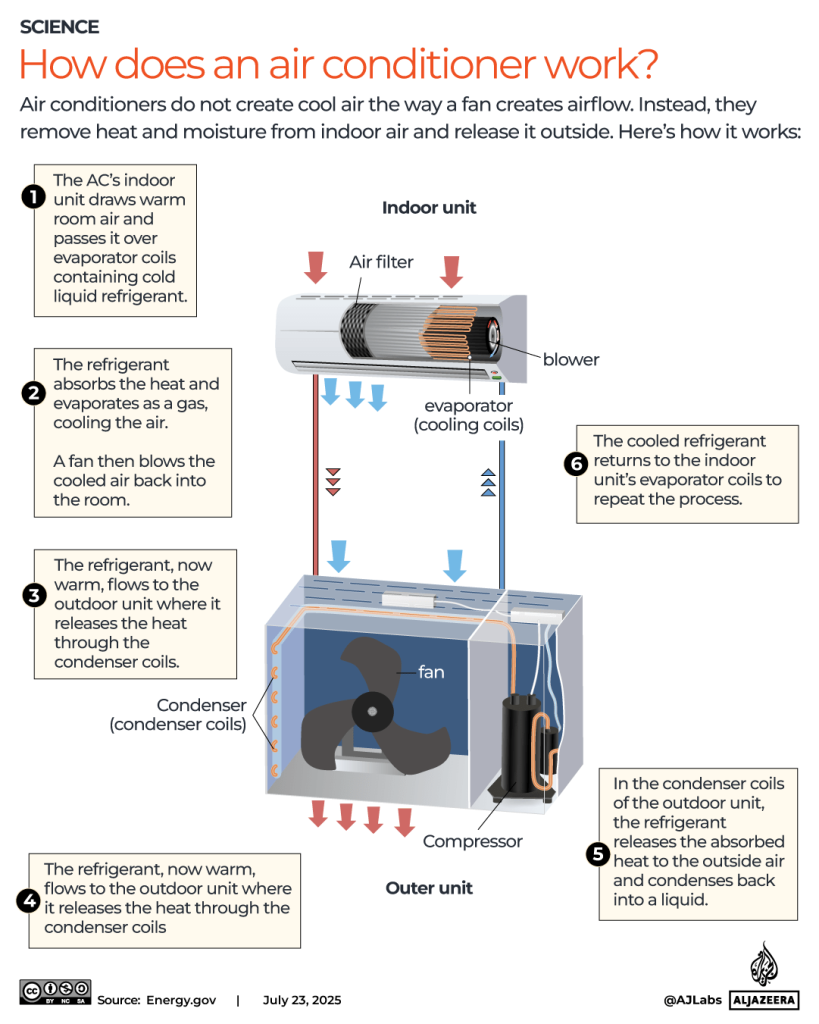
Air conditioners cool indoor spaces by removing heat. They use electricity to run compressors and fans.
Efficiency means how well an air conditioner cools while using less energy. Higher efficiency saves money and power.
How Efficiency Is Measured
Efficiency is measured by how much cooling an air conditioner provides for the energy it uses. This helps compare models.
Two common measures are SEER and EER. They show cooling output divided by electricity input.
- SEER: Seasonal Energy Efficiency Ratio. It measures efficiency over a cooling season.
- EER: Energy Efficiency Ratio. It measures efficiency at a specific temperature.
Types Of Air Conditioners And Their Efficiency
Different air conditioners work in different ways. Their efficiency varies based on design and size.
Common types include window units, split systems, and central air conditioners.
| Type | Description | Efficiency Level |
|---|---|---|
| Window Unit | Fits in a window. Cools one room. | Low to medium |
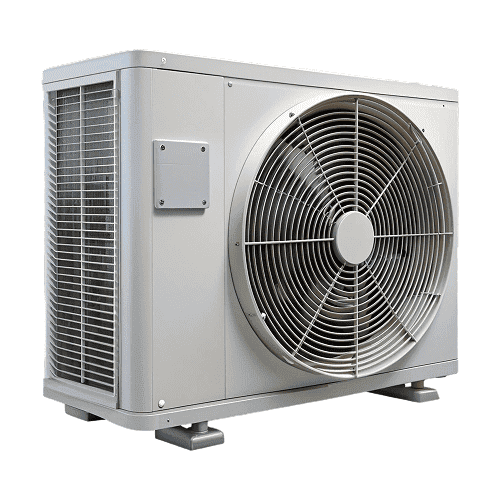
| Split System | Has indoor and outdoor parts. Cools several rooms. | Medium to high |
| Central Air Conditioner | Cools whole building with ducts. | High |

Credit: www.swissinfo.ch
Benefits Of High Efficiency Ac Units
High efficiency air conditioners save energy and reduce costs. They use less power to cool your home.
These units help the environment and improve your comfort. They work better than older models.
Lower Energy Bills
High efficiency AC units use less electricity. This lowers your monthly energy bills.
They cool your home faster and keep it at a steady temperature. This means the AC runs less often.
- Uses advanced technology to save power
- Consumes less energy during operation
- Reduces overall electricity costs
Reduced Environmental Impact
High efficiency AC units create less pollution. They lower greenhouse gas emissions.
Using these units helps protect natural resources. They use less energy from fossil fuels.
- Consumes less electricity from power plants
- Decreases carbon footprint
- Supports cleaner air and environment
Improved Comfort And Performance
High efficiency AC units keep your home cooler and more comfortable. They maintain steady temperatures.
These systems run quieter and last longer. They offer better humidity control and airflow.
- Maintains consistent room temperature
- Operates with less noise
- Provides better air quality and humidity control
Factors Affecting Ac Efficiency
Air conditioners use a lot of energy to cool your home. Their efficiency depends on many factors. Knowing these factors helps save energy and money.
Small changes can make your AC work better. This guide explains the main things that affect AC efficiency.
Proper Sizing And Installation
An AC must be the right size for your space. Too big or too small units waste energy and cool poorly.
Good installation helps the AC run smoothly. Poor setup can cause leaks and reduce performance.
- Choose an AC unit that fits your room size
- Hire a professional for installation
- Check for sealed ductwork to avoid leaks
- Place the AC where it gets good airflow
Regular Maintenance
Keeping your AC clean and well-maintained improves efficiency. Dirty filters and coils make the unit work harder.
Regular checks catch problems early and keep the AC running longer.
- Change or clean air filters every 1-3 months
- Clean the evaporator and condenser coils yearly
- Check refrigerant levels and fix leaks
- Clear debris around outdoor units
Thermostat Settings
Thermostat settings affect how much your AC runs. Setting it too low wastes energy and does not cool faster.
Using programmable thermostats can save energy by adjusting temperatures when you are away.
- Set temperature to a comfortable but not too cold level
- Avoid setting the thermostat lower to cool faster
- Use a programmable thermostat to save energy
- Keep thermostat away from heat sources for accuracy
Energy Efficiency Ratings To Know
Choosing the right air conditioner can save energy and cut costs. Understanding energy efficiency ratings helps you pick the best model.
These ratings show how well an air conditioner uses electricity. Knowing them makes buying easier and smarter.
Seer And Eer Explained
SEER means Seasonal Energy Efficiency Ratio. It measures cooling efficiency over a cooling season. A higher SEER means better efficiency.
EER means Energy Efficiency Ratio. It shows cooling efficiency at a specific temperature. EER is useful for hot days.
| Rating | Definition | When Used |
| SEER | Seasonal Energy Efficiency Ratio | Whole cooling season |
| EER | Energy Efficiency Ratio | Specific high temperature |
Energy Star Certification
Energy Star is a label for efficient air conditioners. It means the unit meets strict energy rules.
- Reduces electricity use
- Lowers utility bills
- Helps protect the environment
- Often qualifies for rebates
Choosing An Efficient Air Conditioner
Choosing the right air conditioner can save energy and money. An efficient unit keeps your home cool without wasting power.
Understanding different models and brands helps you pick a unit that fits your needs. Consider how cost and savings affect your decision.
Evaluating Models And Brands
Look for air conditioners with a high Energy Efficiency Ratio (EER). Brands that offer good customer support and warranties are better choices.
- Check the energy label and star rating
- Read customer reviews for reliability
- Compare features like noise level and cooling speed
- Choose brands with local service centers
Cost Vs. Long-term Savings
Buying a cheap air conditioner may cost less upfront but can raise electricity bills. Efficient units save money over time.
| Cost Type | Low-Efficiency Unit | High-Efficiency Unit |
| Initial Purchase | $300 | $600 |
| Yearly Energy Cost | $200 | $100 |
| 5-Year Total Cost | $1,300 | $1,100 |
Credit: www.furnaceprices.ca
Tips To Maximize Ac Efficiency
Using your air conditioner efficiently saves energy and lowers bills. Simple changes can make your AC work better. This guide helps you keep your home cool while using less power.
Follow these tips to improve your air conditioner’s performance. They focus on sealing, smart controls, and airflow management.
Sealing And Insulation
Seal all gaps and cracks around windows, doors, and walls. Good insulation stops cool air from escaping and hot air from entering your home.
- Use weather stripping on doors and windows
- Apply caulk to small cracks and holes
- Add insulation to your attic and walls
- Close vents in unused rooms
Using Smart Thermostats
Smart thermostats help control your AC with precision. They adjust temperatures based on your schedule. This avoids cooling empty rooms and saves energy.
| Feature | Benefit |
| Scheduling | AC runs only when needed |
| Remote Control | Adjust temperature from anywhere |
| Energy Reports | Track and reduce usage |
Optimizing Airflow
Good airflow helps your AC cool rooms evenly. Keep vents open and clean filters regularly. Use fans to help move cool air around.
Tips to improve airflow:
- Keep furniture away from vents
- Clean or replace air filters every 1-3 months
- Use ceiling fans to circulate air
- Check that ductwork has no leaks

Credit: www.popularmechanics.com
Frequently Asked Questions
Why Should I Choose An Air Conditioner?
An air conditioner cools indoor air efficiently and improves comfort. It also controls humidity and filters pollutants. AC units boost productivity and promote better sleep by maintaining optimal temperatures.
How Does An Air Conditioner Save Energy?
Modern air conditioners use advanced compressors and eco-friendly refrigerants. They adjust cooling based on room temperature, reducing power consumption. Energy-efficient models lower electricity bills and minimize environmental impact.
Can Air Conditioners Improve Indoor Air Quality?
Yes, air conditioners filter dust, pollen, and allergens. They reduce airborne pollutants and help prevent respiratory issues. Proper maintenance ensures cleaner, healthier indoor air for occupants.
What Are The Benefits Of Using An Air Conditioner?
Air conditioners provide consistent cooling, enhance comfort, and improve sleep quality. They reduce heat-related stress and protect electronic devices from overheating. AC units also control humidity, preventing mold growth.
Conclusion
Air conditioners make life more comfortable every day. They help keep homes cool during hot weather. Clean, cool air improves health and sleep quality. Using an air conditioner saves energy and money over time. Choosing the right model fits your needs and budget.
Regular maintenance keeps your system running well. Enjoying fresh, cool air is easy with an air conditioner. It’s a simple way to improve your home and well-being.