If you own an RV, you know how important it is to keep cool, especially on hot days. But have you ever wondered how much power your RV air conditioner actually uses?
Understanding how many amps your AC pulls can save you from unexpected power issues and help you plan your energy use better. Whether you’re camping off-grid or hooked up to shore power, knowing this simple fact can make a big difference in your comfort and convenience.
Keep reading to discover exactly what to expect from your RV air conditioner and how to manage its power needs like a pro.
Credit: fogattiliving.com
Rv Air Conditioner Basics
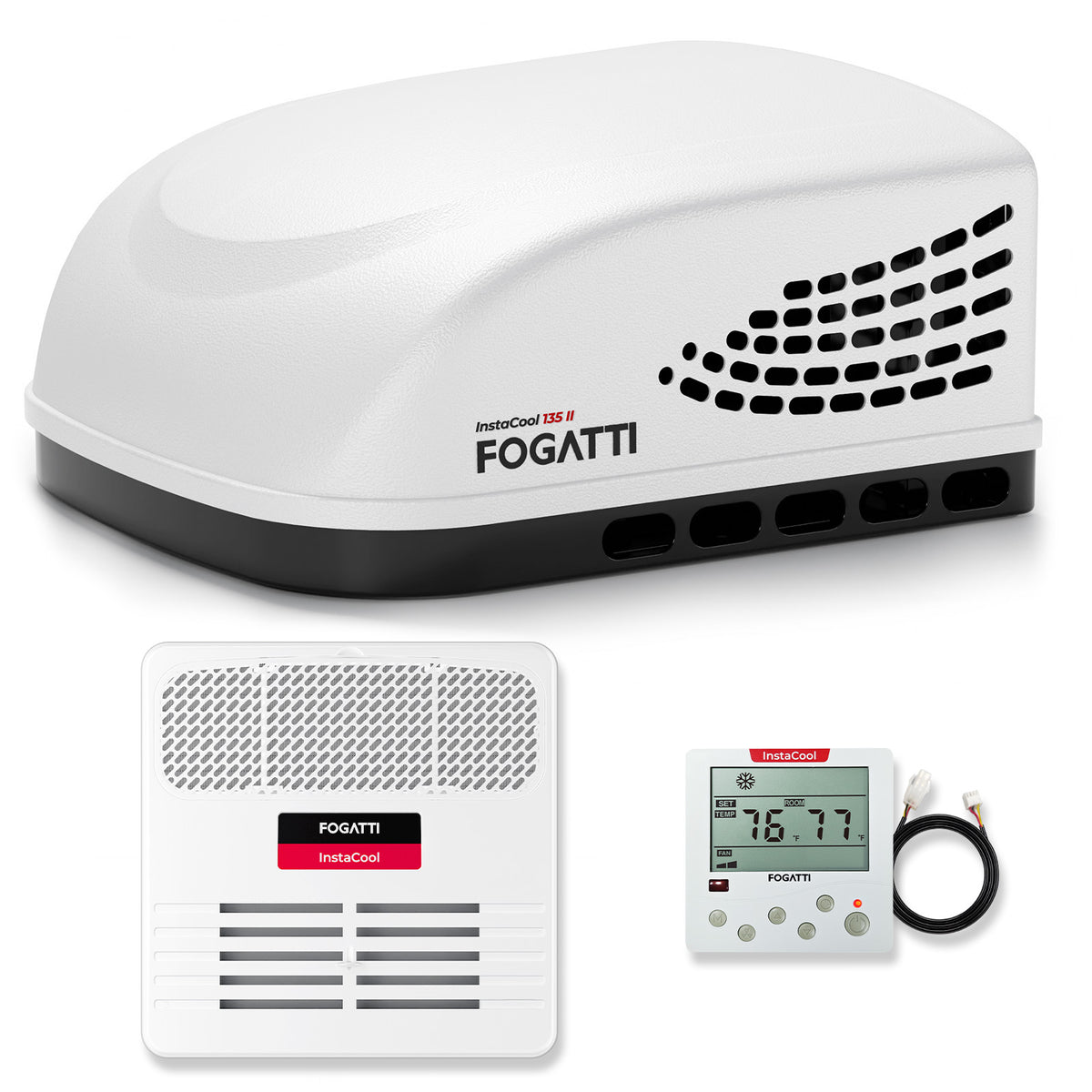
RV air conditioners come in different types. The main types are roof-mountedand portable units. Roof-mounted air conditioners are fixed on top of the RV. Portable units can be moved inside the RV. Each type uses different amounts of power.
Most RV air conditioners use between 10 to 20 amps. Smaller units pull about 10 to 12 amps. Larger, more powerful units can pull up to 20 ampsor more. Power use depends on the size and model of the AC.
| Type of RV Air Conditioner | Power Rating (Amps) |
|---|---|
| Small Roof-Mounted | 10 – 12 amps |
| Large Roof-Mounted | 15 – 20 amps |
| Portable Unit | 8 – 12 amps |
Amps And Electrical Requirements
The amp drawof an RV air conditioner depends on several factors. These include the unit size, voltage, and efficiency. Most RV air conditioners use either 110V or 220V power. The size, usually measured in BTUs, affects how many amps it pulls.
Starting ampsare higher than running amps. This is because the compressor needs extra power to start. Once running, the unit uses less power, called running amps. For example:
| Unit Size (BTU) | Starting Amps | Running Amps |
|---|---|---|
| 13,500 | 15 – 20 | 10 – 12 |
| 15,000 | 18 – 22 | 12 – 15 |
| 16,000 | 20 – 25 | 14 – 16 |
Knowing both starting and running amps helps choose the right power source. It also ensures the RV’s electrical system handles the load safely.
Typical Amp Draw For Rv Air Conditioners
RV air conditioners use different amps based on size and power.
A 5,000 BTU unitusually pulls about 5 to 7 amps. These are small and good for compact RVs or mild weather.
The common 13,500 BTU unitsdraw between 12 and 15 amps. They cool larger spaces and work well in hot weather.
Other sizes, like 8,000 or 15,000 BTU, have amp draws in between. Exact amps depend on brand and model.
| BTU Size | Typical Amp Draw | Use Case |
|---|---|---|
| 5,000 BTU | 5 – 7 amps | Small RVs, mild weather |
| 13,500 BTU | 12 – 15 amps | Larger RVs, hot weather |
| Other Sizes | Varies | Depends on model and size |
Impact On Rv Electrical Systems
RV air conditionersuse a lot of power. This affects your batteriesand inverters. Batteries must have enough capacity to run the AC. Inverters convert battery power to the right type for the AC. They need to handle the AC’s high starting current. Without proper setup, batteries drain fast and inverters may fail.
Using shore poweror a generatorhelps. Shore power provides steady electricity from outside. Generators produce power on the go. Both must supply enough amps for the AC to run smoothly. Check the amp rating of your AC and match it with your power source.
| Power Source | Key Point | Considerations |
|---|---|---|
| Battery | Stores power for AC | Must have high capacity and fast recharge |
| Inverter | Changes DC to AC power | Needs to handle high startup amps |
| Shore Power | External power supply | Must support AC’s amp draw |
| Generator | Portable power source | Should produce enough amps consistently |
Reducing Amp Draw
Energy-efficient RV air conditionersuse less power and cool effectively. These models draw fewer amps, saving battery life and reducing generator use. Choosing an energy star-rated unit helps keep power bills low and extends your RV’s electrical system life.
Regular maintenance keeps the air conditioner running smoothly. Clean or replace air filtersto improve airflow. Clear debris from the condenser coils to boost efficiency. Check for leaks and ensure the fan blades turn freely. Well-maintained units draw fewer amps and last longer.

Credit: fogattiliving.com
Safety Tips For Electrical Usage
Proper circuit protectionis key for safe RV air conditioner use. Use a circuit breakerrated for the AC unit’s amps. This prevents damage from electrical faults. Check the breaker size matches the AC’s current draw.
Avoiding overloadskeeps your RV safe. Do not plug other heavy devices into the same circuit as the AC. Overloads can cause breakers to trip or wires to heat. Spread out electrical loads across different circuits.
- Use breakers sized for your air conditioner’s amps.
- Never overload a single circuit with many devices.
- Inspect wiring regularly for signs of wear.
- Turn off appliances when not in use.
Credit: fogattiliving.com
Frequently Asked Questions
What Is The Typical Amp Draw Of An Rv Ac?
A typical RV air conditioner draws between 12 to 16 amps. The exact amperage depends on the unit’s size and model. Larger units may require more amps to operate efficiently. Always check the manufacturer’s specifications for precise details.
Can I Run An Rv Ac On A 20-amp Circuit?
Yes, you can run an RV AC on a 20-amp circuit. However, ensure no other high-demand appliances are running simultaneously. This helps prevent circuit overload. Always verify the air conditioner’s amp draw and your circuit capacity.
How Does Rv Ac Amp Draw Affect Battery Life?
Higher amp draw from an RV AC can deplete battery life quickly. It’s crucial to manage power usage wisely. Consider using energy-efficient models and alternative cooling methods to conserve battery power during trips.
How Can I Reduce Rv Ac Power Consumption?
To reduce power consumption, regularly clean the AC filters and ensure proper insulation. Use fans to circulate cool air. Installing energy-efficient models can significantly lower power usage, enhancing your RV’s energy efficiency.
Conclusion
An RV air conditioner usually pulls between 10 and 20 amps. This depends on the model and size of the AC unit. Knowing the amps helps you plan your RV’s power use. It keeps your battery and generator safe from overload.
Always check your RV’s electrical limits before running the AC. This simple step saves you from unexpected problems on the road. Stay cool and enjoy your travels without power worries.