Have you ever wondered if your air conditioner does more than just cool your home? Imagine breathing cleaner, fresher air every time you switch it on.
What if your AC could help remove dust, allergens, and even harmful particles from the air you breathe? You might be surprised to learn how much your air conditioner can impact your indoor air quality. Keep reading to discover whether your AC can actually purify the air and what that means for your health and comfort.

Credit: airgreen.ca
How Air Conditioners Work
Air conditioners cool indoor spaces by removing heat and moisture. They also help move air around the room.
Understanding their working parts shows how they can impact air quality and comfort.
Cooling Mechanism
Air conditioners use a refrigerant to absorb heat from inside the room. This heat is then released outside.
- The refrigerant changes from liquid to gas and back again.
- Evaporator coils absorb heat inside.
- Compressor pushes the refrigerant through the system.
- Condenser coils release heat outside.
Air Circulation Process
The air conditioner moves air using fans and filters. This helps maintain a steady temperature and cleaner air.
| Component | Function |
| Fan | Pushes air through vents |
| Filter | Traps dust and particles |
| Ducts | Carry air to different rooms |
| Thermostat | Controls the temperature |

Credit: www.aljazeera.com
Air Purification Features In Acs
Air conditioners cool your room and can help clean the air. Some ACs have special parts that remove dust and germs. These features improve indoor air quality.
Knowing how these parts work helps you choose the right AC. Let’s look at built-in filters, ionizers, and UV lights in ACs.
Built-in Filters
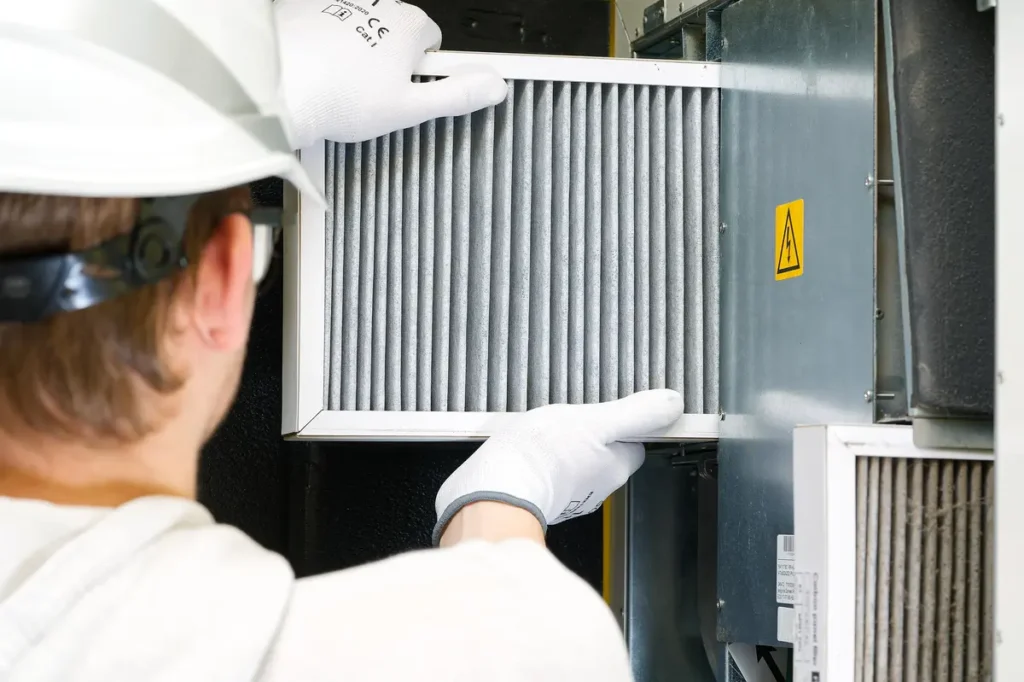
Most air conditioners have built-in filters. These filters catch dust, pollen, and pet hair. They stop these particles from entering your room.
Filters need cleaning or changing often. Dirty filters do not clean air well. They can also make the AC use more power.
- Remove dust and dirt from the air
- Help reduce allergies and asthma triggers
- Need regular cleaning or replacement
Ionizers And Uv Lights
Some ACs have ionizers that release charged particles. These particles attach to bacteria and dust, making them heavy. Then, they fall out of the air.
UV lights in ACs kill germs and mold. They use ultraviolet rays to break down harmful microbes. This helps keep the air cleaner and safer to breathe.
- Ionizers reduce airborne dust and bacteria
- UV lights kill germs and mold inside the AC
- Both improve air quality beyond simple filtering
Effectiveness Of Ac Filters
Air conditioners (AC) can help clean the air in a room. They use filters to trap dust and dirt. But not all AC filters clean the air well.
The filter type in an AC affects how well it removes particles. Some filters catch small particles, while others only catch big dust.
Types Of Filters
AC filters come in different types. Each type works in a different way to clean the air.
Common filter types include fiberglass, pleated, and HEPA filters. Fiberglass filters are basic and catch large dust particles. Pleated filters have more surface area and catch smaller particles. HEPA filters are very dense and capture very tiny particles.
- Fiberglass filters: low cost, capture large particles
- Pleated filters: better at catching small dust and allergens
- HEPA filters: remove most small particles including pollen and smoke
Particle Removal Capabilities
Filters vary in the size of particles they remove. Larger particles like dust and hair are easy to trap. Smaller particles like pollen and smoke need better filters.
HEPA filters remove up to 99% of particles as small as 0.3 microns. Pleated filters remove fewer small particles but catch many allergens. Fiberglass filters catch only large particles and dust.
| Filter Type | Particle Size Removed | Effectiveness |
|---|---|---|
| Fiberglass | 10 microns and larger | Low |
| Pleated | 3 to 10 microns | Medium |
| HEPA | 0.3 microns and larger | High |
Credit: chapmanheating.com
Limitations In Air Purification
Air conditioners can cool rooms and offer some air cleaning. Their ability to purify air is limited. Understanding these limits helps set correct expectations.
This section explores key reasons why air conditioners cannot fully clean the air inside a space.
Lack Of Comprehensive Filtration
Most air conditioners have basic filters. These filters catch large dust and dirt but miss smaller harmful particles. Many pollutants remain in the air after passing through the system.
- Standard filters do not remove fine dust or allergens.
- They cannot capture gases or odors.
- Filters need regular cleaning or replacement to work well.
- Air conditioners often lack HEPA or activated carbon filters.
Potential For Airborne Contaminants
Air conditioners can sometimes spread germs if not maintained well. Moisture inside units may cause mold growth. This can release spores into the air, reducing air quality.
| Possible Contaminants | Cause | Effect |
| Mold spores | Moisture in the unit | Respiratory issues |
| Bacteria | Dirty filters | Infections |
| Dust mites | Accumulated dust | Allergic reactions |
Comparing Acs With Dedicated Air Purifiers
Air conditioners and air purifiers both help improve indoor air. They have different designs and goals. Knowing their differences helps you choose the right device.
Some people wonder if air conditioners can clean the air like purifiers. This article compares how each works to improve air quality.
Filtration Technology Differences
Air conditioners mainly cool the air. They use basic filters to trap dust and large particles. These filters do not remove tiny pollutants.
Dedicated air purifiers use advanced filters. HEPA filters capture very small particles like pollen and smoke. Some purifiers also use activated carbon to remove odors.
- AC filters trap large dust and debris
- Air purifiers use HEPA filters for tiny particles
- Purifiers may include carbon filters for smells
- AC filters need less frequent replacement
Performance In Improving Air Quality
Air conditioners mainly change air temperature and humidity. They help air feel fresher but do not remove many pollutants.
Air purifiers remove dust, allergens, and smoke from the air. They greatly reduce indoor pollution levels and improve breathing comfort.
- ACs cool air but filter few pollutants
- Purifiers remove small particles and allergens
- Purifiers improve overall air cleanliness
- ACs do not reduce gases or odors effectively
Maintaining Clean Air With Your Ac
Air conditioners cool your home, but they can also help keep the air clean. They work by removing dust and particles from the air.
To keep your AC helping with air quality, you need to take care of it. Clean air depends on proper maintenance and use.
Regular Filter Replacement
AC filters catch dust, pollen, and other particles from the air. Over time, filters get dirty and stop working well.
Changing filters often keeps your AC running well and your air clean. Check the filter every one to three months.
- Dirty filters reduce airflow and air quality
- Clean filters help remove dust and allergens
- Replacing filters saves energy and improves cooling
Proper Ventilation Practices
Good ventilation brings fresh air into your home. It helps push out stale air and reduce indoor pollution.
Use vents and fans to keep air moving. Avoid blocking air vents to maintain airflow and air quality.
- Open windows occasionally to let fresh air in
- Keep vents clear of furniture or curtains
- Use exhaust fans in kitchens and bathrooms
Frequently Asked Questions
Can Air Conditioners Improve Indoor Air Quality?
Yes, some air conditioners have built-in filters that reduce dust and allergens. However, not all models purify air effectively. For true purification, an air conditioner with a HEPA or activated carbon filter is best.
Do Air Conditioners Remove Bacteria And Viruses?
Standard air conditioners do not kill bacteria or viruses. Specialized air purifiers with UV light or ionizers are needed to target pathogens. Regular cleaning of filters helps reduce microbial growth.
How Often Should Ac Filters Be Cleaned Or Replaced?
AC filters should be cleaned or replaced every 1 to 3 months. Regular maintenance ensures better air quality and improves the unit’s efficiency. Dirty filters can circulate pollutants indoors.
Can Air Conditioners Reduce Indoor Humidity Effectively?
Yes, air conditioners dehumidify the air by cooling it and removing moisture. Lower humidity helps reduce mold growth and improves comfort. However, they are not a substitute for dedicated dehumidifiers in very damp areas.
Conclusion
Air conditioners can help clean the air but only to some extent. They remove dust and some particles through filters. Still, they do not kill germs or remove all pollutants. For better air quality, use air purifiers designed for cleaning.
Regular maintenance of your AC improves its performance. Keep rooms ventilated by opening windows when possible. Clean, fresh air matters for your health and comfort. Choose the right device for your needs. Clear air feels good and helps you breathe easier.