
Are you tired of battling allergies every time the seasons change? You might wonder if your air conditioner could be more than just a way to cool down.
Could it actually help reduce your allergy symptoms? Understanding how your air conditioner affects the air you breathe can make a big difference in your comfort and health. Keep reading to discover the surprising ways your AC might be working for or against your allergies—and what you can do to make the most of it.
How Air Conditioners Affect Indoor Air
Air conditioners change the air inside homes and buildings. They cool the air and can also clean it.
This affects people with allergies by changing how allergens move and settle indoors.
Air Filtration And Allergens
Air conditioners have filters that trap dust, pollen, and pet dander. This helps reduce allergens in the air.
Filters need regular cleaning or replacement to work well. Dirty filters can spread allergens instead.
- Clean filters remove more allergens
- HEPA filters catch tiny particles
- Regular maintenance keeps air fresh
Humidity Control And Mold Growth
Air conditioners lower indoor humidity. Dry air stops mold and dust mites from growing.
Too much moisture can cause mold, which triggers allergy symptoms. AC helps keep moisture low.
- Lower humidity reduces mold spores
- Dry air limits dust mite survival
- Proper humidity is key for allergy control
Air Circulation Patterns
Air conditioners move air around rooms. Good airflow helps stop allergens from settling.
Poor airflow can trap allergens in one place. Proper circulation sends allergens to filters or outside.
- Fans and vents improve air movement
- Even airflow reduces allergen buildup
- Use AC settings to control air direction
Types Of Allergens Impacted By Ac
Air conditioners can affect the air quality inside your home. They help reduce some common allergens. This can make breathing easier for people with allergies.
Different allergens respond differently to air conditioning. Knowing which allergens are impacted helps you understand how AC can help.
Pollen Reduction
Pollen is a major cause of seasonal allergies. Air conditioners filter out pollen from outside air. This lowers pollen levels inside your home.
Using AC keeps windows closed. This blocks pollen from entering your rooms. The system’s filters trap pollen before the air circulates.
Dust Mite Control
Dust mites thrive in warm and humid places. Air conditioners reduce indoor humidity. This makes the environment less friendly for dust mites.
Lower dust mite populations mean fewer allergy triggers. AC systems also circulate filtered air, reducing dust particles in the home.
Pet Dander And Indoor Pollutants
Pet dander is a common indoor allergen. Air conditioners help by filtering the air. This reduces pet dander and other indoor pollutants.
Regular filter cleaning keeps the AC effective. This helps remove dust, smoke, and other small particles from the air.
Choosing The Right Air Conditioner
Air conditioners can help reduce allergies by cleaning the air inside your home. Picking the right unit is important for better air quality.
Not all air conditioners remove allergens well. You need one with good filters and features to help with allergies.
Filters And Purifiers
Filters trap dust, pollen, and pet dander that cause allergies. HEPA filters are best for catching tiny particles.
Some air conditioners have built-in purifiers that kill bacteria and mold. These features improve air quality further.
- Choose AC with HEPA or high-efficiency filters
- Look for air purifiers with UV light or ionizers
- Check filter replacement frequency and cost
Maintenance Tips For Allergy Relief
Regular cleaning keeps your air conditioner working well and stops allergens from building up. Dirty filters spread dust and mold.
Change or clean filters every 1 to 3 months. Clean the AC vents and coils to keep air fresh and clear.
- Replace filters on schedule
- Clean vents and coils regularly
- Keep the area around the AC free of dust
- Schedule professional service yearly
Energy Efficiency And Air Quality
Energy-efficient air conditioners save money and run better. They maintain steady airflow which helps remove allergens.
Look for units with good SEER ratings. These models use less power and keep your home comfortable and clean.
- Choose AC with Energy Star certification
- Check SEER rating for efficiency
- Better efficiency means better air circulation
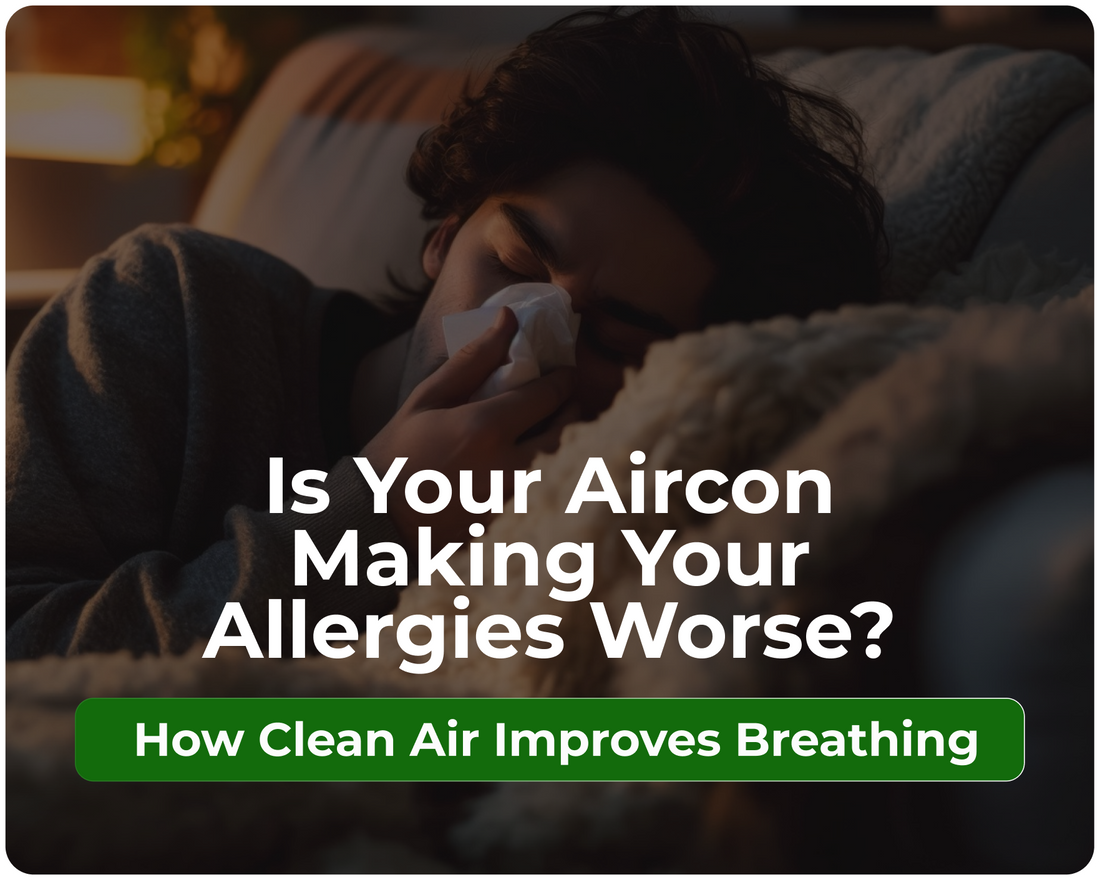
Credit: www.homediykits.com.au
Potential Downsides For Allergy Sufferers
Air conditioners can cool your home, but they may affect allergies in some ways. Not all effects are positive for allergy sufferers.
This article covers some problems that air conditioners might cause for people with allergies.
Poor Maintenance Risks
When air conditioners are not cleaned or serviced, they can become breeding grounds for dust, mold, and bacteria. These allergens then spread through the air and worsen allergy symptoms.
- Dirty filters trap dust but release it when clogged
- Mold grows in damp parts of the unit
- Bacteria can multiply in the water drainage system
- Clogged vents reduce airflow and increase indoor pollutants
Dry Air Effects
Air conditioners often remove moisture from the air, which can cause dry indoor air. Dry air irritates the nose and throat, making allergy symptoms worse.
| Symptom | Effect of Dry Air |
| Nasal passages | Become dry and irritated |
| Throat | Feels scratchy and sore |
| Skin | Dries out and may itch |
| Eyes | Can become red and itchy |
Recirculation Of Allergens
Air conditioners often recycle indoor air instead of bringing in fresh air. This can keep allergens like dust and pet dander inside your home longer.
Common allergens that can build up due to recirculation:
- Dust mites
- Pollen brought inside on clothes
- Pet hair and dander
- Mold spores from damp areas
Enhancing Allergy Relief With Ac
Air conditioners can help reduce allergy symptoms by cooling and filtering the air. They remove dust, pollen, and other allergens from inside your home.
Using your AC correctly can improve indoor air quality. This makes it easier to breathe for people with allergies.
Using Hepa Filters
HEPA filters trap tiny particles like pollen, dust mites, and pet dander. Installing a HEPA filter in your air conditioner helps clean the air more effectively.
These filters capture allergens that regular filters might miss. This can lower allergy symptoms by reducing airborne irritants.
- Traps particles as small as 0.3 microns
- Improves overall air cleanliness
- Reduces exposure to common allergens
Regular Cleaning Routines
Cleaning your air conditioner is key to allergy relief. Dirt and mold in the system can worsen allergies instead of helping.
Change or clean filters regularly. Also, clean vents and coils to prevent dust buildup.
- Replace filters every 1-3 months
- Wipe down vents monthly
- Schedule professional AC cleaning yearly
Combining Ac With Other Air Purifiers
Using an air purifier with your AC can further reduce allergens. Purifiers with HEPA filters catch particles the AC might miss.
This combo improves air quality and helps people with severe allergies breathe better indoors.
- Air purifiers remove smoke and odors
- HEPA purifiers trap smaller allergens
- Use purifiers in bedrooms for best effect

Credit: acs-installations.co.uk
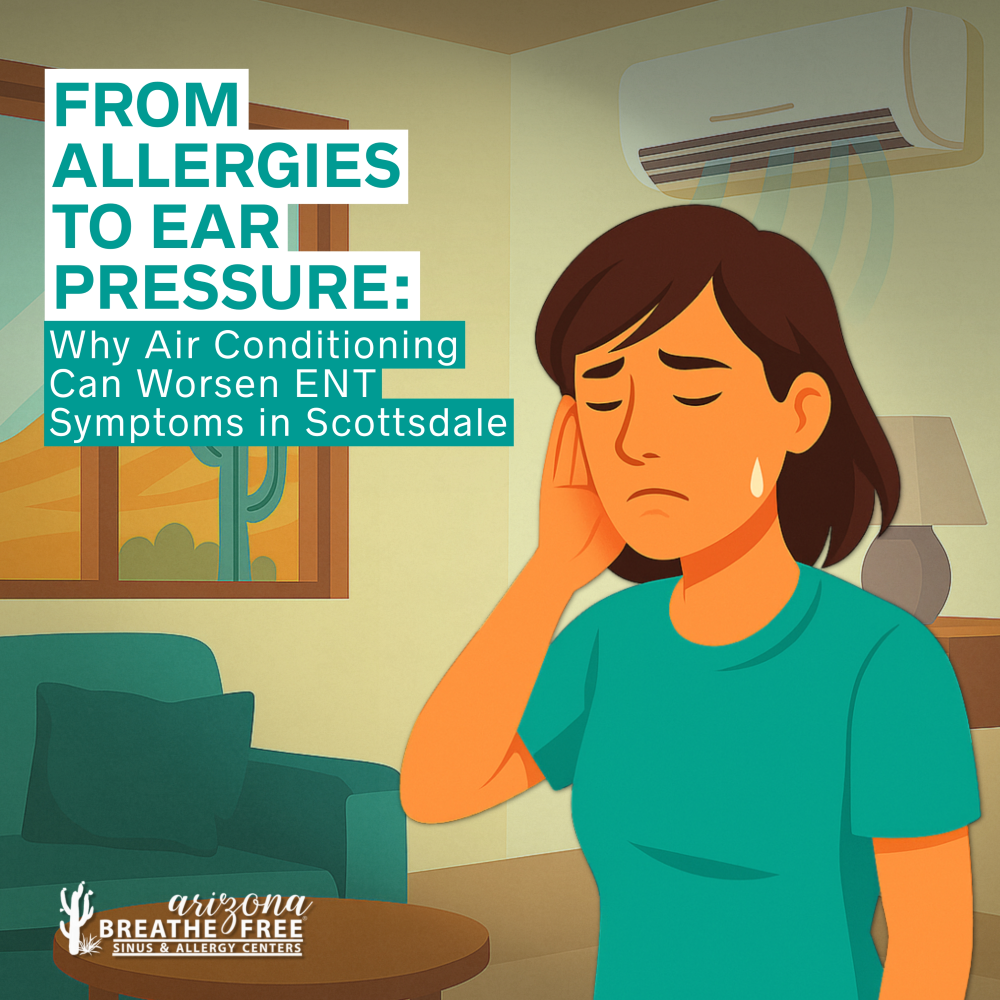
Credit: www.arizonabreathefree.com
Frequently Asked Questions
Does Air Conditioning Reduce Indoor Allergens?
Yes, air conditioners filter out dust, pollen, and mold spores. This lowers indoor allergen levels, improving air quality and reducing allergy symptoms.
Can Ac Worsen Allergy Symptoms?
If not cleaned regularly, AC units can harbor mold and bacteria. This may worsen allergies by circulating irritants through the air.
How Often Should Ac Filters Be Changed For Allergies?
Change AC filters every 1-3 months. Regular replacement ensures better air filtration and minimizes allergens inside your home.
Does Air Conditioning Help With Pollen Allergies?
Air conditioning helps by filtering out outdoor pollen when windows are closed. This reduces pollen exposure and eases allergy symptoms indoors.
Conclusion
Air conditioners can reduce allergens like dust and pollen indoors. They help by filtering the air and keeping it cool. Regular cleaning and maintenance keep the system working well. Still, air conditioners do not remove all allergy triggers. Using them with other allergy controls works best.
Choosing the right filter makes a big difference. Remember to keep windows closed during high pollen seasons. This way, the air stays cleaner inside your home. Air conditioners can be part of your allergy relief plan. Small steps lead to better breathing and comfort.