Is your air conditioner not cooling like it used to? The problem might be your condenser.
Knowing how to check your air conditioner condenser can save you time, money, and frustration. You’ll discover simple steps to inspect your condenser and spot issues before they turn into costly repairs. Keep reading to learn how to keep your AC running smoothly and enjoy cool comfort all year long.
Tools Needed
Basic tools help check the air conditioner condensersafely and well. A multimetertests electrical parts. A screwdriver setopens panels carefully. A wrenchtightens nuts and bolts. A fin combstraightens bent fins. A coil cleanerremoves dirt and dust.
Wear safety gearto protect yourself. Use glovesto avoid cuts. Safety glassesprotect eyes from debris. Wear a dust maskto keep dust out. Ensure proper clothing to avoid injuries.

Credit: www.youtube.com
Locate The Condenser
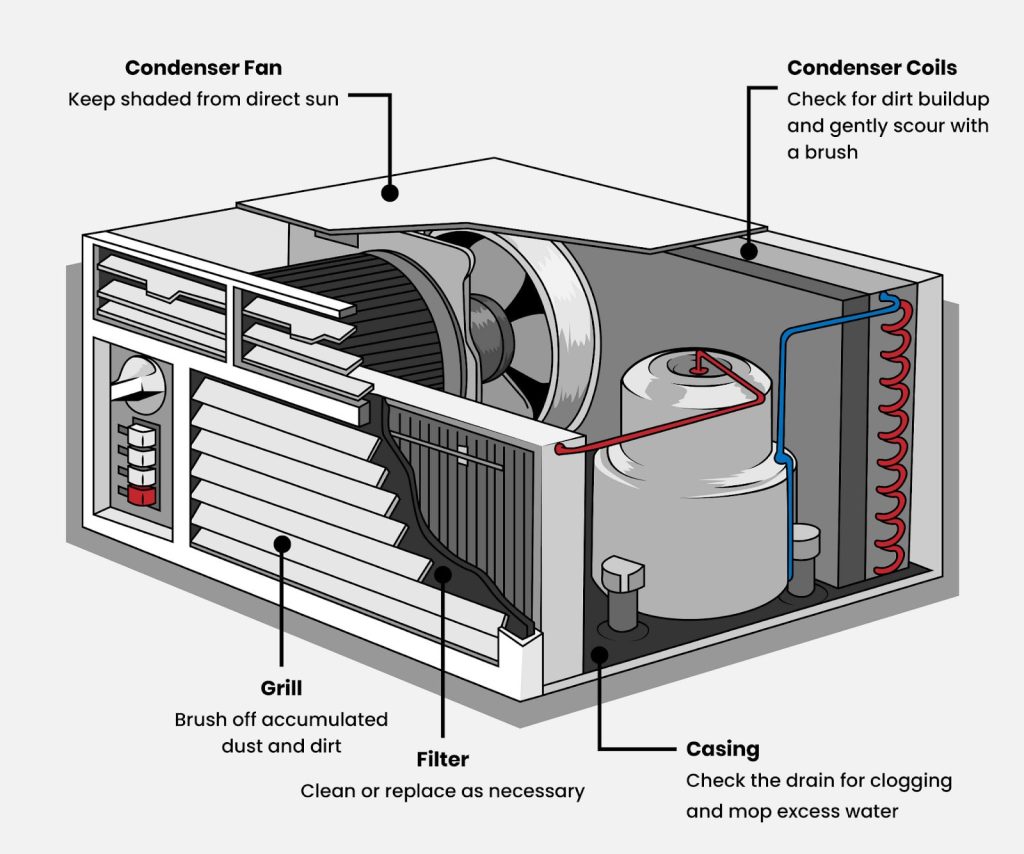
The condenser unitis usually placed outsideyour home. It looks like a big metal box with fins on the sides. It sits on a concrete pad or metal stand. The unit should be near an exterior wallor in the backyard. It needs plenty of space around it for air flow. Avoid places with too much shade or debris.
Key parts of the condenser include:
- Fan:On top, it moves air through the unit.
- Coils:Metal tubes wrapped in fins, they cool the refrigerant.
- Compressor:The heart of the unit, pumps refrigerant through the system.
- Electrical components:Usually inside a small box on the side.
Visual Inspection
Check the condenser unit for any debrislike leaves, dirt, or grass. Clear away anything blocking airflow. A clean condenser works better and lasts longer.
Look closely for physical damage. Bent fins, cracks, or rust can cause problems. Damaged parts may reduce cooling efficiency or cause leaks.
Clean The Condenser
Turn off powerto the air conditioner before cleaning. This stops accidents and protects you from electric shocks.
- Remove debrislike leaves, dirt, and grass around the condenser unit.
- Use a brush or cloth to clear away loose dirt on the outside.
Clean fins and coilscarefully to improve cooling. Use a soft brush or vacuum with a brush tool. Avoid bending the fins as they are delicate.
For deep cleaning, rinse with water but do not soak electrical parts. Let the condenser dry before turning power back on.
Check Electrical Connections
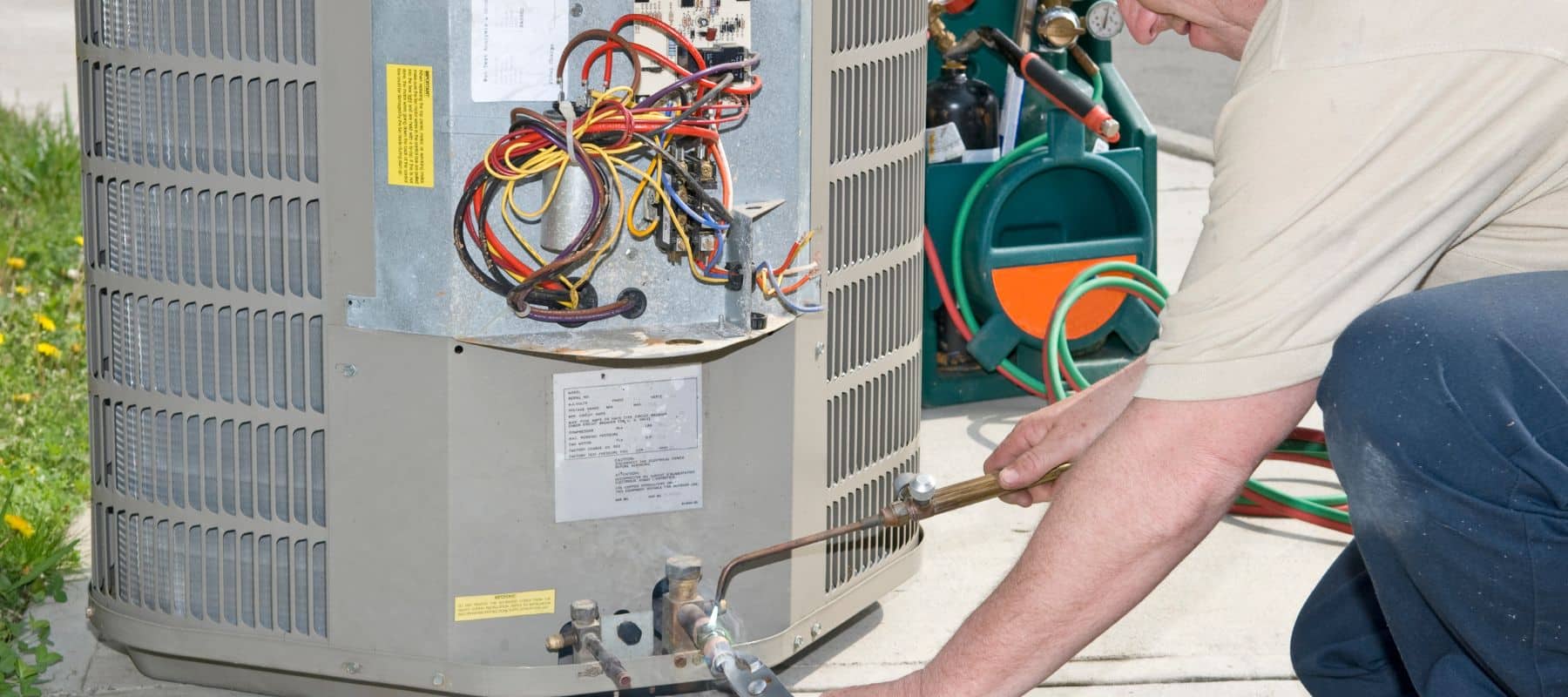
Start by turning off the power to the air conditioner to stay safe. Look closely at the wiringconnected to the condenser. Check for any signs of wear, burn marks, or loose connections. Tighten any loose wires carefully. Damaged wires should be replaced immediately.
Capacitors help the condenser start and run smoothly. Use a multimeterto test the capacitor’s charge. A healthy capacitor shows a reading within the device’s range. If the reading is too low or zero, the capacitor likely needs replacement. Avoid touching capacitor terminals directly to prevent shocks.
Examine The Fan
The fan bladesshould be clean and free from damage. Check for any bent or broken blades. Dirty blades reduce airflow and make the unit work harder. Gently wipe them with a soft cloth.
For the motor operation, listen for strange noises like grinding or squealing. These sounds can mean the motor needs repair or oiling. The fan should spin smoothly without stopping or slowing down.
Measure Refrigerant Levels
Pressure gaugeshelp measure refrigerant levels in the air conditioner condenser. Attach the gauge to the service valve of the unit. Read the pressure shown on the gauge. Compare this pressure with the recommended values found in the unit’s manual. Proper pressure ensures the system works well and cools the air effectively.
Signs of low refrigerantinclude:
- The AC does not cool the air properly.
- The unit runs longer than usual.
- Ice forms on the evaporator coil.
- Unusual hissing or bubbling sounds.
- Higher electricity bills without more use.
Test System Performance
Check the temperature near the air conditioner to see if it cools well. The air coming out should feel much colder than the air going in. A good system usually cools the air by about 15 to 20 degreesFahrenheit.
Listen closely to the condenser unit. It should run with a steady, low hum. Strange sounds like buzzing, rattling, or grindingmight mean a problem with the fan or motor. These noises can warn about damaged partsor loose components.
When To Call A Professional
Complex repairs often need special tools and skills. Problems like refrigerant leaks or electrical issues require expert care. Trying to fix these yourself can cause more damage.
Safety concerns are very important. Air conditioners have high voltage parts. Mishandling them can lead to shocks or injury. A professional knows how to stay safe and protect your home.
- Big leaks or broken parts need expert repair.
- Electrical faults require a licensed technician.
- Gas handling must follow strict safety rules.
- Professionals have the right tools and training.
Credit: www.topahill.com
Credit: www.carrier.com
Frequently Asked Questions
How Do I Inspect An Ac Condenser Unit?
Start by turning off power to the unit. Check for dirt, debris, and damage on the coils. Ensure the fan is clean and spins freely. Look for leaks or corrosion. Regular inspection helps maintain efficiency and prevent costly repairs.
What Tools Are Needed To Check Ac Condenser?
You need a screwdriver, coil cleaner, garden hose, and a flashlight. A multimeter helps test electrical components. Using these tools ensures a thorough and safe inspection of the condenser unit.
How Often Should I Check My Ac Condenser?
Check your AC condenser at least twice a year. Inspect before the cooling season and after heavy use. Regular checks help catch issues early and keep your system running efficiently.
What Signs Show A Faulty Ac Condenser?
Common signs include reduced cooling, strange noises, and frequent cycling. Warm air from vents and high energy bills also indicate issues. Early detection prevents damage and costly repairs.
Conclusion
Checking your air conditioner condenser helps keep your unit working well. Clean the fins and remove debris regularly. Watch for signs like strange noises or poor cooling. Early checks can save you from costly repairs later. Stay safe and turn off power before inspecting.
Small efforts make your AC last longer and cool better. Keep your home comfortable all summer long. Simple steps, big benefits.